
Caesar Mountain: Black Freedom Written Into Appalachia’s Landscape
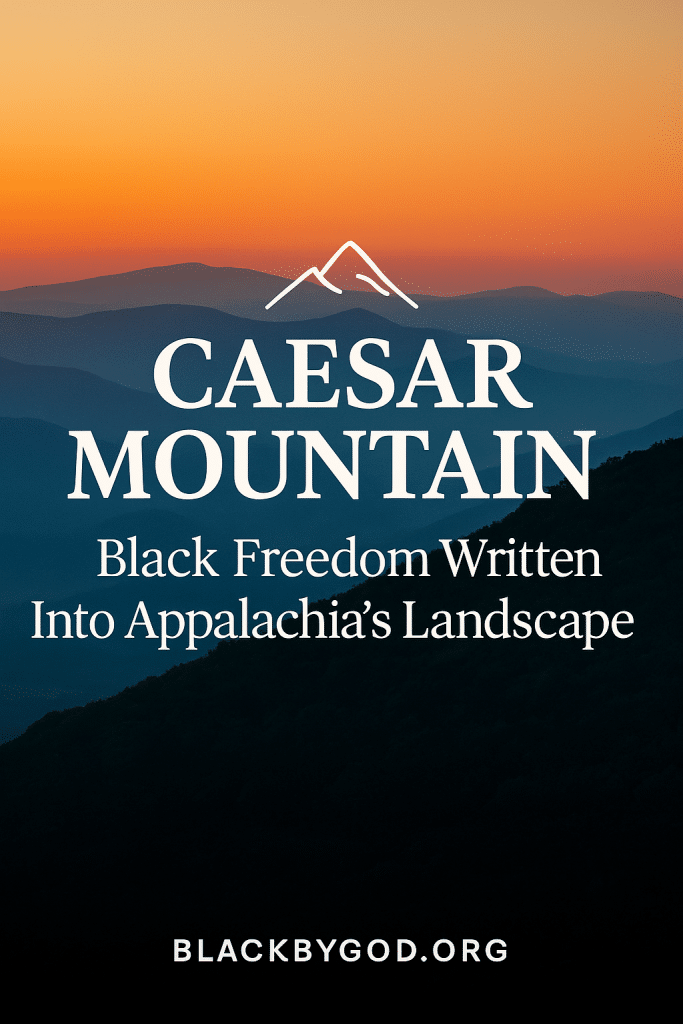
How an enslaved man’s fight for liberty, land, and legacy gave West Virginia one of its most remarkable place names.
Caesar Mountain rises at about 3,323 feet in Pocahontas County, West Virginia, ranking as the 232nd highest summit in the state. Its height is unremarkable. Its name is extraordinary. Unlike most Appalachian peaks, which are named for settlers, Native words, or vague legends, Caesar Mountain honors a Black man whose story is written into court records, land deeds, and community memory.
That man was Caesar Freeman.
Caesar was enslaved in the Greenbrier Valley by an English settler named George Massingbird. In 1796, Massingbird legally freed Caesar and his family, an act of manumission that allowed them to live as free people. Caesar chose the surname Freeman, a bold claim of dignity and independence in an era when the majority of Black people in the region remained enslaved.
But freedom was never guaranteed. In 1819, Massingbird fell into financial decline and attempted to revoke the manumission, claiming Caesar and his family had never been lawfully freed. He sought to re-enslave them.
Caesar resisted. With support from local white neighbors who opposed Massingbird’s effort, he fought the case in court in Marlinton. Against all odds, he won. The court upheld his freedom and went further — granting him legal title to over 400 acres of land, including the very ground where he had once been enslaved.
That victory transformed not only Caesar’s life but the land itself. The summit overlooking his property became known as Caesar Mountain, one of the rare places in Appalachia named not for a settler or a story, but for a Black man whose freedom was fought for and won.
On that land, a Black community took root. Families built homes, tended farms, and established a church, a school, and a general store. For generations, descendants and neighbors sustained life in the shadow of Caesar Mountain. Even today, family lines remain in nearby Lobelia, Hillsboro, and Jacox, and local historians preserve the memory of the community that grew there.
The name “Caesar Mountain” carries even more weight when considered alongside Negro Mountain, which stretches across the Pennsylvania–West Virginia border. That ridge is also tied to Black history, though through legend rather than legal record. Oral tradition tells of a Black frontiersman named Nemesis, who in the mid-1700s fought alongside settlers during a Native ambush. Nemesis gave his life in defense of his companions, and the ridge was named to honor his bravery. Though his personal name has been obscured by time, Negro Mountain endures as a memorial to courage and sacrifice.
Together, these two mountains show the ways Black history lives on in Appalachia’s landscape. Negro Mountain preserves a legend of valor. Caesar Mountain preserves a history we can trace in deeds and records: an enslaved man freed, a court battle won, land reclaimed, and a community built.
Caesar Mountain is not just geography — it is testimony. It reminds us that the story of Appalachia is also the story of Black resistance, resilience, and rootedness. From enslavement to freedom, from landlessness to landownership, from bondage to a mountain that still carries his name: Caesar Freeman’s story is carved into the very landscape of West Virginia.
The story of Caesar Mountain is one of reclaiming freedom and land in Pocahontas County. That legacy continues in “Pocahontas County Reclaimed: A Retreat of Story, Land, and Connection,” which explores how Black West Virginians are still shaping history on this soil.
Source Notes
- Elevation and naming tradition: Caesar Mountain’s height and naming origins appear in both Wikipedia and PeakVisor references westvirginia.hometownlocator.com+4Wikipedia+4PeakVisor App+4.
- Manumission and legal victory: Detailed on Salt Shaker Press and Seven Arts Books’ write-up on Caesar Mountain
- Pocahontas Times
If you appreciate BBG's work, please support us with a contribution of whatever you can afford.
Support our stories
Author

Related Articles
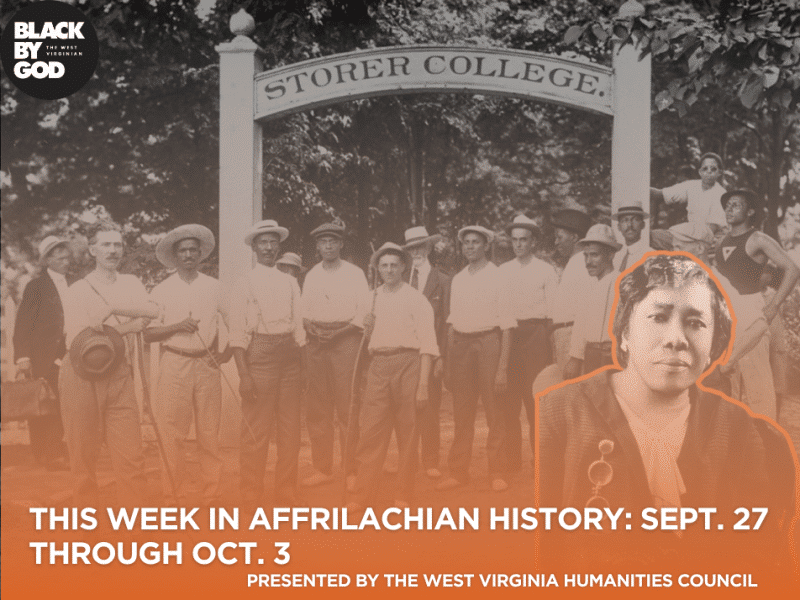
This week in Affrilachian history: Sept. 27 through Oct. 3
Discover key milestones in Affrilachian history: educator Fannie Cobb Carter’s birth and the founding of integrated Storer College in Harpers Ferry.
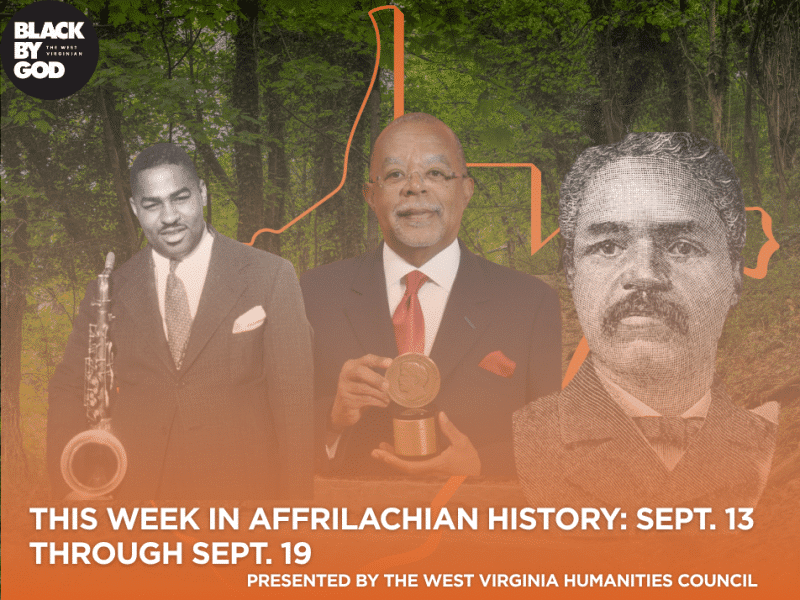
This week in Affrilachian history: Sept. 13 through Sept. 19
Discover key mid-September milestones in Affrilachian history: pioneer lawyer J. R. Clifford, jazz legend Chu Berry, and scholar Henry Louis Gates Jr.
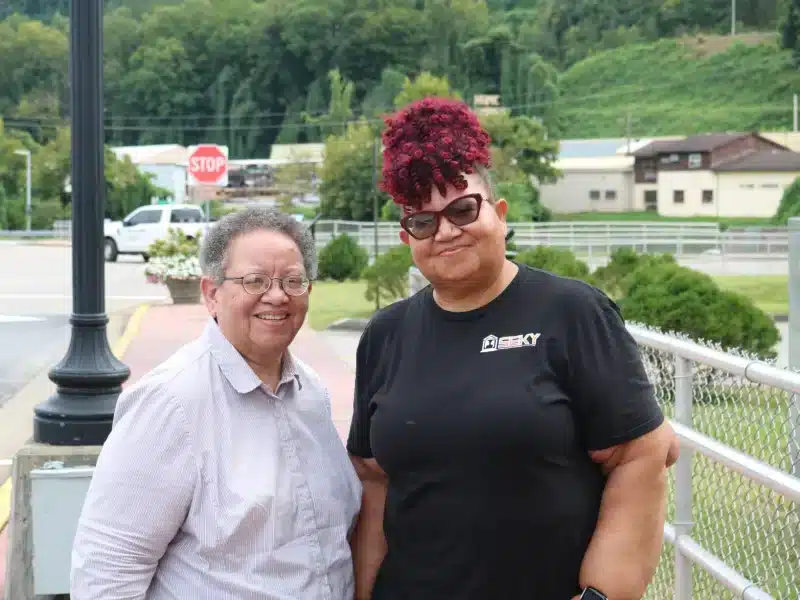
Eastern KY artists celebrate America’s 250, Black history with ‘pursuit of liberty’ quilt
The Southeast Kentucky African American Museum unveils its ‘Pursuit of Liberty’ community quilt project in Hazard, honoring Black history and Appalachian roots.