
Opinion | McDowell County Deserves More Than Studies and Drive-By Journalism
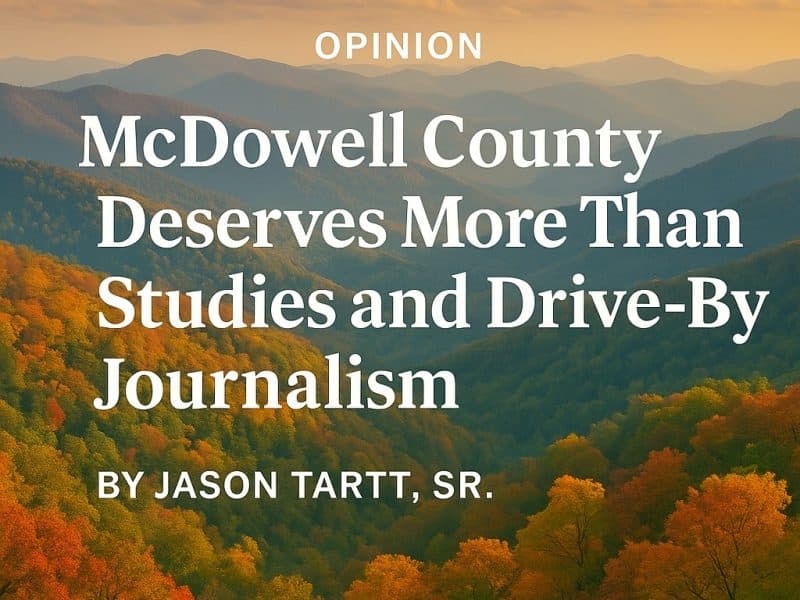
By Jason Tartt, Sr.
Since the days of the War on Poverty, McDowell County has been a backdrop for outsiders looking to tell a familiar story. Reporters, nonprofits, and academics have swooped in with cameras and clipboards, eager to document poverty and despair. They publish their findings, broadcast their images, and then move on — leaving us with the same problems and none of the solutions.
For more than half a century, this cycle has repeated: national spotlights flare up, producing pity and headlines, while the people who live here continue to drive across the border to Virginia for groceries, doctors, and basic services. The studies pile up. The stories stack up. But the clinics, jobs, and investment we need never arrive.
This is just another form of extraction. The only thing they carry away is data, photographs, and stories that fuel fundraising pitches, careers, and the same tired narrative about Appalachia. What they don’t leave behind are grocery stores, healthcare, or opportunity. This kind of storytelling thrives on pity. Nonprofits and institutions know that images of despair attract grants and donations. The more tragic the picture, the more compelling the story.
Some call it “poverty porn” — I’ll use poverty gawking not to be crass. Since the 1960s, when War on Poverty photographers descended on Appalachia to capture images of barefoot children and crumbling homes, these depictions have created a stereotype that still endures. The problem is not that suffering was documented, but that those images became the only story told, flattening entire communities into symbols of despair. And while the world has consumed our pain for generations, the people who live here continue to make long drives, face the same daily struggles, and wait for action that never comes.
McDowell County is not a case study. We are a community. Politicians at every level are aware of our challenges, have read the same reports, and have stood before the same cameras. Still, decade after decade, the neglect continues.
The truth is this: Neglect is not an accident. It’s a choice.
The cost of poverty gawking and political inaction is not measured in reports or soundbites but in families forced across state lines just to survive, in small businesses that never open because local dollars are spent elsewhere, in children who grow up believing their home is hopeless, and in a narrative that convinces the outside world not to invest because McDowell is consistently painted as tragedy, never opportunity. This isn’t just about economics. It’s about dignity, pride, and the right to be seen as more than a stereotype.
Suppose nonprofits, agencies, and politicians want to prove they are with us. In that case, the path is clear: action over analysis, investment over imagery, collaboration over extraction, and a commitment to changing the narrative so that resilience and possibility are highlighted alongside need.
I want to be clear, though — this is not a dig at every journalist or researcher. I have been interviewed many times over the years, and I am proud to be part of stories that tell the bigger picture. Lucas Smith’s new documentary, Those Who Stayed, showcases what storytelling can and should be — elevating the voices of McDowell residents who are making a difference and highlighting one of our greatest treasures, the Kimball World War I Memorial Building, the first in the nation built to honor African American veterans. That kind of work proves that not everyone comes here to exploit our struggles; some come to honor our people and our history.
The people of McDowell County have carried the weight of this country’s energy economy for generations. We deserve more than pity and pictures of our pain. We deserve the dignity of investment, the respect of partnership, and the opportunity to build a future here at home. Until the cycle of poverty gawking and drive-by journalism ends, until nonprofits and politicians move from words to action, the wealthiest country in the world will continue to abandon its poorest communities. And that, more than poverty itself, is the real shame.

In the Reimagine Rural podcast, Ryan Eller of the Appalachia Funders Network makes a point that mirrors Jason Tartt, Sr.’s critique: Appalachia has long been trapped in stories told about it rather than by it.
“For over a century and a half, there have been very intentional narrative efforts to typecast the region… Journalists would come maybe one time, meet the Hatfields and McCoys, and then just run with it. Those financing the narratives wanted access to the land. They gained a lot through broad deeds. Over time, that has a conditioning effect. These narratives prevent people from viewing Appalachia as investible.” — Ryan Eller
Eller argues that these stereotypes weren’t harmless — they were tools of exploitation. Just as Jason warns against “poverty gawking” in McDowell, Eller highlights how distorted portrayals of Appalachia discourage investment.
If you appreciate BBG's work, please support us with a contribution of whatever you can afford.
Support our stories
Author

Related Articles

David Fryson: Courageous leaders must resist anti-DEI policies (Opinion)
Former WVU VP for DEI David Fryson calls on university presidents and corporate executives to defend equity and inclusion against political attacks.
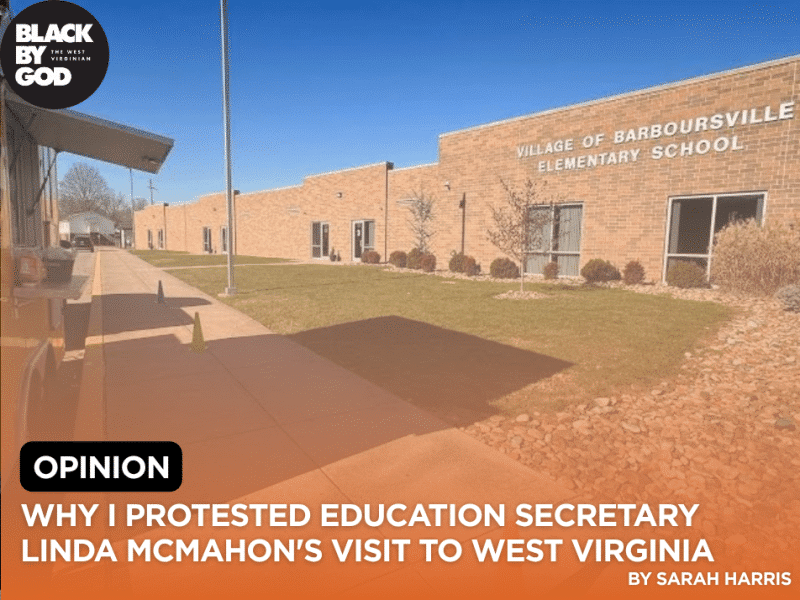
Why I protested Education Secretary Linda McMahon’s visit to West Virginia
Parent Sarah Harris responds to Education Secretary Linda McMahon’s Barboursville visit, calling for federal support for West Virginia public schools.