
Haunted by History: Why Black Appalachians Should Follow West Virginia’s Paranormal Trail
By Black By God – The West Virginian
Black Appalachians know that these mountains hold memories. Stories passed through whispers, songs, and prayer. Stories that don’t always make it into the textbooks but live in the land, the rivers, and the walls that have stood for centuries.
That’s why the new West Virginia Paranormal Trail isn’t just for ghost hunters — it’s for us. It’s a chance to travel across the state, uncovering not only haunted legends but the real histories of the people who built, worked, worshiped, and survived here.
Because sometimes, the stories that haunt us are the ones that haven’t been told yet.
We’ll bring the best from BBG right to your inbox. You can easily unsubscribe at any time.
Sign Up for our Newsletters!
Following the Spirits
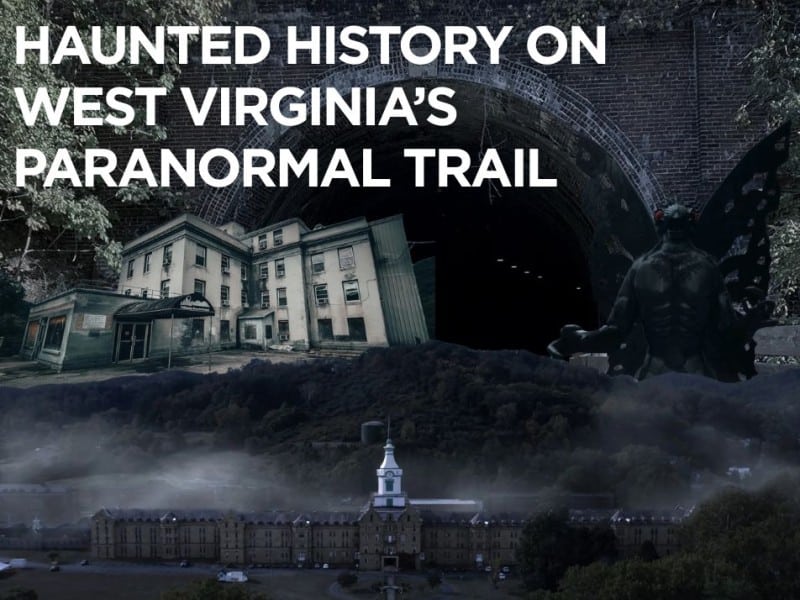
The Paranormal Trail, launched by the West Virginia Department of Tourism, includes more than 20 haunted or mysterious sites, from the towering stone walls of the West Virginia Penitentiary in Moundsville to the vast, echoing halls of the Trans-Allegheny Lunatic Asylum in Weston, and the eerie grounds of Lake Shawnee Abandoned Amusement Park near Princeton.
Each site carries both documented history and enduring folklore.
- The Trans-Allegheny Asylum operated from 1864 to 1994, a place once overcrowded with thousands of patients during the height of America’s mental health reform movement.
- The West Virginia Penitentiary, built in the 1870s and closed in 1995, witnessed nearly 100 documented executions and decades of harsh conditions.
- Lake Shawnee, long known for strange accidents and unsettling energy, sits atop older stories — Indigenous land, early settlement, and Black farming families who once worked nearby.
These are not just haunted sites. They’re spaces where Appalachian life — Black, white, and everything in between — collided with the nation’s deepest struggles around labor, race, justice, and belonging.
Ghosts of Labor and Legacy
Through a Black By God lens, the Paranormal Trail becomes something more than folklore. It’s a reflection on how we remember.
The same institutions now marketed as “haunted” once represented real suffering and social control. Black workers helped build and sustain them, even when their stories went unrecorded. Black inmates, patients, and laborers lived within their walls, often under unequal systems that treated them as invisible.
When we walk through these sites today, we’re not just chasing ghosts. We’re walking alongside our ancestors.
If you appreciate BBG's work, please support us with a contribution of whatever you can afford.
Support our stories
Related Articles
Martha’s Vineyard Honors Della Hardman Every Year. More West Virginians Should Know Her Name.
Charleston-born artist and educator Della Hardman taught at West Virginia State before building an enduring cultural legacy in Oak Bluffs.
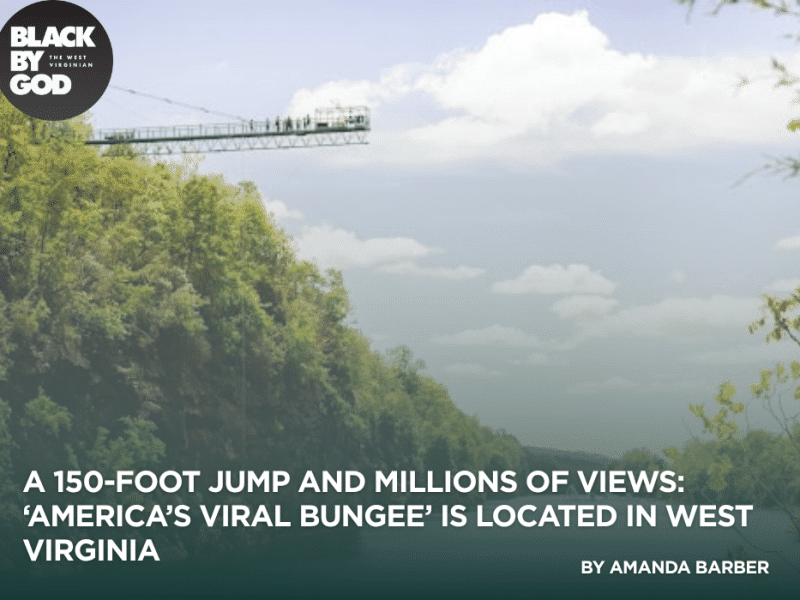
A 150-foot jump and millions of views: ‘America’s Viral Bungee’ is located in West Virginia
Dubbed ‘America’s Viral Bungee,’ The Great Bungee Company in Harpers Ferry offers a 150-foot drop that turns regional tourism into viral content creation.
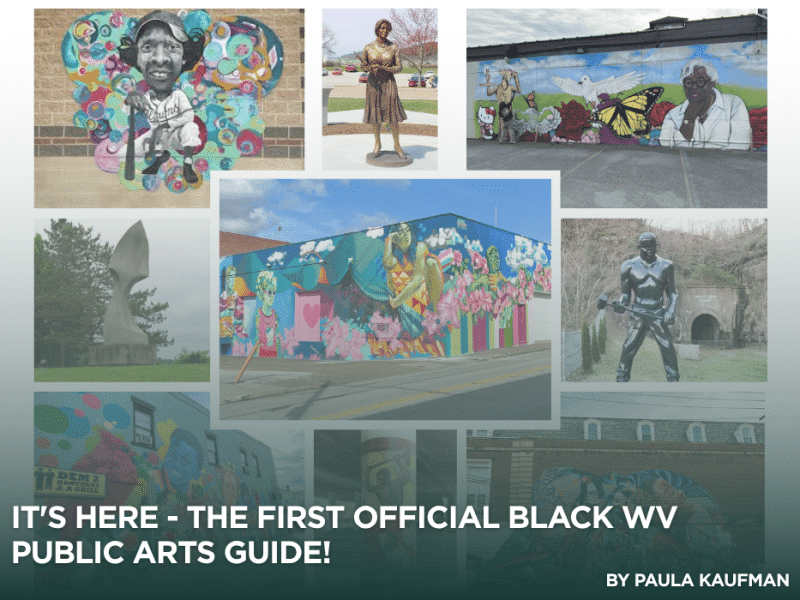
It’s Here – The First Official Black WV Public Arts Guide!
Welcome to the first official guide for Black murals, monuments and sculptures in WV. Unlike other types of art, public art is fully free. Accessible. No ticket needed. No entry fee. It is available to see any time of day and night. Of the people, for the people and often by the people. Vivacious. Colorful. Expressive. Alive.