
Black By God: People Moving the Mountains Spotlight Profile: Pam Nixon
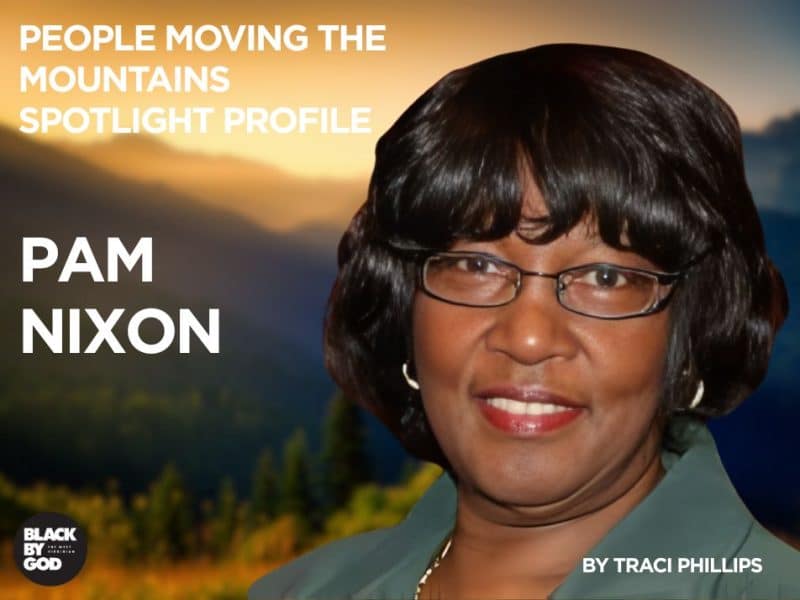
By Traci Phillips | Black By God: The West Virginian
The Woman Taking on Chemical Valley
Across the country, environmental justice is often framed as an urban issue or a response to high-profile disasters. But in West Virginia’s Kanawha Valley—long known as “Chemical Valley”—environmental risk is part of daily life. For decades, Pam Nixon has been one of the most consistent voices demanding that public safety, transparency, and accountability apply to the people living closest to chemical facilities.
Her work reflects a truth rarely centered in national conversations: rural Black communities are not only impacted by environmental harm—they are leading the fight for stronger protections. From community education to federal policy advocacy, Nixon has helped ensure that the voices of West Virginians living in the shadow of chemical plants are heard far beyond state lines.
Living with Risk and Refusing the Accept It
Nixon’s advocacy is rooted in lived experience. She has spent much of her life in the Kanawha Valley, surrounded by chemical manufacturing facilities that have shaped both the local economy and the region’s environmental reality. While these plants have provided jobs, they have also brought toxic releases, storage risks, and long-standing safety concerns for nearby neighborhoods.
Rather than treating these risks as unavoidable, Nixon became deeply involved in community organizing through People Concerned About Chemical Safety. Her work focused on helping residents understand what chemicals were present in their communities, how emergency systems worked, and where gaps in protection existed. In doing so, she helped shift residents from passive observers to informed advocates.
That local work eventually connected to national policy debates. In a published opinion calling on the U.S. Environmental Protection Agency to strengthen chemical safety protections, Nixon argued that existing regulations do not adequately protect people living near hazardous facilities. Her message was clear: public safety must be measured not only by disaster response, but by everyday prevention for the communities most exposed.
Turning Information Into Power
One of Nixon’s most significant contributions has been her ability to translate complex technical information—chemical inventories, risk management plans, air monitoring data, and emergency protocols—into language communities can use. This skill has empowered residents to participate in decisions that directly affect their health and safety.
She has also played a key role in advancing community-based air monitoring, helping residents collect and understand their own data rather than relying solely on industry-controlled information. This approach brings transparency to a region where corporate and regulatory systems have historically limited public access to critical safety details.
Nixon’s leadership extends beyond local organizing. As co-chair of the West Virginia NAACP Environmental & Climate Justice Committee, she has helped challenge the misconception that environmental racism exists only in large cities or the Deep South. Her work makes clear that it is also present in Appalachia—woven into decades of industrial development and regulatory decision-making.
Why Her Work Matters Nationally
Pam Nixon’s impact has been recognized with honors such as a lifetime achievement award from the West Virginia Citizen Action Group, but her true legacy is measured in people, not plaques. It lives in the families who are better informed, the organizers she mentored, and the next generation who have seen a Black woman lead environmental justice work in a region where such leadership is often overlooked.
Nixon challenges outdated narratives about Appalachia and about who protects the land. She demonstrates that environmental justice leadership does not always come from institutions—it often comes from communities insisting on the right to breathe clean air and live safely.
That is why Pam Nixon is a cornerstone of Black By God: People Moving the Mountains—a series honoring Black West Virginians whose work protects communities, influences policy, and expands the national understanding of Appalachia.
If you appreciate BBG's work, please support us with a contribution of whatever you can afford.
Support our stories
Related Articles
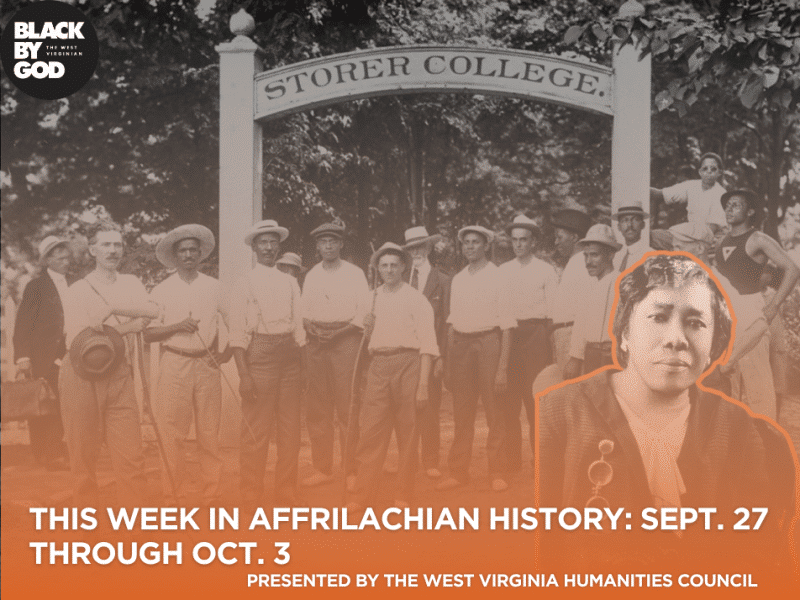
This week in Affrilachian history: Sept. 27 through Oct. 3
Discover key milestones in Affrilachian history: educator Fannie Cobb Carter’s birth and the founding of integrated Storer College in Harpers Ferry.
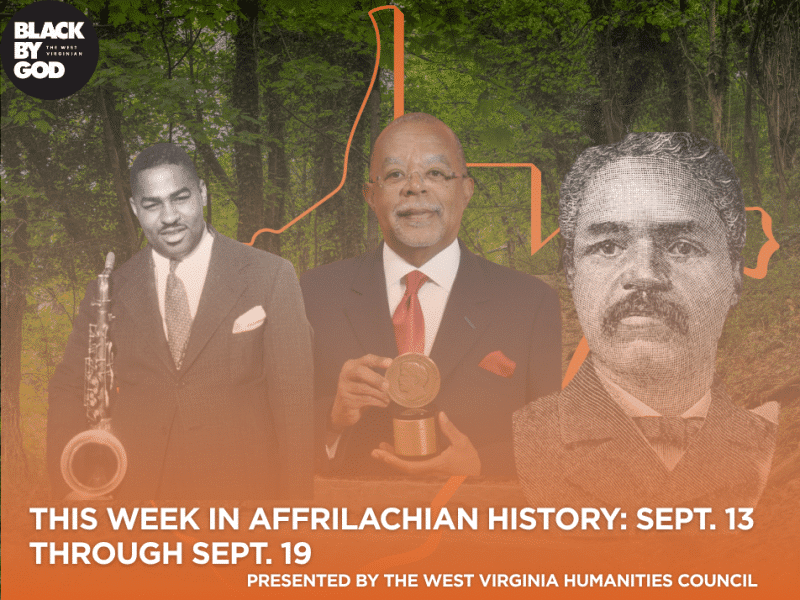
This week in Affrilachian history: Sept. 13 through Sept. 19
Discover key mid-September milestones in Affrilachian history: pioneer lawyer J. R. Clifford, jazz legend Chu Berry, and scholar Henry Louis Gates Jr.
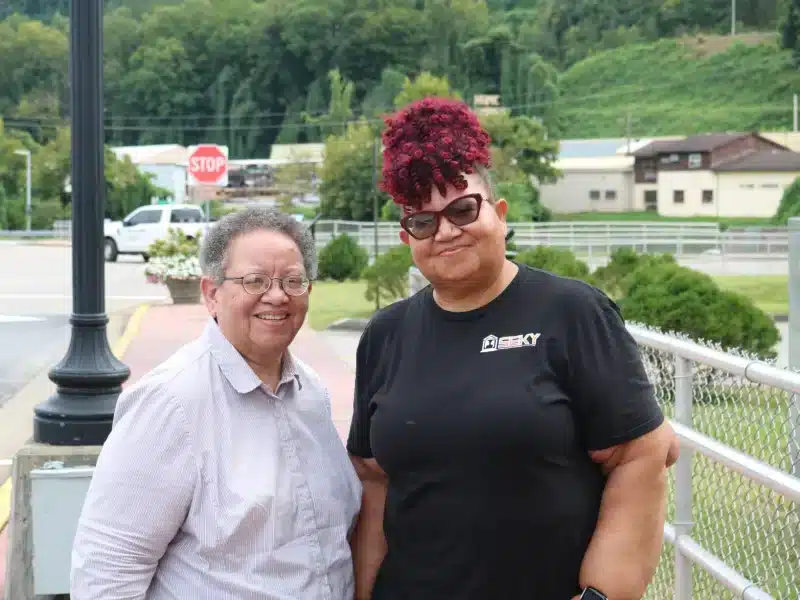
Eastern KY artists celebrate America’s 250, Black history with ‘pursuit of liberty’ quilt
The Southeast Kentucky African American Museum unveils its ‘Pursuit of Liberty’ community quilt project in Hazard, honoring Black history and Appalachian roots.