1993: My Favorite Year in Hip Hop
By: Monstalung
This article was originally published by 100 Days in Appalachia, a nonprofit, collaborative newsroom telling the complex stories of the region that deserve to be heard. Sign up for their weekly newsletter here.
This is part of 100 Days in Appalachia‘s Creators & Innovators Newsletters.
Hello,
Monstalung back with you for another week. This week, I want to tell you about my favorite year in the history of hip hop.
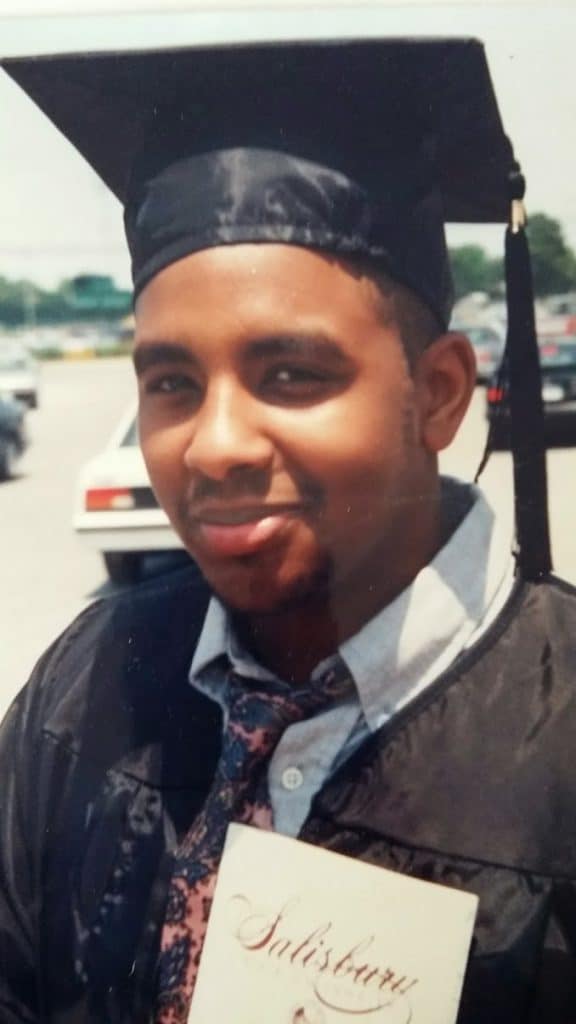
It was my last two years of NCAA DII athletic eligibility, playing basketball on a partial scholarship for Salisbury State University in Maryland. My professional athletic ambitions were destroyed after I realized I wasn’t an elite athlete; I couldn’t dominate in college as I did in high school.
I didn’t have a plan for life after I graduated. I was dealing with depression over this uncertainty. I had been training with the mindset that I was going to be a professional athlete and change the financial narrative of my family for the last seven years. I had no backup plan because having a backup plan would mean doubting my dream, even though all my elders told me to have a backup plan.
During my whole college experience, I watched hip hop grow on a national level, each year getting more popular. Even before college, my father took me and my breakdance crew to the Fresh Fest show in Pittsburgh, hip-hop’s first national tour, where I saw Run-DMC, Kurtis Blow, and Whoodini.
Still, it was the breakdancers I came to see: Uptown Express, The Dynamic Breakers, and Mag Force breakers were all on this tour. When we arrived at the show, we were not expecting what we walked into. Before the show, multiple breakdance battles were going on all over the venue, and me and my breakdance crew jumped in immediately and held our own. For a West Virginia kid to be in this arena full of B-Boys and B-Girls (breakdancers), competing and showing your best moves, and getting acknowledgment from other breakers was one of the most amazing feelings I had had so far in my young life.
As I write this newsletter I’m watching breakdancing in the Olympics for the first time. I can’t help but get a little emotional seeing how far a culture I love has come.
While in college, Run-DMC’s “Tougher Than Leather Tour” came to Marshall University. I got to see not just that group perform, but DJ Jazzy Jeff & The Fresh Prince, and a new upcoming group called Public Enemy. I remember taking mental notes of the vocal choreography displayed by Run-DMC; the craftsmanship of DJ Jazzy Jeff and Jam Master Jay on the turntables, witnessing the chemistry they had with their MCs; and the mind0blowing theater of organized chaos with Public Enemy.
There was a young Chuck D demanding revolution. Flavor Flav hyping the crowd. The S1W’s, Security of the First World, lead by Professor Griff displaying optics of Black militant force tired of a system holding Black people down and orchestrated beats by DJ Terminator X, had an impact on me.
Seeing Run (of Run-DMC) was critical in the development of my sense of belongingness and being a member of the hip-hop community. It affirmed for me how I wanted to be perceived.
By the time I got to Salisbury University, “Yo! MTV Raps” & BET’s “Rap City” aired daily, and the popularity of hip hop went nuclear. I went from being a weirdo who wore hip-hop clothes that none of my peers understood to being the cool kid in school. (I saw the punk kids going through the same thing; a few years earlier they were considered weirdos too, but now we were cool kids.)
I took my breakdancing very seriously but did not see any career path in that. Though I occasionally performed Whoodini cover routines with a friend of at some house parties earlier in my collegiate career, I never considered myself a rapper. Though the music production in hiphop called to me, and I had ideas for beats, I had no clue how to actually make a beat.
Salisbury was very close to the University of Maryland Eastern Shore, a historically Black college known for having amazing parties and concerts. I spent a lot of time on that campus, and it’s where I first saw KRS-One, at that time my hip hop hero, perform.
Influenced by what I saw at the University of Maryland Eastern Shore and out of my love for hip hop, I started promoting parties around college – but not for profit, just for more people to hear hip hop music and for me and my breakdancing partner, Jay Boogie to do our dance routine.
At one of my parties, a young high school kid came up to me and introduced himself as DJ ProFaze. He said if I needed a DJ for my parties, he would be down to do it. Up until then I was just playing mixtapes off a cassette, so a real DJ would be nice, I thought.
And it was. My parties started to grow.
One day, I went to visit ProFaze at his house. His room was like a mad scientist’s lab, full of music equipment and vinyl records. Came to find out ProFaze makes beats also.
At that life-changing moment, I finally found a mentor for how to make music. Me and ProFaze would go do parties and performances, making music for the next couple of years while in Salisbury.
The nail-in-the-coffin moment that would make me commit to making music for the rest of my life was when me and ProFaze and some friends were driving around Salisbury listening to “People’s Instinctive Travels and the Path of Rhythms,” the debut album by this new group called A Tribe Called Quest, the album. I know this will sound sappy, but I cried, not because of how good it was, but because I wanted to create music like that.
That moment, I committed to making music forever.
After graduating from Salisbury, I moved to Prince George’s County, Maryland, where I started working in retail management and prepared for the birth of my son. I rented studio time from a recording facility in northwest DC called Renegade Studios, run by the legendary Mike Hughes of the popular GO-GO Band AM/FM.
I told Mike “I want you to teach me how to make beats, not to just do it for me, and I will pay extra if I have to.” I could tell Mike liked that, and a strong friendship was built from going to his studio and making music.
After a couple of years of making beats in the studio, I was ready to purchase my own equipment and make music at home. It was 1993, and another studio I worked at was selling a Roland S550 Rack Mount Digital Music Sampler, with a Commodore 64 Steinberg 16-track Music Sequencer to capture, trigger, and track music samples.
It changed how I made music. Before getting this equipment, I would take vinyl records, find the sample I like, and make pause tape loops of the samples on cassette tapes – a very tedious process that took hours. With this new equipment, I could take my time, and experiment.
I was working with a lot of local artists at the time, so those artists started coming to the house to work on songs or just vibe. I was also working at Sam Goody at this time, and every Tuesday was National New Music Release Day. So, every Tuesday after work my crew would meet up at my apartment in Oxon Hill Village, the same apartments the legendary GO-GO artist Chuck Brown lived at (he would park his white limousine in our same parking lot), and listen to the new hip hop albums that came out that day. My son would be at these sessions, barely walking, but it makes sense as an adult he now collects classic hip hop vinyl as a hobby.
This is the beginning of my music making journey in 1993: Making beats at home, creating my personal hip-hop community, influenced and fuelled by albums that came out that year, such as A Tribe Called Quest’s “Midnight Marauders,” WUTANG’s “Enter the 36 Chambers,” Snoop Dog’s “Doggystyle,” Black Moon’s “Enta da Stage,” KRS-ONE’s “Return of the Boom Bap,” Cypress Hill’s “Black Sunday,” De La Soul’s “Buhloone Mindstate,” Souls of Mischief’s “93 ‘til Infinity,” and so many more.
That’s why 1993 is my favorite year in hip hop.
-Monstalung
If you appreciate BBG's work, please support us with a contribution of whatever you can afford.
Support our stories
Related Articles
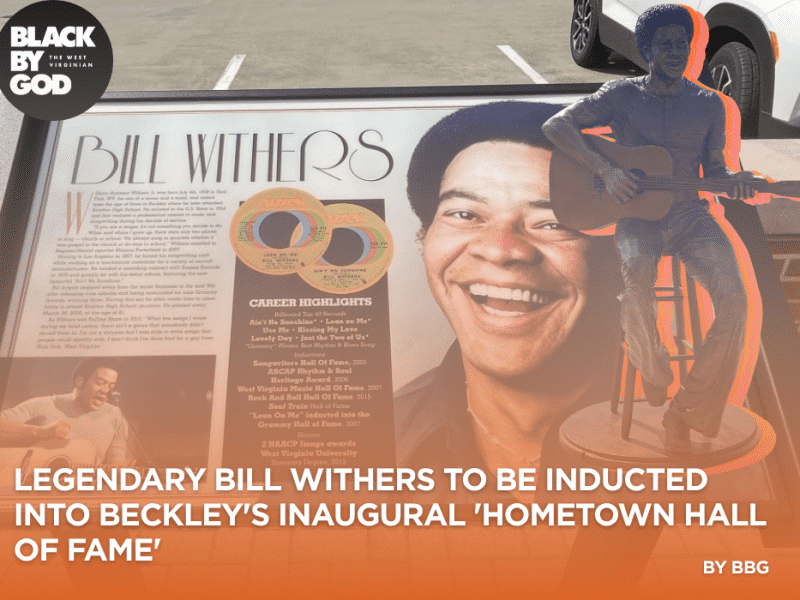
Legendary Bill Withers to be inducted into Beckley’s inaugural ‘Hometown Hall of Fame’
Beckley honors music icons Bill Withers, Hazel Dickens, and more at the inaugural Hometown Hall of Fame event on Aug 1 at Word Park. Live music, art, and food trucks.
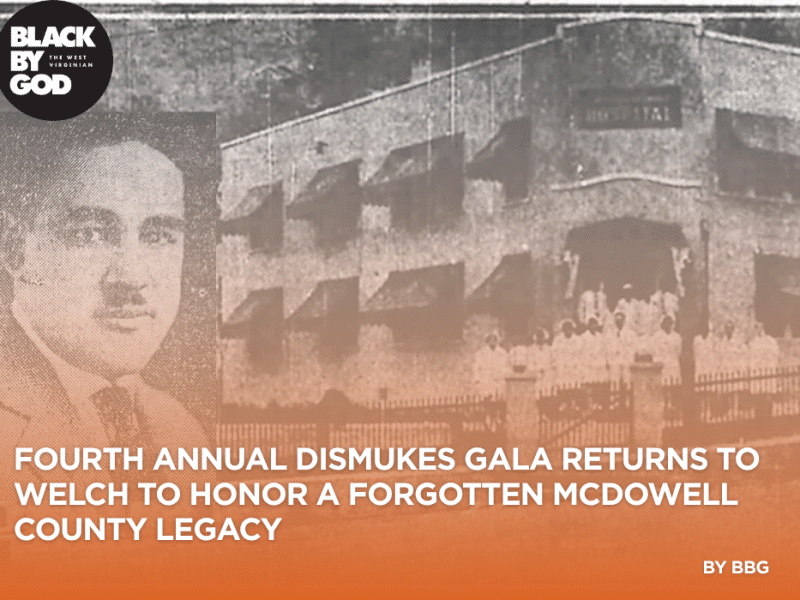
Fourth Annual Dismukes Gala Returns to Welch to Honor a Forgotten McDowell County Legacy
Nearly a century after Dr. Henry Dodford Dismukes opened the largest privately owned Black hospital in the country in Kimball, West Virginia, the community he served is coming together again to make sure his story — and the building that held it — isn’t lost to history.