
Feeding Our Future: Advocating for West Virginia’s Black Farmers Through Farm Bill Reforms
It’s time for West Virginia to unite, ensuring the Farm Bill feeds our bodies and nourishes our collective future.
The food insecurity rate in West Virginia lingers around 14%. We confront a national issue at the core of our communities. As the Founder of Black By God, I am compelled to spotlight the pivotal role of the Farm Bill in addressing this crisis, especially as it pertains to our Black farmers and the broader agricultural landscape of our beloved Mountain State.
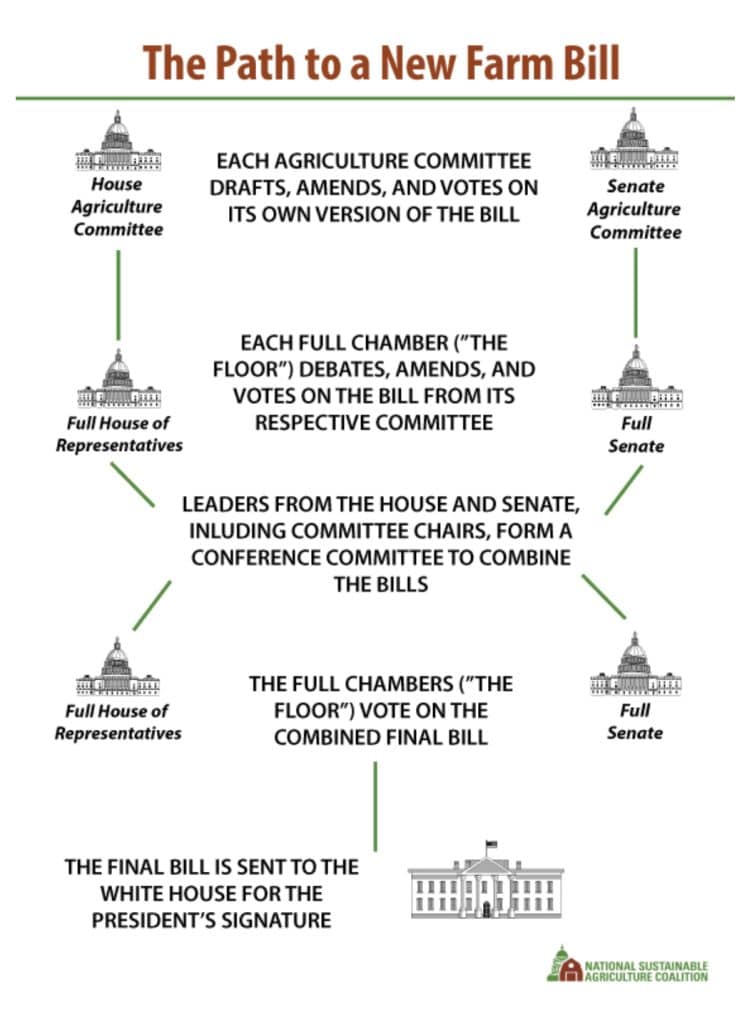
The Farm Bill, a legislative behemoth revised every five years, is more than just policy; it’s a lifeline for our farmers and a blueprint for food accessibility. This bill dictates agricultural practices and determines the sustenance of programs like SNAP, which is vital for many West Virginians. But let’s delve deeper – into the soil of our state, into the lives of our Black farmers who, with only 31 of 23,622 farms being Black-owned or operated in West Virginia, face a glaring underrepresentation.
Jason Tartt, a Black farmer in McDowell County, embodies the resilience and potential of our agricultural community. His mission transcends mere farming; it’s about cultivating hope and nurturing a new generation of Black farmers. Tartt exemplifies how repurposing unconventional spaces can lead to agricultural productivity through initiatives like the Veterans & Heroes to Agriculture program and collaboration with the West Virginia State University Extension Service.
As we stand at the crossroads of renewing the Farm Bill, it’s imperative that our voices reach the halls of Congress. We must advocate for a Farm Bill that champions nutrition security, fairness in SNAP, and sustainable food systems. These reforms are not just policy changes; they are essential steps to ensure no West Virginian, regardless of color, faces the pangs of hunger.
We’ll bring the best from BBG right to your inbox. You can easily unsubscribe at any time.
Sign Up for our Newsletters!
Let’s remember the recent strides in the West Virginia Legislature with Senate Bills 292 and 162, aimed at combating food insecurity. However, juxtaposed against these progressive steps are debates over unnecessary measures like photo IDs on SNAP cards, which risk overshadowing the true potential of the federal Farm Bill as a game-changer in our fight against hunger.
In a state rich in agricultural resources, it’s paradoxical that our educational institutions become battlegrounds against hunger. This is where the Farm Bill can genuinely make a difference. By focusing on federal policies that effectively address hunger and poverty, we can shape a future free from food insecurity.
The Farm Bill’s impact is far-reaching, influencing everything from what crops we grow to the sustainability of our farming practices. It’s time for West Virginia to unite, ensuring the Farm Bill feeds our bodies and nourishes our collective future.
If you appreciate BBG's work, please support us with a contribution of whatever you can afford.
Support our stories
Author

Related Articles


Mama’s Meatloaf
From a 2025 Appalachian Foodways Practitioner Fellowship winner, a family dish with a reputation!