
Rooted in the Soil: NRCS Chief Terry Cosby’s Vision for West Virginia Agriculture

By: Crystal Good
BBG had the opportunity to sit down with Terry Cosby, Chief of the Natural Resources Conservation Service (NRCS), during his recent visit to West Virginia. A man deeply connected to the “salt of the earth” values, Cosby brings over four decades of agricultural experience, embodying hard work, resilience, and a strong bond with the land.
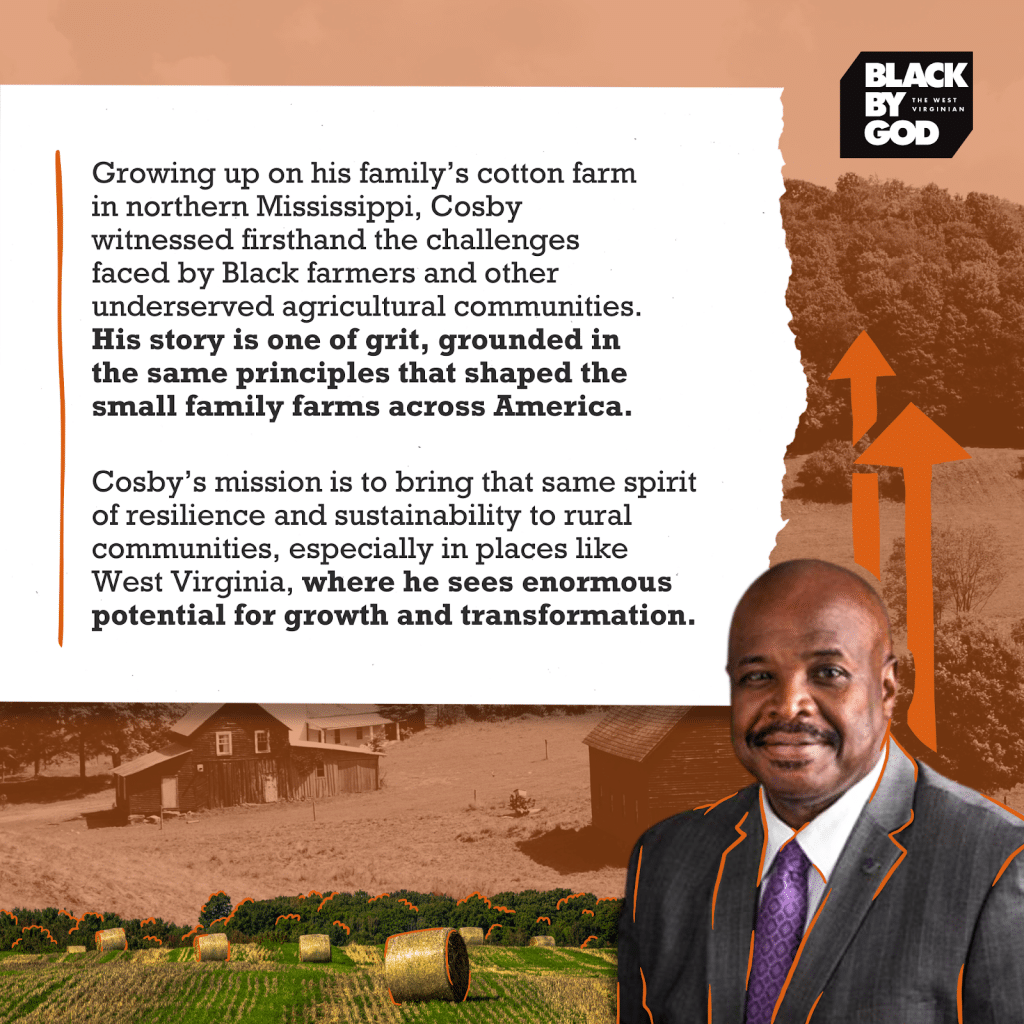
Raised on his family’s cotton farm in northern Mississippi, Cosby saw firsthand the challenges Black farmers and other underserved agricultural communities face. His leadership is shaped by the grit and determination found in small family farms, the heart of American agriculture.
Now, as NRCS Chief, Cosby brings that same spirit to his work, aiming to strengthen resilience and sustainability in rural communities like West Virginia, where he sees tremendous potential for growth and transformation.
We’ll bring the best from BBG right to your inbox. You can easily unsubscribe at any time.
Sign Up for our Newsletters!
Personal Roots in Agriculture: A Legacy of Strength and Perseverance
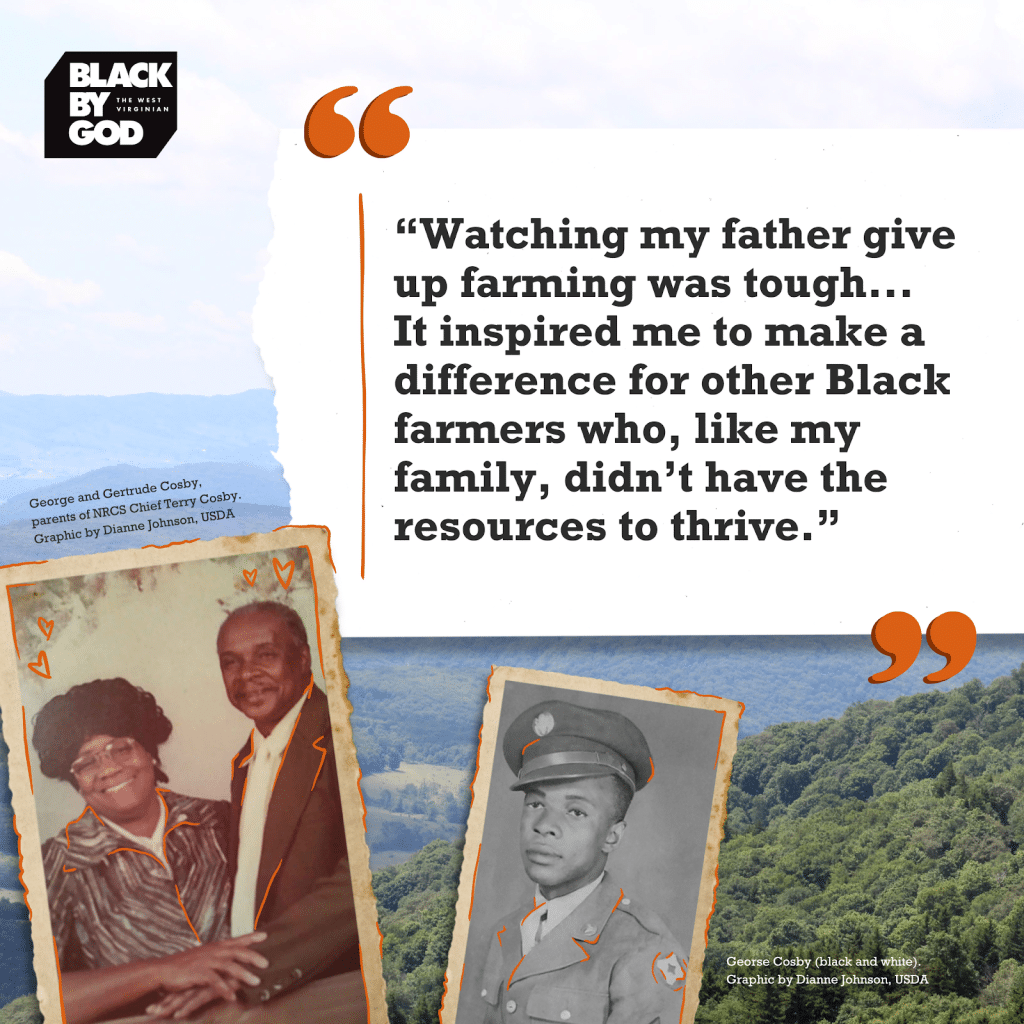
Chief Cosby’s connection to agriculture is deeply personal. His great-great-grandfather, who was brought to Mississippi as an enslaved man, began the family’s farming legacy, which continues to influence Cosby’s approach to leading NRCS. “Our journey started with farming,” Cosby shared. “My family has been on this land for four generations, and we’ve never had to work for anyone else. That was unheard of for Black landowners in our neighborhood because most were sharecroppers.”
However, farming in the 1970s was not without its difficulties. Cosby reflected on his father’s struggles to keep the family farm afloat. “Watching my father give up farming was tough,” he said. “It inspired me to make a difference for other Black farmers who, like my family, didn’t have the resources to thrive.”
Beyond these struggles, Cosby attended segregated schools as a child before being integrated into white schools—an experience that remains a recent memory, reminding him of the modern reality of equity and justice. “I was in third grade when I had to leave my Black school and go to the white school,” he recalled. “My children don’t realize that I lived through this; it’s not distant history—it’s part of the fight for equity in farming and beyond.”
At just 17, Cosby began his career with the USDA as an intern in Iowa, working his way up to leadership roles in multiple states. He gained valuable experience addressing the agricultural challenges of diverse communities and ensuring that underserved farmers had access to necessary resources.
Building Trust and Expanding Conservation in West Virginia
Cosby’s recent visit to West Virginia was part of his mission to build trust and strengthen relationships with local farmers. “West Virginia has so much potential, but it’s all about building relationships and trust,” he explained. He emphasized the importance of empowering local leaders like State Conservationist John Bolton to guide conservation efforts tailored to the state’s unique needs. “Giving rights and privileges back to state conservationists allows for more tailored and effective conservation efforts,” Cosby noted. “Helping small farmers access the support they need is crucial for us to make the biggest impact.”
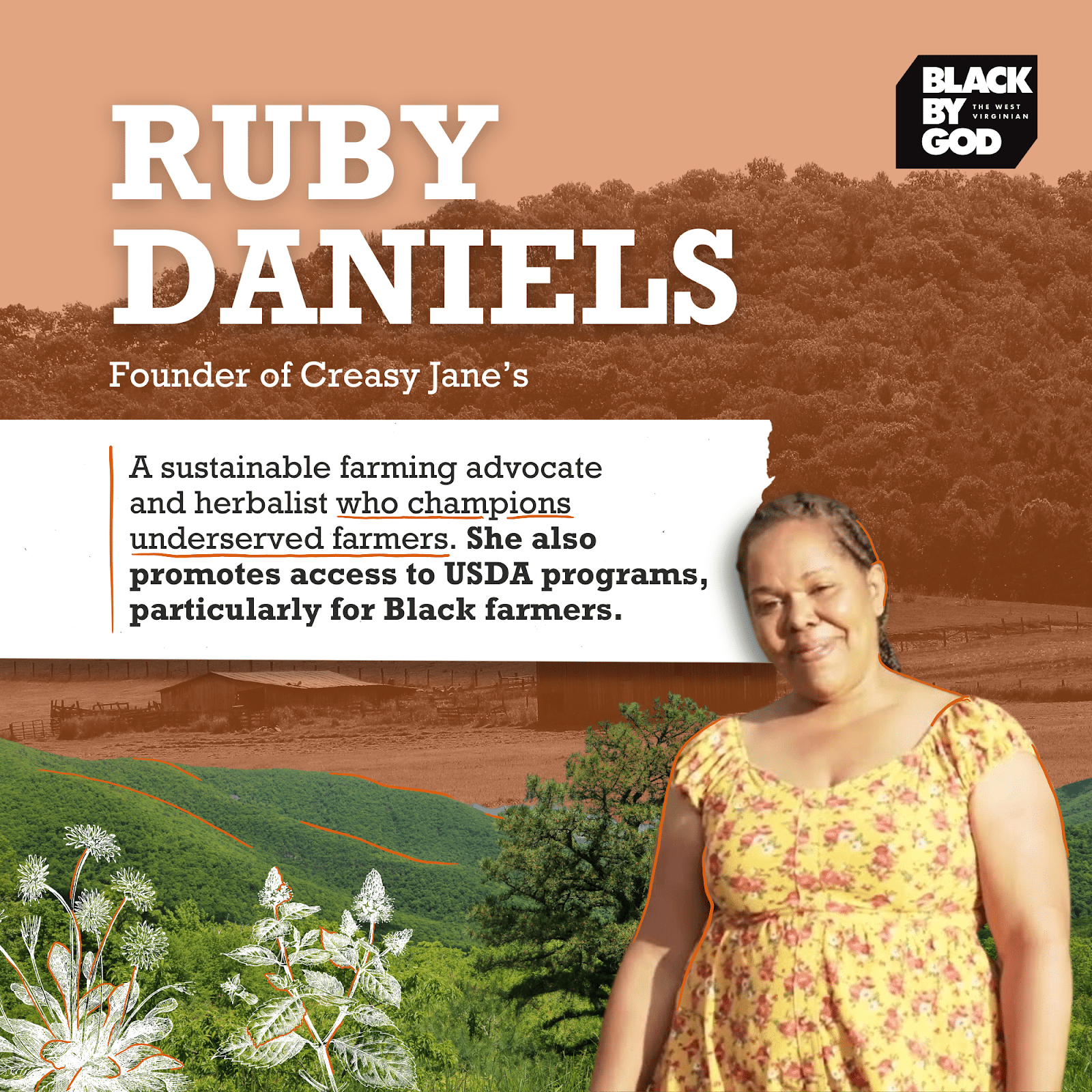
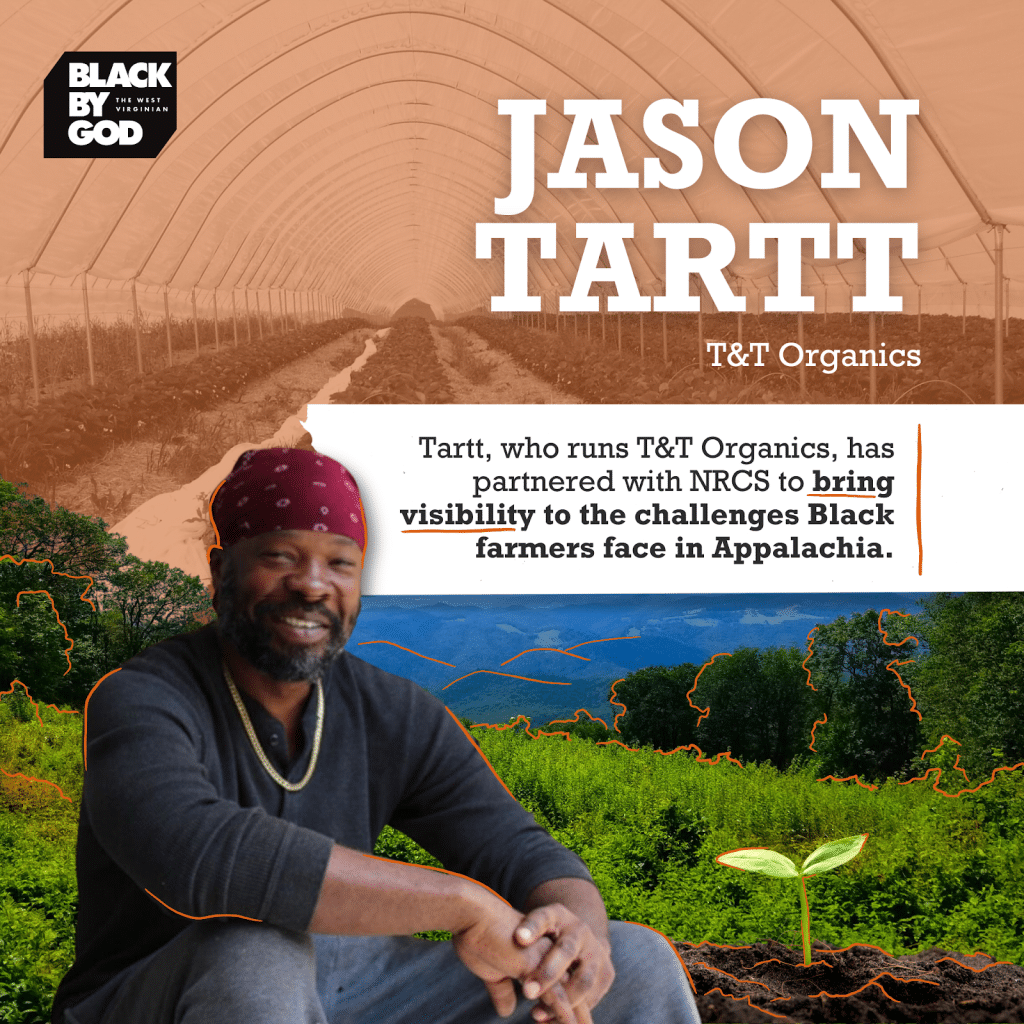
Cosby’s vision for West Virginia aligns with the work of local agricultural advocates like Ruby Daniels and Jason Tartt. Daniels, founder of Creasy Jane’s, is a sustainable farming advocate and herbalist who champions underserved farmers. She also promotes access to USDA programs, particularly for Black farmers. Tartt, who runs T&T Organics, has partnered with NRCS to bring visibility to the challenges Black farmers face in Appalachia. In August, during a special Farm Field Day sponsored by the Black Farmers Index, Tartt’s farm hosted six farmers, including Daniels, and welcomed over 100 attendees. The event showcased sustainable agricultural practices, including mountain farming and certified organic methods, highlighting a revival of Black agriculture in the region.
Expanding NRCS’s Reach and Tackling Climate Change
Under Cosby’s leadership, NRCS has expanded its reach to underserved communities, including Black farmers, low-income farmers, military veterans, and new farmers. The USDA’s recent $70 million investment in partnerships aims to improve outreach and ensure that communities traditionally left out of federal programs can access conservation assistance. “This is the biggest investment we’ve made since I started working with NRCS 42 years ago,” Cosby explained. “We want to ensure that anyone who wants to participate in these programs has the opportunity to do so.”
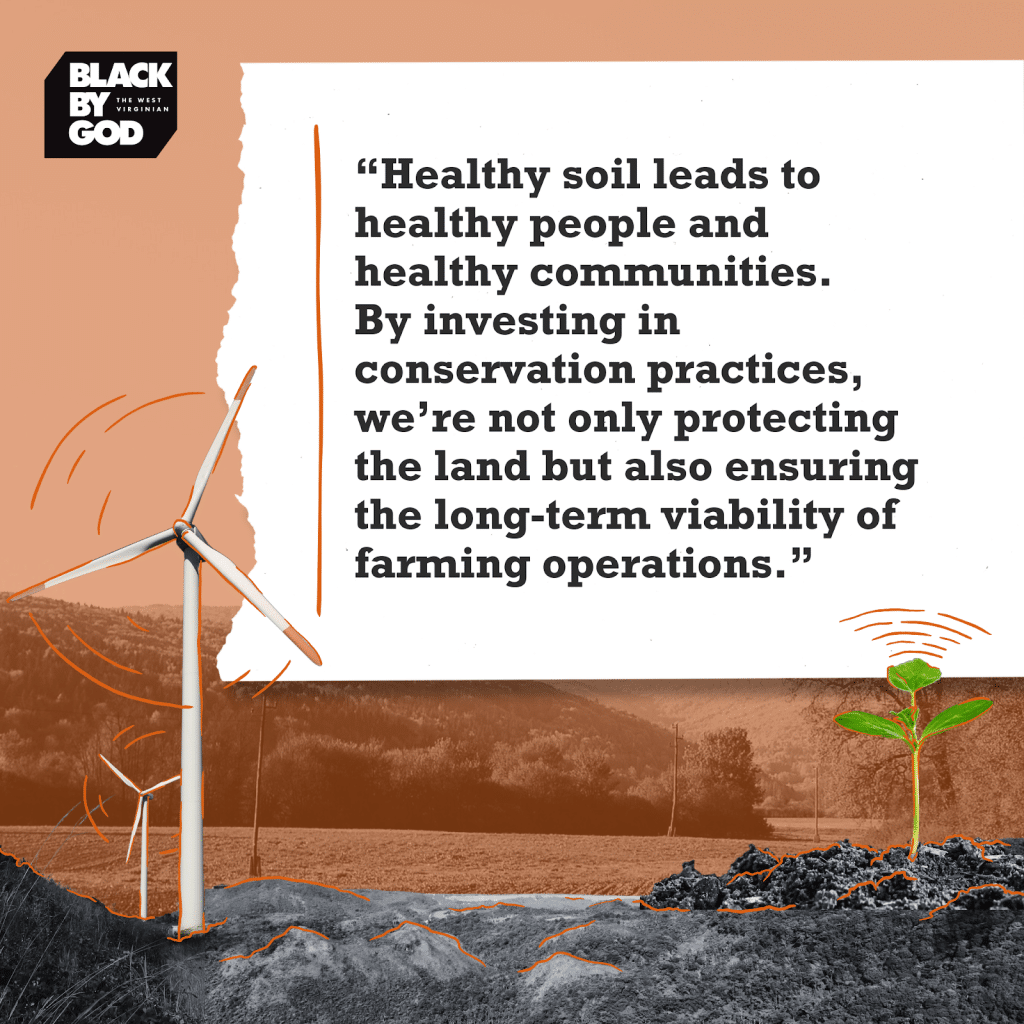
NRCS is collaborating with 139 projects nationwide to provide resources that promote conservation, support community partnerships, and expand opportunities for small-scale and urban farmers. “We’re working to show farmers how our programs can help them stay on the land, manage their resources, and build sustainable operations,” Cosby added. Climate change is also a critical issue for the agricultural community, and NRCS is playing a vital role in helping farmers adapt. “We’re seeing the effects of changing weather patterns, erosion, and pollution, and NRCS plays a key role in helping farmers address these issues,” Cosby said. “Healthy soil leads to healthy people and healthy communities. By investing in conservation practices, we’re not only protecting the land but also ensuring the long-term viability of farming operations.”
Read Reconnecting to Appalachian Roots: A Lifeline for Black Communities Facing Climate Change
If you appreciate BBG's work, please support us with a contribution of whatever you can afford.
Support our stories
Author

Related Articles


Mama’s Meatloaf
From a 2025 Appalachian Foodways Practitioner Fellowship winner, a family dish with a reputation!