
The Land We Inherit: Power, Policy & Possibility in West Virginia
Part 1: The Landlocked Truth — What You Need to Know About West Virginia’s Access Laws
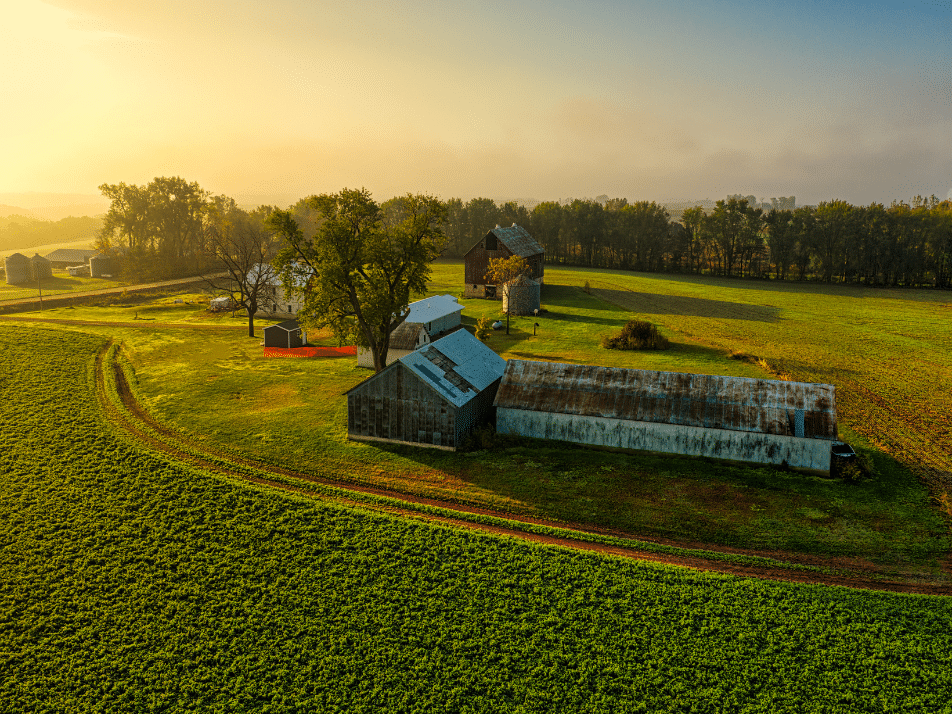
For many families in West Virginia, owning land does not always mean being able to use it.
Across rural communities — particularly among Black landowners and families with heirs’ property — land exists that has no clear, legal access to a public road. These landlocked properties cannot be easily farmed, developed, financed, or insured. In some cases, owners cannot legally reach their own land without crossing someone else’s property.
Nationally, the stakes are well documented. Black farmers owned an estimated 16 million acres of farmland in 1910. By 2017, that number had fallen to approximately 2.9 million acres, representing less than one percent of U.S. farmland. The U.S. Department of Agriculture has identified heirs’ property — land passed down without a will or clear title — as the leading cause of Black involuntary land loss nationwide.
We’ll bring the best from BBG right to your inbox. You can easily unsubscribe at any time.
Sign Up for our Newsletters!
In West Virginia, heirs’ property issues are often compounded by geography. When land is divided informally across generations, historic access paths are not written into deeds, or surveys are incomplete, families may hold land in name but lack legal access in practice.
A property is considered landlocked when it has no documented right-of-way or easement connecting it to a public road. Long-term use of a path or driveway does not automatically make that access legal. Without proper documentation, families may face disputes, limited land use, or loss of value over time.
West Virginia law does provide pathways to establish access, but they are often confusing and costly. These may include negotiated easements, court-ordered easements by necessity, or prescriptive rights based on long-term, open use. Each option requires evidence, documentation, and often legal guidance.
As land values rise and development pressure increases, families with unclear access or title are more vulnerable — not because they want to sell, but because unresolved legal barriers weaken their ability to protect what they already own.
This series begins with a simple truth: land ownership alone is not enough. Access and documentation determine whether land becomes a foundation for generational stability or a silent liability.
Because land isn’t just inherited.
It has to be protected.
Land Access Reality Check: A Plain-Language Checklist
If your family owns land in West Virginia, ask these questions:
- Does your deed show legal access to a public road?
- Is there a written easement recorded with the county clerk?
- Has access only been based on verbal permission or long-term use?
- Is the land shared by multiple heirs with no clear title or will?
- Can emergency vehicles, equipment, or utilities legally reach the property?
- Have neighboring properties changed ownership in recent years?
- Has the land ever been surveyed with access clearly marked?
- Do you have copies of all deeds, plats, and tax records?
If you answered “no” or “not sure” to more than one question, your land may be at risk.
If you appreciate BBG's work, please support us with a contribution of whatever you can afford.
Support our stories
Related Articles


Mama’s Meatloaf
From a 2025 Appalachian Foodways Practitioner Fellowship winner, a family dish with a reputation!