Who Is Ibrahim Traoré? Deepfakes, Disinformation, and What Appalachia Can Learn
A viral speech from President Ibrahim Traoré turned out to be fake—but the longing it stirred for real leadership was very real. In this essay, I travel from Appalachia to West Africa to explore what’s true, what’s manipulated, and what we can learn from farmers, journalists, and freedom fighters building systems rooted in land and legacy. From Blair Mountain to Burkina Faso, this is about who owns the land, who tells the story—and who feeds the people.
Watch the viral “UN speech” deepfake
Meet the real President Ibrahim Traoré
Buy the “Feed the PPL” T-shirt
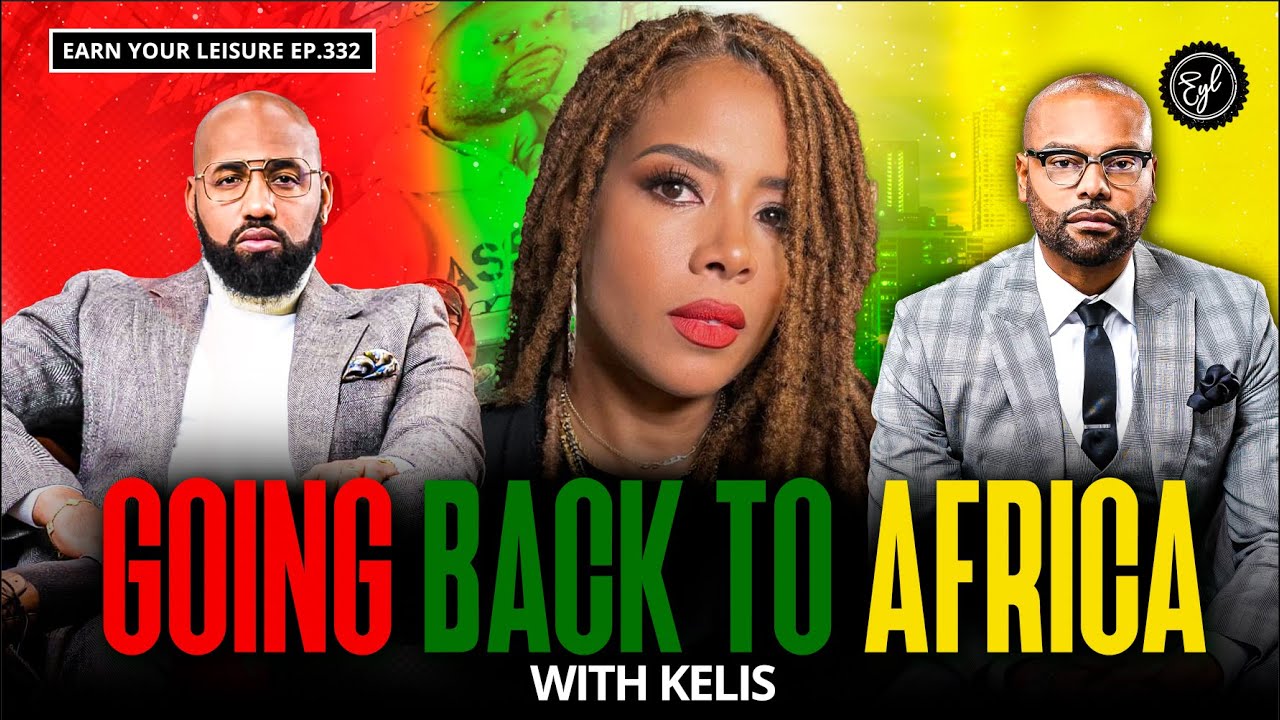
Watch Kelis speak on “Feed the PPL”
I’m getting ready for another trip to Africa.
The timing isn’t ideal. I hit a deer. BBG funding is in flux. But I’m still going—because this trip isn’t about convenience. It’s about legacy. It’s about honoring the ancestors by stepping into something I’ve felt pulling me for years.
We’ll bring the best from BBG right to your inbox. You can easily unsubscribe at any time.
Sign Up for our Newsletters!
And these days, that legacy sounds a lot like President Ibrahim Traoré of Burkina Faso.
A few weeks ago, a viral video showed Traoré giving what looked like a powerful speech at the United Nations. In it, he demands respect, control over African resources, and an end to exploitative partnerships. The speech felt bold and necessary.
But it wasn’t real.
It was a deepfake—an AI-generated fabrication. The speech never happened, yet it resonated deeply. That tells you something: there is a longing for authentic leadership.
I want to see what’s happening in West Africa—not just in headlines or soundbites, but in conversations with the people. I want to know who Traoré is—not the myth, not the meme, but the man. And more importantly, I want to know how the people of West Africa see him.
Black By God: The West Virginian has been operating in Ghana through BBG Ghana since 2023, building relationships across continents. We’ve seen firsthand how disinformation travels fast and unchecked. That’s why we’re committed to helping people in Appalachia and beyond recognize deepfakes, distortions, and the manipulation of truth.
This trip is part of that work.
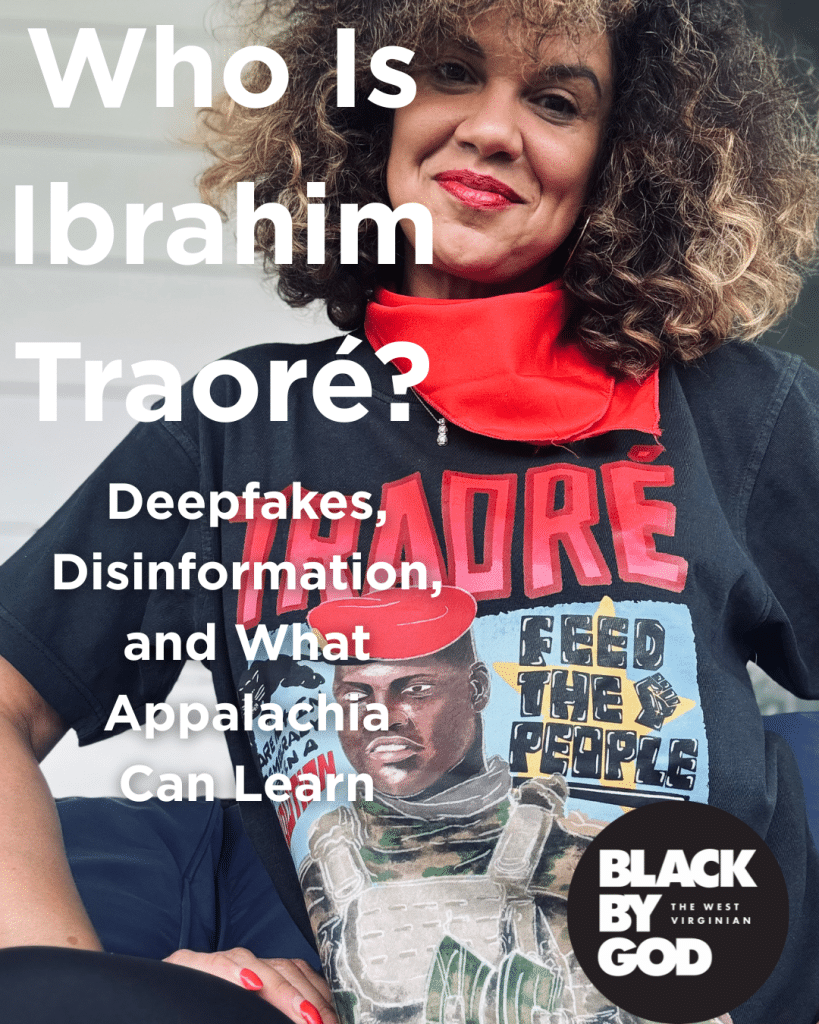
That’s why I’m wearing a Feed the PPL T-shirt featuring President Traoré.
Proceeds support school meals in Nairobi and housing for orphans in East Africa.
And I wear it because I trust Kelis.
Yes—that Kelis. I’ve been a fan since Milkshake, but it’s her work as a farmer that inspires me now. She’s reclaiming land, growing food, launching natural skin and hair products, and designing overalls I’ve been waiting to come back in stock.
“I made this t-shirt. I’ve been watching this guy, Ibrahim Traoré. I think everything he’s doing is smart, powerful, and amazing. I’m so obsessed with all of the African leaders that are starting to stand up and take a stand and take their countries back.”
—Kelis on Instagram
Kelis now owns 150 acres in Kenya. She’s building a farm and wellness retreat, hiring locally, raising her children in community. She’s not talking about revolution—she’s planting it.
So is Jason Tartt, right here in McDowell County, West Virginia.
His mountain free range chicken operation connects Appalachian agriculture to West Africa—literally. Jason is managing a free range poultry operations in Ghana. His model, in America along with the nonprofit EDGE he co-founded, link land stewardship, entrepreneurship, and farmer training, with a focus on the people West Virginia has historically left behind—that’s most of us in southern West Virginia.
Jason’s chicken coops run from the hollers to the hills of West Virginia to the flatlands of Ghana. It’s not theoretical. It’s happening. I’ve seen it with my own eyes.
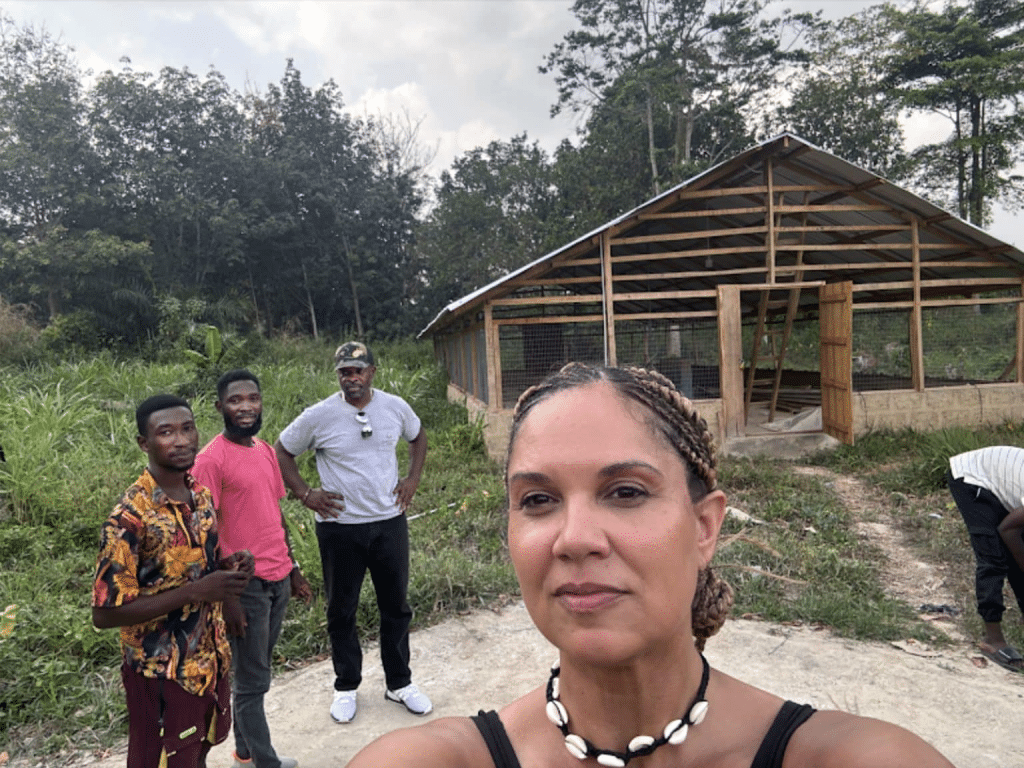
Farmer Jason Tartt with his T&T Organics Africa team and me in 2024, standing at the foundation of his free-range poultry farm in Ghana. What’s happening here is not a deepfake. It’s real and revolutionary. From the mountains of McDowell County to the fields of West Africa, Tartt is building food systems that stretch across oceans.
Meanwhile, farmers in President Traoré’s Burkina Faso are facing some of the harshest conditions on Earth. Drought, land degradation, and conflict have displaced millions. But smallholder farmers—especially women—are reclaiming fields once declared barren. Solar-powered irrigation and half-moon water catchments are helping them grow millet, tomatoes, onions, and cassava, even in the dry season.
More than 80% of Burkina Faso’s 22 million people rely on agriculture. And the World Bank says that by 2050, the single best investment for the country will be expanding irrigation. That’s survival.
And it’s the same truth being lived out by farmers like Jason and Kelis.
When I travel, I carry a red bandana—a symbol from Blair Mountain, where in 1921, coal miners—Black, white, and immigrant—rose up together to demand dignity. That red bandana means something where I’m from. It reminds me to ask better questions. To think about who gets forgotten. Whose stories go untold. And how history keeps showing up in the present.
At Black By God, we’re doing our part. We’ve held tech literacy trainings for elders, maintained our BBG Tech page, and trained everyday folks through our Folk Reporters Program to tell their own stories and spot what’s false. Because disinformation isn’t just about elections or fake videos. It’s about power—who holds it, who shapes the narrative, and who benefits when we don’t know what to believe.
So yes, the viral speech was fake.
But the conditions it spoke to?
Very real.
I want to see how people are reclaiming power in Burkina Faso. I want to understand how Africa’s political awakening—led by leaders like Traoré—can inform Appalachia’s future.
Because from West Virginia to West Africa, I see the same questions:
Who owns the land?
Who tells the story?
How do we recognize disinformation?
And where do we find real sustenance?
That’s where authentic journalism comes in—asking better questions, telling the truth, and holding power to account.
And that’s what so many Black farmers are already doing—growing food, growing community, and reminding us that building our own food system is a radical act of freedom.
Feed the PPL. Check your sources.
Read BBG’s How To Spot A Deepfake
If you appreciate BBG's work, please support us with a contribution of whatever you can afford.
Support our stories
Author