
Juneteenth — a Time to Celebrate Our Freedom and Navigate Our Economic Future
For the Tuesday Morning Group
After the first Juneteenth celebration in Galveston, Texas, on June 19, 1865, the newly freed slaves immediately confronted a dilemma. They had to pivot away from the celebration to face the harsh realities of the new responsibilities and burdens of freedom. What would they do, where would they go, and how would they manage this new freedom? How would they survive economically? The newly freed slaves were at a critical crossroads and their survival hung on the fragile thread of their ingenuity to navigate their way through the post-Civil War Economy. Similarly African Americans in West Virginia today are at a critical crossroads and the future survival of our families, children, and communities hangs by the fragile thread of our ability to navigate our way through the post-COVID-19 pandemic economy.
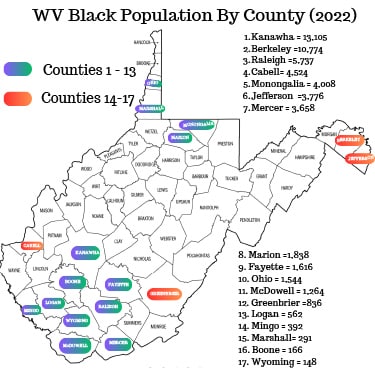
It behooves us as African Americans in West Virginia to use the Juneteenth observance as an occasion to not merely celebrate our freedom but to also come together, work together, find common ground to together, develop a plan together, and plot and chart a course for a prosperous economic future for African Americans in West Virginia. It is wonderful to celebrate Juneteenth with a festival. However; a celebration is not going to secure a prosperous future for African Americans in West Virginia. We need a vision and a shared comprehensive economic plan.
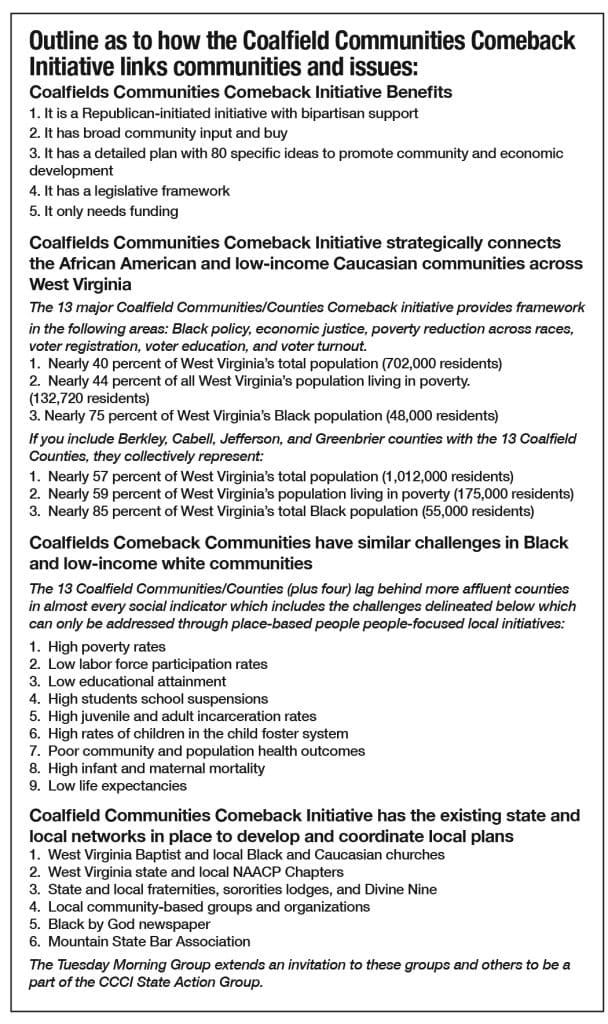
It is the position of the Tuesday Morning Group (TMG) that the Coalfields Comeback Communities Initiative provides an ideal and unique framework for several African American lead Advocacy Groups to come together and unite around a common agenda to lead, coordinate, and navigate a state-wide effort to promote a political, economic, education, environmental, health and housing justice movement across West Virginia. The CCCI provides a unique opportunity in that it strategically connects African American and low-income Caucasian communities that face similar challenges in the same geographic locations. The CCCI highlights that the disparities confronting residents who live in the Coalfield communities are placed-based and are directly connected to the decline in the coal industry in these communities.
Furthermore; a careful review of history reveals that for decades the coalfield communities and their residents were the victims of systematic political, economic, social, and cultural exploitation and oppression at the hands of coal, railroad, and timber barons. These barons controlled the economies of the southern West Virginia Coalfields in the late 1800s and early 1900s. These barons also controlled the political, economic, social, cultural, and religious systems along with the land and the resources in these communities. History also documents that West Virginia’s legislative, executive, and judicial branches of government were complicit with this exploitation and oppression and that they allowed the southern West Virginia Coalfields to be ruled unabated as an industrial police state by the coal barons and their goons well into the 1940s.
Most of the families currently residing in the southern West Virginia Coalfields are the descendants of the early immigrants who were recruited by the railroad and coal barons to construct the railroads and tunnels through the treacherous Southern West Virginia mountains and to mine the coal out of the bowels of the earth. Many of the Caucasian immigrants were brought in from southern and eastern Europe. Most of the Blacks who migrated to West Virginia in the late 1800s and early 1900s were former slaves and their children from the South. The current residents of the southern West Virginia Coalfields — both Blacks and whites — are having to cope with the bitter consequences of the economic exploitation and oppression of their foreparents. It will require major investments for decades in the coalfield communities to correct these past injustices.
If you appreciate BBG's work, please support us with a contribution of whatever you can afford.
Support our stories
Related Articles

“Make West Virginia Healthy Again” Act would fight obesity, malnutrition, diabetes, and more.
HB 4982 has already passed the House and gone to Governor Patrick Morrisey’s desk. It would give the existing Office of Healthy Lifestyles greater authority, create the Healthy Lifestyle Fund and require Medicaid recipients to have access to additional programs.
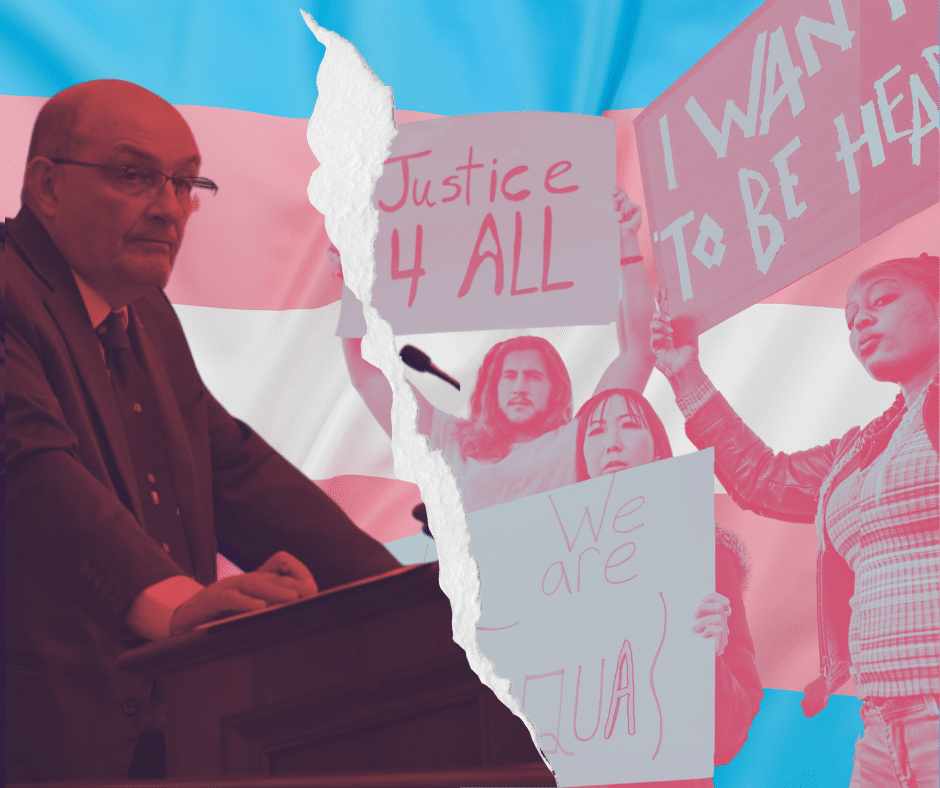
WV Senate committee considers slew of anti-LGBTQ+ bills, advances two
The Senate Judiciary Committee advanced bills targeting transgender West Virginians and drag performances. It also pulled a bill that would have forbidden state entities from engaging in any discussion of sexual orientation and gender identity.