
What Morrisey’s State of the State means for Black West Virginia
What the governor will be prioritizing in 2026 — and what’s missing for our communities.
What was said — and what Black communities are listening for.
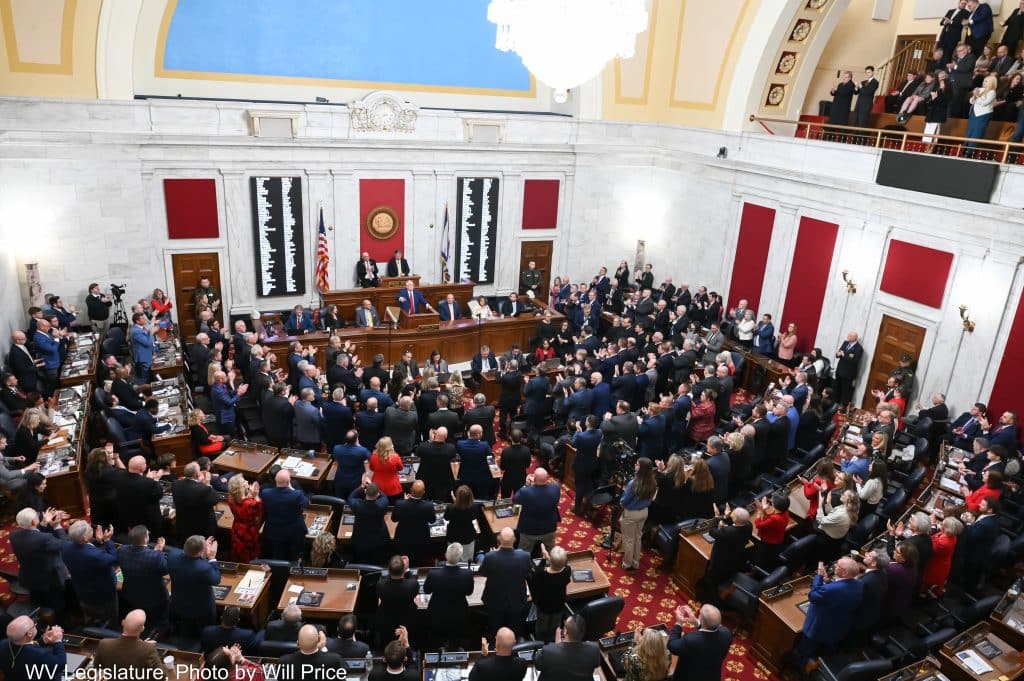
The House Chamber was packed last night as Gov. Patrick Morrisey delivered his 2026 State of the State address. Lawmakers, cabinet officials and guests filled the room, reflecting the importance of the moment. Black By God: The West Virginian was on the floor, listening closely to what the governor’s priorities could mean for Black families across the state.
Throughout the address, the governor emphasized that West Virginia’s children and grandchildren are the future of the state, framing many proposals as long-term investments. For Black West Virginians, that framing raised a critical question: How those future-focused promises translate into real outcomes for Black children growing up today.
The address centered on economic growth, workforce development and large-scale public investment. While the message emphasized momentum, low income communities were listening for how those priorities connect to everyday realities — from affordability and housing to education, healthcare and stable employment.
We’ll bring the best from BBG right to your inbox. You can easily unsubscribe at any time.
Sign Up for our Newsletters!
Employment and job readiness were recurring themes. Skilled trades, technical education, licensing reciprocity and microcredentials were presented as pathways to good paying work. For minorities, particularly in rural communities, the impact will depend on whether these opportunities are accessible and lead to long-term, family-sustaining employment.
Infrastructure was another major focus. The governor called for an additional $100 million for road and bridge repairs, along with continued investment in water and sewer systems. For many rural neighborhoods, these improvements are closely tied to safety, mobility and economic opportunity for families.
Tourism was highlighted as a key economic driver, supporting more than 60,000 jobs and generating $9 billion statewide. A proposed $20 million investment in state parks and visitor infrastructure could expand opportunity. We will be watching to see whether that growth reaches Black workers, entrepreneurs and small businesses.
Broadband expansion also took center stage, with $546 million in federal and state funding secured. Reliable high-speed internet affects children’s education, parents’ employment options and access to healthcare — particularly in communities that have historically been underserved.
On healthcare, the governor cited $199 million in federal funding awarded in December, with nearly $1 billion projected over five years. He also proposed a 3 percent pay raise for state employees, a 10 percent income tax cut and a $6 million “Bring Them Home Fund,” aimed at reducing out-of-state foster care placements.
What Was Missing for Black West Virginia
While the address spoke broadly about preparing the state’s children for the future, we were looking for it to clearly explain how low income families — who face disproportionate barriers in housing stability, education equity, healthcare access and child welfare involvement — will be centered in that vision.
Housing remained a notable omission, with no direct plan to address rising rents or housing insecurity. Education was framed largely through workforce pipelines, without addressing racial disparities in school resources or outcomes. Agriculture and development were positioned as zones of opportunity. We wonder if our communities will be included in decisions around land use, data centers or environmental tradeoffs.
The governor also addressed cultural issues, including opposition to transgender athletes in women’s sports. For many Black West Virginians — particularly LGBTQ+ individuals, youth and families —his statements raised questions about priorities, absent discussion of safety or inclusion. He made no mention of his successful efforts to ban Diversity, Equity and Inclusion initiatives during last year’s legislative session. This legislation is already harming Black communities across our state.
Black By God: The West Virginian is committed to listening beyond the applause — for foster families, students, workers, renters and farmers. As the state looks toward its future generations, Black communities will be watching to see whether promises made in the chamber translate into equity, accountability and opportunity at home.
If you appreciate BBG's work, please support us with a contribution of whatever you can afford.
Support our stories
Related Articles
“Make West Virginia Healthy Again” Act would fight obesity, malnutrition, diabetes, and more.
HB 4982 has already passed the House and gone to Governor Patrick Morrisey’s desk. It would give the existing Office of Healthy Lifestyles greater authority, create the Healthy Lifestyle Fund and require Medicaid recipients to have access to additional programs.
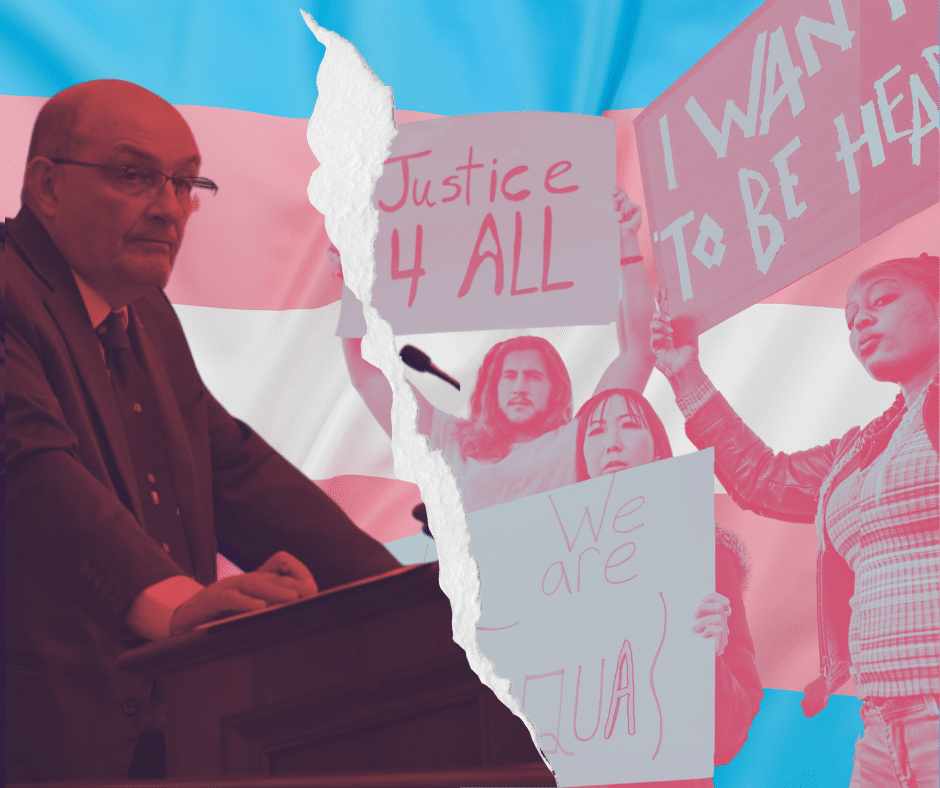
WV Senate committee considers slew of anti-LGBTQ+ bills, advances two
The Senate Judiciary Committee advanced bills targeting transgender West Virginians and drag performances. It also pulled a bill that would have forbidden state entities from engaging in any discussion of sexual orientation and gender identity.
WV Senate committee advances bill to reinstate death penalty
Senate Bill 1037 would reinstate the death penalty as a possible punishment for people convicted of first-degree murder with aggravating circumstances.