
When “All” Meant Solidarity — Not Erasure
Blair Mountain’s forgotten fight shows what Labor Day is really about.
Labor Day began in 1894, forged from decades of strikes, marches, and bloody clashes between workers and powerful corporations. It was meant to honor the people whose labor built the nation — and whose sacrifices forced the country to recognize that dignity, safety, and fairness at work were not privileges, but rights.
But the holiday didn’t end the struggle. Nearly thirty years later, in 1921, West Virginia miners carried that fight onto the ridges of Blair Mountain.
On this very date — August 31, 1921 — the conflict erupted into full-scale battle. At dawn, a small band of miners under Reverend John Wilburn clashed with sheriff’s deputies. In the crossfire, Eli Kemp, a Black miner, was shot and killed — one of the first casualties. His death is too often forgotten, but it reminds us that Black miners were not just present, they were leaders in this fight. From there, the violence escalated: 10,000 miners confronted coal operators’ private armies, deputies with machine guns, and even airplanes dropping bombs.
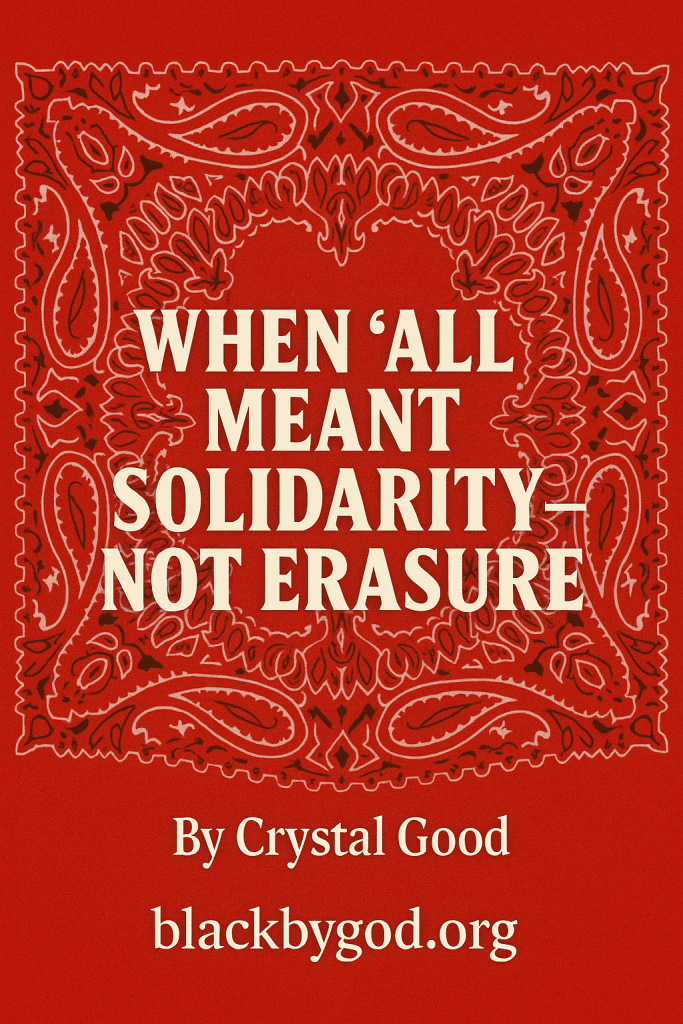
The miners wore red bandanas around their necks so they could recognize one another in the forests and ridges. They all had to buy those bandanas from the company stores — the very system that kept them in debt and under control. What began as a cheap, compulsory purchase became their banner. It was practical — a way to avoid friendly fire — but it also turned into something more: a symbol of unity across difference.
It’s where the term “redneck” comes from, first used with pride to mean those willing to fight for dignity. The red bandana declared: I’m not here as just Irish or Italian, Black or Appalachian — I’m here as a miner.
In 1921, many of the miners were recent immigrants: Italians, Hungarians, Poles, and Irish. In broader American society, they were not fully accepted as “white.” They faced discrimination, violence, and exclusion. They carried their heritage with pride, standing as Italians, as Hungarians, as Irish — before whiteness absorbed them into a single category. In the coalfields, this meant that solidarity wasn’t about erasing identity. It was about holding onto it while building common cause. Black miners fleeing Jim Crow, European immigrants, and Appalachian families rooted for generations chose to fight together — not because they were the same, but because they shared a struggle.
The miners ultimately lost. Federal troops were called in, leaders were arrested, and the march was broken. But their sacrifice forced the nation to reckon with labor rights. From that seed grew stronger unions, safer workplaces, and fairer laws — the very protections we now take for granted. For decades, Blair Mountain was scrubbed from history books. It was too dangerous for coal companies, too powerful for those who thrived on division. Yet West Virginians and labor historians kept it alive, because it is not just a state story — it is an American story.
Today, as opponents of diversity, equity, and inclusion (DEI) twist the phrase “for all” into a call to erase difference — to stop naming inequity, stop acknowledging exclusion, stop seeing race — Blair Mountain tells us something else. The miners’ “all” wasn’t colorblind. It was solidarity across difference. The red bandana didn’t erase identity — it united it.
This Labor Day, as we enjoy rest hard-won by those who came before us, remember what it stands for. The weekend, the eight-hour day, safety rules — none of it was handed out. It was fought for, together, by people who refused to be divided. The miners at Blair Mountain showed us that unity is not about sameness. It’s about dignity, solidarity, and the courage to fight side by side. That’s the real meaning of all.
A Movie Recommendation
Matewan (1987), directed by John Sayles, dramatizes the lead-up to the Mine Wars—featuring James Earl Jones as Few Clothes Johnson, a Black miner who joins the union for justice. His presence—and the film’s focus on cross-racial unity—echoes the real-life solidarity at Blair Mountain.
Visit the Mine Wars Museum
For deeper insight, the West Virginia Mine Wars Museum in Matewan is an invaluable resource. It showcases artifacts, oral histories, and exhibits covering everything from the Matewan Massacre to the Battle of Blair Mountain. Located at 401 Mate Street, Matewan, the museum honors the diverse miners who fought for rights and preserves their legacy. Visit their online and in-person collections—one of the richest archives of this era.
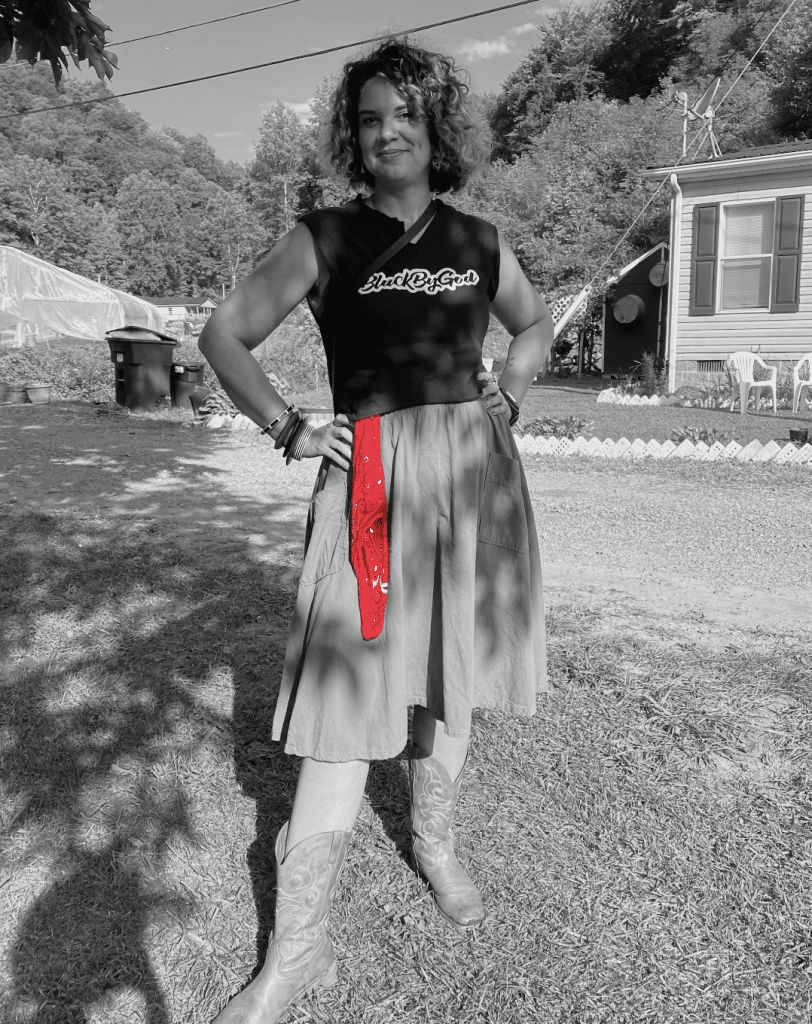
Crystal Good Founder/Publisher
Black By God | The West Virginian
If you appreciate BBG's work, please support us with a contribution of whatever you can afford.
Support our stories
Author

Related Articles
“Make West Virginia Healthy Again” Act would fight obesity, malnutrition, diabetes, and more.
HB 4982 has already passed the House and gone to Governor Patrick Morrisey’s desk. It would give the existing Office of Healthy Lifestyles greater authority, create the Healthy Lifestyle Fund and require Medicaid recipients to have access to additional programs.
WV Senate committee considers slew of anti-LGBTQ+ bills, advances two
The Senate Judiciary Committee advanced bills targeting transgender West Virginians and drag performances. It also pulled a bill that would have forbidden state entities from engaging in any discussion of sexual orientation and gender identity.