
A Contrast in Cultures: From Ghana’s Cultural Vibrancy to West Virginia’s Legislative Challenges
Navigating between these worlds, the rich heritage of Ghanaian and Appalachian cultures continues to inspire and guide my advocacy and understanding of community, justice, and governance.
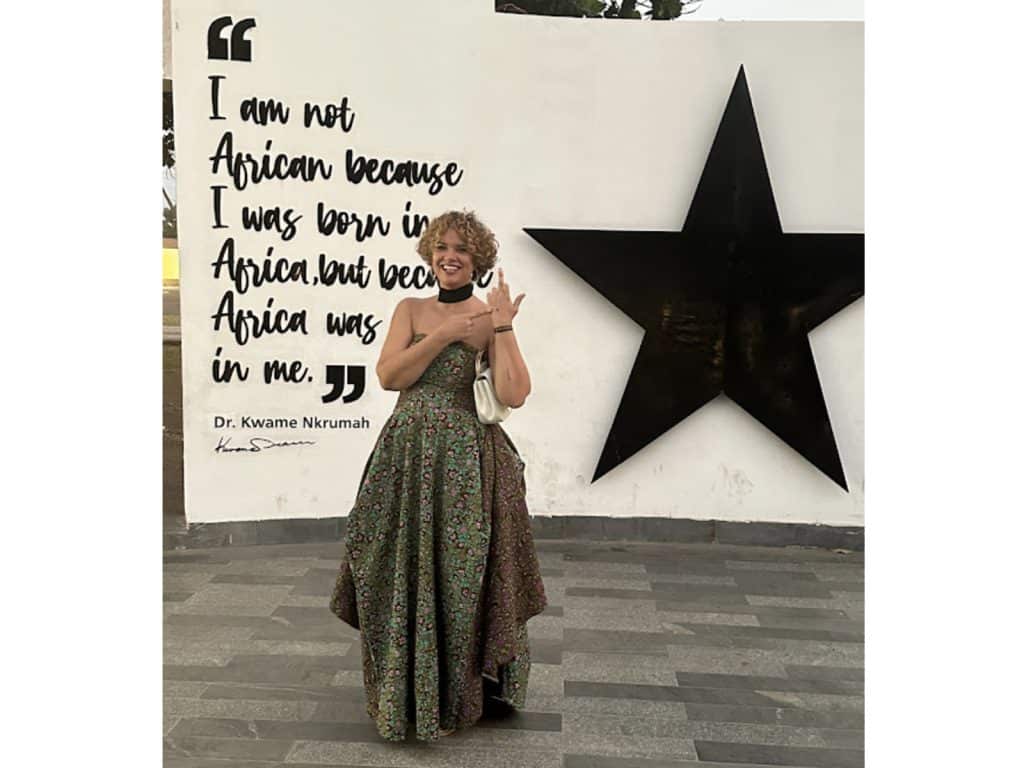
I hadn’t seen a white person in weeks. Immersed in Ghana’s rich cultural landscape, my existence had been surrounded by a comforting familiarity, a peace born from being among Black people from the all-Black plane ride leaving D.C. into every beautiful Black face that greeted me in Accra, Ghana. This profound experience in Ghana, where my spirit found solace, creativity, and comfort, starkly contrasted with my return to West Virginia, a state that’s only becoming whiter.
In West Virginia, I am deeply rooted as a sixth generation West Virginian. This often surprises those who don’t know the rich Black history of Appalachia, a history I’ve dedicated my life to preserving. Ghana felt like home, but so does West Virginia. My DNA and family tree affirm this bond with both lands.
Ghana oozes positivity. Its streets are lined with Adinkra symbols and Biblical phrases, starkly contrasting Appalachian fatalism. The culture is infused with positive thinking, a far cry from West Virginia’s legislative session focus on reinstating the death penalty, echoing the cold whiteness of the Capitol’s marble floors and walls.
The tranquility of Ghana, with its lack of violence and mass shootings, sharply contrasts the societal challenges of West Virginia. According to the 2020 U.S. Census, West Virginia is one of America’s whitest states, with 89.8% of the population being White.
We’ll bring the best from BBG right to your inbox. You can easily unsubscribe at any time.
Sign Up for our Newsletters!
Navigating between these worlds, the rich heritage of Ghanaian and Appalachian cultures continues to inspire and guide my advocacy and understanding of community, justice, and governance.

During my stay in Ghana, I was captivated by the mysterious #TheNewForce campaign, which creatively used billboards and social media to pique voters’ curiosity. Despite my inquiries, the identity behind the campaign remained a riddle to locals.
On my final day, the enigma was resolved: Nana Kwame Bediako, or Cheddar, a millionaire real estate entrepreneur and a symbol of political change, was the face behind the mask. Bediako’s bold campaign faced obstacles, including military intervention, but his dedication to driving political innovation never wavered. His efforts in challenging Ghana’s entrenched political norms reflect the possibilities for grassroots movements like Black by God in West Virginia, where we, too, can disrupt the status quo and foster transformative change.
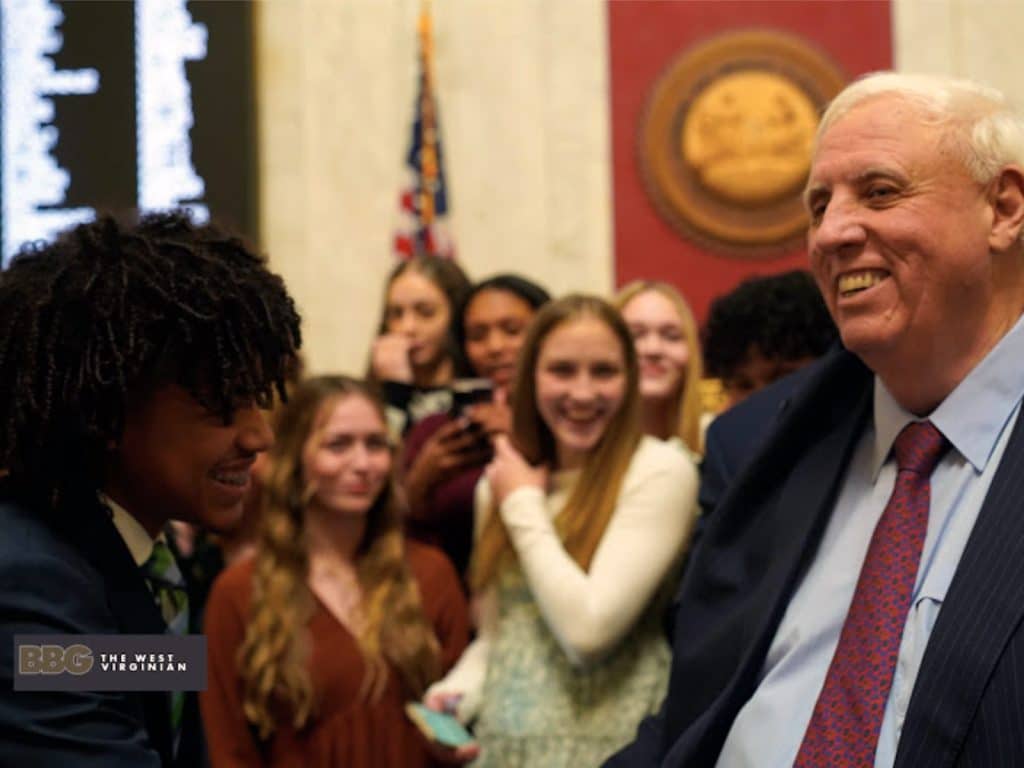
The #TheNewForce campaign’s emergence as a beacon of hope against political stagnation and corruption in Ghana mirrors West Virginia’s need for fresh, inclusive, and innovative leadership. Governor Jim Justice’s recent speech, missing the mark on vital community issues, underscores this necessity.
My experience in Ghana underscores the importance of diverse, grassroots-led political movements, inspiring West Virginia to embrace an inclusive Appalachian identity that acknowledges and caters to all its citizens. Such global perspectives are essential in reimagining our political landscape for a more progressive and equitable future.
Governor Justice’s Address: A Missed Opportunity for Substantial Vision
I founded Black by God (BBG) to amplify Black voices in Appalachian West Virginia. We aim to highlight opportunities and challenges within the state’s policy framework, particularly those affecting the Black community. Unfortunately, Governor Jim Justice’s recent address lacked vision, especially concerning uplifting Black and low-wealth communities. His penchant for theatrics overshadowed critical issues facing our state, as Mountain State Spotlight detailed, including the decline of Southern West Virginia and unaddressed environmental and public health challenges.
A glaring omission in Governor Justice’s address was the significant 30-year underfunding of $850 million to West Virginia State University (WVSU) – a vital institution for Black education – from the West Virginia legislature. The disparity in funding was evident when compared to the paltry $50 million allocated for a new agricultural school/lab. This inequity in state funding priorities is alarming and demands urgent attention.
My visit to Ghana provided a unique perspective on the potential of agriculture to forge connections between West Virginia and Ghana. I met with Jason Tartt, an international agricultural entrepreneur with operations in McDowell, West Virginia, and Ghana. His work focuses on crops like poultry, cassava, and groundnuts, mainly supporting Black women in agriculture across two continents. This experience reinforced the importance of agriculture in both regions and its potential for growth.

BBG is actively investing in Black Appalachian agricultural storytelling while I am developing a personal project to establish a poultry farm in Ghana. I also plan to cultivate special crops in McDowell County, West Virginia, focusing on creating value-added products and educational opportunities that emphasize community and collectivism in partnership with Tartt’s T and T Organic Farms.
The potential for educational programs like those at WVSU to support local agriculture is immense. Redirecting funds to bolster WVSU’s agricultural programs, particularly for Black farmers, could be transformative. It would bridge the current funding gap and foster international collaborations and learning opportunities. This strategy could position WVSU as a center for agricultural excellence and innovation, benefiting West Virginia and potential international partners like Ghana.
Governor Justice’s speech notably missed discussing opportunities in sectors like agriculture, failing to address critical challenges faced by Black West Virginians. Issues such as infant maternal healthcare, disproportionate school suspension rates, workforce development, and tourism were absent from his address. However, Black voices were not silent. Our community was present, from BBG to influential figures like Miss West Virginia, leaders like House Minority Leader Del. Sean Hornbuckle, and newly appointed delegates Anitra Hairston and Hollis Lewis. We are counting on these leaders to champion the fight against ongoing challenges within our state.

With the Democrats facing hurdles in securing significant legislative action, it’s time for these leaders to introduce innovative and creative solutions. Leveraging every available platform, they can bring much-needed change and representation. They could engage #TheNewForce vision, which could spark a transformative impact in the legislature, addressing the pressing needs of our community and ensuring a brighter future for all West Virginians.

Black Policy Day: Uniting for a Better Future
In its third year at the West Virginia Legislature, Black Policy Day on Feb. 7 continues to serve as a vital platform for advocates spotlighting the policy issues affecting Black West Virginians. Co-founded by Dr. Shanequa Smith, Katonya Hart, and me, the event underscores the significance of an open and accessible legislative process. We aim to foster diverse participation, enhancing solidarity while allowing individual identities to flourish.
Black Policy Day represents more than just a moment of advocacy; it is a movement towards unity, organization, and a stronger voice for Black communities in West Virginia. It’s a day when Black West Virginians unite to push for meaningful changes and a brighter future. The event symbolizes our ongoing commitment to tackling the challenges Black communities face in the state.
Black Policy Day sees supporting Black and Southern West Virginia communities as a moral and strategic obligation. Such investment is crucial for these communities’ economic, social, and cultural upliftment, contributing to the broader well-being and prosperity of the state. Black Policy Day is a rallying point for these efforts, showcasing the power of collective action and the need for sustained, impactful advocacy.
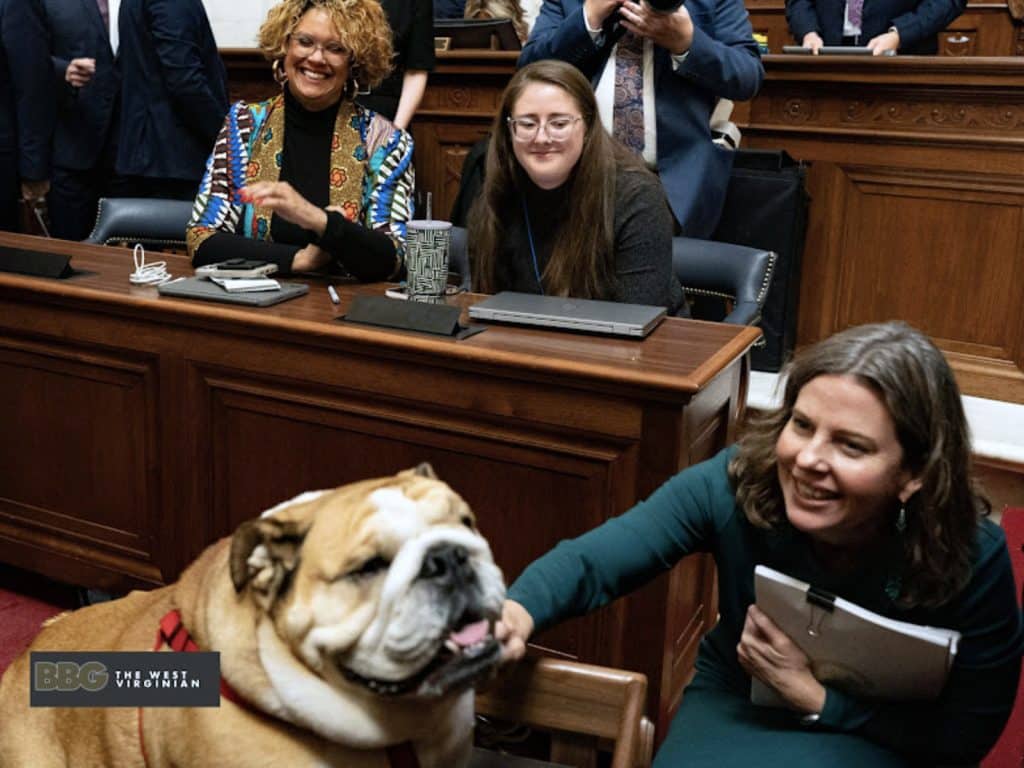
During Governor Justice’s State of the State address, the Capitol was a sea of whiteness, a stark contrast to the warmth and inclusivity of Ghana. The difference went beyond skin color to the very complexion of thought. West Virginia’s white male-dominated leadership often feels harsh and punitive, steeped in white supremacy, a sharp contrast to Ghana’s trajectory towards phenomenal success through cooperation, small business, and diversity.
In West Virginia, the concept of “diversity” seems almost taboo. Governor Justice’s speech on diversifying the economy leaned heavily on celebrating fossil fuels and tourism, yet it missed the essence of true inclusivity. It overlooked the unique potential of Black West Virginians to invigorate and diversify the state’s tourism sector, a gap that visitors seeking diverse and authentic experiences could feel.
The governor’s remarks on West Virginia’s global appeal, claiming, “In countries so far away we don’t even know where they are, they’re saying ‘West Virginia is the place you ought to go,’ ” as a destination, were superficial and failed to grasp the state’s urgent internal needs. Embracing an inclusive Appalachian identity, especially focusing on BIPOC and LGBTQ+ communities, is essential for spurring economic growth and enhancing tourism. This perspective, drawn from my global experiences, starkly contrasts with Justice’s limited view.
As the event concluded, Babydog’s post-speech appearance was light-hearted. However, it was a fleeting distraction from the address’s failure to uplift all communities within West Virginia substantively. Moving forward, it is crucial that our policies and leadership genuinely mirror the diversity and needs of our varied communities, reflecting a vision that encompasses all West Virginians.
If you appreciate BBG's work, please support us with a contribution of whatever you can afford.
Support our stories
Author

Related Articles
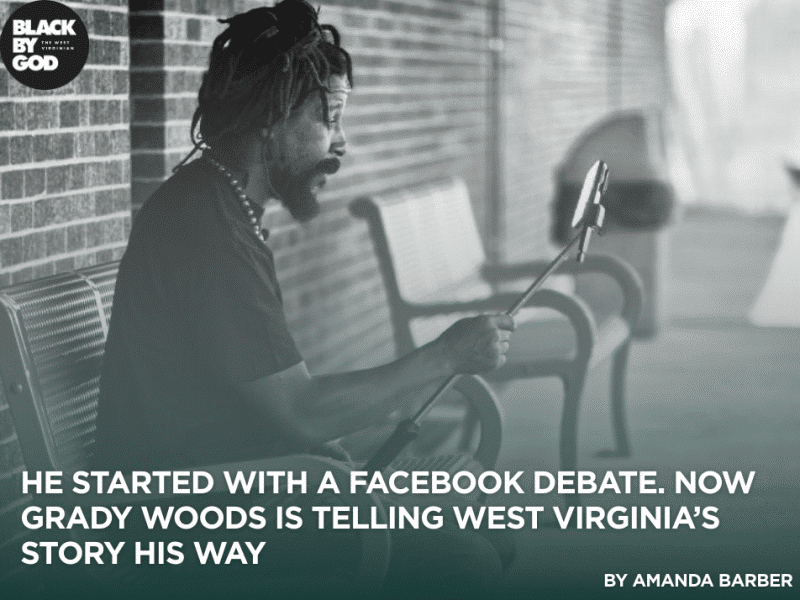
He Started With a Facebook Debate. Now Grady Woods Is Telling West Virginia’s Story His Way
He Started With a Facebook Debate. Now Grady Woods Is Telling West Virginia’s Story His Way.
