Celebrating a Trailblazer: Bessie Woodson Yancey Memorial Ceremony

Update: Black By God was honored to take part in the long-overdue memorial ceremony for Bessie Woodson Yancey, standing alongside community members, historians, and cultural workers to recognize her lasting impact on Appalachian history and literature. The gathering at Spring Hill Cemetery was not just a remembrance, but a reaffirmation of Yancey’s voice and legacy—a tribute to a woman who spoke truth through poetry, activism, and education in a time when few dared to. The ceremony served as a powerful reminder of the importance of reclaiming and elevating Black Appalachian narratives.


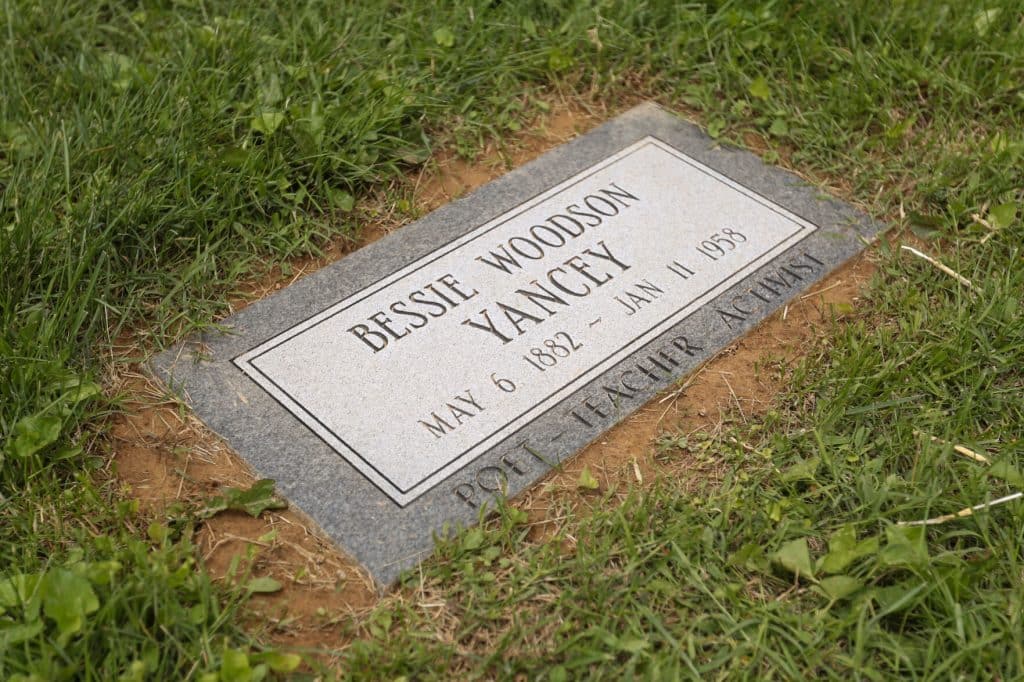

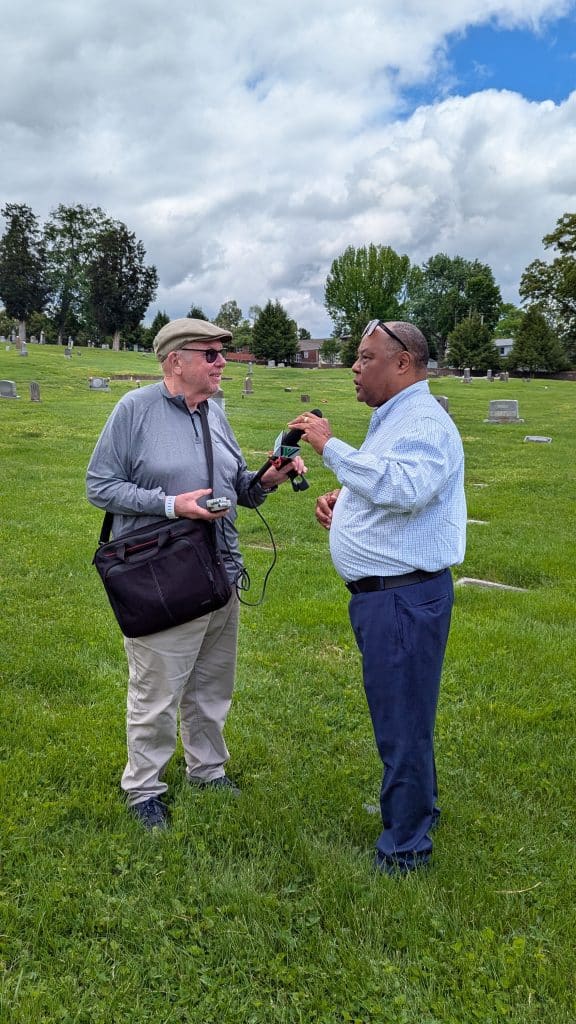


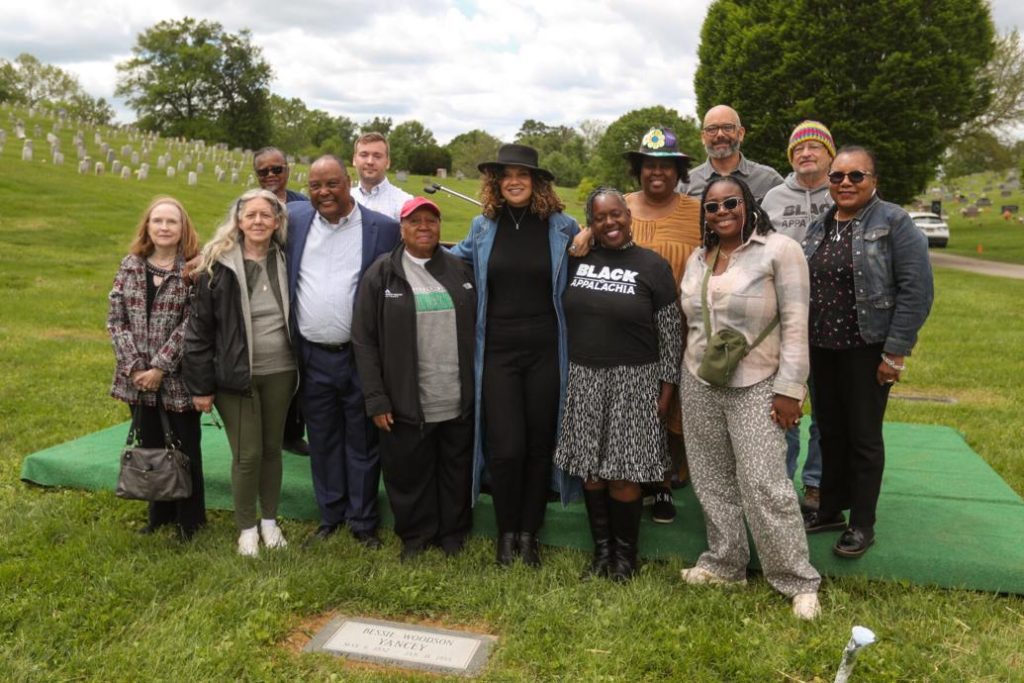
On Tuesday, May 6, 2025, at noon, a long-overdue gravemarker will be dedicated to honor Bessie Woodson Yancey at Spring Hill Cemetery in Huntington, West Virginia. This ceremony, organized by The Carter G. Woodson Memorial Foundation, Black by God, and Black in Appalachia, will feature remarks by Dr. Cicero Fain III of Marshall University and Crystal Good, publisher of Black By God.
Bessie Woodson Yancey (1882–1958) was a pioneering African American poet, educator, columnist, and activist whose voice helped shape the cultural and political landscape of Appalachia. Born in Buckingham County, Virginia, to formerly enslaved parents, she was the younger sister of Carter G. Woodson, the renowned historian known as the “Father of Black History.” The Woodson family moved to Huntington, West Virginia, where Bessie graduated from Douglass High School in 1901 and began her career as a teacher.
Yancey’s poetry, deeply rooted in both her African American heritage and Appalachian identity, is best exemplified in her 1939 collection, Echoes from the Hills. Published by her brother, this work is considered one of the earliest examples of Affrilachian children’s literature—a genre that blends African American and Appalachian cultural experiences. Her poems explore themes such as Black migration, mining labor, nature, and the resilience of Black communities in the region. Literary scholar Katharine Capshaw Smith noted that Yancey’s poetry “acknowledges the pressure on youth to become race leaders, and positions the child… as the visionary who will lead the community forward”.
Beyond poetry, Yancey was a prolific columnist and social critic. Between 1946 and 1956, she authored over 100 letters and editorials for Huntington’s Herald-Advertiser, often under pseudonyms. Her writings addressed civil rights, desegregation, and international affairs, reflecting a fearless commitment to justice even in the face of threats from groups like the Ku Klux Klan.
Despite her significant contributions, Yancey’s legacy remained largely unrecognized for decades. The upcoming dedication ceremony serves as a long-overdue acknowledgment of her impact and a celebration of her enduring influence on Black Appalachian literature and activism.
If you appreciate BBG's work, please support us with a contribution of whatever you can afford.
Support our stories