Dry January – Background
This article was originally published by Reporting on Addiction, a collaborative movement to improve how the media Reports on Addiction. Sign up for their weekly newsletter here.
Last updated on Jan 24, 2025
This is part of our series of articles about Dry January & Damp January
We’ll bring the best from BBG right to your inbox. You can easily unsubscribe at any time.
Sign Up for our Newsletters!
What is Dry January?
Dry January is a public health initiative encouraging people to evaluate their alcohol use during January.
Who started Dry January?
Dry January was started in 2013 by Alcohol Change UK, a UK-based charity organization. The official United States home for Dry January is Meharry Medical College, a Nashville, TN-based historically black college (HBCU).
Dry January is similar to Dry July (started in 2008 in Australia) and Sober October (started in 2013 in the UK).
Why Dry January?
There are a few reasons why Dry January focuses on alcohol and is in January.
Alcohol
Something common across all these public health initiatives (Dry January et al.) is a focus on alcohol because it is a common, legally used substance with substantial, negative public health impacts.
January
During the end of year, many people find themselves with time off work, offering a chance for reflection. The end of year often coincides with increased alcohol consumption, either before or during end-of-year celebrations. Culturally, January signifies a “fresh start,” marking the beginning of a new calendar year. Consequently, it’s a popular time to set New Year’s Resolutions or establish other intentions for personal change.
Smoosh this all together and you have a public health initiative.
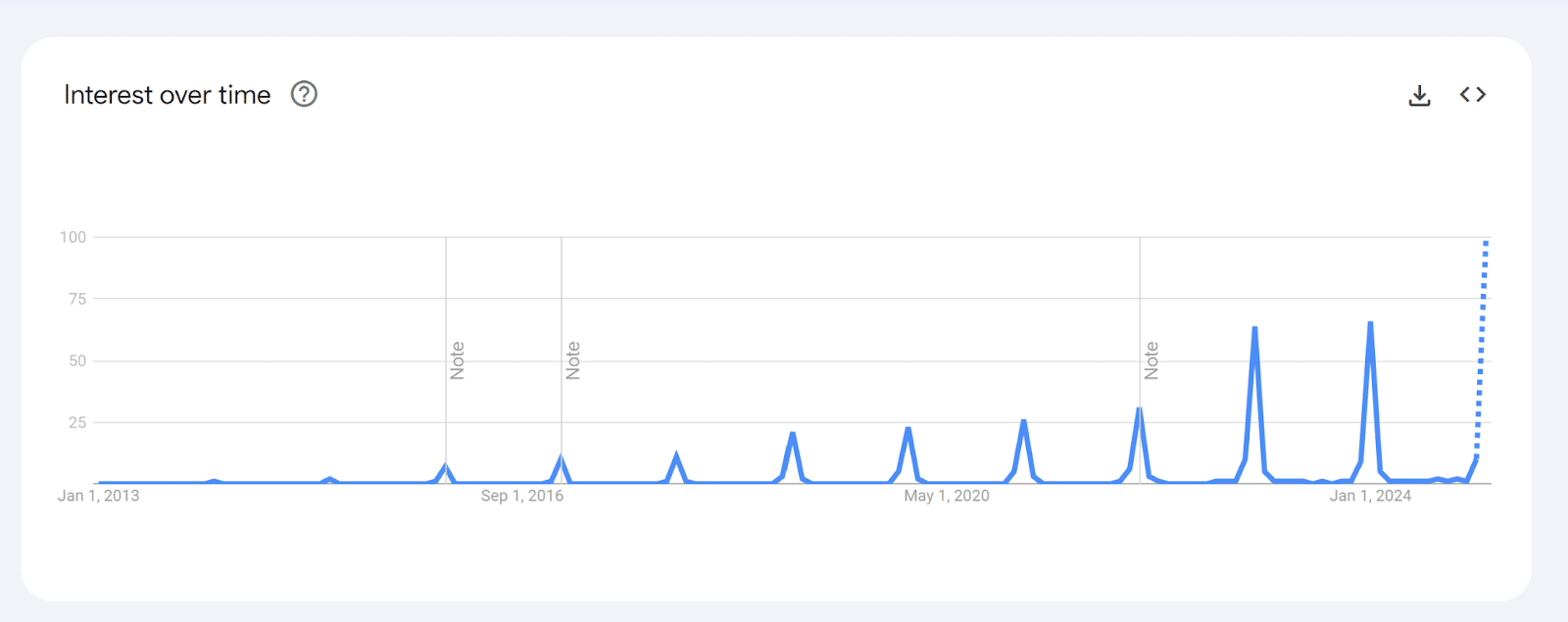
The Dry January initiative started in January 2013. Google Search Data shows public interest has grown ever since.
How is Dry January covered by journalists?
Dry January media coverage is booming! The ubiquity of Dry January coverage suggests that this topic engages audiences.
That makes sense.
Lots of people drink alcohol!
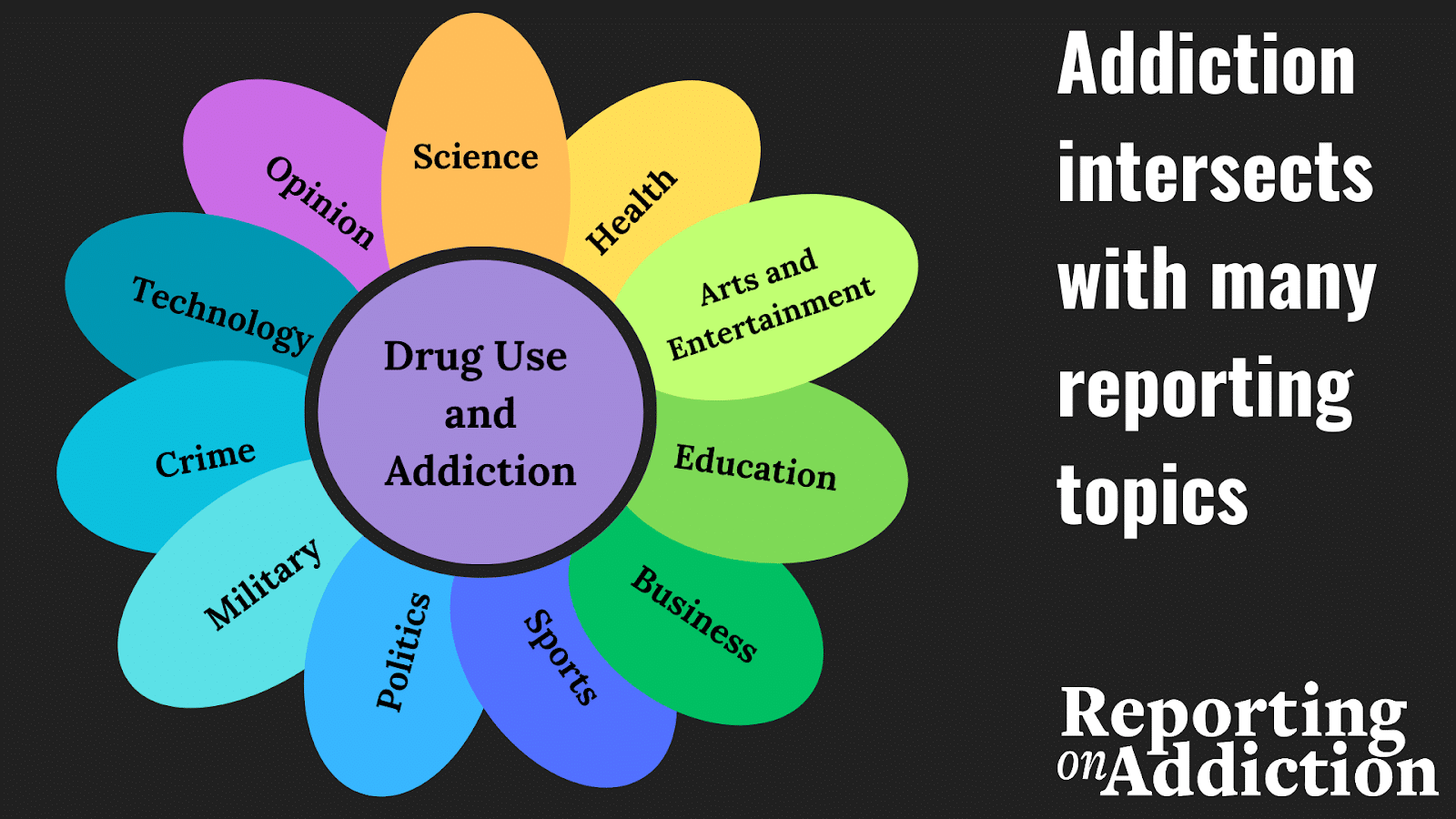
This has helped make Dry January a full-blown media event with coverage cutting across all reporting beats:
- Economic (how much money you can save from not drinking)
- Health (health benefits from cutting alcohol use)
- Technology (apps to help with drinking)
- Business (bar owner perspectives or new non-alcoholic products)
- Science (the science of cutting back drinking)
- Arts/entertainment (celebrities and alcohol use)
- Opinion (personal experiences with stopping alcohol use)
- Politics (taxes as an important public health interventions)
This fits into our broader observations that reporting on addiction rarely happens in one part of the newsroom. This is why Reporting on Addiction provides full newsroom training and support. Topics about drug use and addiction have never been confined to one beat. No matter your beat—whether it’s lifestyle, local news, health, or even business—your coverage of alcohol and Dry January must be firmly rooted in the current understanding of science and medicine.
Why focus on alcohol?
Dry January is in the media because alcohol use is common. However, alcohol is also known to cause problems across an individual’s personal, social, and work lives. Believe it or not, the most common substance use disorder in our country is an alcohol use disorder (AUD)!
When we think about drug use and addiction, few people think of alcohol first because it is socially acceptable and included in many parts of our culture. Consider, almost one-third of the U.S. population meets the criteria for alcohol use disorder (AUD) at some point in their life.
💡
As an aside, AUD has been colloquially referred to as “alcoholism” but the term alcohol use disorder is preferred because it aligns with the clinical diagnosis [e.g., a person with an alcohol use disorder]. Additionally, the phrase “alcohol use disorder” has been shown to reduce stigma and shame among people seeking support.
We also know that no amount of alcohol is healthy. This might strike you as a “strong” statement, especially after years of media coverage straining to highlight alcohol as beneficial (e.g., “heart healthy” or “mommy juice”). Past research overstated the benefits of alcohol use, while current research points to added risks from any drinking. Health professionals now more clearly and confidently say that alcohol is harmful and that no amount of alcohol consumption can be considered a health behavior.
Alcohol health risks
Alcohol has various health impacts. Alcohol impacts all organs and is associated with most common health conditions including hypertension, diabetes, obesity, and cancer.
For example, evidence continues to show the link between alcohol and seven different types of cancer. In 2025, the U.S. Surgeon General released an advisory on a causal link between alcohol and cancer, noting alcohol is the third largest contributor to cancer, and cautioned against even moderate drinking. Other health agencies like the Centers for Disease Control (CDC), World Health Organization (WHO), and Canadian Centre on Substance Use and Addiction (CCAS) have also strongly stated that no amount of alcohol is safe for your health and drastically changed guidelines related to drinking to reflect this understanding. There are recent calls in the United States to include more alcohol labeling similar to tobacco products.
Join the Reporting on Addiction team and experts from our community to learn about covering Dry January. Dry January presents an opportunity to inform your audience about alcohol in a way that increases awareness of risky drinking, alcohol use disorder, behavior change and addiction treatment. There is voluminous Dry January coverage; however, most of it misses the mark. We’re here to help with new resources and our existing database of experts. Join us for this webinar to learn reporting tips relevant to Dry January, Dry July, Sober October, and alcohol use year round.
The webinar will be on January 30, 2025 at 11:00 AM ET. Sign up here.
If you appreciate BBG's work, please support us with a contribution of whatever you can afford.
Support our stories
Related Articles

Black Love & Marriage According to The Advocate
The newspaper only survived 12 years but thanks to the foresight of the publisher, an archive of Black West Virginian marriages and wedding practices exists 114 years later.