
Monstrous Myths: What We’re Really Afraid Of
In today’s political climate, West Virginia’s cryptids might be the least scary things in these mountains.
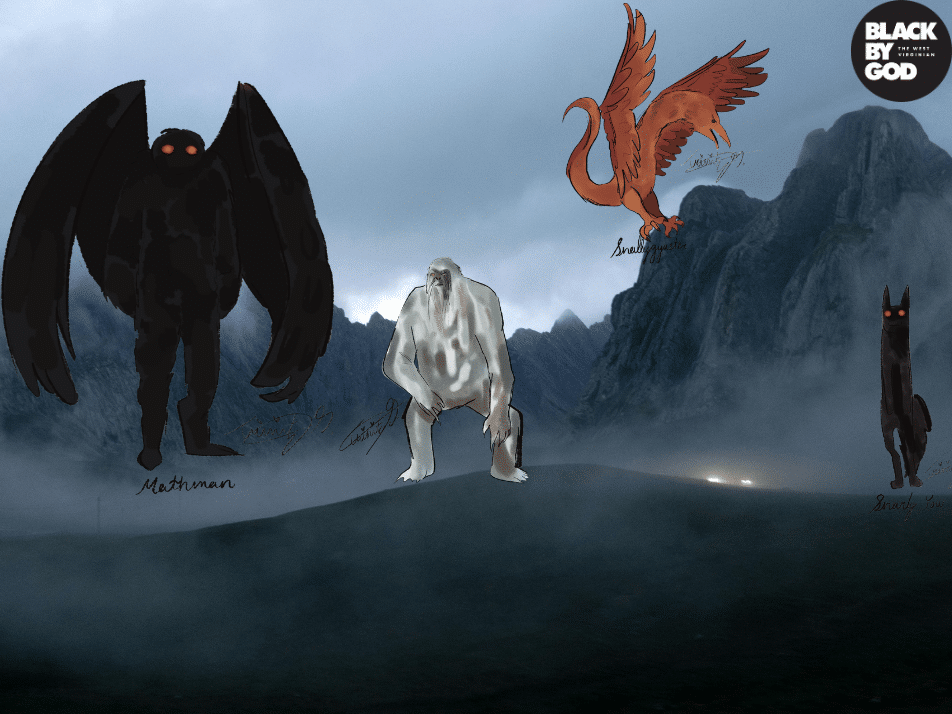
By Crystal Good
Do you really know who or what we share these mountains with? Because it’s not just Morrisey and Mothman.
The Real Monster Is Fear Itself
Before we dive into West Virginia’s most fascinating cryptids, let’s talk about something I’ve been thinking about as a folklorist: what if many of these mythological creatures weren’t born from actual encounters with unknown beasts? What if they were created by white settlers who were more afraid of the wilderness—and the people already living in it—than any actual monster lurking in the woods?
Think about it. European settlers arrived in Appalachia, a landscape completely foreign to them, occupied by Indigenous peoples they sought to displace, and filled with dangers they didn’t understand. Maybe, instead of confronting the very real threats—their own violence, systemic exploitation of laborers, environmental destruction from mining—they invented monsters. Creatures to blame for disappearances, for livestock losses, for the consequences of their own actions. Or maybe not. Maybe some of these stories have roots we can’t fully trace.
Sound familiar? Turns out creating imaginary threats to avoid dealing with real problems might be a time-honored American tradition. Whether you’re Democrat or Republican, you’ve probably heard some scary political rhetoric lately that makes Mothman look downright reasonable.
Our Different Story
Now, here’s where it gets interesting for us: Black folks in Appalachia have always seemed to have a different relationship with these mountains and these stories. Our ancestors didn’t arrive here as fearful settlers—many came as enslaved people, then later as workers in the mines and timber camps, many were already here. We weren’t afraid of the wilderness the same way; in fact, the wilderness was often our portal to freedom. When we say we weren’t scared, we mean it—the woods were where you ran to escape bondage, where you could hide, where you found your way North. The forest wasn’t the enemy; it was a sacred sanctuary.
Black Appalachian folklore shares some superstitions with white mountain culture (don’t whistle at night, listen to what the animals tell you), but our stories carried completely different warnings. While white communities created monsters to explain their fear of the wilderness, our elders were teaching us how to avoid slave catchers, Pinkerton guards, and police. Our “monsters” weren’t cryptids—they were men with badges, dogs, and guns who had the law on their side. They were company bosses who’d let you die in a mine collapse rather than lose profit. Our folklore wasn’t about imaginary creatures; it was a survival manual.
The irony? While communities were spinning tales about imaginary beasts, Black coal miners were dying in very real numbers from silicosis and unsafe working conditions. While stories spread about creatures in the Monongahela River, the actual horror was the Hawk’s Nest Tunnel disaster that killed hundreds of Black workers in the 1930s. The true monsters wore suits and owned mines, not horns and scales.
When our grandmothers warned, “don’t go into those woods after the dark,” Mothman wasn’t the concern. Slave catchers with bloodhounds were. Pinkerton agents hired by coal companies to intimidate Black workers were. Police who saw us as threats just for existing were. When they told us to trust our gut feelings, to notice when things felt “wrong,” they were teaching us how to stay alive in a world where the real monsters wore uniforms and carried legal authority to harm us.
Black Appalachian folklore is rich with stories about ancestors who guide us, about dreams that warn us, about intuition that saves lives. It’s about resilience—how we made homes in these mountains, how we built communities, how we survived and thrived despite everything designed to break us. Those stories deserve to be dissected. They deserve their own deep dive, their own celebration.
But here’s the thing: these cryptid stories have become part of West Virginia’s cultural fabric, and Black West Virginians are woven into that fabric, whether these stories started with us or not. We can examine these tales with clear eyes, acknowledge their problematic origins, have some fun with the lore, and still remember that the most monstrous things in Appalachian history were never the creatures in the shadows.
These cryptid tales are much more than entertainment. They’re a window into what communities feared, valued, and couldn’t explain. They show us how people made sense of a harsh environment, economic instability, and rapid social change.
The beauty of folklore is that it evolves. These stories belong to West Virginia now, and Black West Virginians are part of West Virginia. We can visit the Mothman statue, attend the festivals, tell our kids about Sheepsquatch, and enjoy the communal aspect of regional legends while also understanding their origins and maintaining our own storytelling traditions.
I prefer the real stories, or at least the traditional ones that have been passed down for generations—a good old-fashioned Braxton County monster or Bat Boy. I love how the Mothman Museum brings people to Point Pleasant, and the cryptid festivals bring money to small towns. Not these newly invented “Bigfoot in West Virginia” tales that pop up trying to cash in on cryptid culture. Give me the old folklore with roots and history, not the manufactured monsters for tourism campaigns. One thing I know for sure: BIGFOOT IS NOT REAL! But let’s also remember: the most important monsters to fight have always been the human ones—inequality, injustice, and indifference to suffering.
And those monsters? They’re not mythological at all.
West Virginia’s Creatures
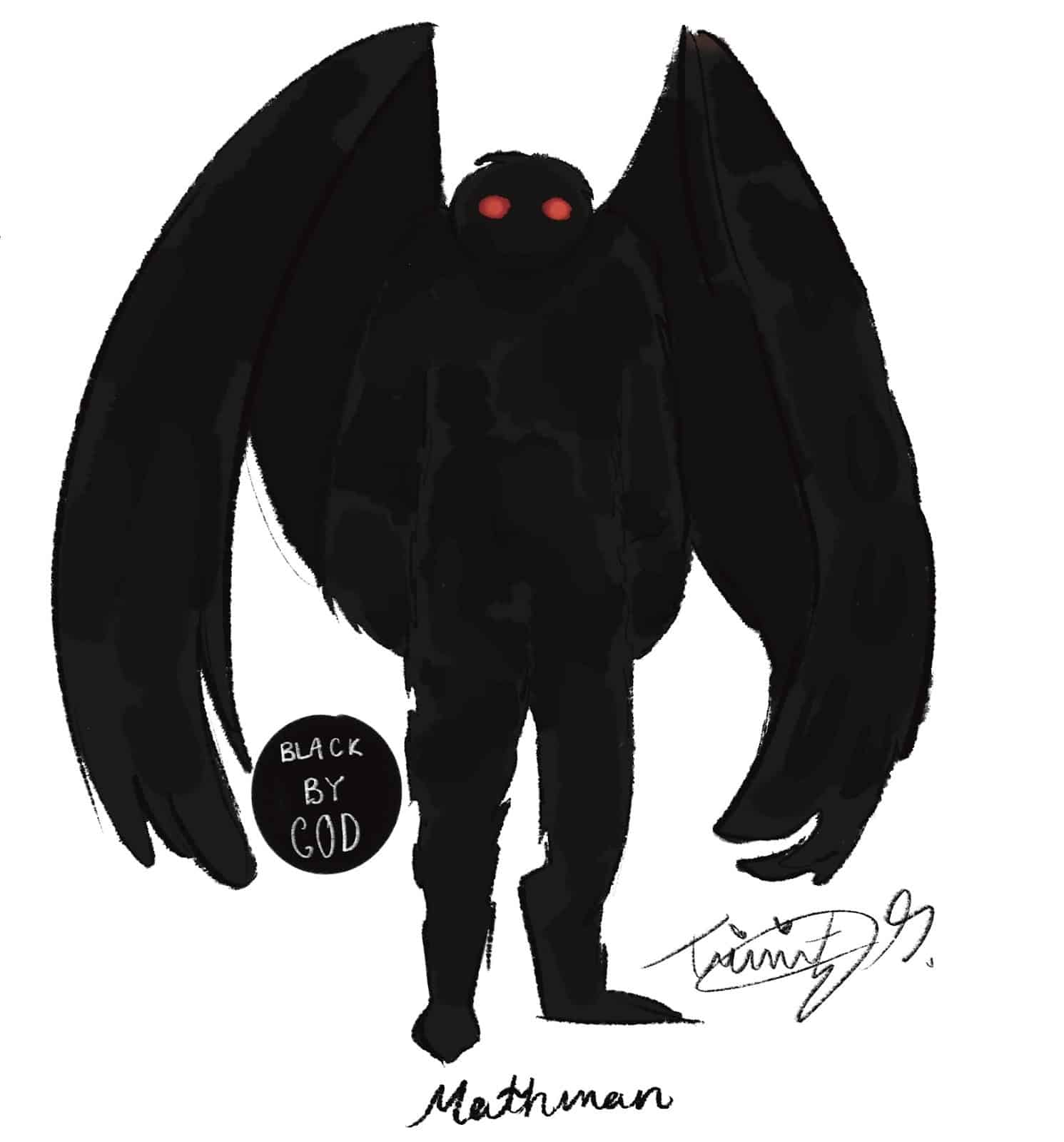
Mothman
Location: Point Pleasant (Mason County)
Description: Large winged figure, 6-7 feet tall, with glowing red eyes and a wingspan of 10 feet
First Reported Sighting: November 1966
The Story: The most famous West Virginia cryptid, Mothman appeared to multiple witnesses before the tragic Silver Bridge collapse in 1967 that killed 46 people. Some saw him as a harbinger of doom; others, as a protector trying to warn us.
The Real Talk: The sightings coincided with serious structural failures in the bridge that authorities had ignored. Maybe the real monster was negligence, not the creature in the sky. Or maybe Mothman was trying to warn us. Who knows?
Fun Fact: Has his own festival every September and a 12-foot chrome statue in Point Pleasant.
Flatwoods Monster (aka “Braxxie”)
Location: Flatwoods (Braxton County)
Description: 10-12 feet tall with a spade-shaped head, glowing orange-red eyes, and a dark metallic body that some described as dress-like. Emitted a sickening, sulfurous smell
First Reported Sighting: September 12, 1952
The Story: A group of local children, a mother, and a National Guardsman went to investigate a bright object that crashed on a farm. They encountered this terrifying figure near a pulsing red light. The smell made several witnesses physically ill for weeks.
The Real Talk: The 1950s were peak UFO paranoia and Cold War anxiety. Could it be that what’s more frightening—an alien visitor or the very real nuclear threat hanging over everyone’s heads—got tangled up in people’s minds? Maybe. Maybe not.
Fun Fact: Became an official mascot of Braxton County and appears in international cryptozoology circles, especially in Japan.
Sheepsquatch
Location: Southwestern West Virginia, with sightings in Boone, Logan, and as far north as Marion County
Description: 7-9 feet tall, covered in white or gray wool, with ram-like horns, sharp claws, and a sulfurous smell
First Reported Sighting: 1990s
The Story: Witnesses described an aggressive creature that walked on two legs and could move quickly through thick forest. Some encounters involved the creature attacking vehicles or charging at people.
The Real Talk: The 1990s saw economic devastation in coal country. When industries collapse and communities suffer, could it be that people start seeing monsters in the woods? It’s worth wondering about.
Fun Fact: Featured in the video game Fallout 76, introducing a whole new generation to West Virginia’s cryptid lore.
The Grafton Monster
Location: Grafton (Taylor County)
Description: 8-10 feet tall, white or gray, with smooth seal-like skin, no visible head or neck, and moving with a shuffling gait
First Reported Sighting: June 1964
The Story: A local woman saw this massive creature near Riverside Drive. It appeared to have no discernible head, with its face seemingly embedded in its torso.
The Real Talk: Grafton was a railroad town in decline by the 1960s. Does economic anxiety manifest in strange ways? It seems possible.
Fun Fact: Some speculate it could have been a bear with mange, but witnesses maintain what they saw was no ordinary animal.
Ogua (Monongahela River Monster)
Location: Monongahela River, especially near Marion and Monongalia Counties
Description: Giant aquatic creature, up to 20 feet long, sometimes described with two heads and a large whipping tail, resembling a massive alligator snapping turtle. Said to be able to survive on land
First Reported Sighting: Native American legends predating European contact, with early settler account from 1745
The Story: Native American legends warned early European settlers to stay away from the river’s edge because of this creature. In 1745, a 12-year-old boy in Hoult allegedly disappeared after being pulled into the river by the monster. Sightings continued sporadically through the centuries, including a notable 1983 encounter when a coal miner fishing at night near Rivesville witnessed a massive, serpentine form rise from the water.
The Real Talk: Indigenous peoples had relationships with this river for thousands of years before Europeans arrived and had their own stories about what lived in it. When settlers arrived and heard these warnings, did they take Native knowledge seriously, or did they create their own monster stories to make the land seem more dangerous than the people they were displacing? Or was there something in those deep waters that our ancestors knew about? It’s a theory that demands our attention.
Fun Fact: The Ogua is sometimes said to be capable of eating a full-grown deer in a single gulp.
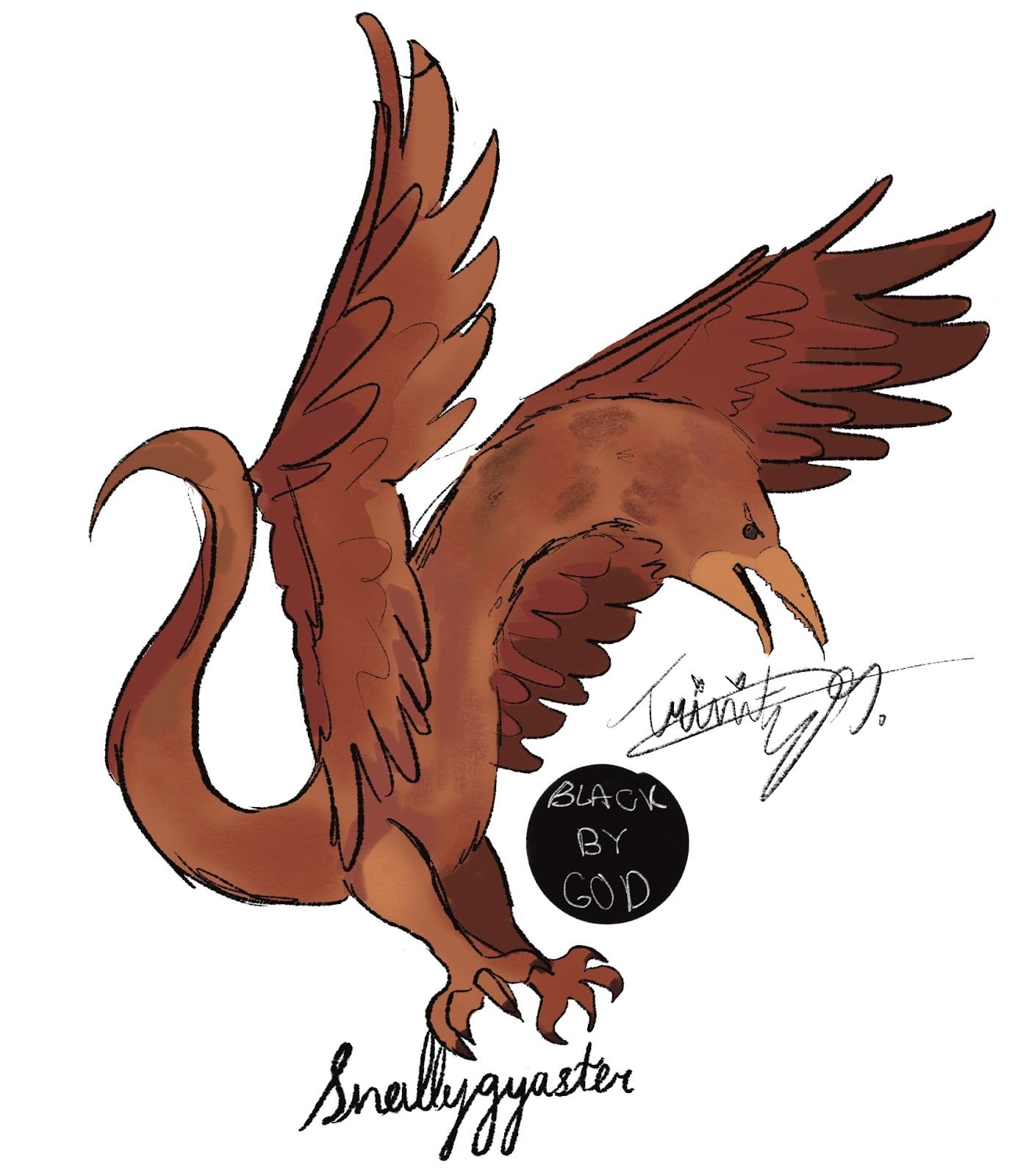
Snallygaster
Location: Eastern Panhandle (Berkeley, Jefferson, and Hampshire Counties) and extending into Maryland
Description: A chimera with reptilian body, bird-like wings, sharp metallic beak, and sometimes tentacles. Described with one eye by some, multiple eyes by others
First Reported Sighting: Early 1700s (brought by German immigrants)
The Story: German settlers used tales of the Schneller Geist (“quick spirit”) to refrain children from wandering into the woods. The creature supposedly hunted livestock and occasionally people.
The Real Talk: A classic example of using monster stories to control behavior—particularly to keep children close and afraid of the unknown wilderness. Or maybe just good storytelling. Hard to say.
Fun Fact: According to legend, it died by falling into a moonshine still during Prohibition and drowning in illegal whiskey. Very West Virginia.
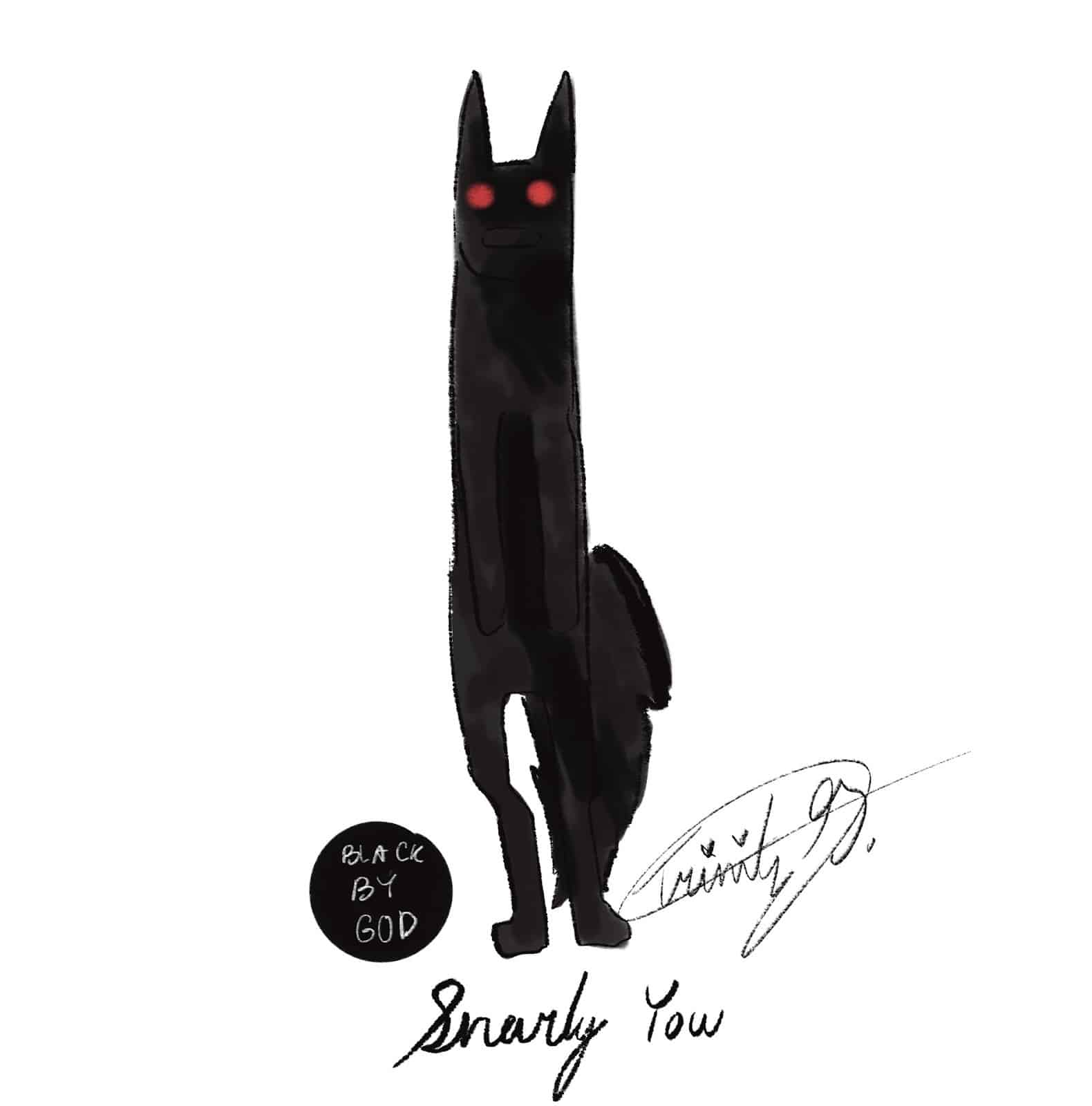
Snarly Yow
Location: Eastern Panhandle (especially Berkeley and Jefferson Counties) and western Maryland
Description: Large black dog with glowing red eyes and red mouth, sometimes walking on hind legs
First Reported Sighting: 1700s
The Story: A supernatural hound that appears on mountain roads, particularly near South Mountain. Witnesses report it cannot be injured or killed—bullets pass right through it. It often appears to travelers at night, following them before vanishing.
The Real Talk: Black dog legends appear across European folklore. Settlers brought their fears with them from the old country. Did they need familiar monsters in an unfamiliar land?
Fun Fact: Believed to be non-corporeal, making it more ghost than cryptid.
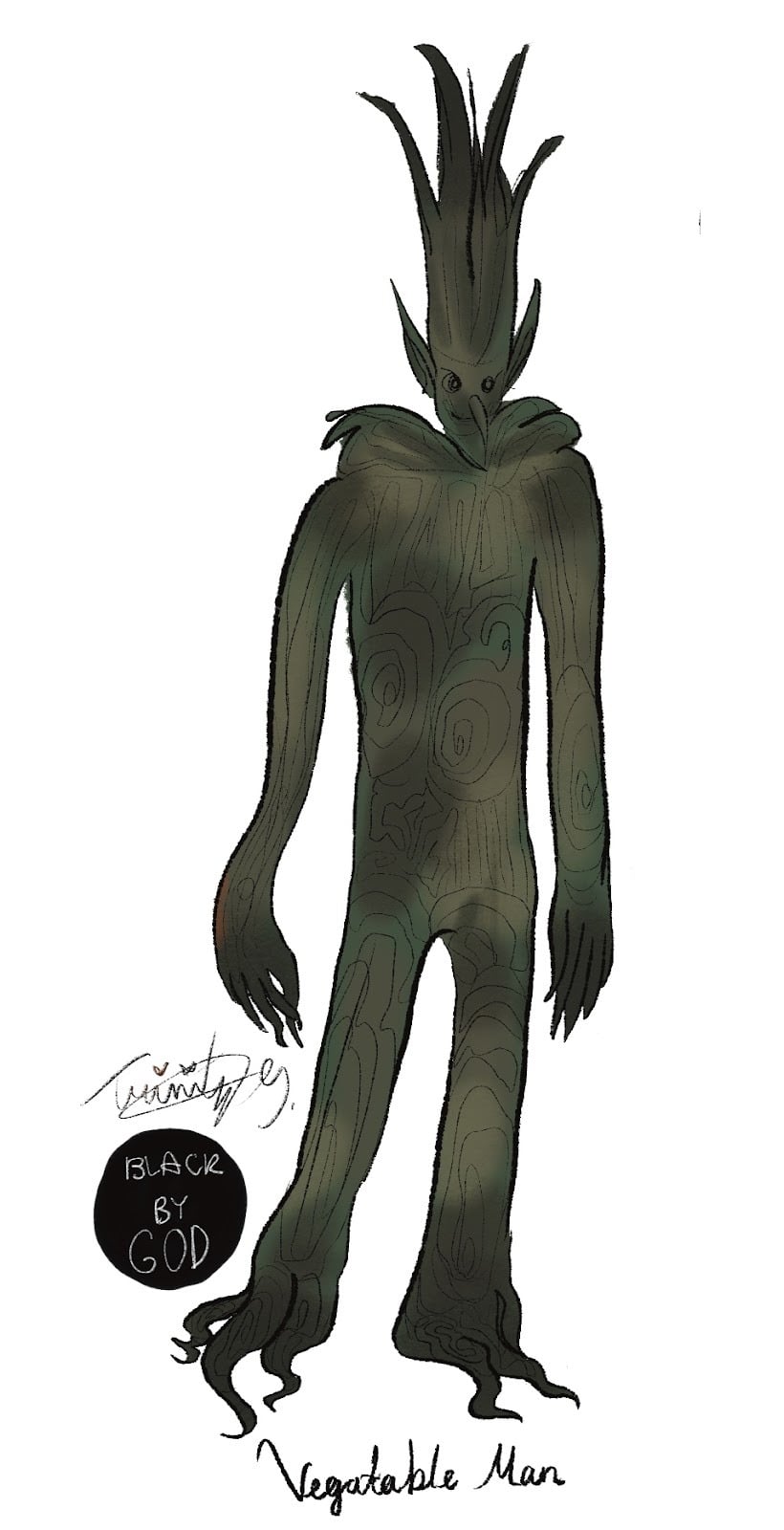
Vegetable Man
Location: Fairmont (Marion County)
Description: 7 feet tall, green humanoid with plant-like features, reed-like limbs, color-shifting eyes, and thorn-tipped fingers with suction cups
First Reported Sighting: October 1968
The Story: Two local men encountered this bizarre creature that seemed to communicate telepathically before disappearing. The single sighting has kept this creature in cryptid lore ever since.
The Real Talk: 1968 was a year of cultural upheaval—assassinations, riots, the Vietnam War. Could our collective anxiety take strange shapes? Seems like it might.
Fun Fact: Despite only one reported encounter, Vegetable Man has become a beloved oddity in West Virginia cryptid culture.
Bat Boy
Location: Greenbrier or Pendleton County (accounts vary)
Description: Young humanoid with large eyes, pointed bat-like ears, claws, and sharp teeth
First Reported Sighting: 1991 (via Weekly World News)
The Story: Allegedly discovered in a cave, Bat Boy became a tabloid sensation. The story was almost certainly fabricated, but it captured imaginations nationwide.
The Real Talk: Created for entertainment, Bat Boy represents how modern media can manufacture folklore almost instantly. In earlier centuries, this story would have been passed down orally for generations before being questioned. Does that make it less “real” as folklore? Depends on who you ask.
Fun Fact: Inspired an off-Broadway musical that ran for over 2,000 performances. Not bad for a probable hoax.
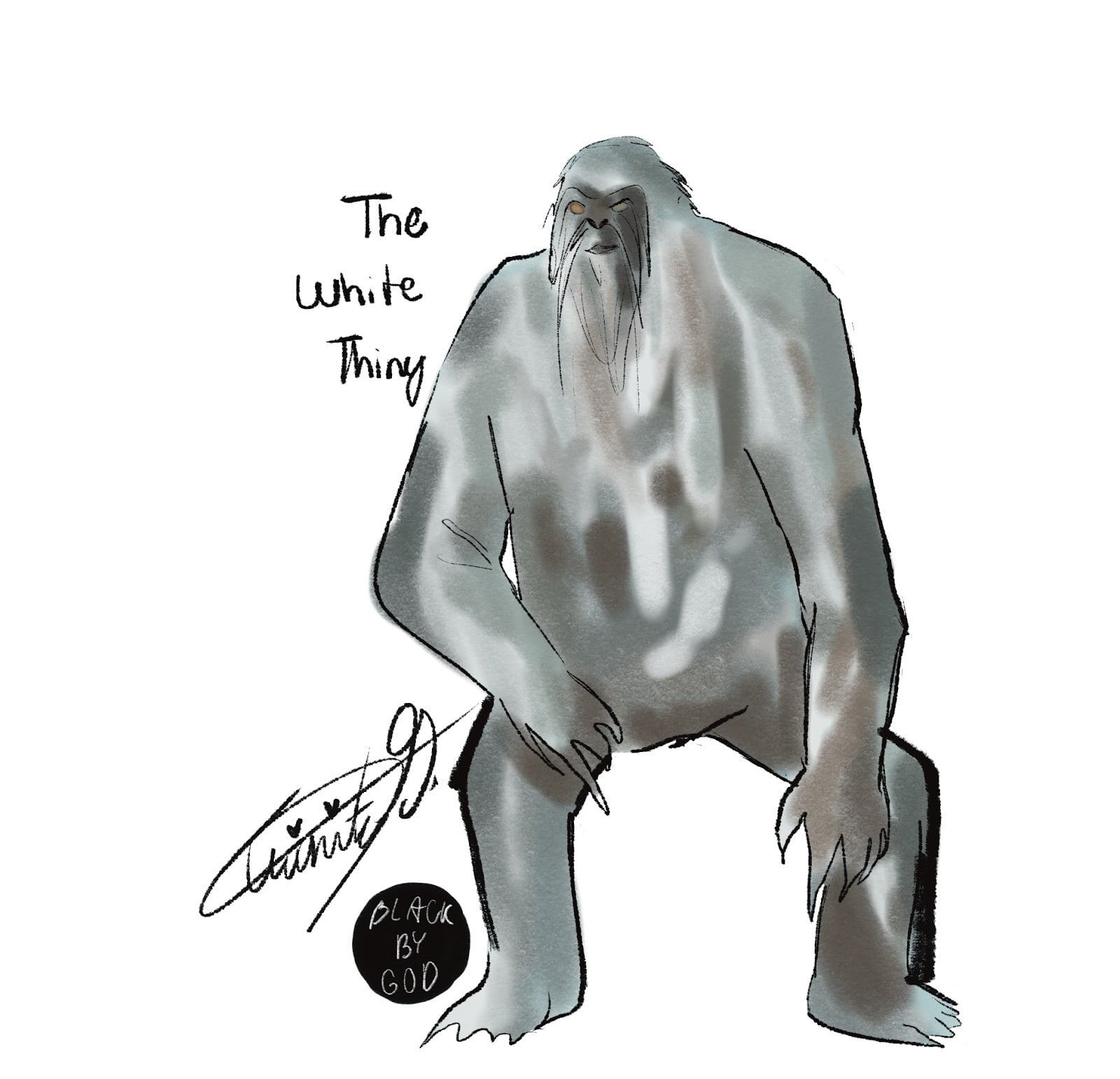
The White Thing
Location: Boone, Kanawha, and Mason Counties
Description: Varies between a massive albino dog-like creature, an ape-like being, or a white-furred humanoid. Always silent and elusive
First Reported Sighting: Mid-1900s (though similar stories may be older)
The Story: Witnesses report this pale creature moving silently through the woods, often disappearing when pursued. Some connect it to ghostly phenomena.
The Real Talk: “White” as a marker of otherness or fear is telling. What we make monstrous often reflects our own anxieties—but what exactly those anxieties are? That’s up for interpretation.
Fun Fact: Descriptions are so varied that skeptics suggest multiple different animals (albino bears, wolves, or deer) might be responsible.
Yahoo
Location: Throughout Appalachian West Virginia
Description: Tall, hairy, ape-like creature similar to Bigfoot. Named for its distinctive screaming call
First Reported Sighting: Accounts go back to early settler days
The Story: The Appalachian version of Sasquatch, the Yahoo is said to roam deep forests, leaving massive footprints and screaming through the night.
The Real Talk: Bigfoot-type legends exist across cultures worldwide. Maybe they represent our unease with wilderness and what we don’t control. Or maybe there’s something out there we haven’t found yet. Who’s to say?
Fun Fact: The name “Yahoo” was later used for an internet search engine, though there’s no connection beyond the word itself.
Kentucky Goblins!
Recently, journalist Lora Eli Smith documented something extraordinary in her Oxford American piece “Gobsmacked! Supernatural Sightings After a Flood.” Following the devastating 2022 floods that killed dozens in Eastern Kentucky, residents began reporting encounters with small goblin-like creatures appearing in broad daylight. Unlike typical cryptid sightings, witnesses weren’t afraid—they reported feeling enchanted.
Were these hallucinations from collective trauma? A way for flood survivors to process overwhelming loss? Local folklorist Matthew R. Sparks suggested the goblins gave traumatized communities something to talk about that felt less devastating than losing homes, land, and loved ones. The sightings eventually stopped, but they served a purpose: in the face of climate disaster, maybe sometimes we need a tinge of enchantment much more than we need explanations.
If you appreciate BBG's work, please support us with a contribution of whatever you can afford.
Support our stories
Author

Related Articles
He Started With a Facebook Debate. Now Grady Woods Is Telling West Virginia’s Story His Way
He Started With a Facebook Debate. Now Grady Woods Is Telling West Virginia’s Story His Way.
