WV Senate once again advances bill to increase prison sentences and parole requirements
SB 137 would raise minimum sentences and minimum time served before eligibility of parole for those convicted of second-degree murder and voluntary manslaughter.
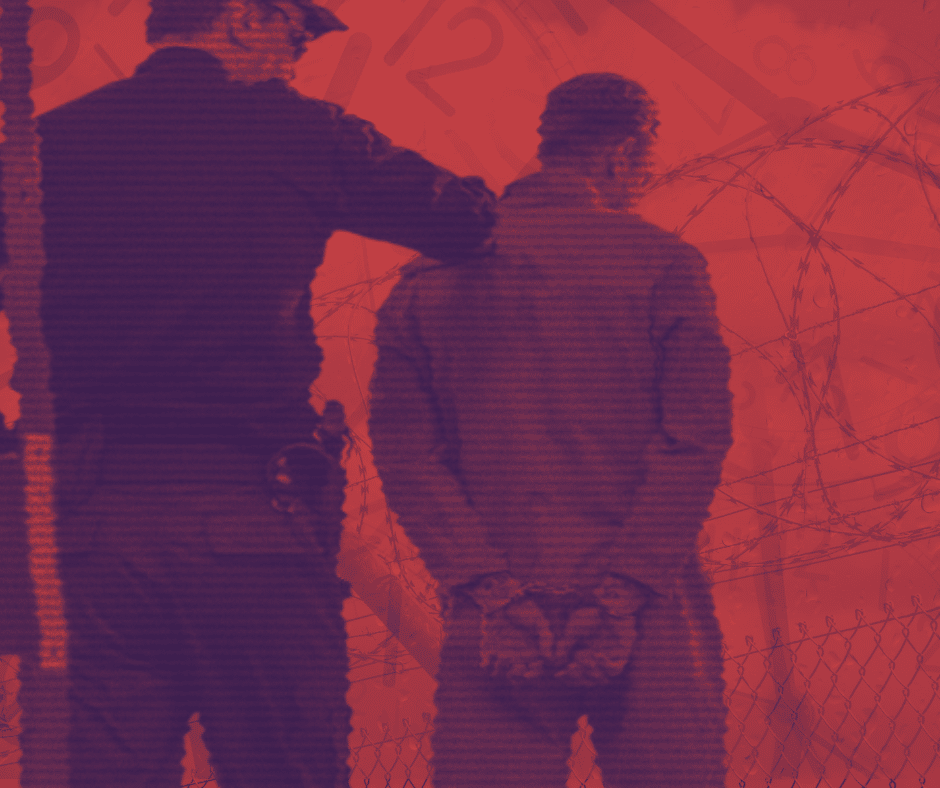
As legislative attention centers on energy, tax reform and job creation following Gov. Patrick Morrisey’s ambitious address, a bill to increase punishments and delay parole for certain crimes has quietly moved forward. It passed the Senate on Friday with only two opposing votes, and thirty “Yeas.”
Sponsored by Sen. Vince Deeds, R-Greenbrier, SB 137 would raise minimum sentences and minimum time served before eligibility of parole for those convicted of second-degree murder and voluntary manslaughter.
For murder in the second degree, the punishment would be no less than 15 years and no more than 60. Right now, it’s a minimum of ten and maximum of 40 years. For voluntary manslaughter, the minimum sentence would rise from three to five years, and the maximum sentence would grow from 15 to 25 years. SB 137 would also increase the time that needs to be served before an incarcerated person is eligible for parole, from ten to fifteen years. This especially affects those who have prior convictions.
Before SB 137 went up for discussion, Sen. Tom Willis, R-Berkeley, spoke in support of the bill, saying it “brings us into alignment with our surrounding/neighboring states.”
We’ll bring the best from BBG right to your inbox. You can easily unsubscribe at any time.
Sign Up for our Newsletters!
Kentucky’s laws on murder in the second degree are the closest to the changes proposed by SB 137, with their sentencing ranging from 20 to 50 years or life in prison for murder. Virginia’s sentencing for that crime ranges from 5 to 40 years, while Maryland has a maximum sentence of 40 years, and Ohio’s sentences range from 15 years to life.
Sen. Joey Garcia, D-Marion, was one of the two nays cast during the floor vote on SB 137. Last year, he was the only opposing vote on SB 136, a nearly identical bill, which later died in the House Judiciary Committee.
“What we have done, when we have raised criminal penalties over the years, is we’ve increased our budget. Severely,” Garcia said. “The people that are going to be staying in our jails, think about this, when you talk about life or 40-year sentences, you are going to have old people in prison. Those people cost more to take care of.”
As of now, 1 in 4 people in West Virginia’s prisons are 50 or older. The number of elderly people in West Virginia’s prisons has also grown substantially in the last two decades. In 2002, there were 445 inmates that were 50 or older, compared to over 1,200 in 2022, according to research from the West Virginia Center on Budget & Policy.
A study from Vanderbilt University suggests that every year spent in prison, it shortens a person’s life expectancy by two years. Health and safety are particular concerns in West Virginia’s prisons, which have some of the nation’s highest rates of inmates dying annually.
The inmates in West Virginia’s overcrowded, unsanitary and frequently deadly jails are also more likely to be Black. According to the Vera Institute of Justice, only 4 percent of West Virginia’s residential population is Black, but Black people take up 17 percent of the state’s jails and 12 percent of its prisons.
Garcia further explained the increased funding that would be needed as a result of West Virginia prisons housing an older population, should SB 137 become law. “Our biggest line item that has increased in corrections is medical spending,” Garcia said.
Even with adjustments made for inflation, the budget for the state’s Division of Corrections and Rehabilitation has increased by almost 40 percent.
Willis concluded discussions on SB 137 by outlining his perspective on the intent and impact. He argued that longer sentences for those convicted could offer a measure of reassurance to families affected by these crimes, noting that extended incarceration may reduce the likelihood of future contact with the offender.
“Humans act based on incentives,” Willis said. He pointed to international examples where severe penalties, in his view, serve as a deterrent to crime, emphasizing that government policy plays a central role in shaping behavior. According to Willis, legislation passed by the body should consider how sentencing laws influence public safety by establishing clear consequences for criminal acts.
Research shared by the Department of Justice suggests that harsher punishments have minimal impact on deterring crime. While moderate sentences could influence behavior, extended incarceration has shown little additional deterrent effect. Lengthening prison sentences is unlikely to reduce crime and instead exacerbates prison overcrowding while driving up long-term costs for the state.
If you appreciate BBG's work, please support us with a contribution of whatever you can afford.
Support our stories
Author