Elevating Black Voices in Appalachia: Reproductive Loss, Silence, and Healing
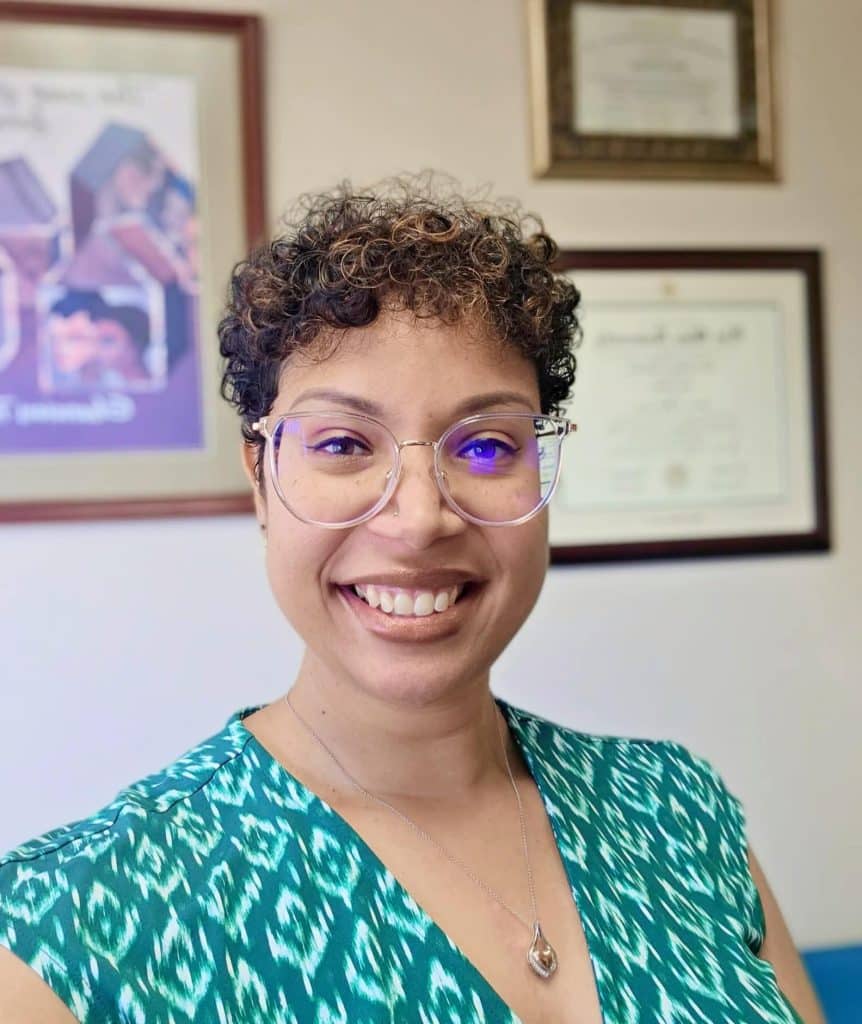
By Dr. Jerica Wesley
Reproductive loss is far more common than many realize, yet for Black women in Appalachia, it is often experienced in silence. My research emerged from both professional commitment and lived experience, rooted in a simple but urgent question: What happens when the stories of Black women in West Virginia are absent from conversations about reproductive loss, care, and healing?
Through in-depth qualitative inquiry with African American women across West Virginia, my dissertation explored how reproductive loss—including miscarriage, stillbirth, infertility, and abortion—shapes emotional well-being while intersecting with medical systems, mental health care, faith, family, and culture. What became clear is that loss is rarely just a medical event. It is layered, relational, historical, and deeply shaped by place.
Elevating Black voices in Appalachia matters because our experiences are not interchangeable with national narratives. Black women in West Virginia navigate reproductive loss within a context marked by rural health disparities, limited access to culturally responsive care, medical mistrust, and longstanding expectations of strength and self-silencing. Participants described feeling unheard by providers, unsupported by systems, and culturally isolated in their grief—yet also sustained by faith, intimate networks, and a deep desire to give voice to others.
A key takeaway from this research for those experiencing reproductive loss is this: your grief is real, valid, and deserving of care—even when it is invisible to others. Healing does not require “moving on,” but rather moving through loss with support that honors your full story. For practitioners, communities, and policymakers, the call is clear—listen more closely, reduce barriers to culturally responsive mental health care, and create spaces where Black women in Appalachia do not have to carry loss alone.
By centering lived experiences, this work affirms that storytelling itself is a form of healing—and that when Black women’s voices are elevated, pathways toward equity, connection, and hope become possible.
If you appreciate BBG's work, please support us with a contribution of whatever you can afford.
Support our stories