
“Make West Virginia Healthy Again” Act would fight obesity, malnutrition, diabetes, and more.
HB 4982 has already passed the House and gone to Governor Patrick Morrisey’s desk. It would give the existing Office of Healthy Lifestyles greater authority, create the Healthy Lifestyle Fund and require Medicaid recipients to have access to additional programs.
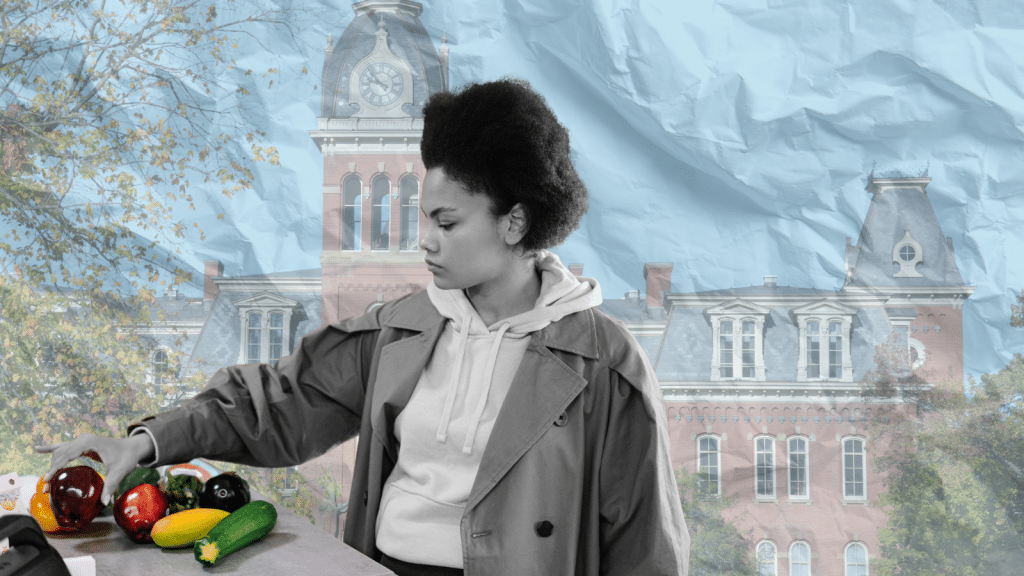
Last month, the West Virginia Senate passed the Make West Virginia Healthy Again Act by a vote of 32-1, with one member absent. Having already passed the House, it went to Governor Patrick Morrisey’s desk.
HB 4982 aims to combat West Virginia’s ongoing epidemic of nutrition-related health problems like obesity, type 2 diabetes and hypertension. The bill does that by giving the existing Office of Healthy Lifestyles greater authority, creating the Healthy Lifestyle Fund and requiring Medicaid recipients to have access to additional programs.
If Gov. Patrick Morrisey signs HB 4982, the Office of Healthy Lifestyles will be required to work with other government agencies to improve access to fresh food, study the health impacts of food dyes and additives, collect data about student fitness and create a farm-to-school program.
The bill would also require Medicaid managed care organizations to offer Food is Medicine programs to patients. Food is Medicine typically includes nutrition counseling by trained professionals, medically tailored meals, produce prescriptions and even free healthy groceries. Per the bill, these programs will rely on food grown or produced locally by West Virginia farmers, supporting the state’s agricultural economy.
We’ll bring the best from BBG right to your inbox. You can easily unsubscribe at any time.
Sign Up for our Newsletters!
The bill would also create new requirements for the Department of Agriculture. It would have to work with the Office of Healthy Lifestyles to complete studies on food dyes and additives, create a map of food deserts and help identify local vendors to grow, sell and distribute healthier foods.
Food deserts are common in West Virginia, especially in areas with high poverty rates. About 25 percent of West Virginians live in a food desert, according to the West Virginia Science and Technology Policy Initiative. Many of them travel 45 minutes or more to access fresh produce because they live in rural areas with little or no access to grocery stores.
Poverty is also common in West Virginia. More than 286,000 West Virginians live in poverty, and more than 73,000 of them are children, according to the West Virginia Center on Budget & Policy.
HB 4982 focuses heavily on helping children. It would require the state Department of Education to work alongside the Office of Healthy Lifestyles to ensure that West Virginia’s students eat healthier and meet recommended physical activity levels.
The bill would require elementary school students to have 30 minutes of physical education at least 3 days a week. Students in middle school would be required to have one full physical education period each school day for a semester. And high school students would have to earn a physical education credit to graduate.
And some good news for West Virginia kids: Under HB 4892, school employees would no longer be allowed to deprive elementary school students of recess as punishment. They also wouldn’t be able to disallow middle school students from participating in physical activities because of their academic performance or behavior.
HB 4892 would require students to take the Presidential Fitness Test, reintroduced through an executive order signed by President Donald Trump in 2025. The test was introduced in 1953 and removed from requirements by former President Barack Obama in 2013. Bringing the test back sparked a bit of controversy within the house, and Del. Kayla Young, D-Kanawha, singled it out. She called the test ineffective and potentially harmful to students earlier this month, according to WVNews.
“This test has never worked—it creates shame and trauma for students rather than encouraging healthy habits,” Young said. “I support the rest of the bill but not this test.”
HB 4892 comes at a time when Congress has made historic cuts to Medicaid and SNAP programs. Estimates show the One Big Beautiful Bill cut nearly $200 billion from SNAP and more than $900 billion from Medicaid, according to Feeding America. About 15 percent of West Virginia’s population relies on SNAP.
Federal cuts will have a disproportionate impact on Black West Virginians. Nearly half of Black West Virginians receive Medicaid, compared with less than one-third of white West Virginians, according to the West Virginia Center on Budget & Policy. Black West Virginians are also more likely to earn below the poverty line, according to the U.S. Census.
While bills like HB 4892 aim to reduce food deserts, combat child obesity and help people of all ages get healthier, they don’t change the fact that many West Virginians can’t afford healthcare or food. Recent funding cuts will make it harder to stay healthy, for the very same people HB 4892 hopes to help.
If you appreciate BBG's work, please support us with a contribution of whatever you can afford.
Support our stories
Related Articles

Looking Back on the Final Day of WV’s 2026 Legislative Session
Filming cops, teacher pay raises, Raylee’s law, cannabis cash and…magic mushrooms?