
Salt and Reclamation: A Black History Dinner on the Ground Where Enslaved Hands Once Worked
By Lekili Kini Dean
MALDEN, W.Va. — The salt remembers.
On the grounds of the JQ Dickinson Salt-Works in the Kanawha Valley — a place where enslaved Black people once labored to harvest salt from the earth — a sold-out crowd gathered this Black History Month this February 27th, 2026, and sat down to eat.
Keyarna “Chef Ke” Frederick hosted a five-course, farm-to-table dinner on that land. She even seasoned the dessert with salt pulled from that same ground. And she did it surrounded by community.
JQ Dickinson Salt-Works has not chosen to hide its history. On its own website, the company states plainly that the Kanawha Valley salt industry “…relied heavily on slave labor…”. Our ancestors were no exception. They owned slaves, and it is necessary and right to acknowledge that the industry was built on the backs of the enslaved.”
People rarely think of West Virginia as once having been a slaveholding state, yet it absolutely was. On this evening, that history was not ignored, it was faced, full on, across a beautifully set table.
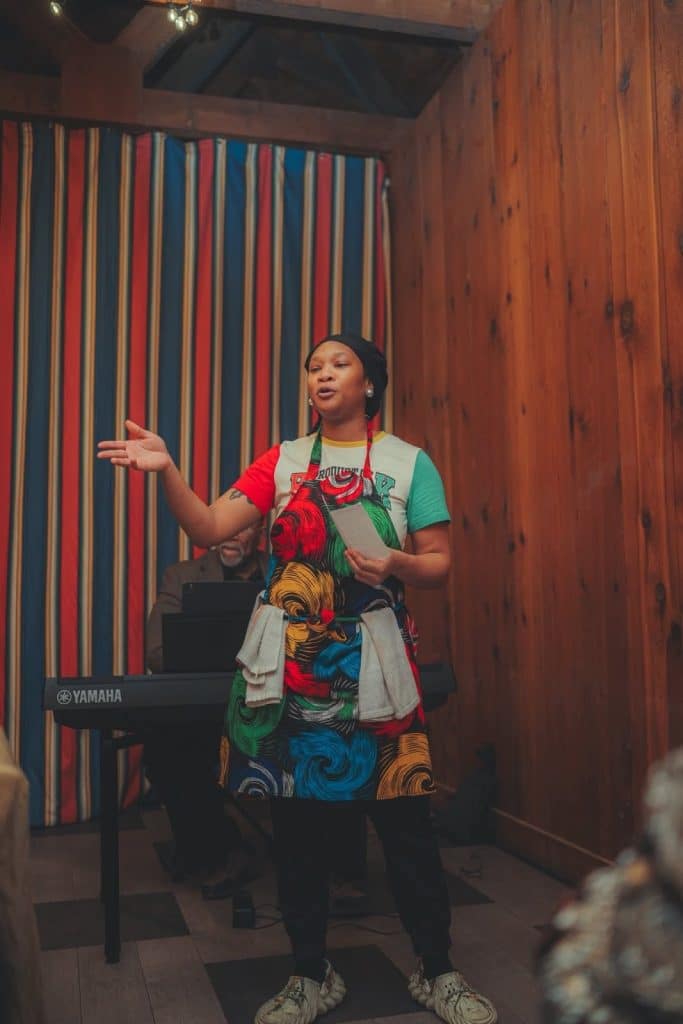
“As long as I continue to hold a platform here in West Virginia, I will continue to work, my mission and purpose with being intentional about working and uplifting Black and minority farmers and gardeners, community gardens and black owned and local businesses here in the state.” ~ Chef Ke
Carrying the Tradition Forward
Let the record be clear: Black folks have been “farm-to-tabling”, meaning eating from their own (or neighboring) land, for many generations. Long before it had a name or became a culinary trend, Black grandmothers were walking out to their gardens and coming back with dinner, even during enslavement. Black farmers were feeding families and communities from land they fought to keep. What Chef Ke is doing is not new — it is ancestral. She is the latest in a long, unbroken line.
Frederick, 27, grew up in Washington, D.C., and came to West Virginia through WV State University, the historically Black university in Institute, where she played basketball. She learned to cook in her mother’s kitchen, and what began at her mother’s feet has since rooted itself deep in the state’s culinary landscape. The sold-out dinner drew guests who said it was their third and fourth time returning to her table.
The crowd was as eclectic as the menu: Black farmers, journalists, artists, entrepreneurs, coaches, teachers, restaurateurs, healthcare providers, nonprofit leaders and community members.
The Room Wept Before the First Course Was Served
On February 27, 2026, musician Bob Thompson set the tone for the evening at the keyboard. But it was Shayla Leftridge who stopped the room.
Leftridge opened the dinner with the Black National Anthem — “Lift Every Voice and Sing” — and her voice brought tears before a single dish touched the table. She didn’t just sing the song. She carried it.
From that moment, the evening knew what it was.
Five Courses, Sourced from the Soil
Each dish was built from ingredients sourced from local West Virginia growers — a deliberate act of economic and cultural solidarity.
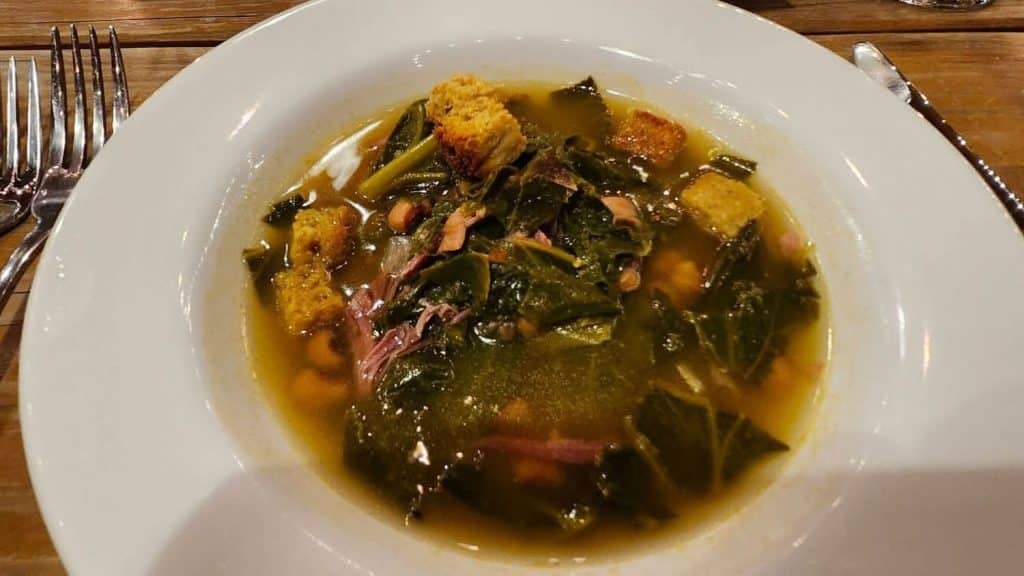
The first course, black-eyed pea and smoked turkey soup with collard greens and Arbaugh Farm cornbread croutons, satisfied diners so completely that it left empty every bowl in the room. A global wildlife photographer said she couldn’t get enough. Others said that it was so delicious that they wanted to lift the bowl and drink it straight, without spoons.
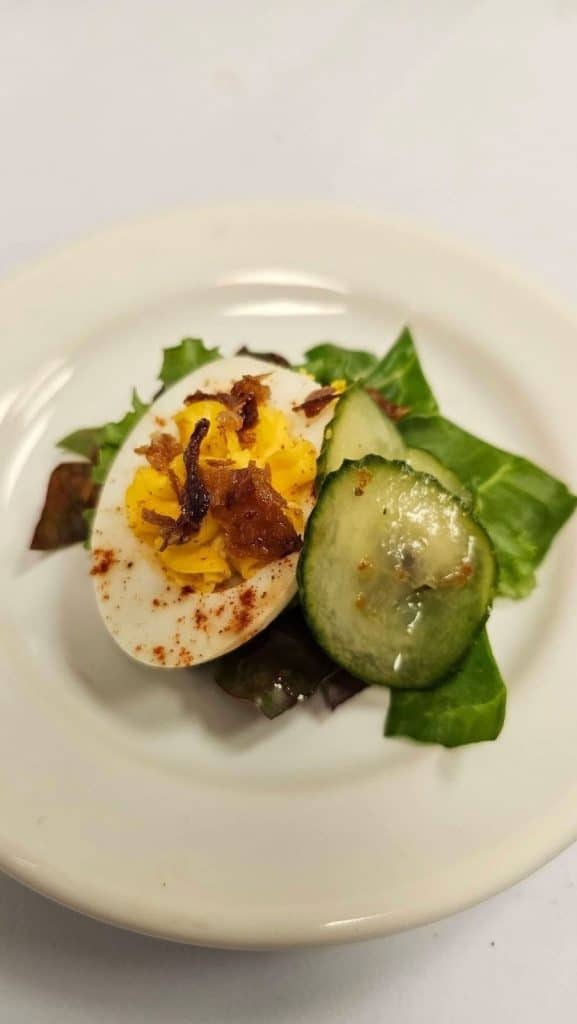
The second course, nested deviled eggs from Unity Sisters Farm with mixed winter greens, crispy chicken skin and house pickles, left guests delighted and reaching for more. Everyone wanting seconds of this second course.
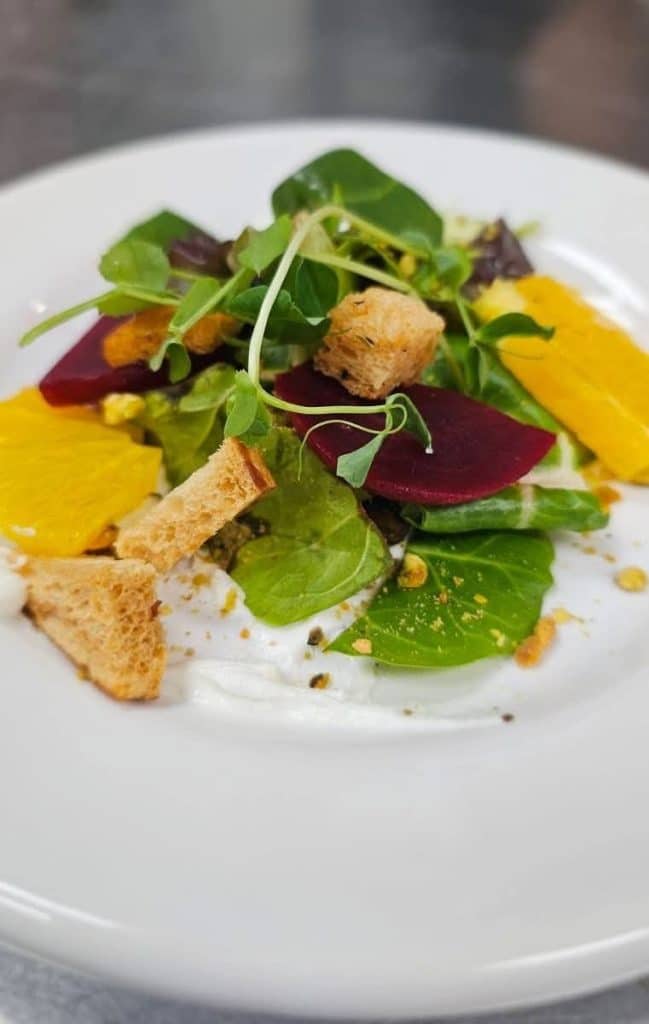
Course three arrived as a pickled beet and citrus salad, tossed with winter greens, navel oranges, whipped goat cheese, pistachios and olive oil croutons — what one guest described as an explosion where fruit and creaminess “married together like a horse and carriage.”
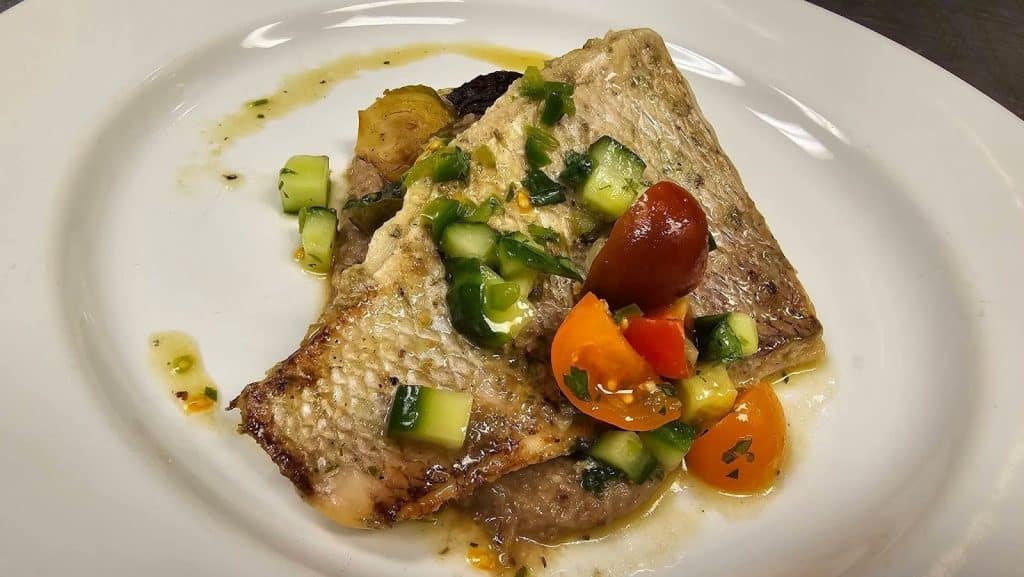
The fourth course featured jerk red snapper dressed with a black-eyed pea purée, roasted Brussels sprouts and cucumber-tomato salsa — a dish that traced the arc of the African diaspora from the Continent, to the Caribbean, and to the Americas in a single plate.
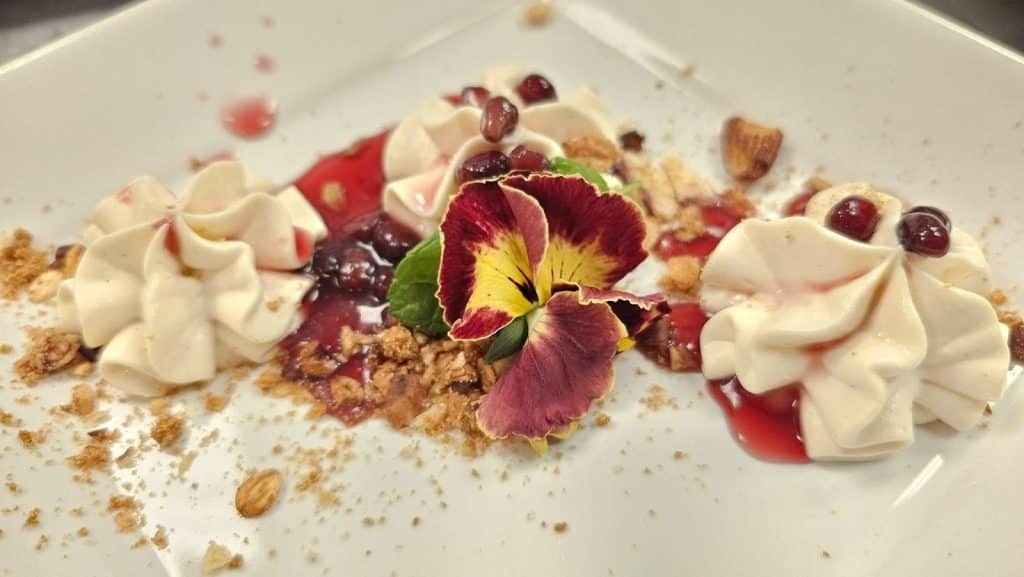
Then came dessert.
The evening closed with a deconstructed cheesecake: pomegranate sauce, Biscoff cookie crumble, Hinerman Hill Farm butter pecan granola, fresh mint — finished with JQ Dickinson salted caramel. The salt came from the very ground beneath their feet. Enslaved people once harvested it. On this night, it punctuated a celebration of Black life, Black food and Black freedom. Heather Robinson, a Physician’s Assistant from Logan County who says she never finishes her food, left not a crumb.
Guests departed with gift bags including Tea Blendy by Elizabeth Greer, Weeds2Teas by Jada Jones and to sweeten the evening, Unity Sisters Farm local honey — a poignant reminder of Black agriculture and apiculture (beekeeping) in West Virginia.
Proceeds with Purpose
The evening’s proceeds went to Chamear Davis, a Charleston agriculture entrepreneur and founder of Mear Mae’s Meadow, which supplies micro greens and organic products throughout the region. Davis began growing food to improve her family’s health. Her work has since grown into what she calls a spiritual practice — from soil to soul, delivering what she describes as “onolicious organic body fuel” to her community.
Restaurateurs and Businesspeople Shared their History and Our Stories.
Otis Laury, the legendary owner of Laury’s Restaurant, was in the room — and generous with it. He shared his mother’s secret for baked “fried chicken”: preheat to 400°, slather the chicken in butter, bake 30 to 40 minutes. A legacy recipe, offered freely, the way Black kitchens have always worked.
Mavery Davis introduced guests to Farmer on the Flag, Black By God’s new multimedia podcast series spotlighting Black farmers, food scientists, herbalists, land trust organizers and next-generation food system leaders across Appalachia — available on BBG’s website and YouTube channel.
Coming This Summer
Chef Ke is already planning her next farm-to-table dinner for Juneteenth for June 19 2026 – 3rd annual at 800 Smith St. Charleston, WV 25301.
The Kanawha Valley salt industry was built by enslaved hands. That history was embedded in the ground long before this evening and will remain long after. But on this February night, Black folks came back to that land; not in bondage, but in joy.
Food, after all, is never just food.
Lekili Kini Dean is a contributor to Black By God: The West Virginian. Appalachian by nurture, Polynesian by nature.
If you appreciate BBG's work, please support us with a contribution of whatever you can afford.
Support our stories
Related Articles
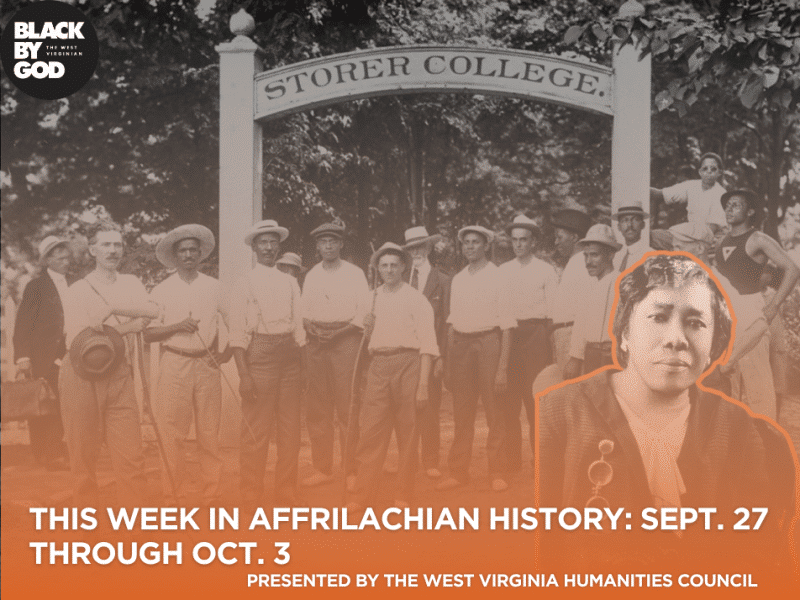
This week in Affrilachian history: Sept. 27 through Oct. 3
Discover key milestones in Affrilachian history: educator Fannie Cobb Carter’s birth and the founding of integrated Storer College in Harpers Ferry.
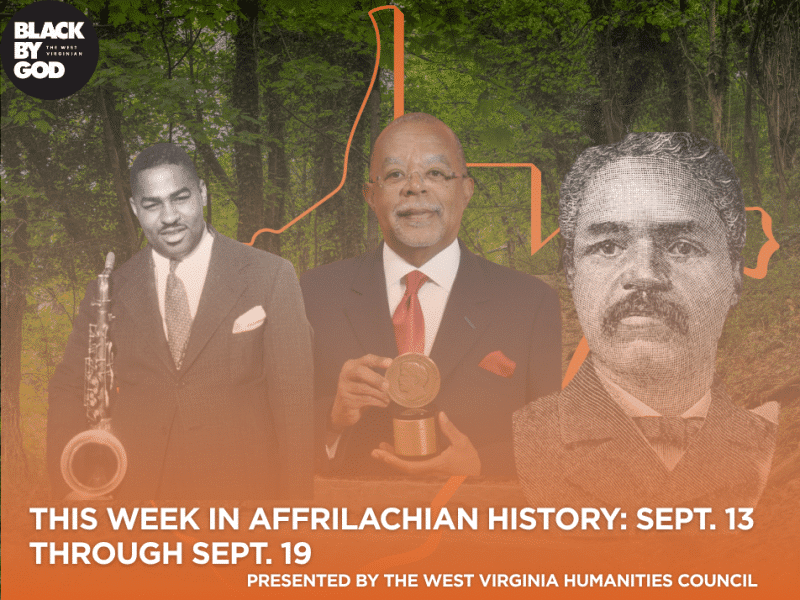
This week in Affrilachian history: Sept. 13 through Sept. 19
Discover key mid-September milestones in Affrilachian history: pioneer lawyer J. R. Clifford, jazz legend Chu Berry, and scholar Henry Louis Gates Jr.
Eastern KY artists celebrate America’s 250, Black history with ‘pursuit of liberty’ quilt
The Southeast Kentucky African American Museum unveils its ‘Pursuit of Liberty’ community quilt project in Hazard, honoring Black history and Appalachian roots.