The Invisible Thread: From Selma to West Virginia

By: Jamie Miller
On March 7, 2026, I had the honor, along with two of my co-workers, of joining other ACLU Southern Collective staff in Selma, Alabama, for the 61st annual Jubilee.
I knew the importance of commemorating “Bloody Sunday,” as it’s called. The day in our collective history when nearly 600, mostly Black Americans, organized and gathered, then walked arm in arm to peacefully march from Selma to Montgomery, whilst demanding equal voting rights.
The first Selma march took place on March 7, 1965, but the marchers never made it to Montgomery. They were instead met just over the Edmund Pettus Bridge, a bridge named after a former Alabama state senator turned KKK grand dragon, by state troopers, local police, and vigilante groups, who violently attacked them with billy clubs and whatever else they could find. It’s a miracle that no one died that day, but the beatings severely injured dozens of marchers.
We’ll bring the best from BBG right to your inbox. You can easily unsubscribe at any time.
Sign Up for our Newsletters!
The Reconstruction period established that Black men had the right to vote and could also hold a public office after the 14th and 15th amendments were added to the Constitution. White Southerners had never truly accepted their loss in the Civil War, so during the Reconstruction and post-Reconstruction periods, there was a resurgence of hate and white supremacy in the South, an uprising of red shirts, and a newly formed group called the KKK, which used violence, intimidation, and the terror of lynchings to scare Black men from attempting to do either. Jim Crow laws were born during this time, and barriers were put into place by racist legislators to suppress voting systematically for those who dared to try. Things like grandfather clauses, polling taxes, and poll quizzes were established.
Poll taxes were costly on purpose. No Black man qualified at all for the grandfather clause, and the poll quizzes, also known as literacy tests, asked impossible questions such as “How many seeds are there in a watermelon?” or “How many bubbles are in a bar of soap?”
It was a purposeful disenfranchisement of Black men in the South, which left them without the newly given power to vote at all, despite our Constitution granting them the equal right to do so. It also needs to be said that Black women, although fighting along with the suffragettes in 1920, were not fully granted the right to vote until 1965, thanks to the Voting Rights Act, which also eliminated the literacy tests that were still in place even then.
I didn’t know what to expect when I first got to Selma. When I travel to new places, there is usually a settling-in process that comes from not knowing the area. It should have felt somewhat foreign, but I didn’t. Selma felt surprisingly comfortable. I felt like I had been there before. There was something unspoken that connected our two regions, an invisible thread that binds us both. I can’t fully articulate it, I am a white woman from West Virginia, and would never begin to compare our histories through the same lens. Yet looking around at the meager houses and crumbling infrastructure, I still felt at home. Both regions have been deliberately neglected. Race war and class war, poverty and struggle remain a daily part of life. Both have a deep history of resistance and uprisings, and despite the ongoing struggle, resilience and joy remain palpable, even amid resource extraction and the stripping of basic human and civil rights. Generational trauma runs through our veins.
I had always scoffed when a news outlet or a random poll included West Virginia with the South because, geographically, it doesn’t make sense, and I was always taught that West Virginia broke away from Virginia because we were better. We fought against slavery, right?
On the last day of our trip, we went to the Legacy Museum in Montgomery. The museum, which is housed in a former cotton warehouse, takes us on a visual tour through the violent, racist history of this country, from the slave-trade to mass incarceration.
In the back of one of the rooms, there are shelves with hundreds of jars, each holding mud and dirt, neatly lined up in rows under lights, as if a scientific project. Each one is labeled and lets the viewer know the state the jarred earth is from, the name of the person, and the date they were lynched, on the remnants of the land filling the vessel. My heart sank as my eyes fell on the jar with West Virginia printed on the label. Anti- lynching laws weren’t on the books until 1921 in West Virginia, and lynchings continued to happen well after that. The Community Remembrance project has identified up to 49 terror lynchings in West Virginia, most of which were Black coal miners and men relocating from the deep south who helped build our state’s infrastructure. The last documented lynching in WV was in 1930.
Selma changed me; it made me uncomfortable and helped me see things more clearly. It is a place that I will never forget, and it cemented the fact that the race war and class war are kin. They are tied together. If you fight for one, you must fight for the other to make real change so that all of us can have a future. Together.
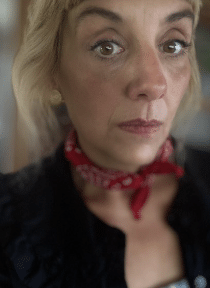
Jamie Miller is an artist, activist, and ACLU-WV staff member born and raised in West Virginia. Her artwork explores Appalachian identity and social justice, seamlessly blending dark whimsy with visual storytelling to advocate for structural change and celebrate regional resilience.
If you appreciate BBG's work, please support us with a contribution of whatever you can afford.
Support our stories
Related Articles
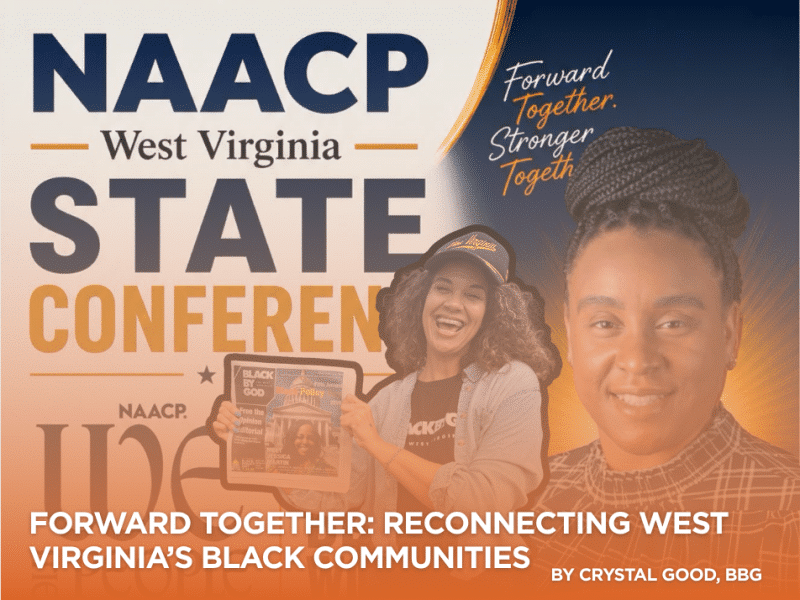
Forward Together: Reconnecting West Virginia’s Black Communities
Crystal Good reflects on Dr. Terri A. Berkley’s NAACP keynote, addressing organizational sustainability, media accessibility, and digital engagement.
Op-Ed: September is National Voter Registration Month
WV Secretary of State Kris Warner encourages Mountain State citizens to verify voter registration and prepare for upcoming elections during Voter Registration Month.