Rooted in Service: Thomas Toliver and the Legacy of Black Agriculture in West Virginia
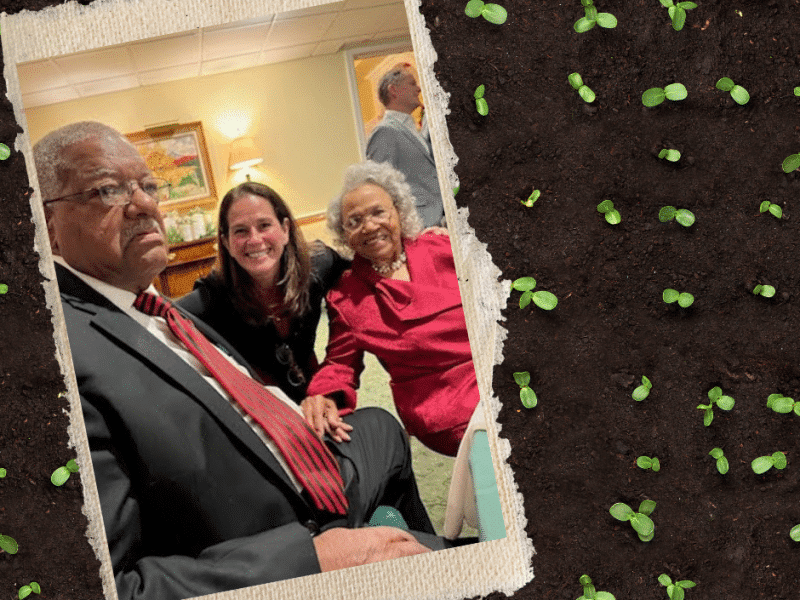

In the heart of Charleston’s West Side, where rich soil meets deep community history, Thomas “Tom” Toliver has spent a lifetime sowing seeds—both literal and symbolic—that continue to nourish generations.
Now 92, Toliver begins each day in the urban garden he helped cultivate decades ago, a quiet plot of resistance and renewal in a neighborhood long shaped by Black labor, faith, and resilience. His story is not just one of public service—it’s a story of Black agricultural stewardship in West Virginia, and the power of land to heal and sustain.
A Vietnam-era Army veteran, ordained minister, and retired power plant worker, Toliver has worn many hats. But perhaps none is more meaningful than that of a Black urban farmer reclaiming land and legacy in a state where Black contributions to agriculture are too often erased or overlooked.
A History of Black Agriculture in West Virginia
Long before terms like “food sovereignty” entered mainstream conversation, Black West Virginians were cultivating land as an act of survival and self-determination. Before and after Emancipation, Black farmers across the state established homesteads, supported each other through cooperative practices, and helped feed communities through times of hardship.
By 1920, nearly 1 million Black farmers across the U.S. owned land. That number has since declined by more than 90%, largely due to systemic discrimination, land dispossession, and exclusion from federal agricultural programs. Today in West Virginia, less than 1% of farm operators are Black. Still, a growing network of Black farmers, land stewards, and urban gardeners is continuing that legacy—particularly in places like Charleston’s West Side, and in rural hubs throughout McDowell, Mercer, and Kanawha Counties.
Toliver is one of those pioneers.
In May, the City of Charleston honored him with a Key to the City and a City Council resolution, recognizing his decades of community service. But for those who know his work in the garden, these honors only echo what’s already rooted in the neighborhood—gratitude for a man who believes in growing people as much as he grows food.
“If you notice, a tomato rots from the inside out,” Toliver says. “So when you deal with people, you better deal with the inside.”
Toliver’s journey began with early jobs landscaping and delivering papers, followed by service in the U.S. Army and 25 years at FMC and the John Amos Power Plant. But after retirement, he shifted his focus to land, food, and faith—volunteering with Union Mission, co-founding Grace Bible Church, and helping deliver meals and spiritual care across the region.
He also helped establish one of the first sustained community gardens on Charleston’s West Side, years before food access and environmental justice became national talking points. For Toliver, gardening wasn’t just about growing vegetables—it was about growing dignity.
What Is Urban Agriculture?
Urban agriculture refers to the practice of cultivating, processing, and distributing food in or around city environments. It can include community gardens, school-based greenhouses, backyard plots, and rooftop farms.
Urban ag supports:
- Food access in underserved neighborhoods
- Youth education and job readiness
- Environmental sustainability
- Community cohesion and healing
In historically redlined and divested areas, urban gardens are also acts of reclaiming power. They create spaces where wellness, resistance, and community can take root—something Thomas Toliver has modeled for decades.
Toliver’s work was nationally recognized in the early 2000s with the Jefferson Award for Public Service. But he remains focused not on accolades, but on action—still tending his rows of tomatoes, greens, and turnips with the same care he brings to nurturing relationships.
At Black By God, we lift up Thomas Toliver not only as a civic leader but as a steward of Black Appalachian land and legacy. His garden tells a story that predates him, but that he continues to write—with every seed planted, every meal shared, and every neighbor greeted with dignity.
At 92, Toliver still reminds us: Black agriculture is not just about food—it’s about sovereignty, healing, and survival.
His hands have powered plants and nurtured gardens. His voice has guided churches and uplifted the incarcerated. And through it all, he has modeled what it means to serve from the inside out.
His roots are deep. His legacy is growing. And the harvest—of health, community, and hope—is still to come
If you appreciate BBG's work, please support us with a contribution of whatever you can afford.
Support our stories
Related Articles
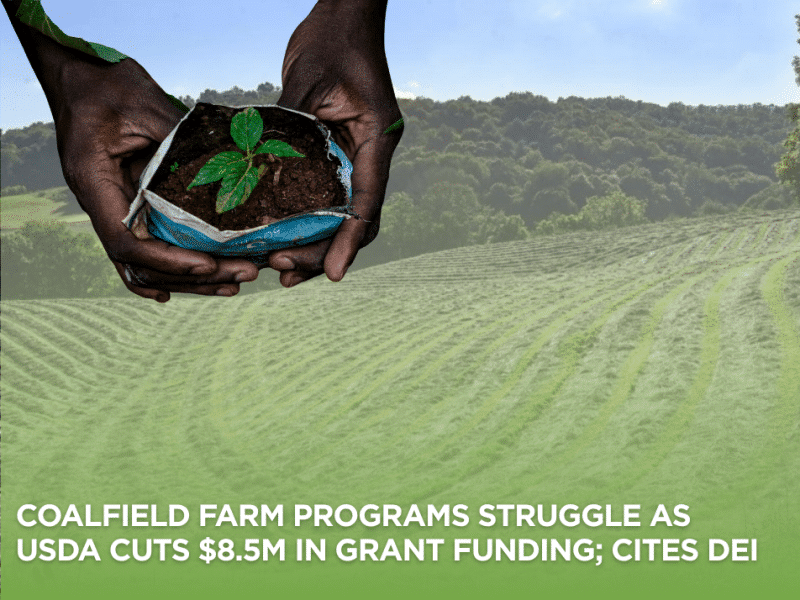
Coalfield programs struggle as USDA cuts $8.5M in grant funding; cites DEI
By Matthew Young | Charleston Gazette-Mail The U.S. Department of Agriculture last week pulled the plug on a $300 million national grant program intended to improve access to land and […]