BBG Tech: The Groundwork for West Virginia to be a Cybersecurity Force is There
By Aiden Satterfield
Some steps have been taken in the right direction to keep West Virginia’s sensitive data secure. I stumbled across some big conversations after the 2025 legislative session. Tech leaders were sounding the alarm even before the session started. They see cybersecurity as a top priority, pushing for legislative muscle to grow the sector. And it’s not just about locking down data; they’re eyeing digital identity and national security tech as the next big frontier. For a state like ours, this could be a game-changer. I was hoping West Virginia would take some big steps in making cybersecurity a top priority. But this legislative session, we saw some small ones.
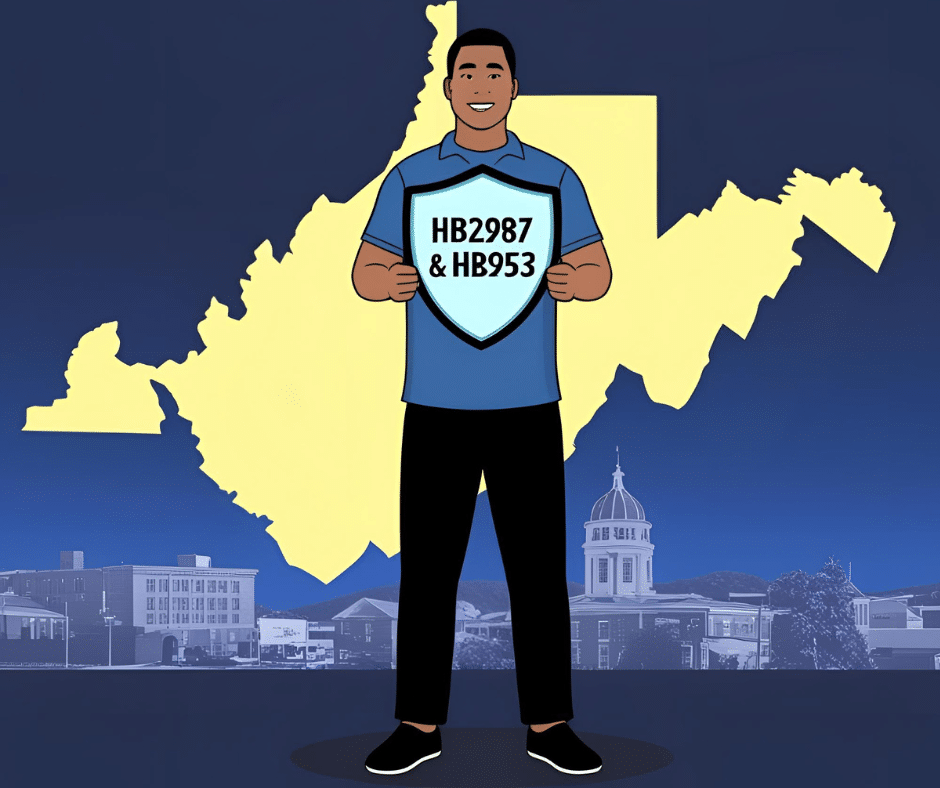
These leaders aren’t just talking for the sake of it. They’re pointing to West Virginia’s unique strengths. Such as the FBI’s Criminal Justice Information Services Division in Clarksburg. The idea is to build on what we’ve already got, bringing in more investment and jobs. Cybersecurity isn’t some far-off issue; it’s about protecting our communities right now. And with the legislature session now over. As two data privacy bills, HB2987 and HB2953, were passed.
While no specific cybersecurity bills were passed, the groundwork is there. Other past sessions saw things like HB5338 in 2024, which tried to give businesses a “safe harbor” for solid cybersecurity programs, and SB426 in 2023, banning risky tech from government systems. This year, leaders wanted funding for training programs, startup tax breaks, and better power for tech parks like the one along I-79. Digital identity tech thinks secure IDs for voting or banking could put West Virginia on the national map. Plus, with national security tied in, we’re talking jobs that don’t just pay well but matter. It’s a chance to flip the script on how West Virginia is seen.
That said, it’s not easy. The flip side is the challenge of keeping up. Tech leaders are worried about workforce gaps and finding enough people with the right skills. West Virginia has to train, or we risk losing talent to bigger cities. I’ll be honest, I don’t plan on staying in West Virginia, but I’ll be back eventually!
How does the state grow this sector without leaving rural spots behind? This is why I’m diving into cybersecurity. Hoop taught me teamwork and grit, but this field is where I can help protect and build something lasting.
For now, I’m excited and curious to see West Virginia stepping up. Cybersecurity is not just about dodging hackers; it’s about creating a future I want to help shed light on. If the state plays its cards right, eventually we can build and work toward keeping America safe online. The groundwork is there. Keep an eye on what’s happening in Charleston over the next year. As new data privacy bills have passed and the state is moving in the right direction. Eventually, it might just redefine what tech means for us.
Aiden Satterfield is a cybersecurity graduate and athlete from Walsh University, and a native West Virginian.
For more information or to engage with BBG Tech contact: info@blackbygod.org. Let’s continue to inspire, inform, and foster an environment where diversity and innovation thrive in the tech industry.
If you appreciate BBG's work, please support us with a contribution of whatever you can afford.
Support our stories
Author