BBG Tech: West Virginia Education Leader Takes AI Classroom Policy to Congress
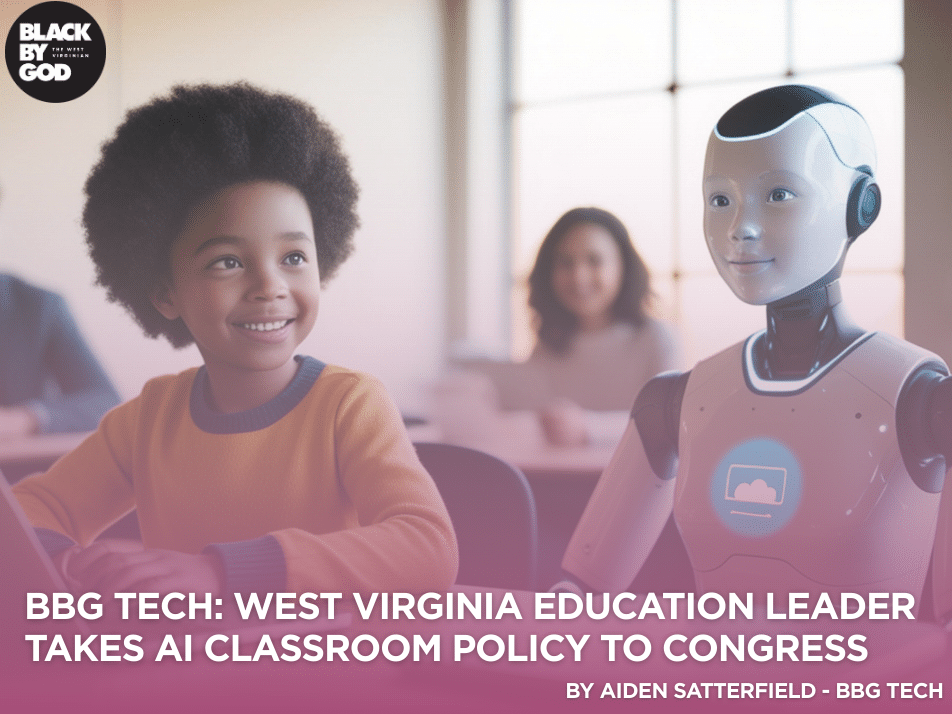
By Aiden Satterfield | BBG Tech
West Virginia is stepping onto the national stage in the debate over artificial intelligence in education.
Last month, West Virginia State Superintendent of Schools Michele Blatt testified before a U.S. House Committee on Education and Workforce’s Subcommittee on Early Childhood, Elementary, and Secondary Education during a hearing titled “Building an AI-Ready America: Teaching in the AI Age.”
Blatt shared how West Virginia schools are navigating the rapid rise of AI in classrooms while trying to balance innovation, safety, and student learning. Her testimony focused on guiding AI use in ways that protect students, preserve the role of educators, and align with long-term educational goals.
“I appreciate the Subcommittee’s interest in a fact-finding conversation about how AI is being used across schools,” Blatt said in written testimony, emphasizing the need to understand what is working, where challenges remain, and what support educators need.
West Virginia has positioned itself as an early adopter of AI policy in education. The state was among the first to develop formal guidance for generative AI classroom use, releasing statewide recommendations in 2023 and updating them annually.
The West Virginia Department of Education has been experimenting with AI even longer. Officials began using AI tools for data analysis as early as 2019, and the state has worked to integrate technology into teaching practices while maintaining privacy protections and instructional oversight.
Blatt testified alongside national education and technology leaders as lawmakers examine how schools across the country are adapting to AI-driven change. The hearing reflects growing federal attention to artificial intelligence in K-12 education, particularly around teacher training, classroom use, student privacy, and long-term implementation costs.
Artificial intelligence is already reshaping how students learn, how teachers teach, and how schools operate. West Virginia’s decision to develop early guidance and bring its approach before Congress signals that the state does not intend to simply react to national policy but to help influence it.
At the same time, the broader debate over AI in classrooms remains unsettled. Educators and parents across the country continue to raise concerns about academic integrity, student data security, potential algorithmic bias, and whether schools — especially rural or underfunded districts — have the infrastructure and training necessary to implement AI equitably. While AI tools may offer new efficiencies and creative learning opportunities, their long-term impact on student critical thinking and teacher workload is still evolving.
West Virginia’s approach could serve as a model for responsible integration of artificial intelligence into public education before federal rules fully take shape. Or it could reveal the challenges that come with moving quickly in a rapidly changing technological landscape. Either way, the policies being shaped now will likely influence how a generation of West Virginia students learns, creates, and prepares for an increasingly AI-driven workforce.
Whether this moment proves to be a lasting step forward will depend not only on innovation, but on continued oversight, transparency, and meaningful input from educators, parents, and students themselves.

If you appreciate BBG's work, please support us with a contribution of whatever you can afford.
Support our stories
Author