
Appalachia’s Hidden Crisis: The Plight of Black West Virginians and Prison Food
Despite Black West Virginians making up just 3.7% of the state’s total populace, they are overrepresented in its prisons, accounting for 12.1% of the incarcerated.
West Virginia, a state plagued by numerous visible and often unnoticed challenges, is now faced with a deeply concerning issue: the deteriorating quality of prison food.
This pressing concern is amplified within the African-American community. Despite Black West Virginians making up just 3.7% of the state’s total populace, they are overrepresented in its prisons, accounting for 12.1% of the incarcerated. This stark demographic discrepancy positions Black West Virginians at the crossroads of racial inequities and the downward spiral of prison nutrition.
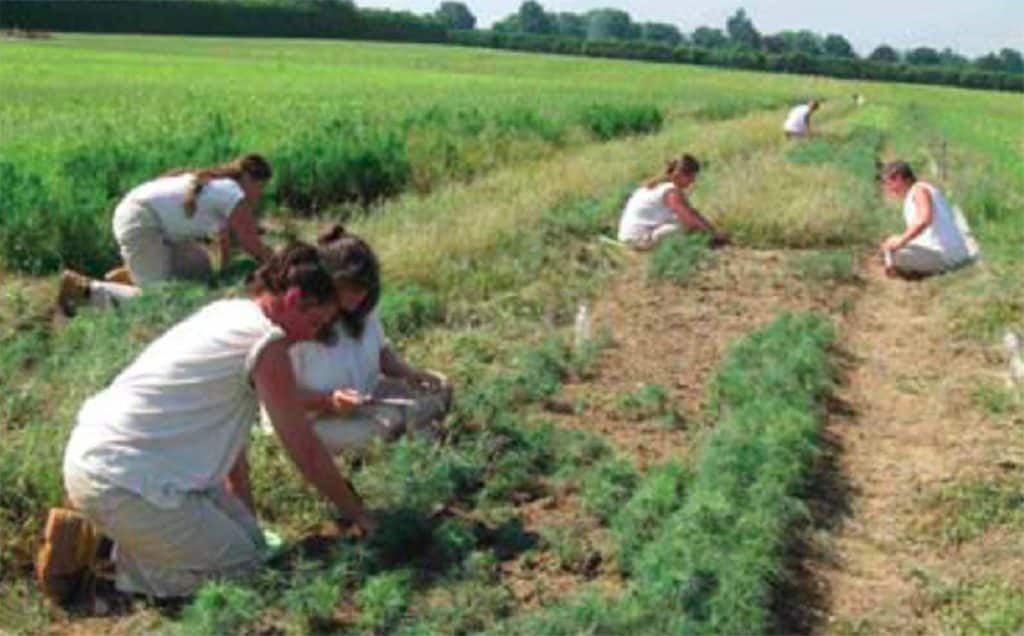
Historical accounts reflect that the meals provided in West Virginia’s correctional facilities, while not exemplary, held a semblance of dignity and nutritional adequacy. Meals often featured fresh produce harvested directly from prison gardens and greenhouses. But this narrative took a downturn with the advent of private food service contractors, notably Aramark in West Virginia. The once-prominent fresh food offerings started waning, replaced by reheated and processed alternatives. The once-thriving prison gardens sadly became mere memories.
For Black inmates, the repercussions of this shift extend beyond mere dissatisfaction with food. They face an uphill battle for their health and well-being, compounded by the challenges associated with racial disparities in incarceration. The detrimental health outcomes of inadequate diets – from diabetes to heart conditions – are not unfamiliar within the African-American demographic. The subpar prison food only intensifies these concerns, posing a two-pronged assault on their health.
We’ll bring the best from BBG right to your inbox. You can easily unsubscribe at any time.
Sign Up for our Newsletters!
From a fiscal perspective, the ramifications of the declining food standards are alarming. Over two decades, prison medical expenses have burgeoned, escalating from $10.2 million to a staggering $22.7 million. This financial burden is not equitably distributed. With Black West Virginians being disproportionately represented in prisons, they disproportionately bear the brunt of these institutional lapses.
From “A Tale of Two Kitchens” by Teri Castle & Sara Whitaker
Because of the limited choices available, prison food can worsen existing medical conditions. A man who had been prescribed a medical diet for kidney disease by the prison medical provider found that the dining service would not accommodate his medical needs. When he inquired to learn more, a kitchen worker told him,“I got nothing to do with that.” Our state has paid the price. In the last two decades, prison medical expenditures more than doubled, from $10.2 million per year to $22.7 million.
The path forward demands a bifocal approach. On one hand, there is an imperative to overhaul the prison food infrastructure, ensuring that every inmate, irrespective of racial background, is served nutritious meals. On the other hand, the persistent racial disparities plaguing West Virginia’s incarceration system cannot be ignored and require immediate redressal. The decisions taken today will indelibly impact the legacy of West Virginia, setting the course for future Black West Virginian generations.
Informed by the poignant narrative from “A Tale of Two Kitchens” by Teri Castle & Sara Whitaker, published by the West Virginia Center for Budget and Policy, this article delves deeper into the lived experiences of individuals incarcerated across West Virginia. The report vividly depicts the prison food landscape, tracing its descent from fresh produce to processed fare. It underscores the importance of addressing the systemic issues, from racial imbalances to health concerns, plaguing the state’s prison system.

From The High Costs of Cheap Food: Eating in West Virginia Prisons
Key Insights:
Racial Discrepancies: Black West Virginians represent a mere 3.7% of the state’s population but account for 12.1% of its prison inmates.
Aging Prison Population: Inmates aged 50 and above have surged from 445 in 2002 to 1,209 in the present.
Economic Strain: The last 20 years have seen prison medical expenses in West Virginia rise from $10.2 million to $22.7 million, partly due to health issues exacerbated by poor diets.
Transparency Concerns: Over $57.1 million has been expended outside the state for prison food since 2015. A restructuring eliminated the Purchasing Division’s oversight of prison contracts, leading to the opacity of millions of state dollars being sent to out-of-state food vendors with little public input.
Health Risks: Prisoners are more prone to conditions like diabetes and heart disease, and the prevalent prison diet further aggravates these health challenges.
Implications for Released Inmates: Given that approximately 95% of prisoners will eventually be released, with an average of 3,200 leaving West Virginia prisons annually, prioritizing their health is paramount.
If you appreciate BBG's work, please support us with a contribution of whatever you can afford.
Support our stories
Related Articles

‘I wasn’t homeless because I was using, I was using because I was homeless’ – former unhoused talk long path to rejoining society
Truth Pharm presents participant-informed research on homelessness, digital barriers, and care systems at CEG’s 3rd Annual Syndemic Summit in Huntington, WV.

Local experts talk history, discuss the impact of Trump’s campaign to end Birthright Citizenship
Panelists at a Charleston library forum unpack birthright citizenship, the 14th Amendment, legal precedent, and civil rights protections in West Virginia.

This week in Affrilachian history: Sept. 6 through Sept. 12
Explore key September moments in Affrilachian history: WV’s first Black legislator, Harlem Renaissance author John Matheus, and John Henry’s legend.