Kids, the Working Poor and People of Color: What Persistent Poverty Looks Like in West Virginia
Advocates and experts say that the way poverty looks in West Virginia — and the way it can be solved — is different than many people might imagine.
La Shawn Pagán, Mountain State Spotlight
For the next two months, lawmakers will be at the state Capitol for their annual legislative session. Each year is a chance for them to pass new laws, as well as make sure those that are already in place are achieving what they intended.
In one of the poorest states in the nation, for some, a key question is whether the laws in place are in fact helping all West Virginians — including the more than 300,000 residents living in poverty. In many places around the state, this isn’t a new problem: 11 of West Virginia’s 55 counties are classified as “in persistent poverty” by the U.S. Census Bureau, having a poverty rate of 20% or higher continually for the past three decades.
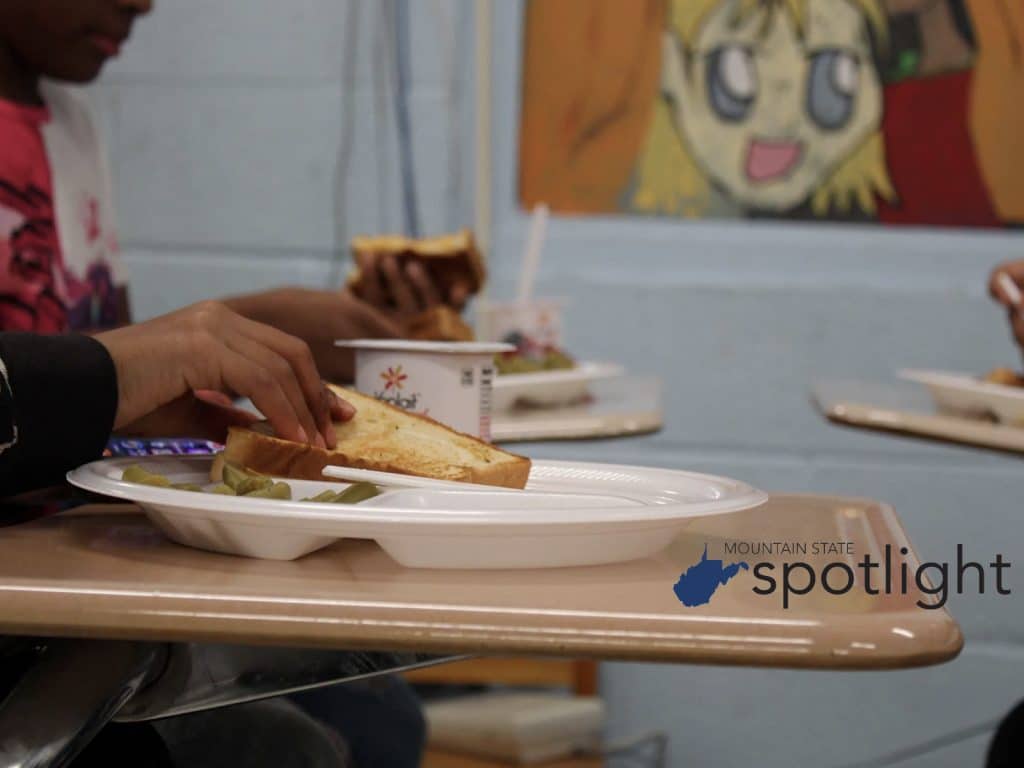
In the past, often lawmakers have passed laws and proposed plans to reduce poverty in the state by tackling the issue like a sprint, and not the marathon that it actually is.
We’ll bring the best from BBG right to your inbox. You can easily unsubscribe at any time.
Sign Up for our Newsletters!
“I know that there are great people doing great work, but they develop these programs and these projects to service the poor, when no one is focusing on helping the poor, not being poor,” said Dr. Shanequa Smith.
Smith, who has a masters in school counseling from Marshall University and a doctorate in human and community development from West Virginia University, works with one of the communities most impacted by poverty: Charleston’s West Side.
She said poverty is a deeply rooted issue that needs more attention and dedication from the ground up in order for there to be real change.
Sign up for our weekly newsletter. Get more in-depth reporting like this story delivered to your inbox every Monday morning.Subscribe!
“We won’t get out of poverty until we heal,” she said.
How is poverty defined?
The U.S. Census defines poverty by looking at a family’s income and measuring it against a set threshold, or base income, needed to cover basic needs such as housing, groceries and medical costs.
The earning threshold for poverty varies from state to state and family to family. The Census estimates that for a family of four, they are considered poor if their income is $30,000 a year. Many federal and state programs — like SNAP and TANF — offer services to people who earn slightly more, up to a certain percentage above the federal poverty level.
Who is living under the poverty line in West Virginia?
When people think about a poor person, they often think about someone going through addiction, or experiencing homelessness. But many fail to imagine working families as those who are often experiencing poverty, and as the Census data shows, an estimated 76% of people living below the poverty line in West Virginia are employed in some capacity.
“I know mothers that work over 40 hours a week, and do not have enough money to buy their children food,” Smith said, adding that she also knows of working parents who have worked for decades and still qualify for government assistance programs such as Supplemental Nutrition Assistance Program and Medicaid.

Just like across the nation, West Virginians of color are more likely to be classified as poor: more than 30% of Black West Virginians and 22% of Latino West Virginians are living in poverty, according to data from the West Virginia Center on Budget and Policy.
But a large number of West Virginia’s poor are children.
Between 2021 and 2022, West Virginia was the only state to see an increase in the number of children experiencing poverty — going from 20.7% to 25% of kids in the state.
The “stingy” laws keeping families and children in poverty
The federal minimum wage is $7.25 an hour — where it’s been since 2009. In West Virginia, it’s slightly higher: in 2014, lawmakers passed a bill to raise the state’s minimum wage incrementally. Since 2015, it’s been $8.75 an hour. Even so, it would take working 62 hours a week at that rate for a worker to afford a modest one-bedroom rental house, according to the National Low Income Housing Coalition.
Kelly Allen, director of the West Virginia Center on Budget and Policy, says that the affordability crisis has been exacerbated by increasing restrictions on aid programs.
“We have very stingy programs, like TANF, which is the only cash assistance program in the state for very low income families,” Allen said. “And lawmakers kind of chipped away at it and it’s serving very, very few families.
This story was published in Mountain State Spotlight on Jan. 16, 2024. La Shawn Pagán is Mountain State Spotlight’s Economic Justice Reporter.
If you appreciate BBG's work, please support us with a contribution of whatever you can afford.
Support our stories