
Black History Was Born in West Virginia: Carter G. Woodson’s Enduring Legacy
West Virginians can boast of having more than their share of great African American leaders who have profoundly impacted American history, from Booker T. Washington to Henry Louis Gates Jr. Other notable figures include John W. Davis, a legal scholar and the first Black president of West Virginia State University; Memphis Tennessee Garrison, a civil rights leader and organizer for the NAACP; Leon Sullivan, a minister and activist known for his work in economic development; and Hal Greer, the first African American basketball player at Marshall University and an NBA Hall of Famer. Among these influential figures, Carter G. Woodson stands out as a towering intellect whose contributions to African American history remain unparalleled. Known as the “Father of Black History,” Woodson was a historian, educator, and publisher who established Negro History Week—now celebrated as Black History Month.
While Black History Month is now a nationwide celebration, its roots can be traced directly to West Virginia. Woodson’s formative years in the state were instrumental in shaping his vision for historical preservation. His time in the coal mines of Fayette County exposed him to the power of collective knowledge through Oliver Jones, a Civil War veteran who operated a reading room for Black miners. Here, in the heart of West Virginia, Woodson developed the passion for Black history that would define his life’s work. This early experience profoundly influenced his commitment to ensuring that African American contributions were recorded and celebrated.
Determined to further his education, Woodson left the mines and enrolled at Douglass High School in Huntington, where he completed his high school education in just two years. He then attended Berea College in Kentucky before returning to West Virginia to teach in Fayette County. As an educator, Woodson saw firsthand the disparities in educational opportunities for Black students. This realization reinforced his belief in preserving Black history as a means of empowerment.
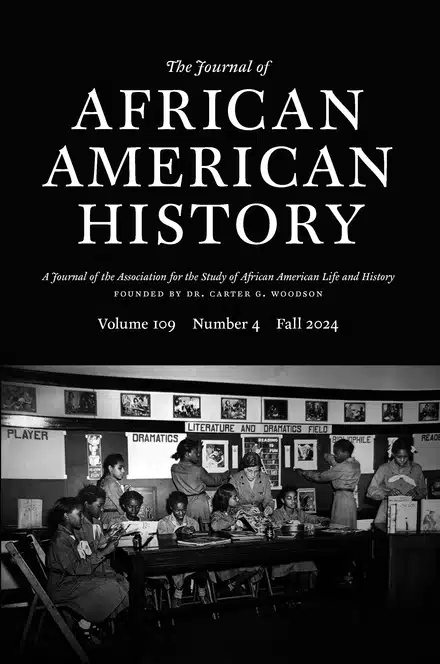
Woodson’s commitment to education and historical scholarship extended to the Black press, recognizing its power in shaping narratives and fostering awareness. In 1915, he founded the Association for the Study of Negro Life and History, which later published The Journal of Negro History (Now titled The Journal of African American History). He also launched the Negro History Bulletin in 1937, ensuring that stories of Black resilience and achievement reached as many people as possible. His understanding drove his dedication to historical accuracy and representation that knowledge of one’s past is a foundation for future empowerment.
While Woodson’s legacy is widely recognized, his family’s story unfolds. His sister, Betsy Woodson, whose role in the family’s history is often overshadowed, will receive a long-overdue honor this March by placing a formal headstone in Huntington, WV (thanks to the Black In Appalachia podcast) on her grave site. This commemoration serves as a reminder that history is not just about singular figures but also about the communities and families that supported them.
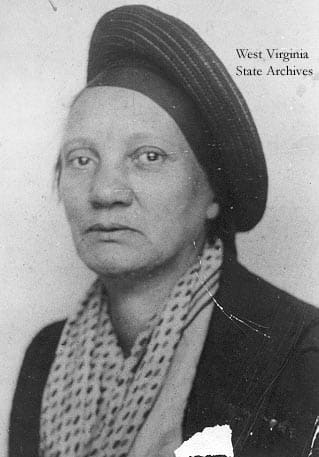
West Virginia played a formative role in shaping Carter G. Woodson, and his legacy continues to inspire Black scholars, journalists, and activists. As a movement and an academic discipline, Black history began right here in the Mountain State, driven by Woodson’s firsthand experiences and determination to ensure that Black stories were told. As we celebrate his contributions, we also recognize the importance of the Black press in amplifying voices that have been historically marginalized. Stay tuned for event details on the dedication of Betsy Woodson’s headstone and other initiatives honoring Woodson’s enduring impact.
If you appreciate BBG's work, please support us with a contribution of whatever you can afford.
Support our stories
Related Articles
Beneath the Surface: What Garlic Teaches Us About Modern Resistance
How a Network of Black Appalachian Growers Is Building Community Food Infrastructure One Clove at a Time

