
Two Miles. Two Legends. One West Virginia Valley That Helped Shape America.
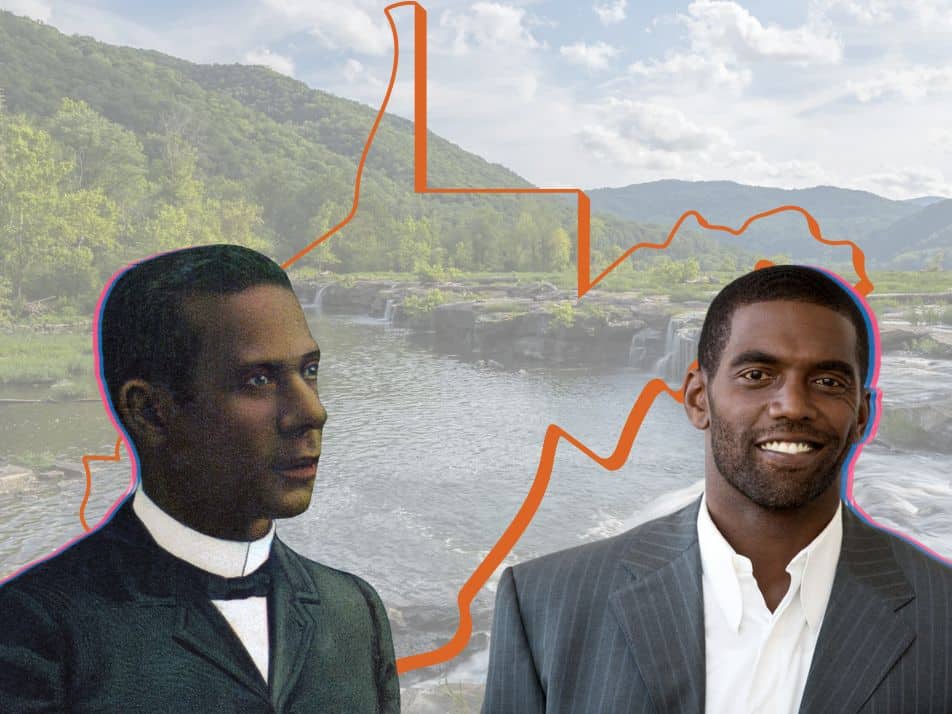
Along a quiet stretch of the Kanawha River in West Virginia sit two small communities separated by just two miles — Malden and Rand. From this narrow pocket of Appalachian soil emerged two men whose impact would reach far beyond the mountains.
In Malden, a young Booker T. Washington spent his early years after emancipation working in salt furnaces and coal mines. Born into slavery in 1856, his childhood was defined by labor and limited opportunity. But even as a boy, Washington was determined to pursue education. He studied whenever he could, often after long days of work.
From this valley, he would go on to attend the Hampton Institute, and later found the Tuskegee Institute in Alabama. Under his leadership, Tuskegee became one of the most influential Black educational institutions in American history. As an educator, author, and advisor to U.S. presidents, Washington became a leading national voice on Black advancement in the late 19th and early 20th centuries. His emphasis on education, economic development, and institution-building shaped generations.
Just two miles down the road in Rand, more than a century later, another legend was rising.
Randy Moss grew up in the same Kanawha Valley hills and would become one of the most dominant wide receivers in NFL history. Before the Hall of Fame speeches and record-breaking seasons, Moss was a multi-sport standout from a small West Virginia community few outside the state could locate on a map.
When he entered the league, Moss did more than post extraordinary numbers. Defensive coordinators redesigned schemes to contain him. His speed and reach transformed offensive strategy. His highlight-reel catches became cultural moments. So dominant was his play that his name became a verb: “You got Mossed.”
One built institutions that educated generations.
One reshaped professional football for a generation.
Two miles apart.
Two different centuries.
Global impact.
For many Americans, West Virginia is rarely centered in conversations about national influence. Yet this small valley produced a foundational architect of Black education and a transformative figure in modern sports culture. Their stories challenge assumptions about where greatness comes from.
Black History Month invites us to look beyond headlines and rediscover the overlooked places that shaped America’s story. Malden and Rand remind us that history is not only made in major cities — it is forged in small communities with big vision.
At BBG, we believe in lifting up stories like these — stories that connect past and present, local and national, legacy and possibility. Because sometimes, the road to global impact begins just two miles apart.
If you appreciate BBG's work, please support us with a contribution of whatever you can afford.
Support our stories
Related Articles
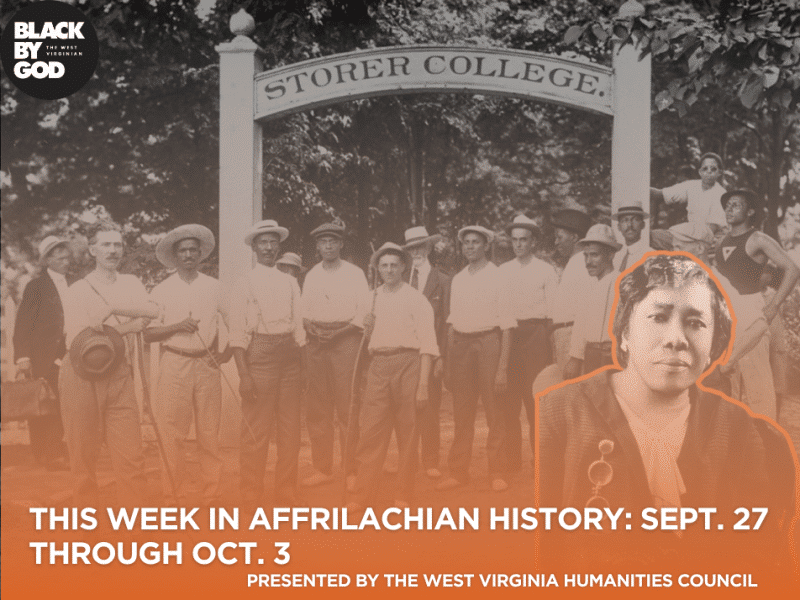
This week in Affrilachian history: Sept. 27 through Oct. 3
Discover key milestones in Affrilachian history: educator Fannie Cobb Carter’s birth and the founding of integrated Storer College in Harpers Ferry.
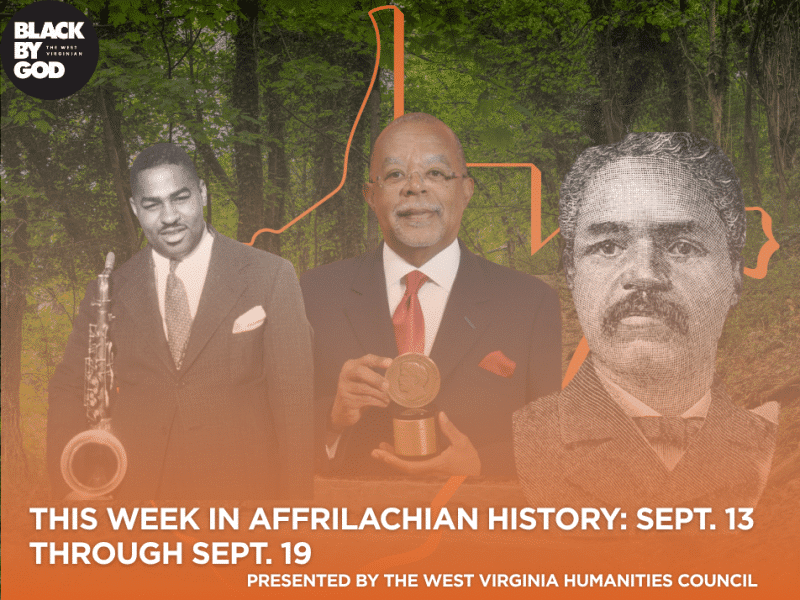
This week in Affrilachian history: Sept. 13 through Sept. 19
Discover key mid-September milestones in Affrilachian history: pioneer lawyer J. R. Clifford, jazz legend Chu Berry, and scholar Henry Louis Gates Jr.
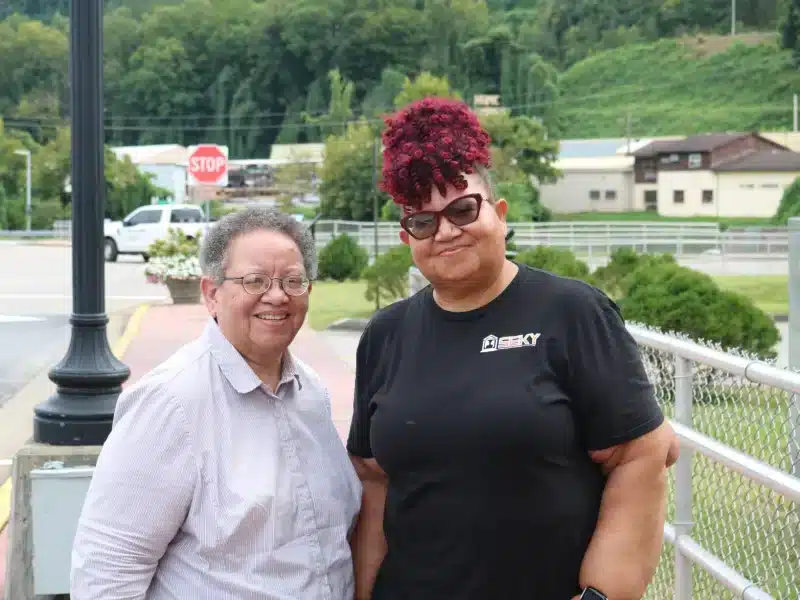
Eastern KY artists celebrate America’s 250, Black history with ‘pursuit of liberty’ quilt
The Southeast Kentucky African American Museum unveils its ‘Pursuit of Liberty’ community quilt project in Hazard, honoring Black history and Appalachian roots.