From Coalfields to Hollywood: The Six Triple Eight, Big Sean, and the Legacy of West Virginia’s Grandmothers

Big Sean, the Grammy-nominated rapper known for hits like One Man Can Change the World, credits much of his success and values to his grandmother, Mildred V. Leonard. Leonard, a trailblazer and inspiration, is a shining example of the resilience and contributions of Black grandmothers from Appalachia. Born in Eckman, West Virginia—a once-thriving Black coal town that no longer exists—Leonard grew up on the outskirts of the state and attended West Virginia State University, an HBCU. Her legacy, now immortalized in Tyler Perry’s historical drama The Six Triple Eight, is one of strength, determination, and love.
Leonard’s story joins a rich tapestry of influential West Virginia grandmothers who shaped generations. Bill Withers’ iconic song Grandma’s Hands, written about his grandmother Lula Carter Galloway from Slab Fork, West Virginia, similarly honors the wisdom and perseverance of Appalachian grandmothers. These women, like Leonard and Galloway, exemplify the foundational role of Black women in building their families and communities while leaving lasting legacies.
Now, Leonard’s contributions are being celebrated on the big screen in The Six Triple Eight, which chronicles the all-Black, all-female battalion that overcame racism and sexism to reconnect millions of soldiers with their loved ones during World War II. Leonard, one of the first Black female captains in the U.S. Army, stands out as a trailblazer. At the Los Angeles premiere, Big Sean reflected on her impact:
“This is such an overlooked but crucial piece of American and Black history,” he shared. “My grandmother was a force. She fought through segregation, served her country, and raised a family with values that continue to guide me today. I’m proud to be her grandson.” (The Hollywood Reporter)
Big Sean and Myles T.: Honoring Grandma’s Hands Through Music
Big Sean’s heartfelt tribute to his grandmother resonates deeply with Charleston native Myles Satterfield, better known as Myles T., a rising music producer. Myles co-produced two standout tracks on Sean’s latest album, Better Me Than You: “Who You Are (Superstar)” and “Yes.” Their collaboration highlights a shared heritage of two artists profoundly influenced by the strength of their Appalachian grandmothers.
For Myles, that influence stems from his late grandmother, Sharon Satterfield. Known for her strength and love, Sharon inspired Coupe Music, an instrumental album Myles dedicated to her memory. One track, Toodles!, features Sharon’s iconic farewell phrase. “This album is my way of keeping her memory alive,” Myles shared. “She taught me resilience and showed me how to find joy in the little things, even when life gets tough.”
At the Yes! album merch release event in Los Angeles, Myles connected with Big Sean’s family, the Andersons, and shared his West Virginia roots. The Anderson family was delighted to learn that Myles, a producer on the album, also hailed from the Mountain State. This discovery sparked heartfelt conversations, and group chats celebrating the shared legacy of their grandmothers’ influence.

Reflecting on the occasion, Myles T. described it as “a joyous celebration of the impact West Virginia grannies have had on shaping their families and communities.” For both Big Sean and Myles T., their music serves as a powerful tribute to the grandmothers whose hands shaped their lives and whose legacies continue to inspire.
A Legacy Celebrated in Film and Music
The release of The Six Triple Eight is more than a cinematic milestone—it’s a celebration of the unbreakable spirit of Black women from Appalachia. The film’s debut has sparked conversations across group chats in West Virginia and among the Black diaspora, as Leonard’s story reaches audiences worldwide.
At the premiere, Big Sean held framed photos of his grandmother alongside his family, a testament to her incredible life and legacy. “It’s a super emotional night,” Sean said. “My grandma was incredible. She raised me to be proud of who I am and where I come from. And where I come from is her.” (Hollywood Reporter)
Audiences can now watch The Six Triple Eight on Netflix, accompanied by its powerful trailer and behind-the-scenes footage. The film serves as a poignant reminder of the often-overlooked contributions of Black Appalachian women whose hands have shaped the cradle of the nation’s success.
From West Virginia’s coalfields to the national stage, the stories of grandmothers like Mildred V. Leonard, Sharon Satterfield, and Lula Carter Galloway remind us of the strength, love, and perseverance that define West Virginia grandmothers. Their legacies continue to shape the lives of those who honor them, inspiring future generations to dream big while staying rooted in the values of their Appalachian heritage.
Got a story about your West Virginia Granny? Tell us: [Submit here].
For more stories about the contributions of Black Appalachians, visit Black By God. Don’t miss the upcoming episode of the Quotables Podcast, where Myles T. reflects on his journey from Charleston, WV, to collaborating with artists like Big Sean.
Fun Fact: Bill Withers’ Grandma’s Hands, first released in 1971, was recently reimagined as an illustrated children’s book. It serves as a heartfelt tribute to the enduring legacy of grandmothers everywhere. Visit grandmashandsbook.com to learn more.
If you appreciate BBG's work, please support us with a contribution of whatever you can afford.
Support our stories
Related Articles
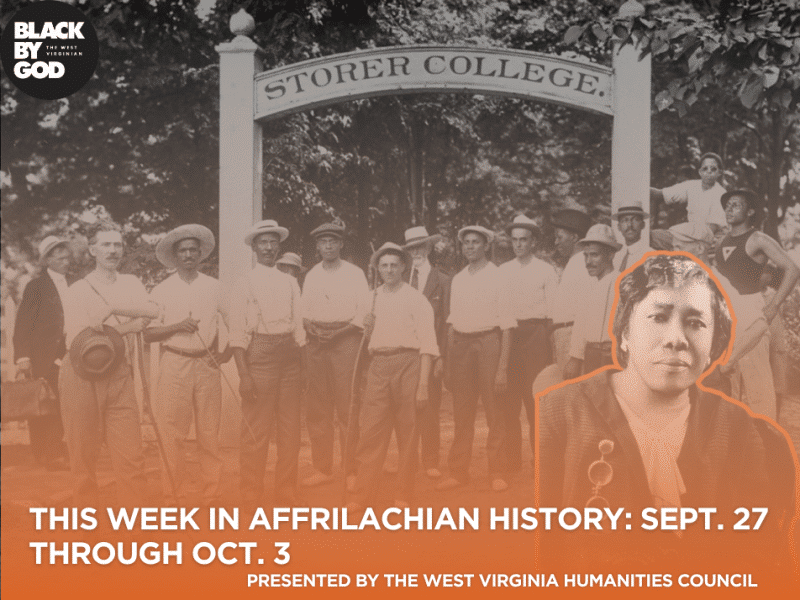
This week in Affrilachian history: Sept. 27 through Oct. 3
Discover key milestones in Affrilachian history: educator Fannie Cobb Carter’s birth and the founding of integrated Storer College in Harpers Ferry.
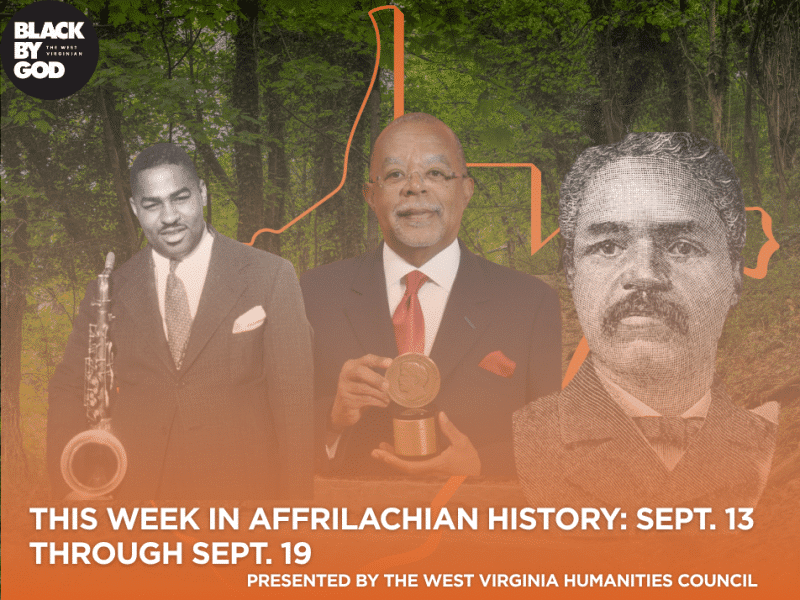
This week in Affrilachian history: Sept. 13 through Sept. 19
Discover key mid-September milestones in Affrilachian history: pioneer lawyer J. R. Clifford, jazz legend Chu Berry, and scholar Henry Louis Gates Jr.
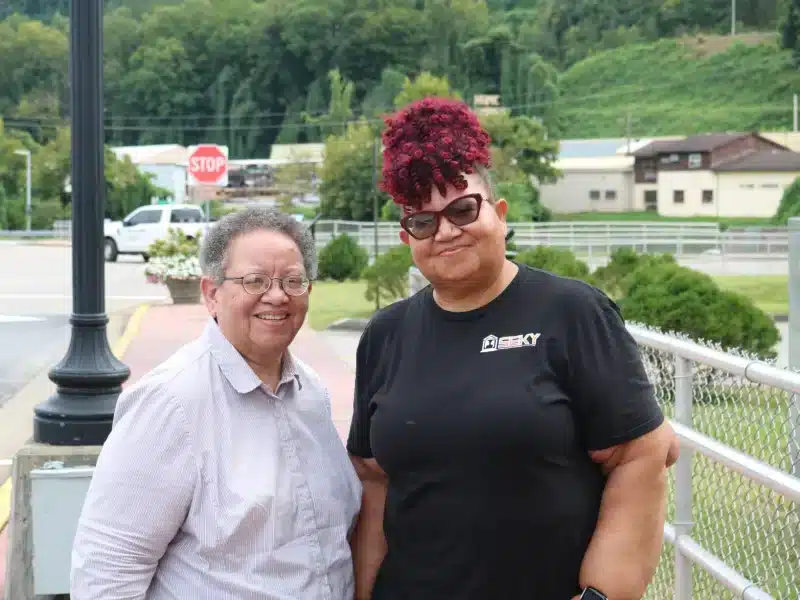
Eastern KY artists celebrate America’s 250, Black history with ‘pursuit of liberty’ quilt
The Southeast Kentucky African American Museum unveils its ‘Pursuit of Liberty’ community quilt project in Hazard, honoring Black history and Appalachian roots.