
Honoring a McDowell Legacy: Henrietta Dismukes Hospital
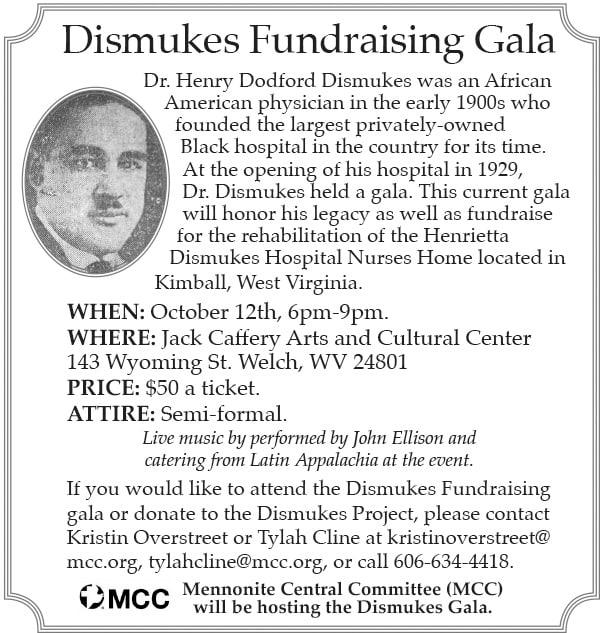
The hospital operated from 1929 to 1932. It served African American coal miners and their families in the Kimball-Norfolk area. The hospital was the largest privately owned African American hospital in the country at the time, with the latest technology and 50 beds for patients.
By Jen Steiner and Tylah Cline
When Kristin Overstreet first visited Kimball, West Virginia in February 2020 in her new role as Appalachia program coordinator for Mennonite Central Committee (MCC) Great Lakes, she didn’t realize she was stumbling into forgotten history.
Overstreet, a former history teacher, found that land recently purchased for MCC’s Appalachia Build (formerly known as Sharing With Appalachian People or SWAP) program was once the site of Henrietta Dismukes Hospital and Nurses’ Home.
Overstreet first became curious about the history of an old building that she later found was the Nurses’ Home. Local residents referred to the area as the old Bralley Apartments, but there was speculation that it once served as a hospital. However, the name of the hospital and any details related to its historical context were unknown until Overstreet began her research. Through her research findings, she has uncovered the life story of Dr. Henry Dodford Dismukes, a prominent African American physician who had multiple paramount historical achievements.

We’ll bring the best from BBG right to your inbox. You can easily unsubscribe at any time.
Sign Up for our Newsletters!
Dr. Henry Dodford Dismukes was born on Aug. 11, 1889, in Troy, Alabama. His mother was Henrietta Dismukes, and his father is unknown. Dr. Dismukes graduated from Selma University in 1915 and earned his medical degree at Howard University, graduating on June 10, 1921. He graduated with highest honors and won every prize offered during his four years there.
After his time at Howard, he was appointed assistant surgeon at Freedmen’s Hospital in Washington, D.C. for four years. He received the news of Dr. Roscoe Harrison’s death and the vacancy left by him at Harrison Memorial Hospital in Kimball, West Virginia. Dr. Dismukes quickly filled this position and moved to Kimball in 1924 to work out of this hospital.

Shortly after taking over the Harrison Memorial Hospital, Dr. Dismukes was asked to build a bigger hospital by Bluefield Sanitorium of Bluefield, West Virginia. He entered into a contract with Bluefield Sanitarium in which he was promised payment of $3.50 per day for each African American patient he treated. Dr. Dismukes named his new hospital Henrietta Dismukes Hospital after his mother who died one month prior to its opening.

The Henrietta Dismukes Hospital operated from Aug. 16, 1929, to Aug. 7, 1932. It served African American coal miners and their families in the Kimball-Norfolk area in McDowell County, West Virginia. According to the Pittsburgh Courier (1930), the hospital was the largest privately owned African American hospital in the country at the time, with the latest technology and 50 beds for patients. Next door was the nurses’ home that served as a residence for the nursing staff.
Bluefield Sanitorium did not follow through with their promised payment to Dr. Dismukes for his work. He took the hospital as a corporation to court for breach of contract on March 30, 1931, where he demanded $150,000. As reported by the Pittsburgh Courier (1931), Dr. Dismukes was the first African American man in the United States to challenge a white corporation in court for a breach of contract. The court ruled that Dr. Dismukes would be awarded $4,070 because the jury saw the contract between Dr. Dismukes and Bluefield Sanitorium as not viable.

Mennonite Central Committee (MCC) is working to honor the legacy of Dr. Dismukes and bring attention to the injustices he and other African Americans in the region faced. A local committee was formed and successfully worked with Kimball mayor Adam Gianato on a proclamation declaring Aug. 16 as Dr. Dismukes Day. There are also historical markers being created to honor both Henrietta Dismukes Hospital and Harrison Memorial Hospital. These markers will be at each hospital location in Kimball, West Virginia.
“As an organization committed to anti-racism, Mennonite Central Committee holds this story as a sacred trust,” said Eric Kurtz, MCC Great Lakes executive director. “We celebrate the legacy and the incredible resilience of people like Dr. Dismukes, Dr. Harrison and the African American nurses who worked here. At the same time, we lament Jim Crow segregation that prevented Black people from getting treatment in other medical facilities and the racist treatment of Dr. Dismukes that led to the closure of the hospital. We hope that shedding light on this story can lead to a better future for all people.”
If you appreciate BBG's work, please support us with a contribution of whatever you can afford.
Support our stories
Related Articles
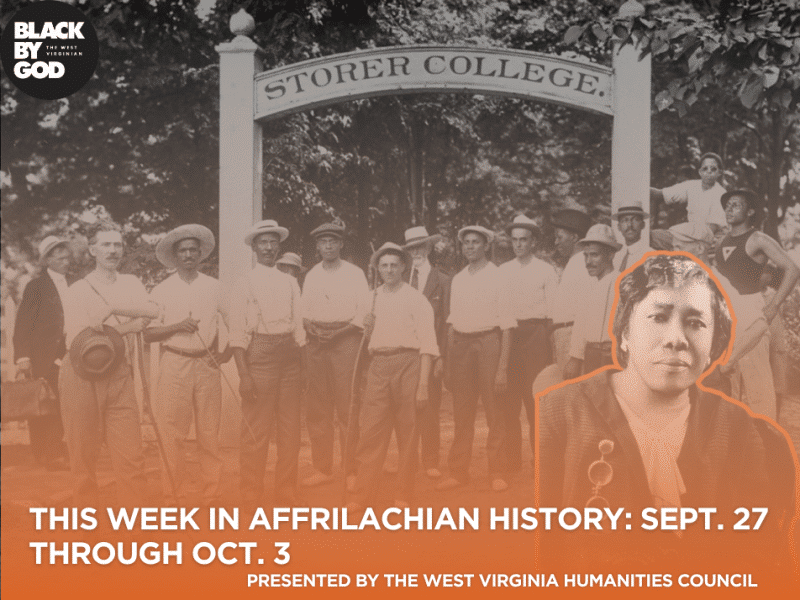
This week in Affrilachian history: Sept. 27 through Oct. 3
Discover key milestones in Affrilachian history: educator Fannie Cobb Carter’s birth and the founding of integrated Storer College in Harpers Ferry.
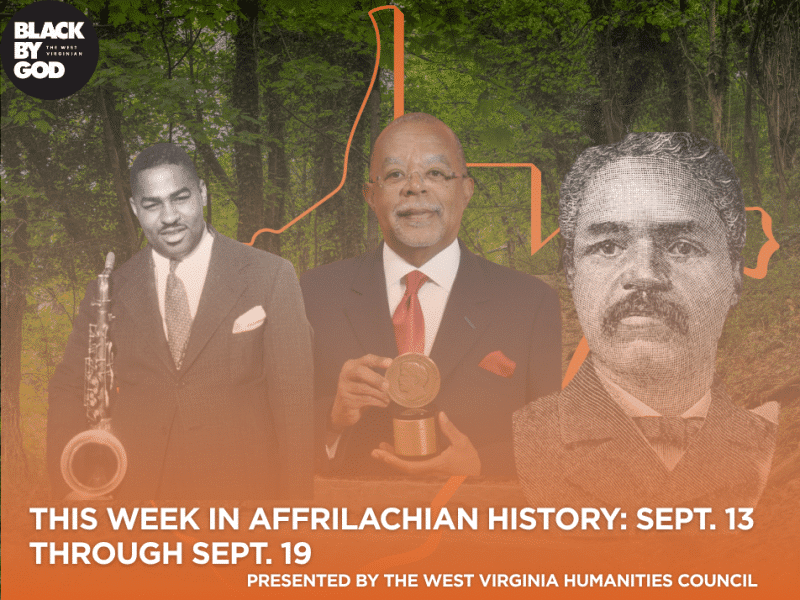
This week in Affrilachian history: Sept. 13 through Sept. 19
Discover key mid-September milestones in Affrilachian history: pioneer lawyer J. R. Clifford, jazz legend Chu Berry, and scholar Henry Louis Gates Jr.
Eastern KY artists celebrate America’s 250, Black history with ‘pursuit of liberty’ quilt
The Southeast Kentucky African American Museum unveils its ‘Pursuit of Liberty’ community quilt project in Hazard, honoring Black history and Appalachian roots.