
Paw Paw, West Virginia: The Town That Led the Way in Black Progress and Integration
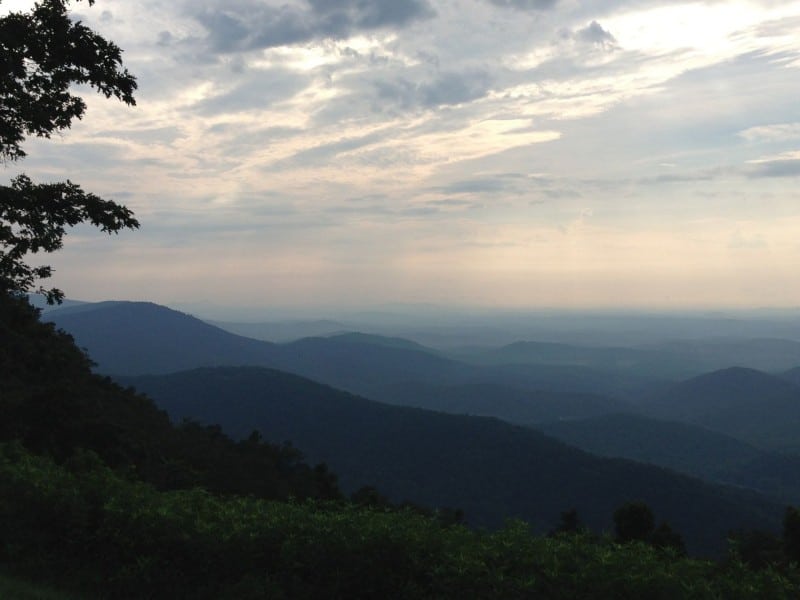
Tucked into the hills of Morgan County along the Potomac River, the small town of Paw Paw, West Virginia, holds a remarkable story, one that challenges stereotypes about rural Appalachia and stands as a powerful testament to racial equity, education, and Black excellence.
While many towns in the South were fighting against integration well into the 1960s, Paw Paw quietly led the way. As early as 1891, the town removed its official “line of separation,” integrating everyday spaces where Black and white residents shared barbers, stores, and social life. By 1954, Paw Paw had already integrated its public schools, making it the first district in West Virginia to do so.
This deep and long-standing commitment to racial equity was recently brought to light by local historian David Abruzzi, who, along with bed and breakfast owner Rebecca Heath, has been working to document Paw Paw’s Black history and preserve it for future generations. Central to this effort is the historic two-room Black schoolhouse, built in 1928 and added to the National Register of Historic Places in 2024.
“Paw Paw’s history shows us what’s possible when a community values dignity, access, and respect,” Abruzzi said. “This isn’t just local history, this is American history.”
The schoolhouse itself tells a powerful story. It was the first Black school in West Virginia to earn a “Model School Rating,” the highest distinction possible at the time. It educated generations of Black children during segregation and left a legacy of leadership, achievement, and community care.
Among the school’s alumni is Dr. Randolph Spencer (1911–1993), a celebrated author, musician, and educator who once played for President Eisenhower and founded a music school in Martinsburg. His published works, including Paw Paw to PhD, trace a life of brilliance rooted in the education he received in this very town. Others include:
- Yvonne Sue Powell, the first Black graduate of Paw Paw High School in 1955 and class Salutatorian, though her academic honors were not recognized until 31 years later due to racial discrimination.
- James “Schooner” Spencer, named “Most Distinguished West Virginian” in 1980.
- Iva “Ivy” Spencer, a certified midwife who delivered over 300 babies, both Black and white, and served the region for 35 years starting in 1940.
Perhaps most stunning: In 1940, Paw Paw had a higher rate of Black homeownership than white homeownership, an unheard-of statistic in the segregated South. And in 1977, the town was officially recognized as the “most racially unbiased incorporated town” in any southern or border state.
“This is more than a list of facts,” Heath said. “It’s a blueprint for equity, and a story that deserves to be told far beyond our hills.”
Black By God hopes to help do just that.
Through interviews with David and Rebecca, walking tours of historic sites, and the preserved records of Paw Paw’s Black families, this feature will be part of a broader effort to shine a light on rural Black resilience in West Virginia.
This story is especially urgent in July 2025, as communities across the country continue to confront how histories of race, place, and public memory are preserved, or erased. At a time when school curricula are under scrutiny, and national discussions about racial justice often overlook rural spaces, Paw Paw offers a model of early integration, equity, and civic courage. By revisiting this story now, we not only honor a legacy of Black excellence in Appalachia, we help ensure its lessons shape our future.
Because this history is not just about the past, it’s about the legacy we carry, and the future we’re still building.
If you appreciate BBG's work, please support us with a contribution of whatever you can afford.
Support our stories
Related Articles
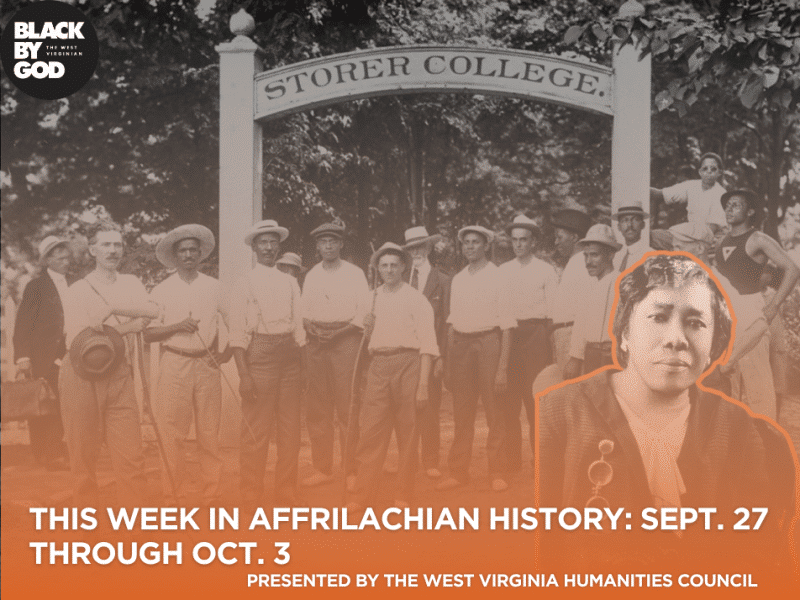
This week in Affrilachian history: Sept. 27 through Oct. 3
Discover key milestones in Affrilachian history: educator Fannie Cobb Carter’s birth and the founding of integrated Storer College in Harpers Ferry.
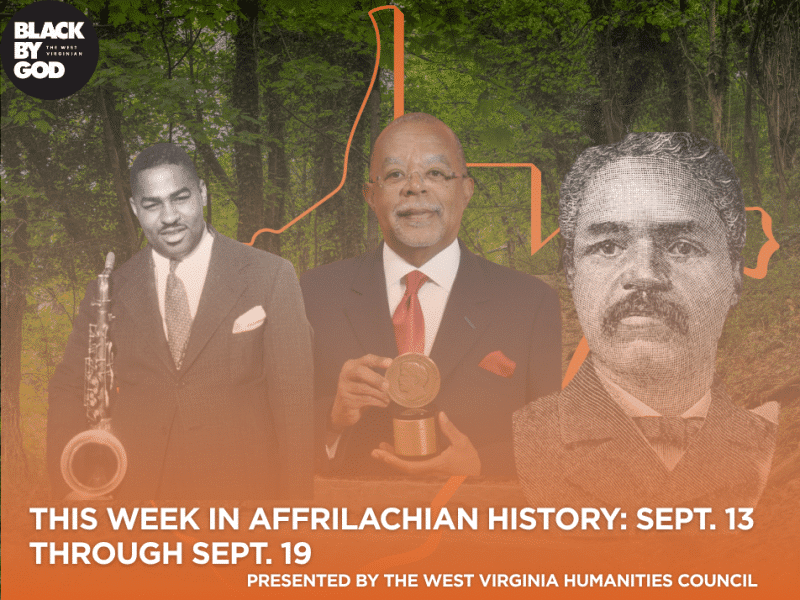
This week in Affrilachian history: Sept. 13 through Sept. 19
Discover key mid-September milestones in Affrilachian history: pioneer lawyer J. R. Clifford, jazz legend Chu Berry, and scholar Henry Louis Gates Jr.
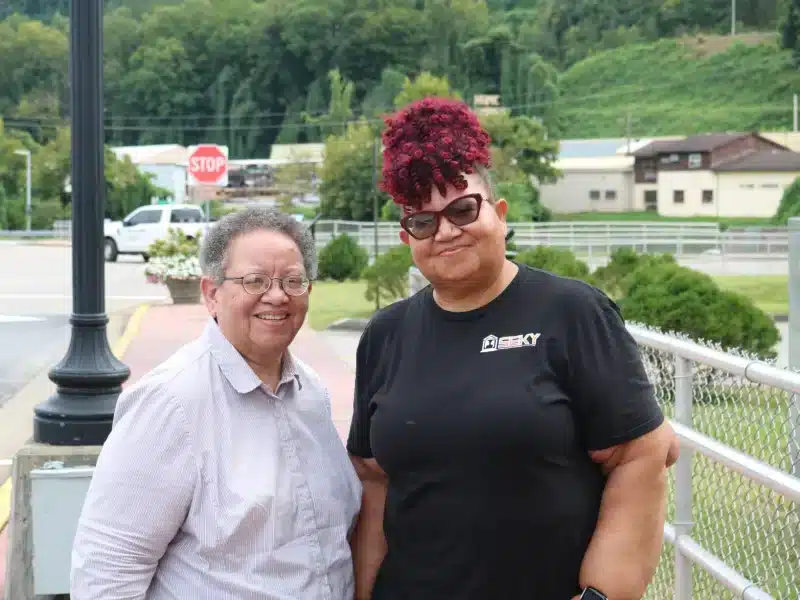
Eastern KY artists celebrate America’s 250, Black history with ‘pursuit of liberty’ quilt
The Southeast Kentucky African American Museum unveils its ‘Pursuit of Liberty’ community quilt project in Hazard, honoring Black history and Appalachian roots.