The National Association of Black Storytellers Announces the Black Appalachian Storytelling Fellowship Awardees for 2024-25
Written By: Ilene Evans, Communications Professor at Fairmont State University
The National Association of Black Storytellers (NABS) is happy to announce a 3rd year of the Black Appalachian Storytellers Fellowship! This year six applicants were awarded. The Black Appalachian Storytellers Fellowship is a national adjudicated award honoring artistic excellence in representation of Black Appalachian storytelling and cultural heritage. The National Association of Black Storyteller’s Black Appalachian Storytellers Fellows Program is made possible through partnerships and funding in part by Mid Atlantic Arts’ Central Appalachia Living Traditions Program and South Arts as part of the In These Mountains, Central Appalachian Folk Arts and Culture.
The co-founders of the National Association of Black Storytellers, Inc. (NABS), Mother Mary Carter Smith and Mama Linda Goss were born and raised in Appalachia. Mother Mary was born in Birmingham, AL lived in West Virginia, and Ohio before settling in Baltimore, MD. Mama Linda was born in raised in Alcoa, TN, near the Great Smoky Mountains. Together, they conceived the idea of a storytelling festival to give opportunities to African American storytellers to share the stories of their heritage.
NABS scholar, Dr. David Sankofa created the combining of the words of “Black” and “Storytelling” because the folklore, traditions, and cultural markers have a distinctive appearance, and purpose. Dr. Caroliese Frink Reed accentuates that the term “Blackstorytelling” is a noun, an entity unto itself. It is an art form that is curated and cultivated with inter-disciplinary skill.
As the 14th President of NABS, Karen “Queen Nur” Abdul-Malik, presented a white paper at the University of Ghana in Accra ,entitled, “Blackstorytelling as Cultural Armor!” “That armor is needed today just as much as in the early days of the Civil Rights Movement, when we were forced to encounter efforts to dismiss and demean our very presence. The armor – our stories – are needed for healing within our communities to affirm our identity. It is needed in our kitchens, hollers, communes, and betwixt all the ways we gather.” Black Appalachian Storytellers are ambassadors of bearing witness, guarding truths of forgotten and untold stories and tellin’ it from the mountain to the world.
Black Appalachian storytellers remember the courage and strength that has been our saving grace in times of plenty and times of want. Blackstorytellers are the truthbearers, the culture keepers, the guiding light for our people. We tell stories that reveal the journey of our people in this wilderness that was and is America and its continental colonies. We hold the line. We build community on the strong foundation of the experience and wisdom of elders. Our Blackstorytelling Elders were the gatekeepers who protected the community from lies, misshapen understandings, and falsehoods. They brought laughter to heal the heartbroken, they brought blessed balm to comfort the disconsolate in song, story, riddle and rhyme.
We have held our Blackstorytellers in high esteem because through a living tradition, they have helped us survive in a hostile land. They have helped us find the right things to eat, to sing, to plant, to grow, and to harvest, and to nourish for our longevity… for body and soul.
Our stories have taught our people how to resist oppression, violence, and corruption. At the same time, they have taught us how to recognize danger – true danger, the kind that steals your soul, not just your stuff (although there are some of those stories too, e.g. …how to hold onto wealth, health, and happiness when others are jealous of our abundance and try to take it by force or trickery.) Do you want to know just how insatiable and cunning Mr. Fox can be?; How relentless is Brer Hornet ?; How destructive is Brer Lion?; How ruthless is Brer Alligator? Listen to our Black Storytellers…
Without our Black Storytellers to remember our history, the patterns of power and oppression, we would be more likely to succumb to the narratives that erase us and our greatness from our memory, ignore and refute the inventions we have created – materially and spiritually. Storytellers have created incredible tools for survival in a hostile world. We have created meaning for our lives in the diaspora around the world. Supremacy – whether of race, ethnicity, or wealth, is an old enemy. One that has followed our people from continent to continent; from generation to generation. The enemy will continue to counter our progress, but our stories keep us on a creative edge of resilience, clarifies muddy thinking and builds where others only see disaster. They give us resolve.
NABS envisions strengthened communities through the telling, collecting, owning and archiving our stories. The impact of our Black Appalachian Storytelling Fellows has been remarkable, impacting local, regional and national communities. Our fellows have helped fill in the gaps of our history, our struggle, and creativity in the rural mountains and those stories echo across the globe. This prestigious recognition calls for celebration!
The 2024 Black Appalachian Storyteller Fellowship awardees are:
Kentucky – Jim Embry: Madison County, Kentucky

Jim is a teaching artist, author, civil rights activist, workshop presenter, mentor, historian, agrarian, cultural organizer, and storyteller. His focus is on sustainable living in body, mind and spirit. His stories confront the sham of glam and reveal our place in the grand story of Mother Earth and all her creation. Jim helps us see our humble human place in that large epic. His commitment to the next generations reminds me of an old quote from long ago… that “Seed corn must not be ground.” “Eating seed corn” is a metaphor for consuming what would nurture the future generation for immediate gain, leaving none for our grandchildren to come. Jim comes from a legacy of landownership and using that land to sustain family and community. For both preserving history and entertainment, stories were an everyday part of life, carrying on the “struggle” to be free and stay free truly. Jim embodies the sense of self-reliance and independence that mountaineers claim as a character trait. His story helps to build bridges between best practices of land use, of people-to-people relationships, and people to other species, and to Mother Earth, herself.
North Carolina – Beverly Fields Burnette: Buncombe, Polk and Burke Counties, North Carolina
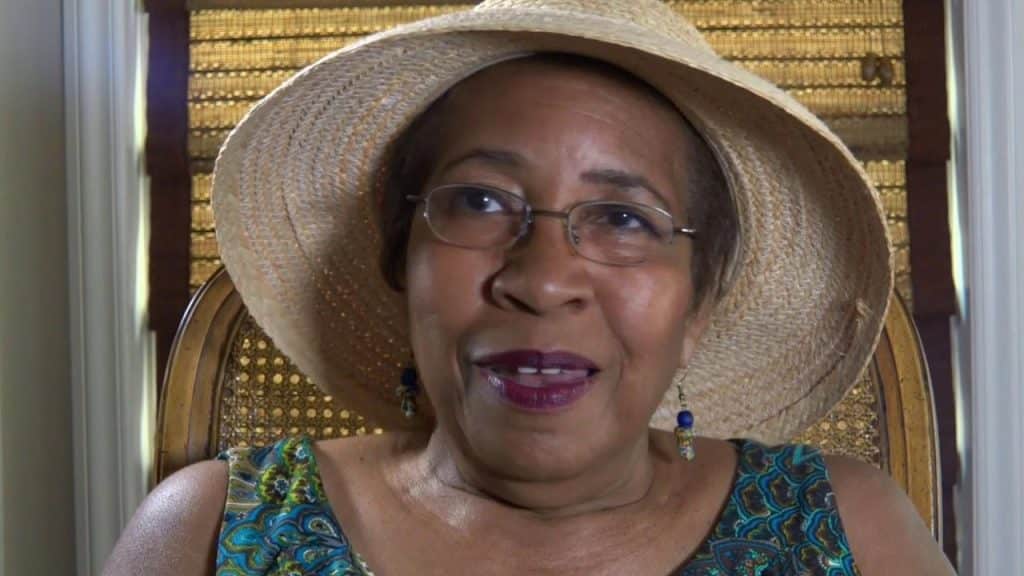
Beverly is a poet, author, family historian, workshop presenter, social advocate.
She is a memory healer. Beverly was the founder of the NABS Blackstorytelling affiliate in North Carolina. Her stories reveal the many family ties that carry ingenuity, dignity, and love of her people. Beverly is no stranger to doing research in the dusty files of libraries and archives. She can sniff out a scandal through the use of historical records and leave us laughing at our own foibles. As a school social worker, she was able to apply stories to situations and carry forth the tradition of using folktales, legends and family tales to guide our youth and comfort the elderly. Humor, curiosity, and compassion are her hallmarks as she continues to research and learn the connections of all her Appalachian roots. From gardening Jerusalem Artichokes in the neighbor’s yard to getting encouragement from her teachers in the English classroom, Beverly writes, tells, and crafts and shares stories to build bridges from the past to today.
Ohio – Omope Carter Daboiku: Lawrence County, Ohio and Wise County, Virginia

Omope is an author, a teaching artist, cultural geographer, an historian, quilter, workshop presenter, human rights advocate, and mentor. She demonstrates tough love, tough truth, tough belief and faith, tough analysis, and tough accountability. She can talk about hard times, because she has lived to tell the tale. “How I got Over” is the song that comes to mind when I picture the journey that Omope has taken, guided by hidden hands and the whispers of her ancestors. She has been a part of many artistic and community building initiatives such as Cincinnati’s ACDA Appalachian Festival, Ohio Storytelling Network, Urban Appalachian Community Coalition, in-person festivals and virtual storytelling events. You may hear her on the radio on WYSO radio (91.3FM), my dialect often bleeds into my commentaries for “West Dayton Stories.” Omope is a regular contributor to academic journals like Shepherd University’s Appalachian Anthology, the Southern Appalachian Writers Collective’s “Pine Mountain Sand & Gravel”, and Kari Guenther-Seymour’s “Women of Appalachia Speak”. Her wisdom and experience shape her work so that she reaches audiences of all ages.
Tennessee – Felecia Outsey aka Sista’ Felecity LUV: Knox County, Tennessee
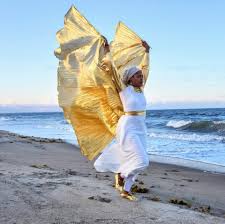
Felecia is a poet, dancer, teaching artist, historian, activist, author, mentor, and cultural organizer. She dares to dream, to believe in our youth, and in our value to the future. Felecia has used music, dance, poetry, to express the joy and sorrow of motherhood, of the traumas that we must heal, and of the future we can build together if love is our guide. Her professors at Berea College encouraged her to study dance in Ghana, West Africa. She was so inspired by her trip that she came home to start the Divine Urban Expressions Cultural Arts N Dance Productions in 2007 to nurture, develop and promote the talent of youth in Appalachia overcoming the trauma of losing loved ones to violence. Where other may have seen poverty, she saw children smiling, dancing and creating, often doing all in the midst of difficult circumstances. Felecia saw the presence of true wealth: the wealth of a rich oral tradition. Storytelling combined with the creative expressions of fabric, color, music, movement gives the sense of the fine art that great storytelling is.
West Virginia – Janice Lynn Cooley: Greenbriar County, West Virginia
Janice, in her search to clarifying and verifying the contributions of her people and family in Lewisburg, WV has become an historian, researcher, curator, exhibitor. She has been able to tell the story of many forgotten African Americans through photo, artifacts and memorabilia. Our possessions tell stories, and her first major show was called “Invisible Roots and Legends.” The exhibit received awards and recognition, including the Human and Civil Rights Award from the West Virginia Martin Luther King, Jr. State Holiday Commission presented to me by the West Virginia Governor in 2015. In 2021 a second version of this exhibit was created and named “Echoes of Slavery” to show how remnants of slavery still exist in our society today – witnessed through our penal system, voter suppression, and education practices. The exhibit is now permanently placed in the Greenbrier Historical Society’s North House Museum. She has just gotten started establishing the roots of work food, folk ways, folklore and folklife of family life, education, religion, sports politics, the military and entertainment. Janice will make sure that we never forget, using memory as artifact, cataloguing the journey, questioning where we have been.
West Virginia – Eric “Monstalung” Jordan: Fayette & Monongalia County, West Virginia
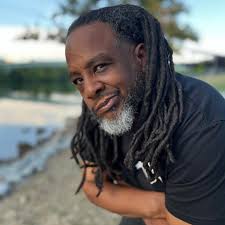
Eric Jordan is better known as Monstalung. He is a recording and teaching artist, audio engineer, hip hop producer, workshop presenter, advocate and mentor. He is currently working at The Center for Black Culture and Research at West Virginia University in Morgantown, WV. Eric has stepped into his father’s poetic and theatrical footsteps as the Creative Arts Director for The Norman Jordan African American Arts & Heritage Academy which has been running for forty consecutive years, a beacon for black youth in West Virginia. He shares his stories through music, his website, social media, and an email newsletter, “100 Days in Appalachia.” His current project is a memoire about his father, Norman Jordan, and him growing up under his journey as a Black Appalachian storyteller. Because of his father Eric said, “I have seen the impact a story can have on an artistic mind. When I started writing songs in 2000 regionally here in West Virginia I made a conscious effort to tell black Appalachian stories because at the time I saw a lack of pride in our community, …I wanted to change that mentality…” Monstalung’s independent label is called Soundvizion Recordingz. https://monstalung.com/post/
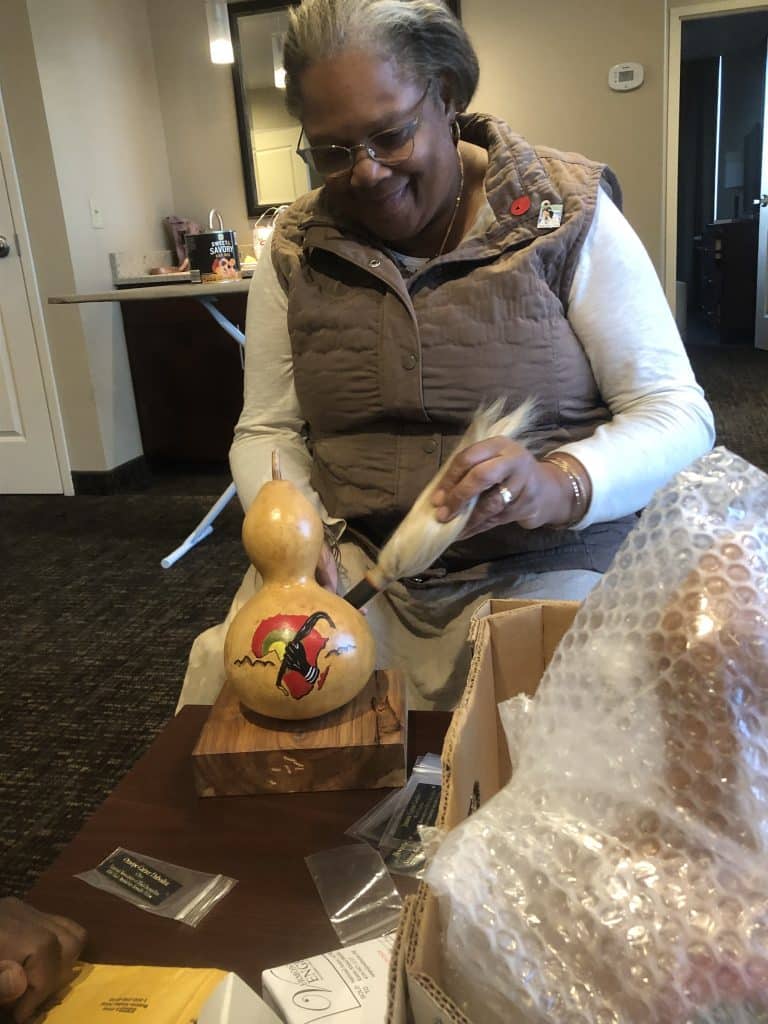
The Awards each of the fellows received were created by Virginia Appalachian Folk Artist, Dr. Dena Jennings. She is a musician, physician, poet and luthier, living a monastic life. Dr. Jennings created the unique award to represent the deep connection of our stories to the mountains and the African heritage we share. Highly symbolic are the calabash gourd and the Cow Tail Switch.
You can read more about Dena and her work:
https://www.virginiafolklife. org/sights-sounds/dena-jennings-samaria-marley/
“The instruments that I build today are based on what happened to those instruments when they came here from Africa, by way of the Caribbean, into Appalachia,” Dena said. She is certain that enslaved women braided gourd seeds into their hair, safely bringing this most useful of vegetables to North America.”
In 2013, newly married, Dena and her husband moved to Nasons, Virginia, to live on his 100-acre farm, where they practice a neo-monastic lifestyle that de-emphasizes materialism in favor of living in tune with the land, practicing meditation, and cultivating intentional community.
For more information about The Black Appalachian Storytellers Fellowship, Blackstorytelling, the National Association of Black Storytellers and to follow our upcoming podcast, check out the links below.
https://nabstalking.wordpress.com
If you appreciate BBG's work, please support us with a contribution of whatever you can afford.
Support our stories
Related Articles
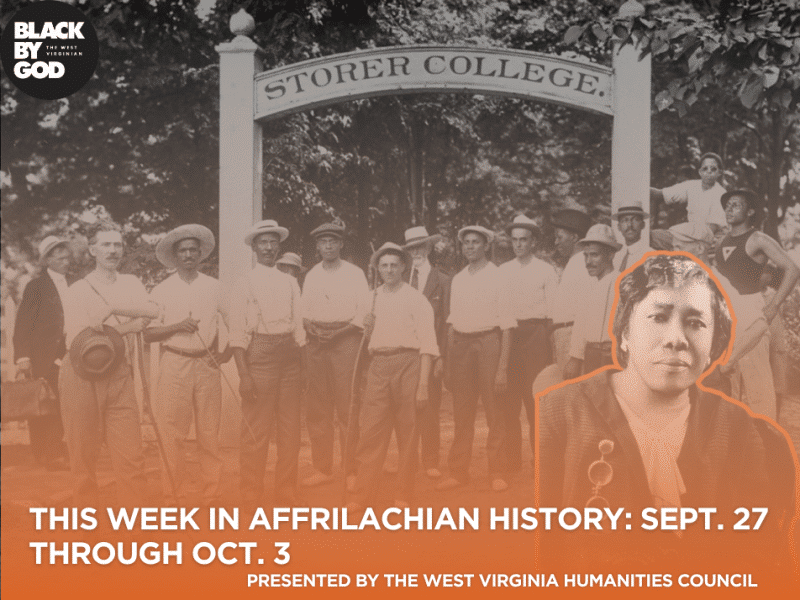
This week in Affrilachian history: Sept. 27 through Oct. 3
Discover key milestones in Affrilachian history: educator Fannie Cobb Carter’s birth and the founding of integrated Storer College in Harpers Ferry.
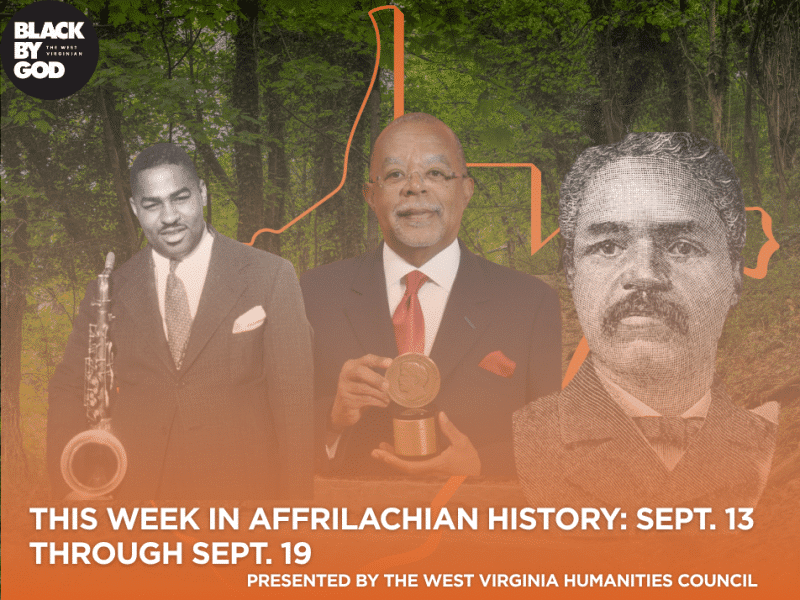
This week in Affrilachian history: Sept. 13 through Sept. 19
Discover key mid-September milestones in Affrilachian history: pioneer lawyer J. R. Clifford, jazz legend Chu Berry, and scholar Henry Louis Gates Jr.
Eastern KY artists celebrate America’s 250, Black history with ‘pursuit of liberty’ quilt
The Southeast Kentucky African American Museum unveils its ‘Pursuit of Liberty’ community quilt project in Hazard, honoring Black history and Appalachian roots.