Free the Black Op-Ed: Why Black Voices in Mainstream Media Matter—and Why They Should Be Accessible to All

By Crystal Good | Black By God: The West Virginian
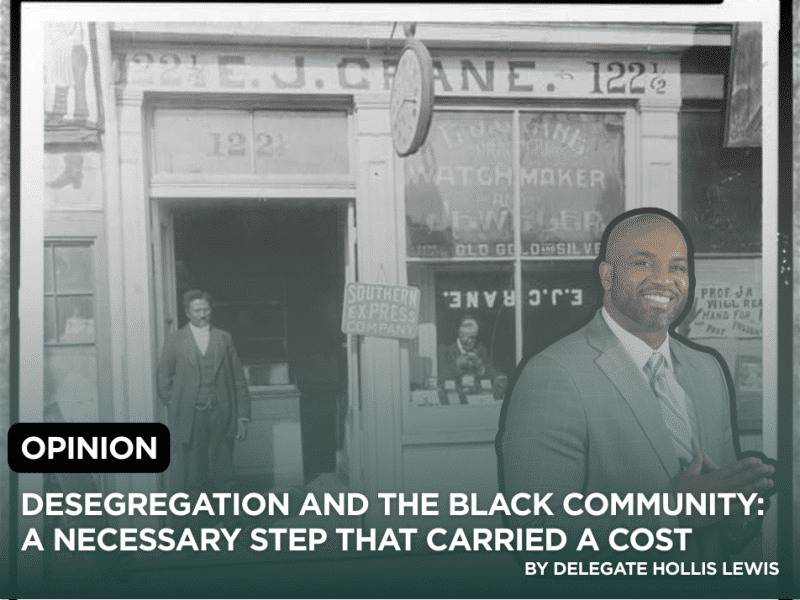
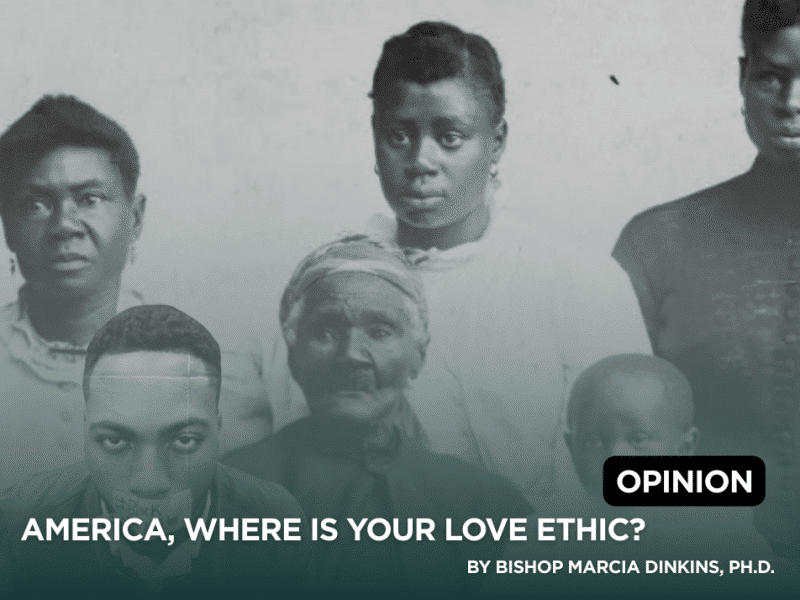
For generations, Black West Virginians have written our way into the public record—not because mainstream media sought our voices, but because we demanded to be heard. From the pulpits to the op-ed pages of local newspapers, leaders like Rev. Matthew Watts, Rev. Ronald English, and David Fryson have authored an estimated 300 opinion pieces between them, creating a living archive of Black thought leadership in Appalachia.
But here’s the painful irony: many of these voices now sit locked behind paywalls, inaccessible to the very communities they were written to serve.
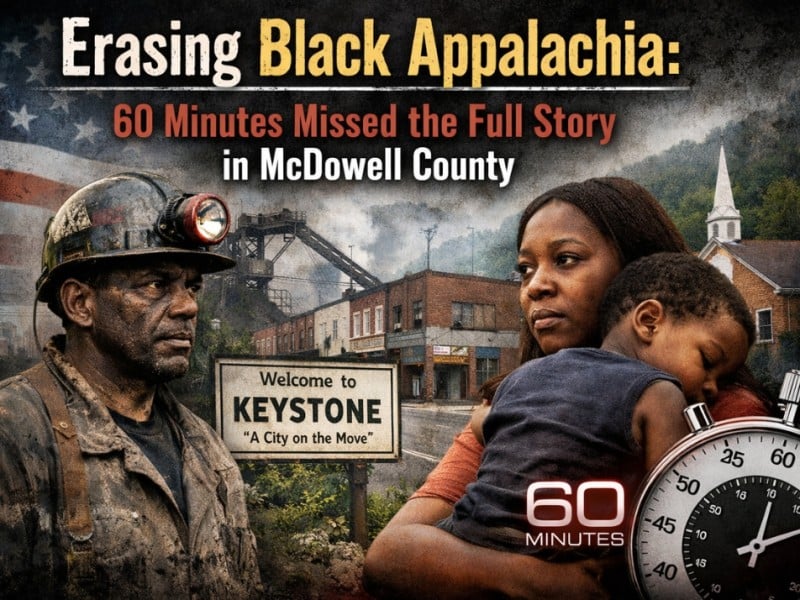
West Virginia has a 150-year history of Black-led newspapers. From The Beacon Digest, which closed in 2006, to the McDowell Times and the Pioneer Press, Black newspapers served as essential information infrastructure for our communities. They documented our achievements, advocated for our rights, and provided perspectives that mainstream papers often ignored or misrepresented.
When these papers closed, they left a void—not just in news coverage, but in community voice. Without Black reporters and Black-led newsrooms in West Virginia, the perspective gap widened. Today, precious few Black journalists are covering our communities from a Black perspective.
This is where op-eds became critical survival tools. If we couldn’t own the newsroom, we could claim space on the opinion page.
The Double-Edged Sword of Mainstream Op-Eds
Writing for mainstream newspapers fulfilled a need. It gave Black voices a platform when Black newsrooms were disappearing. But it also created a complicated dynamic—one that I grapple with as the founder and publisher of Black By God.
Here’s what people often don’t understand: an op-ed is not the opinion of the paper. It’s labeled as outside commentary precisely because it doesn’t represent the editorial board’s position. This distinction allows some newspapers to give voice to perspectives they might not otherwise platform—with little accountability or commitment to the communities those voices represent.
A newspaper can publish a powerful op-ed about racial justice on Tuesday and run coverage that undermines those same communities on Wednesday. The op-ed provides the appearance of inclusion without requiring institutional change.
And here’s the part that hurts: Black By God has been desperate for opinion pieces. We need Black voices writing about our communities, our challenges, our victories. But when I see talented Black writers publishing in mainstream papers—writers whose work would enrich our pages—I feel a pang of loss, even as I encourage them to write wherever they can.
The shift to digital subscriptions has created a new barrier. Opinion pieces that were once clipped, shared, and saved are now trapped behind paywalls. Rev. Matthew Watts’ powerful reflections on prison policy and education reform. Rev. Ronald English’s analysis of Juneteenth and civil rights. David Fryson’s community advocacy. All hidden from the people who need them most, and that includes the record, the digital archive.
One that BBG is building. Through our partnership with Portico’s News Preservation Pilot—a national initiative that permanently preserves local journalism—Black By God’s reporting, photography, and opinion pieces are being archived forever in a secure digital vault. When you contribute to BBG, your voice doesn’t just participate in today’s conversation. It becomes part of history. Your words will be accessible to future generations studying Black resistance, resilience, and vision in Appalachia.
These aren’t just opinions—they’re historical documents. They’re evidence of Black thought leadership in Appalachia. They’re wisdom that should be freely accessible to future generations studying our resistance, our resilience, and our vision.
I want to be clear: I absolutely encourage Black West Virginians to submit op-eds to mainstream outlets. Your voice matters there. Your perspective is needed there. But I also want you to know this: once an op-ed is published, it’s often available to other news outlets, as the writer decides. It would be my joy to share and circulate work from across West Virginia’s Black communities. Yet we often don’t know when these pieces are published—it’s a challenge in a state without connected infrastructure for tracking Black media contributions.
A Call to Action: Write, Share, and Reclaim
So here’s what I’m asking:
If you’re a Black West Virginian with something to say, write that op-ed. Submit it to the Charleston Gazette-Mail, the Register-Herald, the Herald-Dispatch. Claim your space in the public record.
But also: send it to Black By God. Let us amplify your voice. Let us preserve your words in an archive that will remain free and accessible. Let us create the interconnected infrastructure that mainstream media never built for us. Guidelines.
If you’ve already published an op-ed in a mainstream outlet, let us know. With your permission, we will share it, celebrate it, and make sure it reaches our community.
Where to Submit
Charleston Gazette-Mail: commentary@wvgazettemail.com
Huntington Herald-Dispatch: hdletters@hdmediallc.com
Beckley Register-Herald: editor@register-herald.com
Bluefield Daily Telegraph: bdteditor@bdtonline.com
Black By God Community Editorial Desk: info@blackbygod.org
If you appreciate BBG's work, please support us with a contribution of whatever you can afford.
Support our stories
Author