Desegregation and the Black Community: A Necessary Step That Carried a Cost
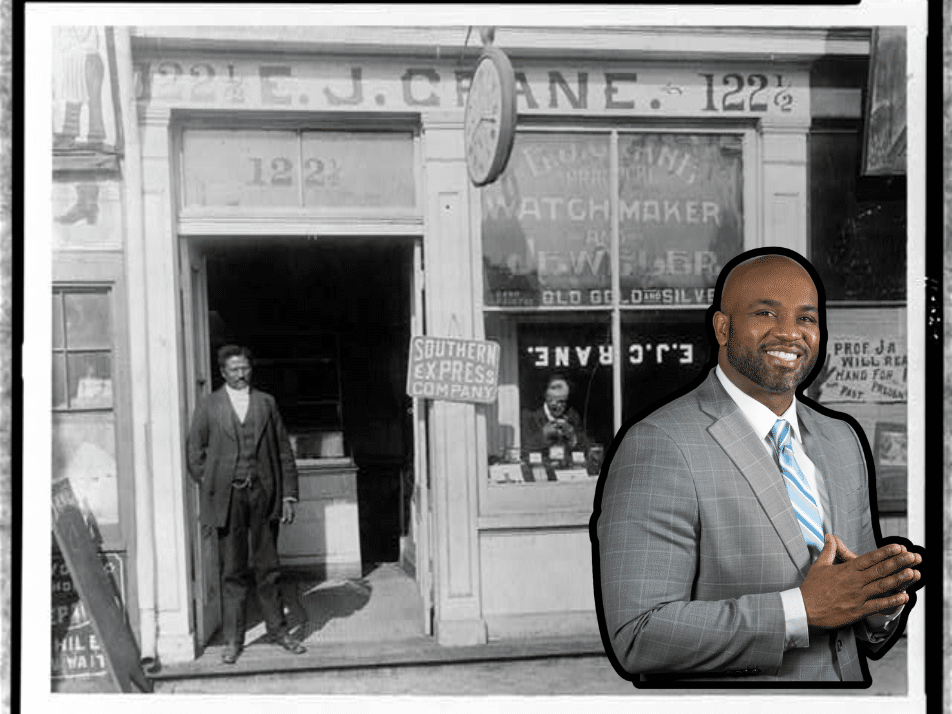
By Delegate Hollis Lewis
Black History Month is not only a time to celebrate our collective achievements, study the often-hidden history of Black people in America and throughout the world, and reflect on our ongoing fight for freedom. In doing so, when analyzing more recent history, many within Black intellectual spaces often return to the topic of desegregation. Questions are frequently raised about whether it ultimately benefited Black society and what lessons can be learned from that pivotal moment.
When we talk about desegregation in America, the conversation is often framed in simple moral terms, right versus wrong, justice versus injustice. Morally, the end of legalized segregation was unquestionably necessary, particularly as it related to freedom of movement, equitable access to services, and, in my view, the constitutional violations of the interstate commerce clause. But history is rarely simple. For many Black communities across the country, desegregation came with unintended consequences that disrupted Black neighborhoods, institutions, and economic foundations in ways that are still felt today.
Before desegregation, segregation forced Black Americans to build parallel systems. Black-owned businesses thrived because they had to. Black teachers were often highly educated and taught generations of children because they were excluded from white institutions. Doctors, lawyers, and entrepreneurs created a self-sustaining economic ecosystem rooted in necessity and resilience, often centered within their own neighborhoods. These institutions were more than services; they were anchors of identity, culture, and community pride.
When desegregation arrived, it opened doors that had long been shut; it also disrupted many of these Black-centered systems. Integration often meant the closing of Black schools, and while Black consumers gained access to previously white-only businesses, many Black-owned establishments struggled to compete in a suddenly unequal marketplace. Perhaps most devastating was the decentralization of Black strategic planning hubs. In many cities and towns, economic power shifted away from Black neighborhoods, weakening local institutions that had once served as pillars of stability. In some ways, desegregation caused us to throw out the proverbial “baby with the bathwater.”
Acknowledging these consequences is not a rejection of desegregation. Rather, it is an honest recognition that progress can come with tradeoffs, especially when structural inequality remains unaddressed.
The reality is that desegregation was necessary because segregation itself restricted freedom, not only social freedom but economic freedom. Black Americans could not travel safely across state lines without fear or humiliation. Interstate commerce, from lodging to transportation to basic services, was limited by discriminatory laws and practices. A person’s ability to move, work, or simply exist in public spaces depended on race. That was not merely unjust; it was incompatible with a functioning democracy and a modern economy.
Freedom of movement mattered. The right to participate fully in interstate commerce mattered. The ability to choose where to shop, where to eat, where to stay, and where to learn mattered. Desegregation made those freedoms real in ways that segregated systems never could.
The challenge and perhaps the failure of that era was not the decision to desegregate, but the absence of policies designed to protect and strengthen Black economic institutions during the transition. The focus leaned too heavily toward equality rather than equity. Integration opened opportunities, but it did not come with sufficient investment in Black businesses, equitable school funding, community stabilization, or safeguards against economic displacement. As a result, many communities experienced integration not as empowerment, but as a gradual erosion of local autonomy and wealth.
Today, we must be mature enough to hold two truths at once. Segregation was unjust and had to end. At the same time, the process of desegregation exposed long-standing inequities and, in some cases, accelerated the loss of Black-owned infrastructure that had sustained communities for generations.
Moving forward requires rejecting the false choice between integration and self-determination. True equity means both access to the broader society and the strength of our own institutions. Policies that support minority entrepreneurship, equitable education, community reinvestment, and economic mobility are not a step backward they represent the unfinished work of desegregation.
Desegregation was not the end of the journey; it was a turning point. It expanded freedom of movement and participation in the national economy, but it also revealed how fragile progress can be when economic justice is left behind. The lesson is not to romanticize segregation-era systems or to ignore their harms. The lesson is to ensure that the pursuit of equity never requires a community to sacrifice its foundation in the process.
Delegate Hollis Lewis is a legal professional, adjunct criminal justice professor, and co-chairman of the West Virginia Democratic Party Black Caucus.

If you appreciate BBG's work, please support us with a contribution of whatever you can afford.
Support our stories