Multifest Is Still Here. The Funding Still Isn’t.
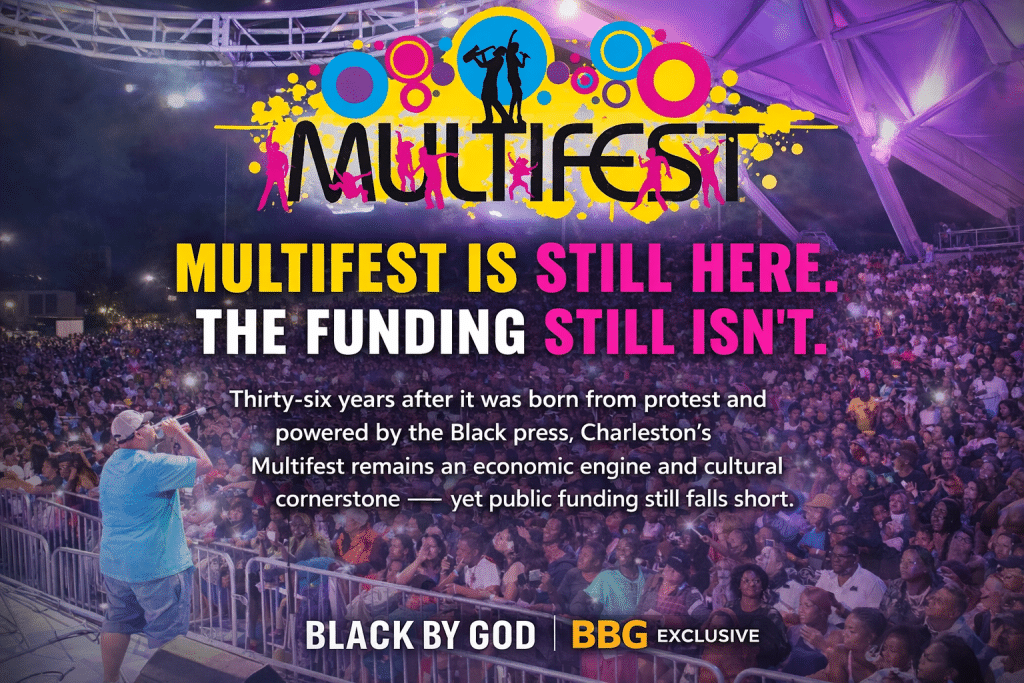
Multifest Is Still Here. The Funding Still Isn’t.Thirty-six years after the festival was born from protest and powered by the Black press, Charleston’s Multifest remains an economic engine and cultural cornerstone — yet public funding still falls short.
More than four years ago, Black By God published Joe Severino’s piece, “Multifest Still a Beacon of the Need for the Black Press.” In it, he examined how Multifest’s success revealed the enduring power of the Black press. At the time, no media organization in West Virginia — except the Beacon Digest — was willing to have an honest public conversation about exclusion, representation, and who public festivals were truly built to serve. Paper was a catalyst for change.
It’s 2026. The festival is still here.
The funding gap is still there.
The Multicultural Festival of West Virginia, Inc. — better known as Multifest — returns to the riverfront in Charleston this summer and will once again do what it has always done: draw tens of thousands of people downtown, celebrate the state’s cultural breadth, and move real dollars through the local economy.
Recent headliners have included Ginuwine, Brian McKnight, Zapp, Junkyard Band, Christopher Williams, TROOP, The Virginia Aires, Klymaxx, Justin Young, and KeKe Wyatt — artists who fill hotel rooms, pack restaurants, and anchor a weekend that vendors count on.
This is not a small neighborhood cookout.
This is an economic driver.
And yet, the Charleston Kanawha County Commission funds the Charleston Sternwheel Regatta — the event Multifest was born in protest of — at a significantly higher level.
The Commission awarded the Regatta $150,000.
Multifest requested $75,000.
It received notice on January 13 that it would receive $35,000.
Pause there.
In 1989, when Stephen Starks and David Fryson pressed for greater diversity and inclusion in Charleston’s festival culture, they were told to start their own event if they wanted something different. So they did. Multifest became the alternative — family-centered, culturally expansive, nationally recognized.
Over time, the Regatta struggled and eventually collapsed. Multifest endured. At its peak, Multifeat drew over 56,500 attendees.
Thirty-six years later, the funding lines still don’t reflect that history or that impact.
Public dollars meant to support tourism and community events should follow the community — all of it. A festival that generates sustained economic activity, centers diversity, and has anchored Charleston’s cultural calendar for over three decades deserves to be treated as the public asset it is.
And yet, most West Virginians don’t know how these allocation decisions are made.
That’s exactly why Black By God launched the Folk Reporters program — to train community journalists to sit in the rooms where decisions happen. County commission meetings. Budget hearings. The moments when a line item gets reduced without debate. The Beacon Digest once performed that watchdog role. BBG is picking it back up.
David Fryson said it plainly in 2021: “Sometimes people believe that the Black press is for Black people, but it’s not. The Black press is for everyone.” The same is true of Multifest. It has always been for everyone.
The question is whether public institutions will fund it like it is.
Stephen Starks built Multifest with protest and persistence. His father, Benjamin Starks built the Beacon Digest. Their legacies are bound together — truth-telling and institution-building, side by side.
Black By God now carries that responsibility. To name what is happening.
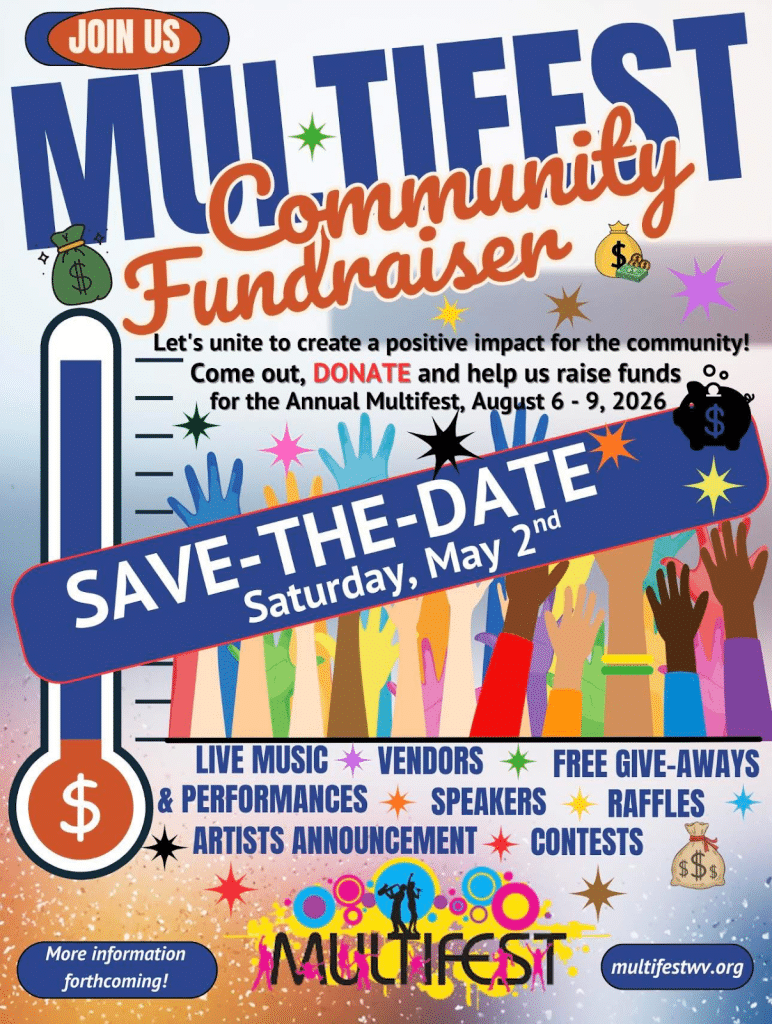
If you want to celebrate and support Multifest, organizers have upcoming fundraisers leading into the summer festival season and a petition.
That’s the story.
And we’ll keep telling it.
BBG wants to hear from you.
Have you been to Multifest?
What did it mean to you?
Do you believe Multifest receives the public funding support it deserves?

If you appreciate BBG's work, please support us with a contribution of whatever you can afford.
Support our stories