
They Came to Us: A New Model for Supporting Black Farmers in West Virginia

By Mavery Davis & Chamear Davis – BBG Agriculture Fellow
Recently, something powerful happened in West Virginia.
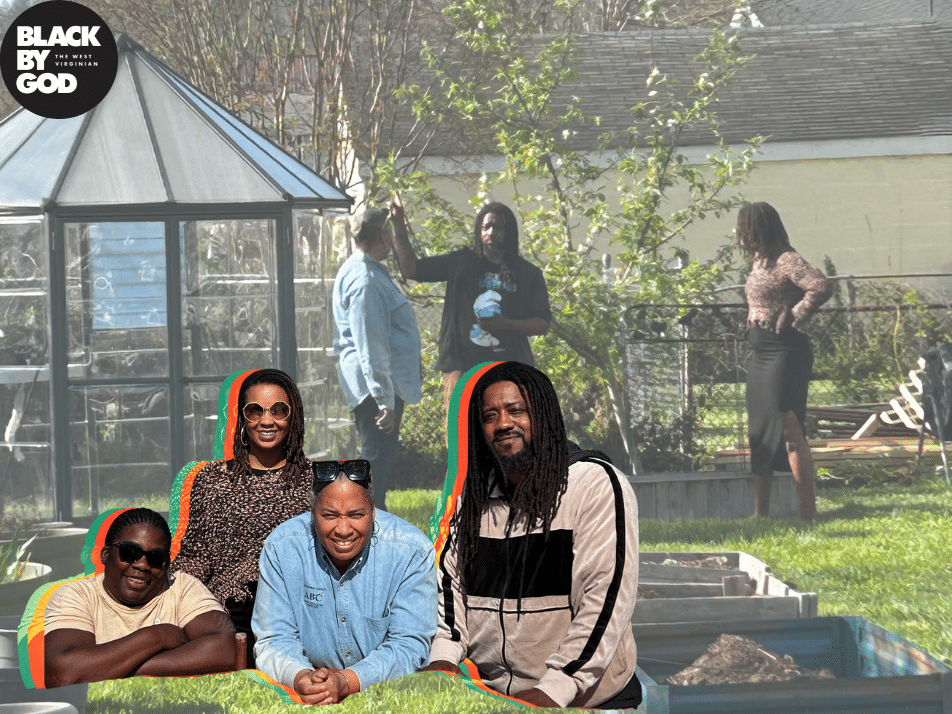
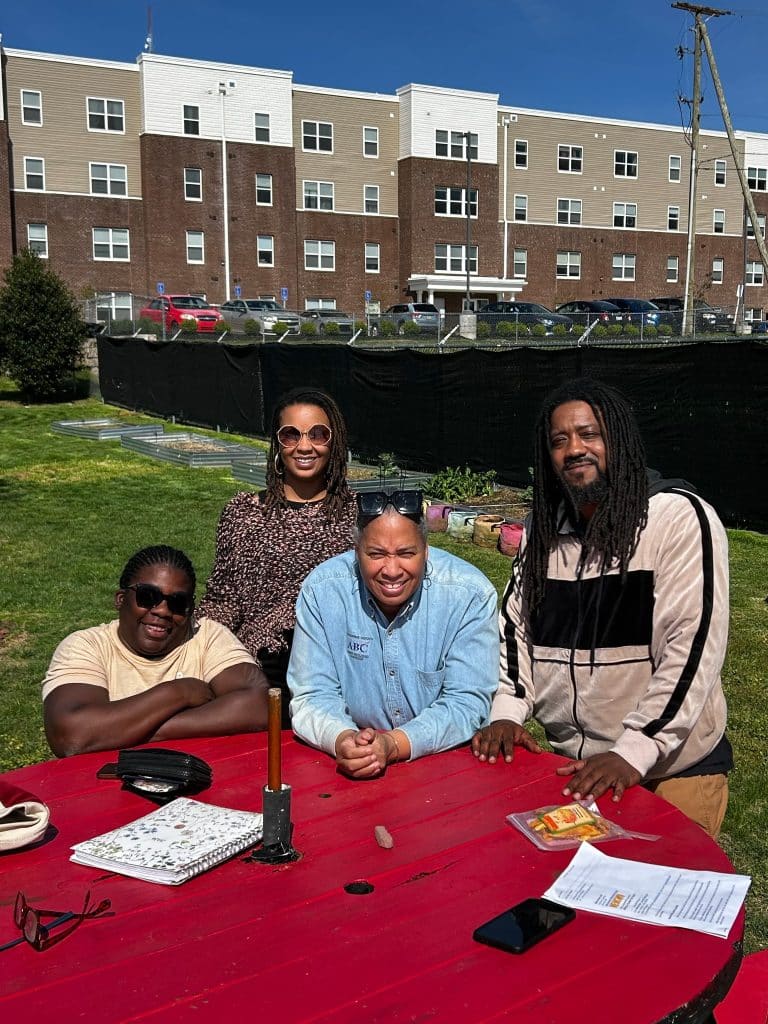
A national Black farmers network—2020 Farmers Cooperative—traveled to Charleston and McDowell County. Not to pitch a program. Not to recruit members. But to listen.
They came with a question that too many Black farmers in Appalachia rarely hear: “What do you need?”
For many farmers across the region, accessing support has never been simple. Instead, it often means navigating complex and competitive grant systems, traveling long distances for technical assistance, and trying to plug into networks that were never built with them in mind. The expectation has long been the same—farmers must find the funding, build the relationships, and translate their realities into someone else’s framework. Even then, support can feel fragmented, temporary, and out of reach.
But this visit flipped that dynamic.
Instead of asking, “How do you fit into our system?” 2020 Farmers Cooperative asked something different: “How can our system fit you?”
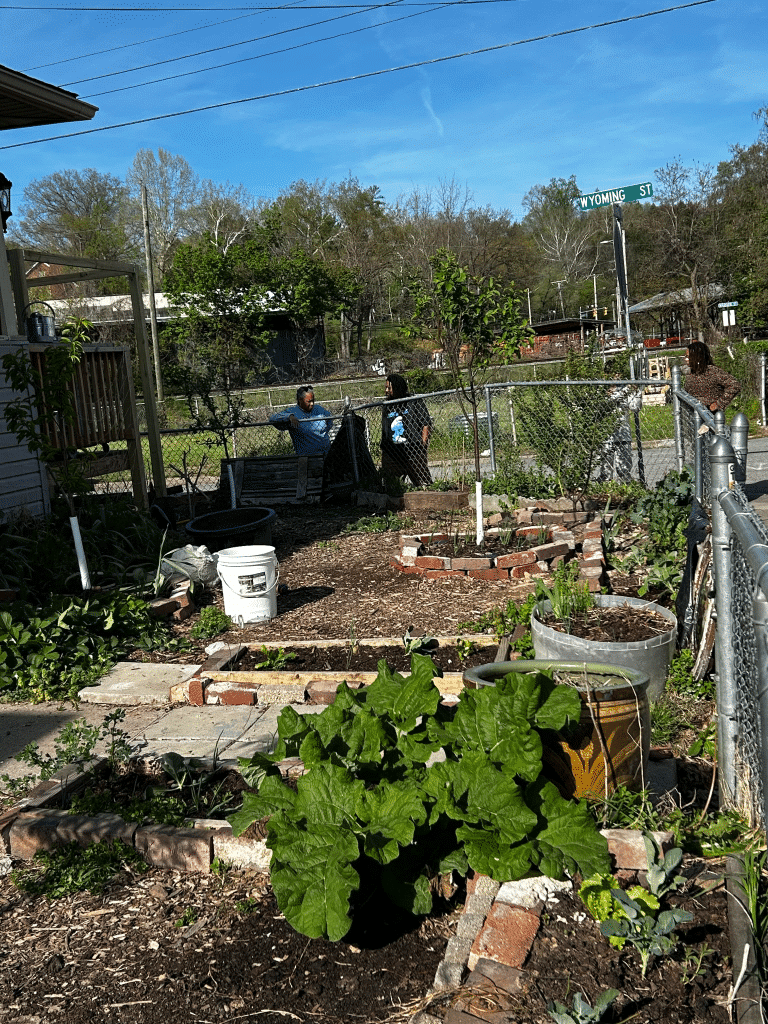
They spent time on the ground—walking farms, meeting growers, and listening closely to both the opportunities and the barriers that exist here. What they found wasn’t a lack of effort or innovation. From microgreens and herbal products to honey production and livestock, the diversity of what’s being grown in West Virginia’s Black farming communities is already strong.
What’s often missing isn’t talent. It’s infrastructure, coordination, and access to aligned capital.
That’s where a different kind of solution is beginning to take shape.
Through cooperative models like 2020 Farmers Cooperative, alongside local efforts supported by New Economy Works West Virginia, there is a growing shift toward building an ecosystem instead of a patchwork. One where farmers are connected directly to distribution networks, where capital is relationship-based instead of extractive, and where technical assistance is ongoing and grounded in trust—not limited to a single program or funding cycle.
It’s a model that recognizes farmers not as isolated operators, but as part of a larger system that can be built, strengthened, and owned collectively.
And that shift matters.
Because it means a farmer in McDowell County isn’t working alone. It means a grower on Charleston’s West Side has real pathways to scale. It means communities are not just producing—but beginning to build ownership around the systems that support that production.
What made this moment especially meaningful is that it didn’t happen overnight. This visit was the result of years of relationship-building—through shared spaces, ongoing conversations, and a commitment to staying connected across regions. It’s a reminder that real change doesn’t move at the speed of funding. It moves at the speed of trust.
And when that trust is in place, new possibilities open.
Now, the opportunity is turning this moment into something lasting—long-term partnerships, shared infrastructure, and coordinated investment that aligns with what farmers have said they actually need. Because the goal isn’t just to support individual farms. It’s to build a system where Black farmers in West Virginia can sustain their businesses, scale their impact, and pass down ownership, knowledge, and opportunity to the next generation.
Yesterday offered a glimpse of what that future can look like.
A future where support doesn’t require farmers to chase it.
A future where networks come to the community.
A future where solutions aren’t imported—but built, together, right here in West Virginia.

If you appreciate BBG's work, please support us with a contribution of whatever you can afford.
Support our stories
Related Articles
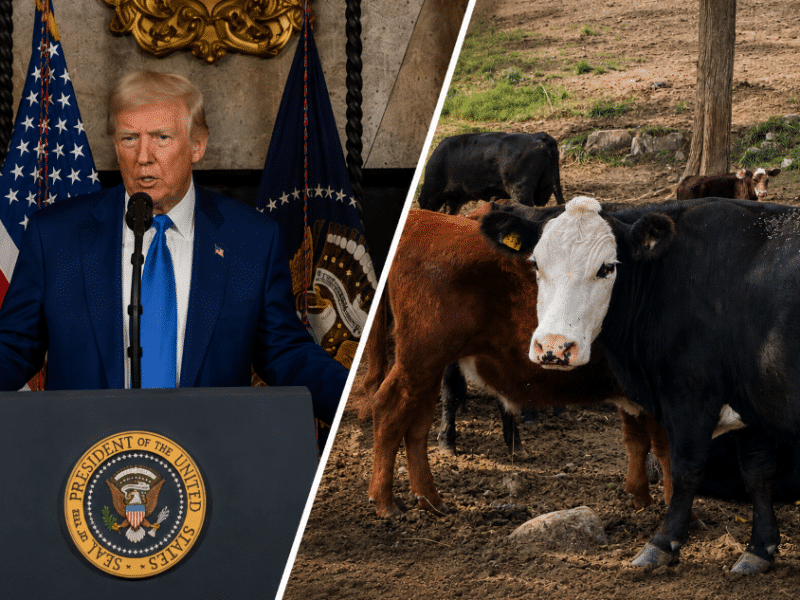
WV farmers question Trump’s decision to import beef
Local beef producers doubt the move will lower prices and believe it undercuts American farms.
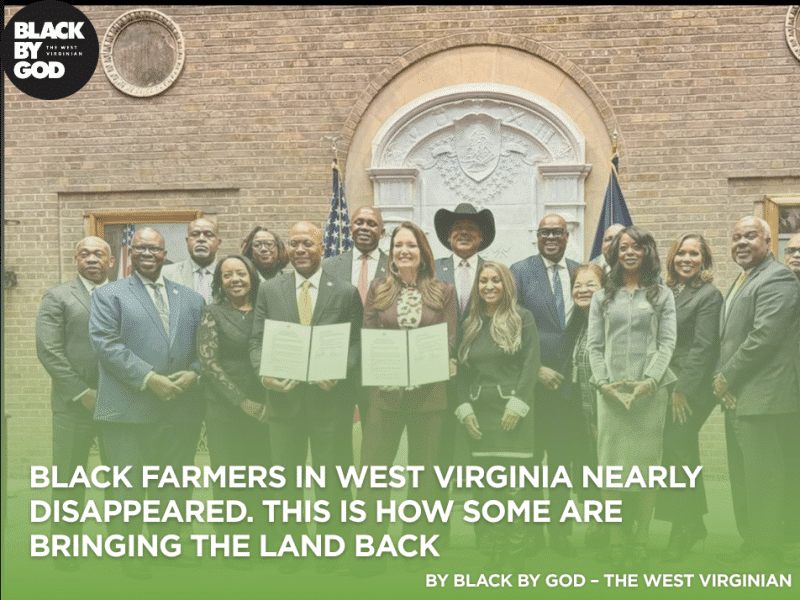
Black Farmers in West Virginia Nearly Disappeared. This Is How Some Are Bringing the Land Back
From 504 Black-owned farms a century ago to just 31 today: Black By God examines how Black West Virginians are reclaiming farmland, legacy, and food systems.