Menthol Tobacco Targeted Black Communities for Decades—Now Communities Across Appalachia Are Taking Action
BBG Staff
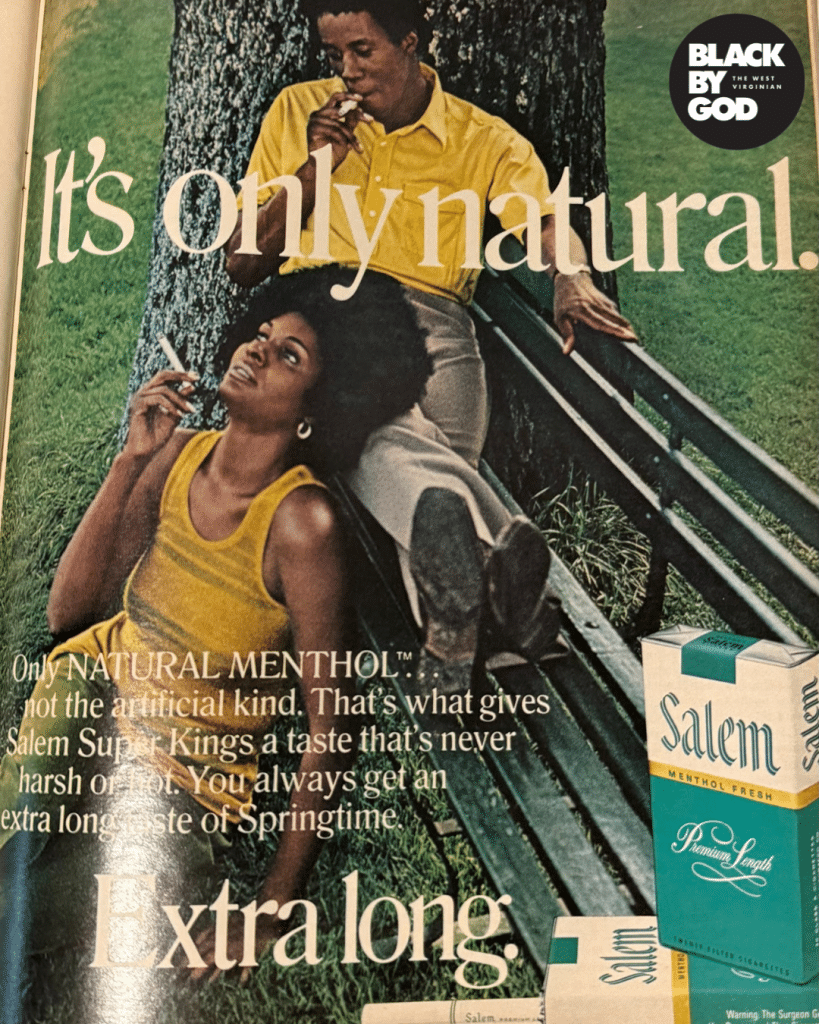
Menthol tobacco wasn’t just marketed. It was targeted.
For decades, tobacco companies heavily promoted menthol cigarettes in Black communities through neighborhood advertising, sponsorships, music culture, and strategic pricing. What looked like strategic marketing was also a long-term public health issue—one that continues to impact families and communities today.
Research continues to show how deeply that impact has affected Black communities nationwide. According to the Centers for Disease Control and Prevention (CDC), approximately 81% of Black adults who smoke use menthol cigarettes, compared to about 34% of white smokers. The CDC also reports that nearly 6 out of 10 Black youth smokers use menthol cigarettes. Public health experts say menthol’s cooling effect can make cigarettes feel less harsh, making it easier for people to begin smoking and more difficult to quit.
Advocates say those numbers are not accidental.
For years, tobacco companies concentrated menthol advertising in Black neighborhoods, placed more promotions in urban communities, and aligned products with Black culture and entertainment. The long-term impact has contributed to higher rates of addiction and tobacco-related illnesses in communities already facing health disparities.
As conversations around public health and health equity continue to grow across Appalachia, organizers, advocates, and groups like Community Education Group (CEG) are working to ensure the communities most impacted are included in the conversation.
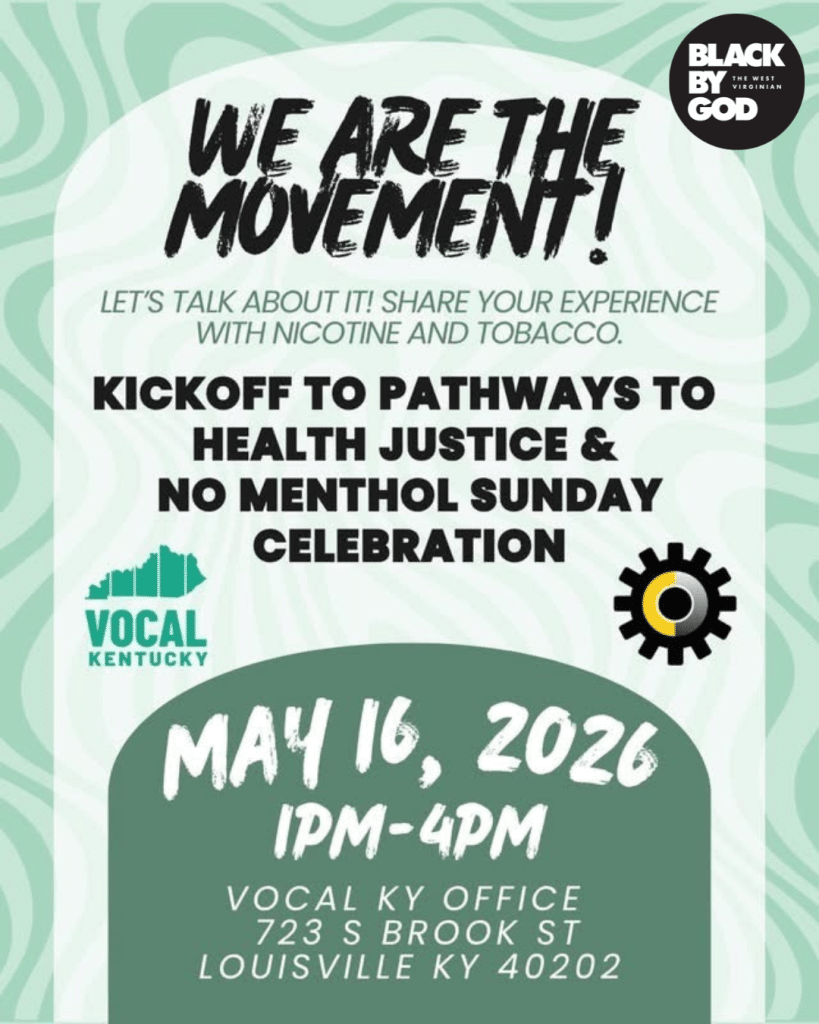
That work continues this weekend through the Kickoff to Pathways to Health Justice & No Menthol Sunday Celebration in Louisville, Kentucky.
The event will bring together community members, advocates, faith leaders, and public health professionals to talk openly about nicotine, tobacco, community impact, and what health justice looks like moving forward. Organizers say the goal is not just education—but community-driven change rooted in awareness, advocacy, and lived experience.
The conversation also reflects a larger reality facing states like West Virginia and Kentucky, where tobacco-related illness continues to affect communities at some of the highest rates in the nation. According to the American Lung Association, West Virginia consistently ranks among the states with the highest adult smoking rates in the country.
Advocates involved in the Pathways to Health Justice initiative say addressing the issue means looking beyond individual choices and examining the systems, policies, and targeted marketing practices that shaped generations of tobacco use.
A 2021 study from the University of Michigan found that although Black Americans make up roughly 12% of the U.S. population, they accounted for 41% of menthol-smoking-related premature deaths between 1980 and 2018. Researchers estimated menthol cigarettes contributed to more than 378,000 premature deaths nationwide during that period.
Supported through ongoing health equity and advocacy efforts connected to CEG and regional partners, Pathways to Health Justice focuses on building community awareness, leadership, and advocacy around these issues while creating space for community voices to help guide solutions.
The Kickoff to Pathways to Health Justice & No Menthol Sunday Celebration will take place Saturday, May 16, from 1 p.m. to 4 p.m. at the VOCAL Kentucky Office located at 723 S. Brook Street in Louisville.
Because real change doesn’t happen overnight.
It happens when communities come together, speak honestly, and push for something better moving forward.
If you appreciate BBG's work, please support us with a contribution of whatever you can afford.
Support our stories
Related Articles

Soul Food Scholar Adrian Miller to Join Simpson Memorial’s 160th Anniversary Celebration
The award-winning author will visit Charleston to celebrate the stories preserved through Black churches, kitchens and communities.
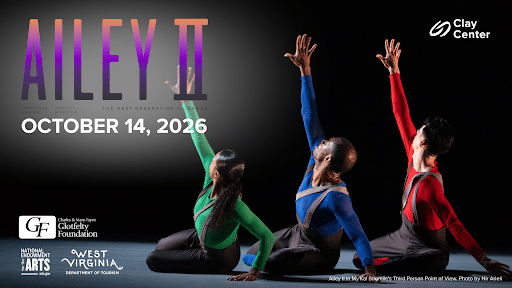
Ailey II Brings Blackberry Dance Legacy and Emerging Talent to Charleston
Ailey II will take the stage at the Clay Center on Oct. 14, bringing world-class contemporary dance and a special educational opportunity for local dancers.