
How we got here: An exploration of Black land ownership and farming in West Virginia’s history
Black By God is reporting on how Black farmers in West Virginia are rebuilding agricultural systems despite barriers to land, policy, and capital—highlighting what’s working, who’s leading, and how communities are adapting.
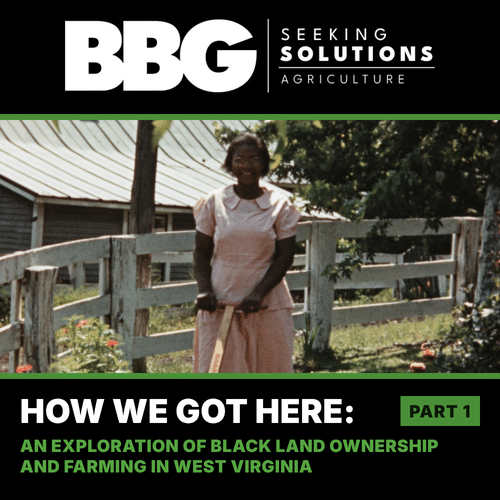
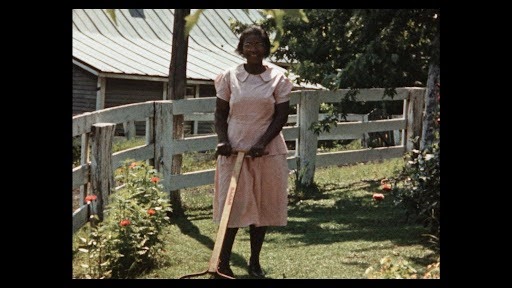
Still from King Coal, courtesy of West Virginia Archives and History
In this excerpted passage from our article Black Farmers in West Virginia Nearly Disappeared (August 24, 2026) we explore the history of Black farmers in West Virginia. This is the first installment of a five-part series.
Black farming in these mountains didn’t begin after the Civil War or even after West Virginia became a state. It began decades earlier, on the western edge of colonial Virginia, where free and formerly indentured Africans settled alongside other pioneers and built lives from the land.
“Look at the Black proletarians, the working class,” said Pastor Matthew J. Watts of Charleston, West Virginia’s Grace Baptist Church. Watts is also founder of the Tuesday Morning Group, as well as president and CEO of the HOPE Community Development Corporation. “By them coming out of an agrarian society – coming from the agrarian south, from Virginia, from North Carolina, from South Carolina, from Georgia – it would only stand to reason that they would have brought their agricultural skills with them.”
We’ll bring the best from BBG right to your inbox. You can easily unsubscribe at any time.
Sign Up for our Newsletters!
Farming wasn’t simply a way to earn a living – it was survival. Families grew crops, raised livestock, milled grain and developed the agricultural knowledge that sustained communities long before there was a state called West Virginia. For free Black settlers, working the land also offered something just as valuable: the opportunity to build an independent life in a place where freedom was never guaranteed.
By the first federal census in 1790, Virginia counted more than 292,000 enslaved people and about 12,000 free people of color. Most lived in the eastern part of the commonwealth, but Black communities had already taken root across the western counties that would eventually become West Virginia.
That freedom, however, existed alongside slavery. One of the earliest documented Black presences in what is now West Virginia dates to about 1748 on the Hampshire County estate of Thomas Fairfax, 6th Lord Fairfax of Cameron. Fairfax leased land to tenant farmers while relying on enslaved labor to maintain his vast holdings. As settlement expanded westward, slavery expanded with it.
Unlike the plantation economies of the Deep South, slavery in western Virginia often fueled industry instead of cotton or rice production. The Kanawha Valley’s booming salt industry depended on enslaved labor. Men, women and children hauled brine, tended furnaces and performed dangerous work that helped make Kanawha salt one of the region’s most profitable industries.

If you appreciate BBG's work, please support us with a contribution of whatever you can afford.
Support our stories
Related Articles
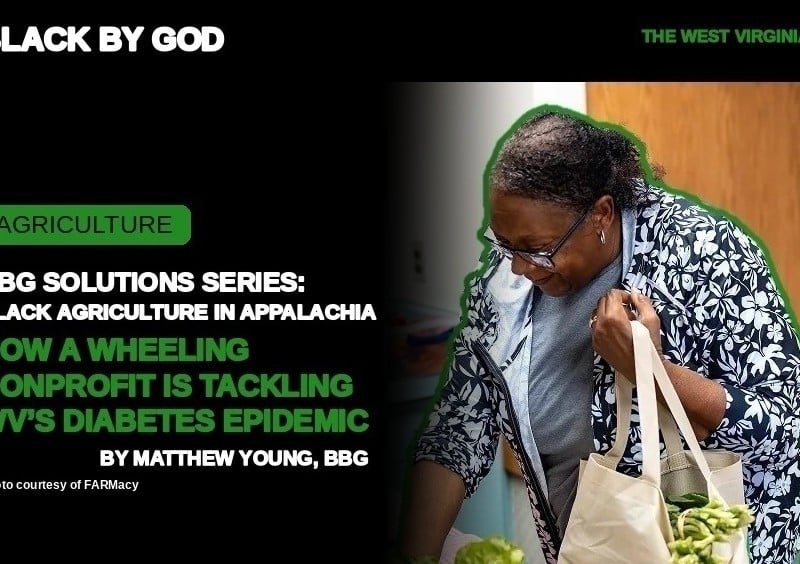
How a Wheeling nonprofit is tackling West Virginia’s Diabetes epidemic
FARMacy is building a network of farmers and agricultural producers throughout West Virginia to provide fresh produce to those who need it most.
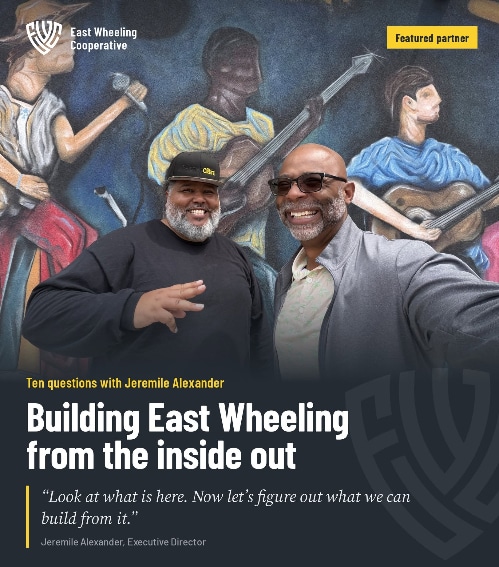
Ten Questions with Jeremile Alexander: Building East Wheeling From the Inside Out
This article is the first installment of the EBSHF Meet Our Strategic Partners series. It was originally published on the EBSHF website.