
Salt, Slavery, and the Land that Built a University
Black By God is reporting on how Black farmers in West Virginia are rebuilding agricultural systems despite barriers to land, policy, and capital—highlighting what’s working, who’s leading, and how communities are adapting.
In this excerpted passage from our article Black Farmers in West Virginia Nearly Disappeared (August 24, 2026) we look into the mechanization and industrialization of chattel slavery in West Virginia, which led to a major shift in how Black farmers farmed the land. This is the second installment of a five-part series.
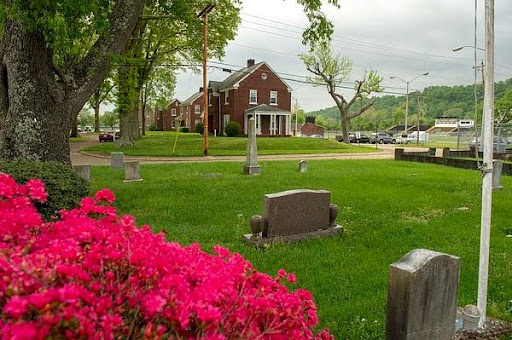
Unlike the plantation economies of the Deep South, slavery in western Virginia often fueled industry instead of cotton or rice production. The Kanawha Valley’s booming salt industry depended on enslaved labor. Men, women and children hauled brine, tended furnaces and performed dangerous work that helped make Kanawha salt one of the region’s most profitable industries.
That history survives in the records. In 2020, the Huntington Library acquired nearly 2,000 business records from Dickinson & Shrewsbury, the company that later became today’s J.Q. Dickinson Salt-Works. The collection includes inventories naming enslaved workers and a rare letter written by an enslaved person, documenting the human lives behind one of western Virginia’s most profitable businesses.
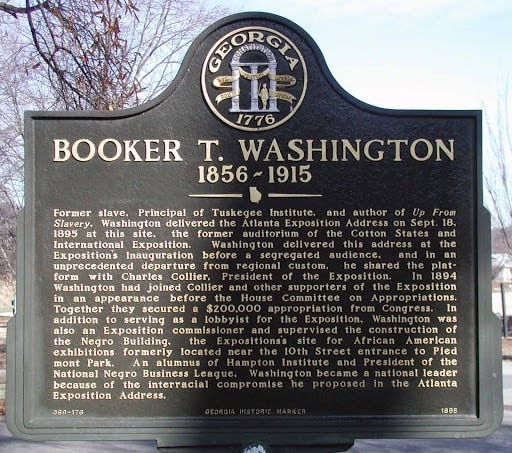
The salt industry also shaped the early life of Booker T. Washington. Freed as a child after emancipation reached western Virginia, Washington spent part of his youth packing salt before dawn in Malden. Those experiences helped shape his belief that education, skilled trades and agriculture could provide formerly enslaved people with economic independence. He later carried those ideas to Tuskegee Institute, where agriculture became central to his vision for Black self-determination.
West Virginia embraced a similar philosophy through its own land-grant institution—on land with a remarkable story of its own. By 1860, historian Scott A. MacKenzie estimates that Kanawha County was home to 2,184 enslaved people held by 241 enslavers. Among them was Samuel Cabell, whose legacy would become unexpectedly tied to one of the most important stories of Black land ownership in West Virginia.

If you appreciate BBG's work, please support us with a contribution of whatever you can afford.
Support our stories
Related Articles
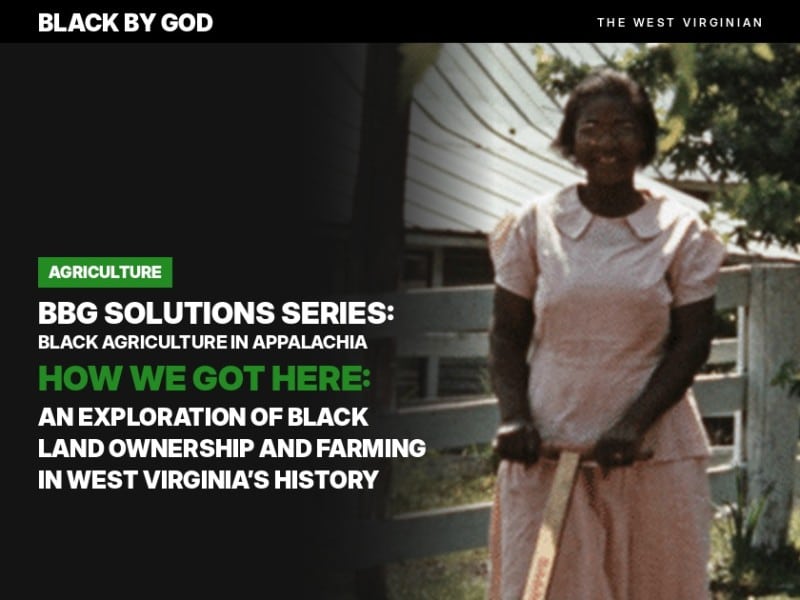
How we got here: An exploration of Black land ownership and farming in West Virginia’s history
Black By God is reporting on how Black farmers in West Virginia are rebuilding agricultural systems despite barriers to land, policy, and capital—highlighting what’s working, who’s leading, and how communities are adapting.
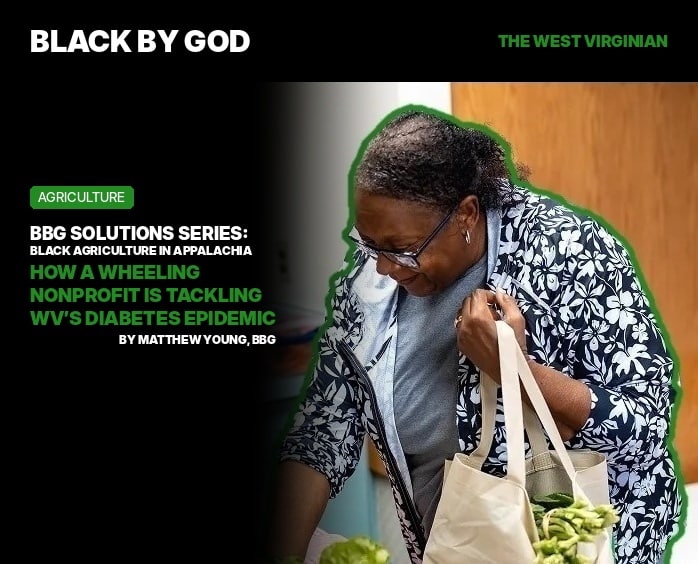
How a Wheeling nonprofit is tackling West Virginia’s Diabetes epidemic
FARMacy is building a network of farmers and agricultural producers throughout West Virginia to provide fresh produce to those who need it most.