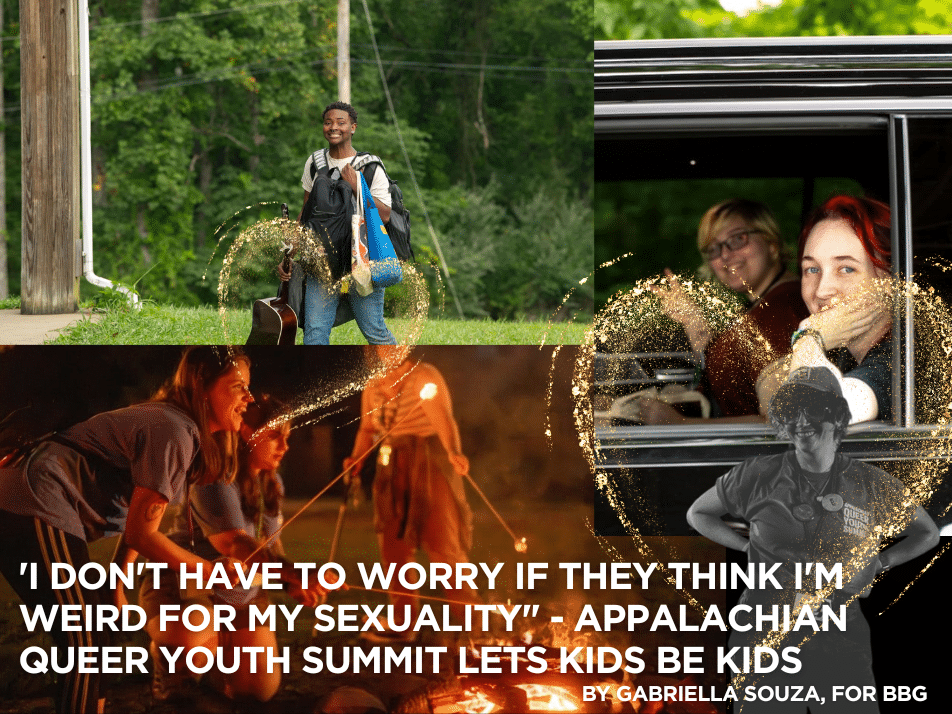
‘I don’t have to worry if they think I’m weird for my sexuality” – Appalachian Queer Youth Summit lets kids be kids
Inside the Appalachian Queer Youth Summit: A safe haven hosted by ACLU-WV where West Virginia LGBTQ+ youth build community, organizing skills, and joy.
By Gabriella Souza, for BBG
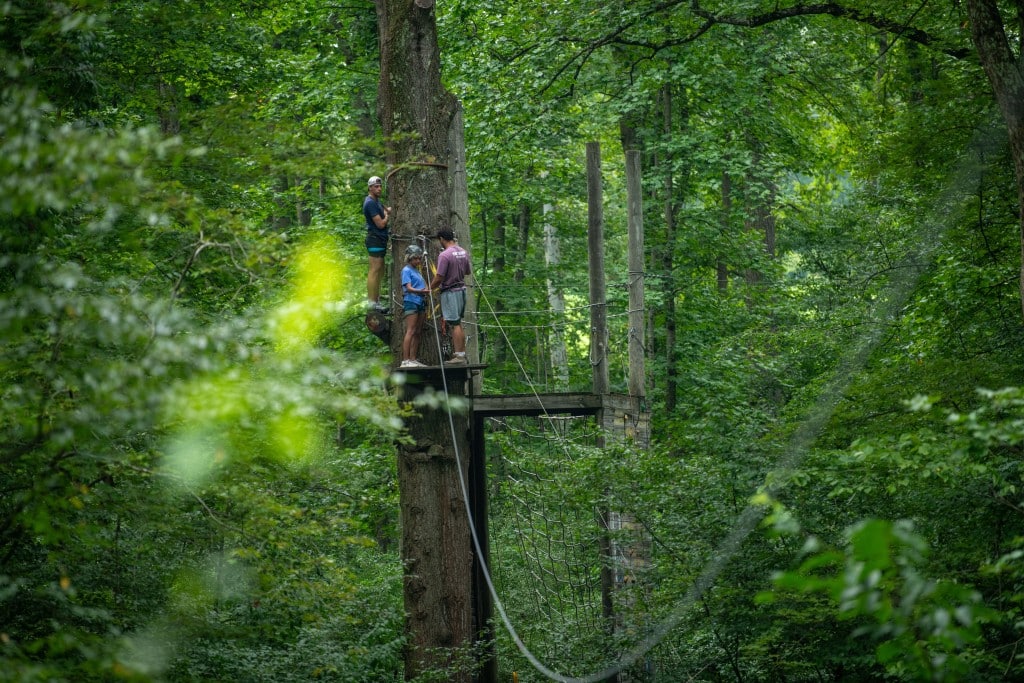
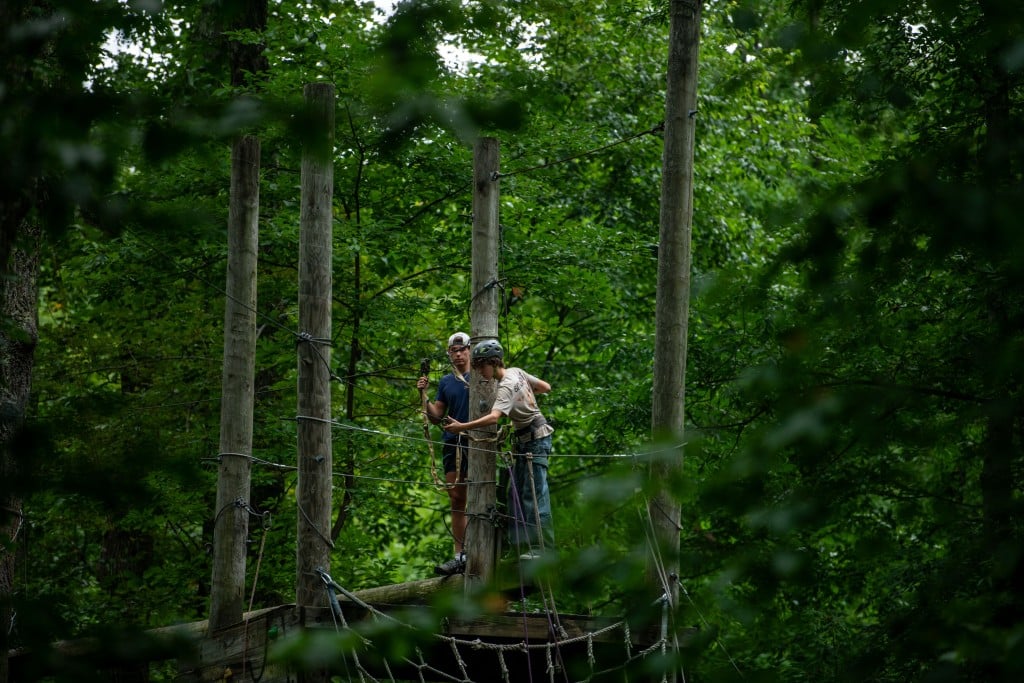
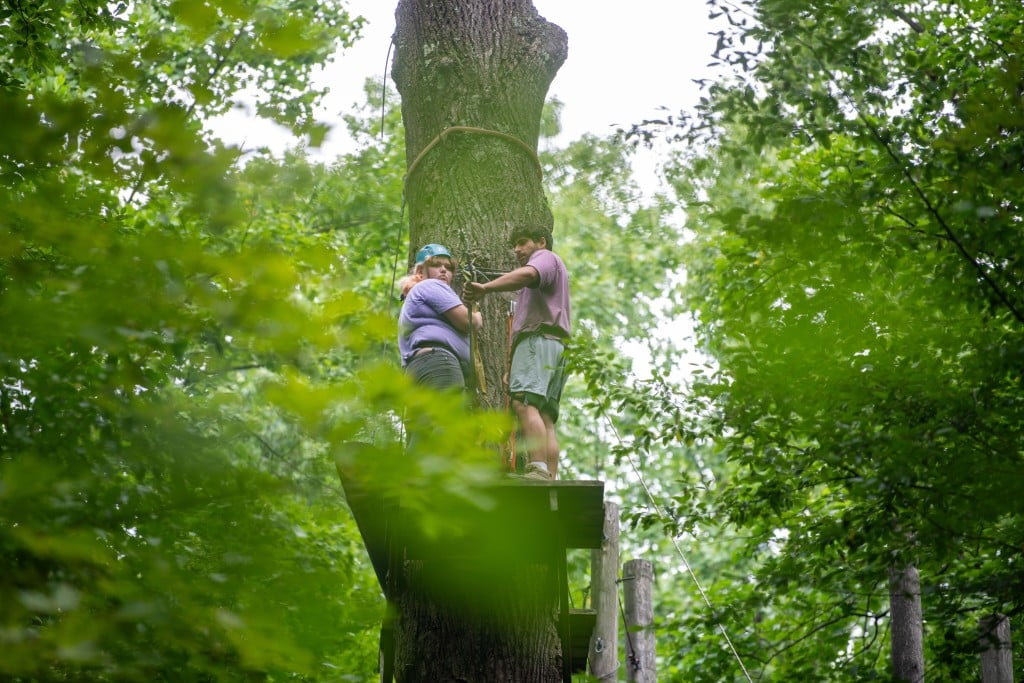
On a humid August afternoon, a group of young people trudged through woods to a tower connected to cables strung within the tree line.
They hoisted themselves into harnesses and eyed the rope ladder and the bridge constructed of a single log, which they’d have to traverse.
“I’m not sure I can do this,” one participant said, and their response was quickly met with exclamations from other campers.
“You can!” and, “You got this!”
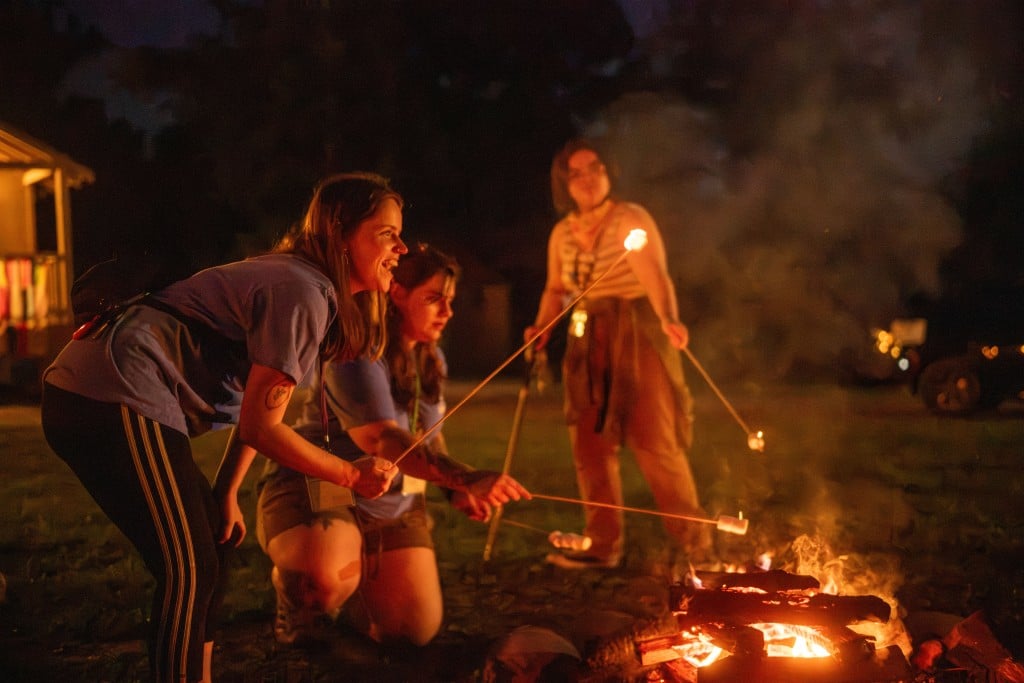
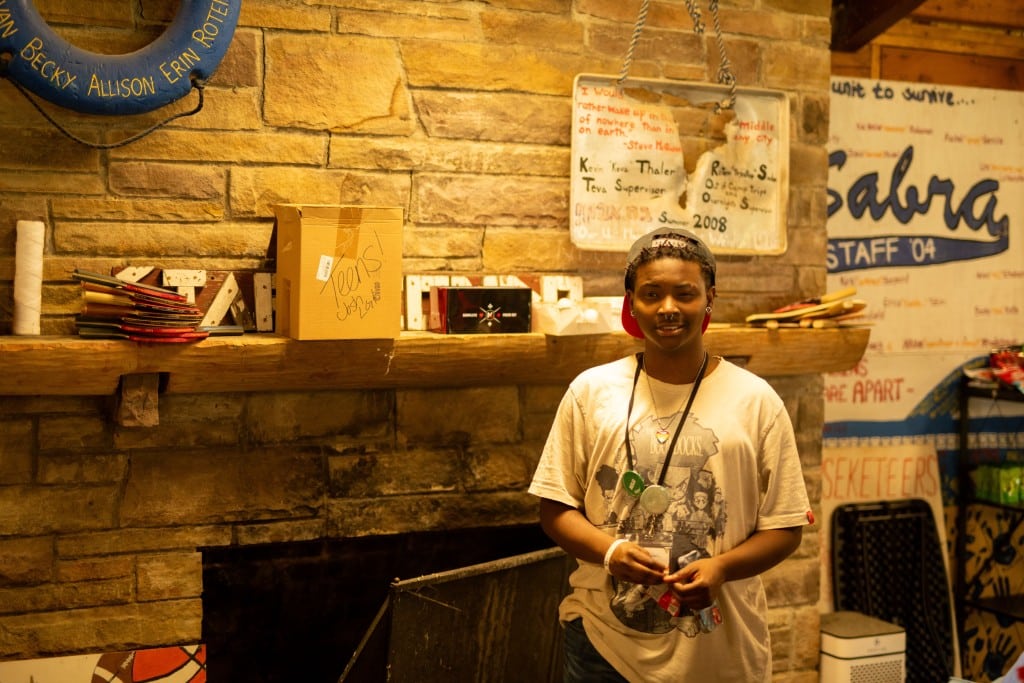
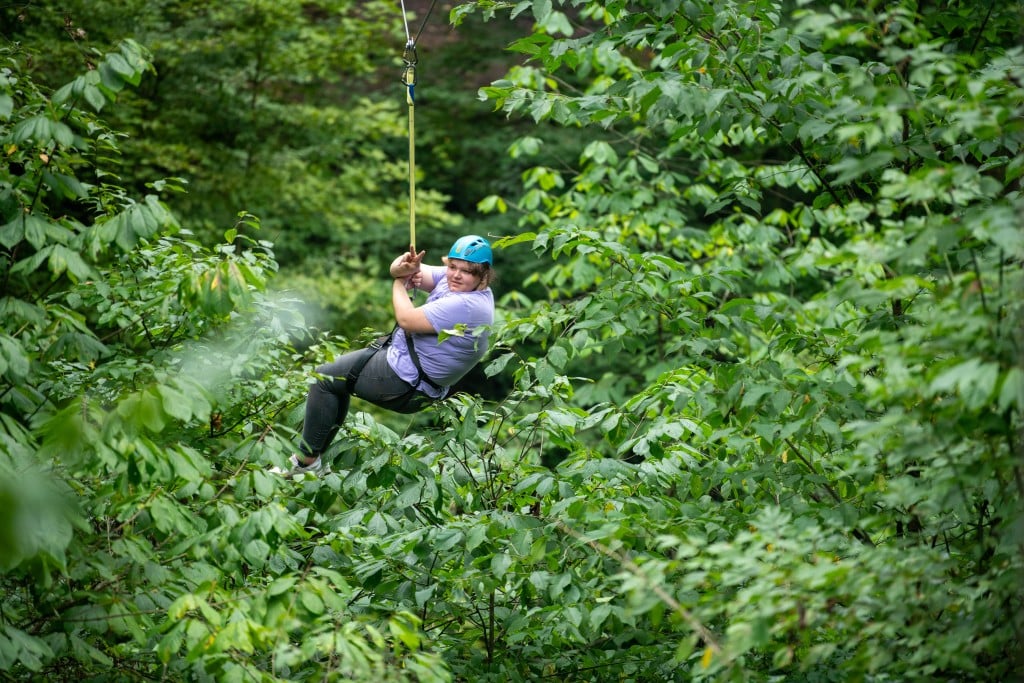
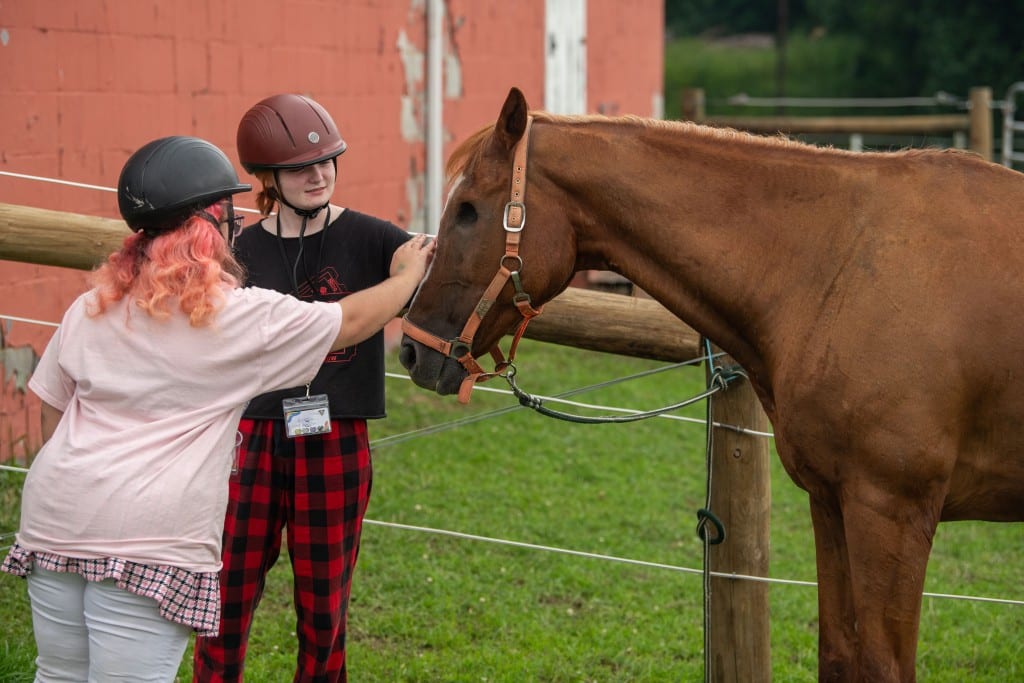
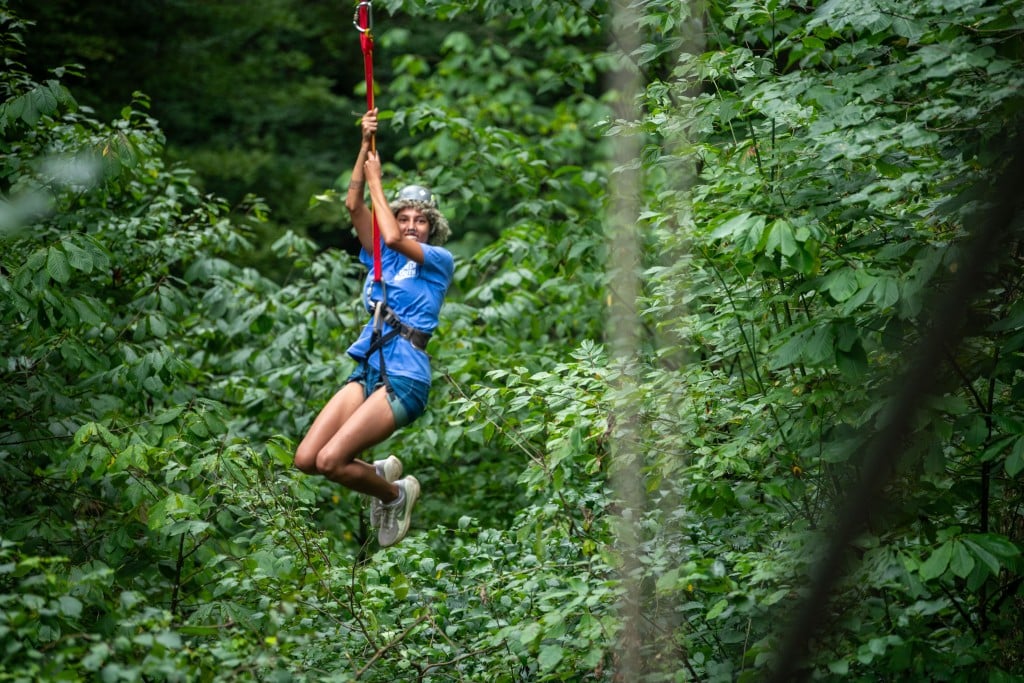
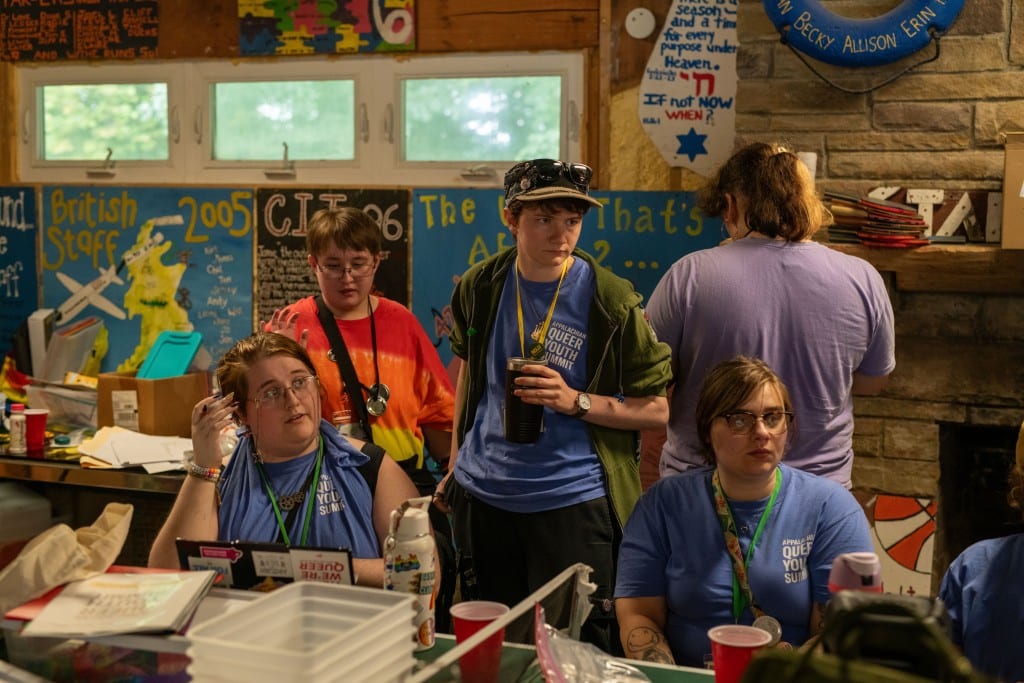
The campers preparing to zip line wore nametags with spaces for their names and preferred pronouns. Some of their apparel featured rainbow colors, whether in accessories or displayed on their T-shirts. Down the hill, Pride flags were strung across the railings of their cabins along with banners bearing slogans like “Born This Way.”
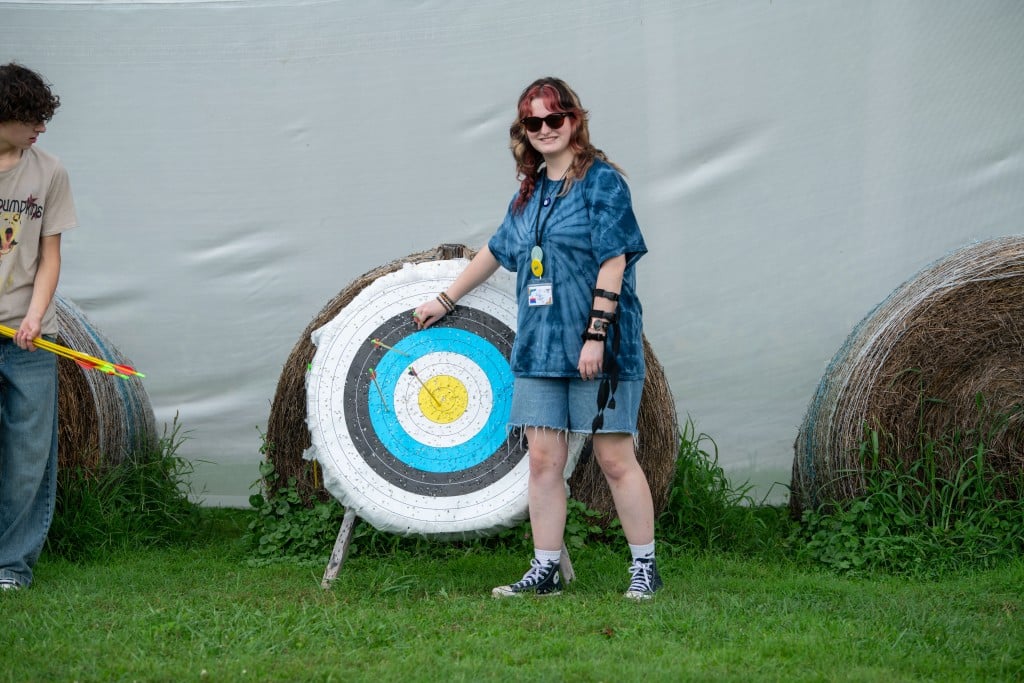
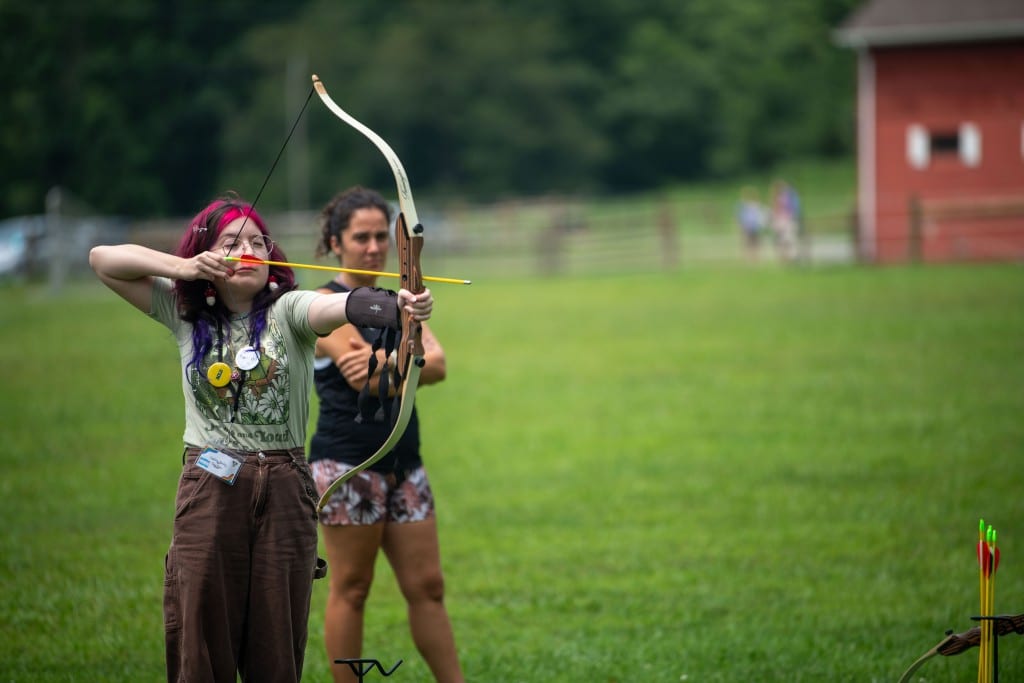
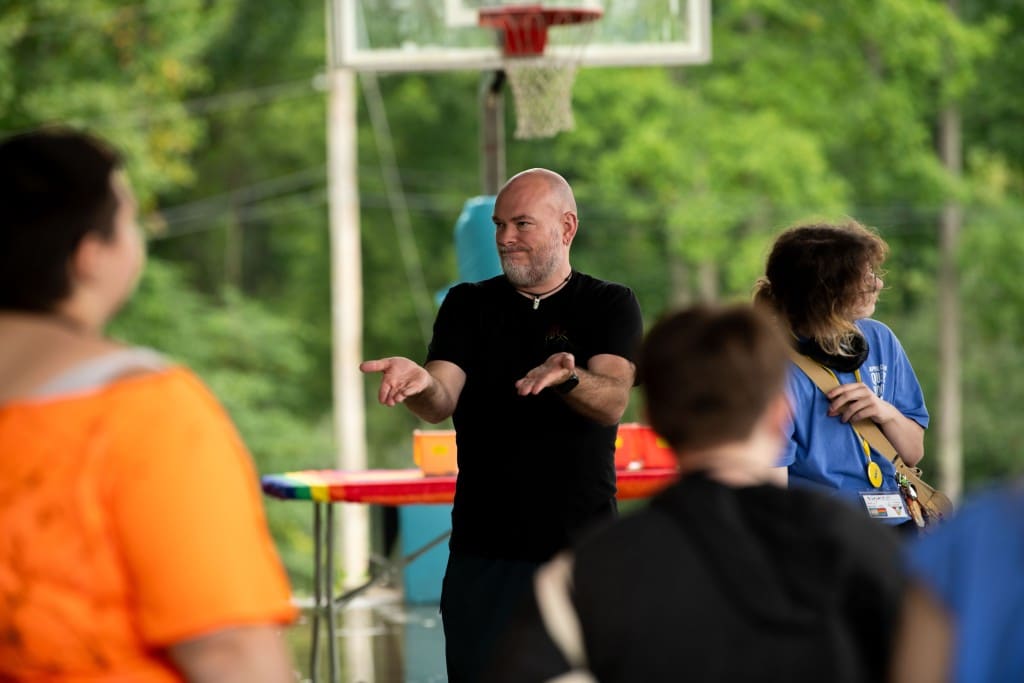
Each summer, the Appalachian Queer Youth Summit gives LGBTQ+ youth, or those from LGBTQ+ families, a true summer camp experience, with the addition of organizing and self-advocacy skills. Nestled among activities like archery, horseback riding, and bracelet making are convenings of affinity groups for those who are BIPOC and who have disabilities, sessions on resilience and boundaries, plus a beloved drag show that many campers participate in that marks the end of camp.
Perhaps most importantly, for five days, it creates a space where the campers can be themselves among people who understand them.
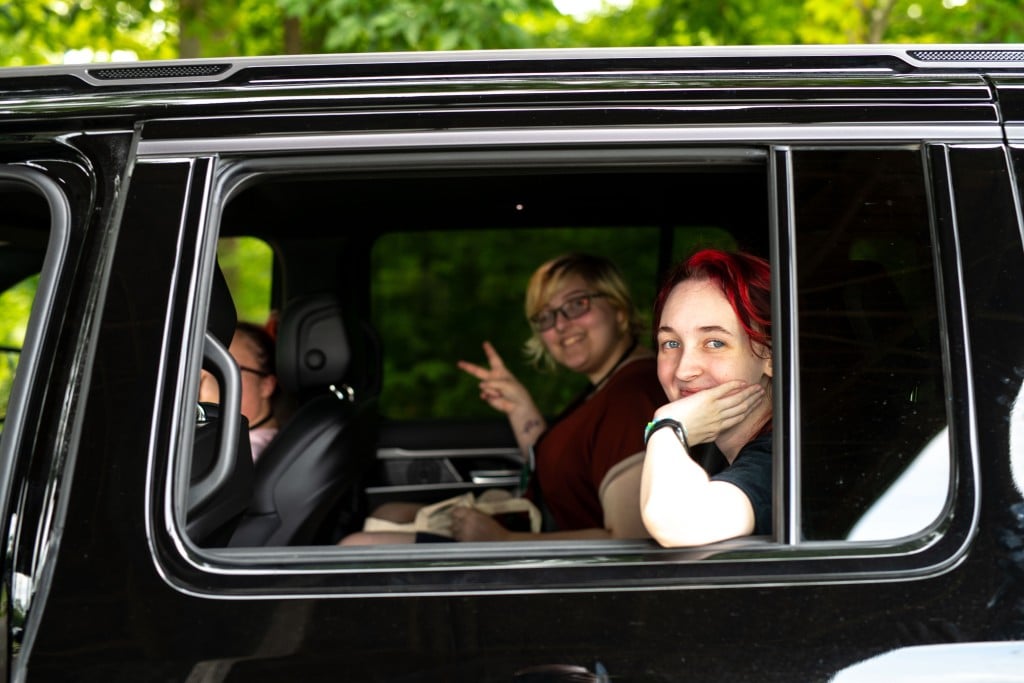
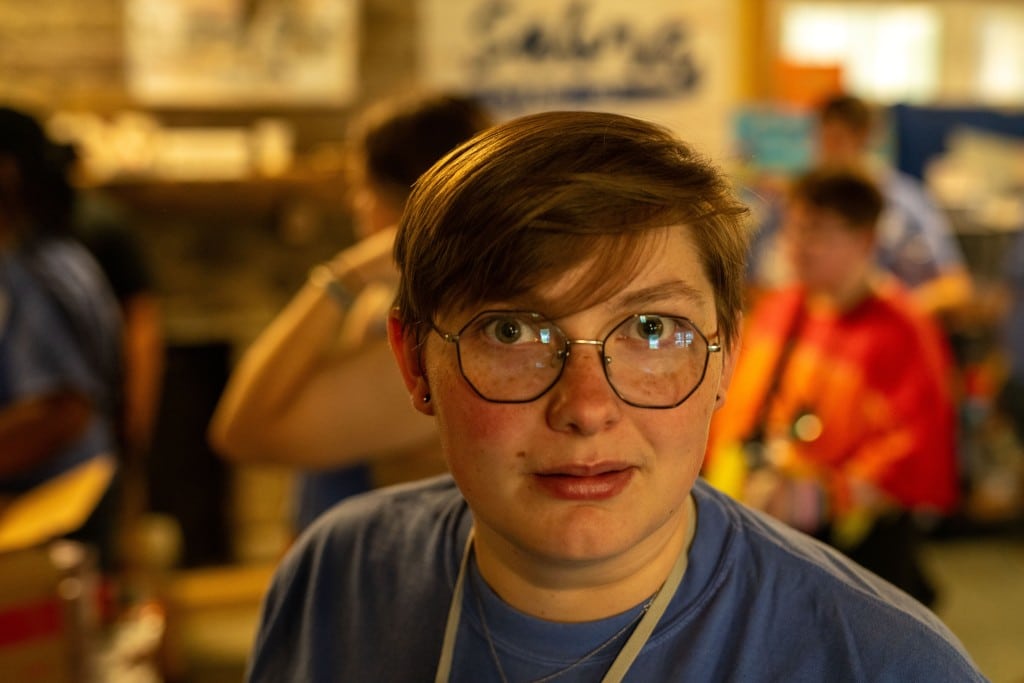
Allyda, 17, remembers what it was like for her to arrive at camp for the first time three years ago. “I saw so many gay people, and I was like, this is the happiest I’ve ever been in my whole life,” she said. “That same day we swam, and there was something so awesome about swimming with a bunch of gay and trans people. Because I’m a lesbian, when I swim with other girls, especially straight girls, I’m like, do they think I’m being weird? But I don’t have to worry about anything when I’m swimming with gay people. I don’t have to worry about what they think of my body. I don’t have to worry if they think I’m weird for my sexuality. I just get to swim.”
The ACLU of West Virginia, which runs the summit, requested that the campers be identified by their first names and that the location of the camp not be published because of threats of violence.
The Appalachian Queer Youth Summit, which staff affectionately refer to as “gay camp,” began in 2020 after a convening of Appalachian human rights organizations and the realization that queer youth in Appalachia were the most isolated of any group. The first year, the COVID-19 pandemic limited camp to a virtual, three-hour convening of seven young people. Beginning the next year, the camp opened at its first physical location and now is now held in northeastern West Virginia.
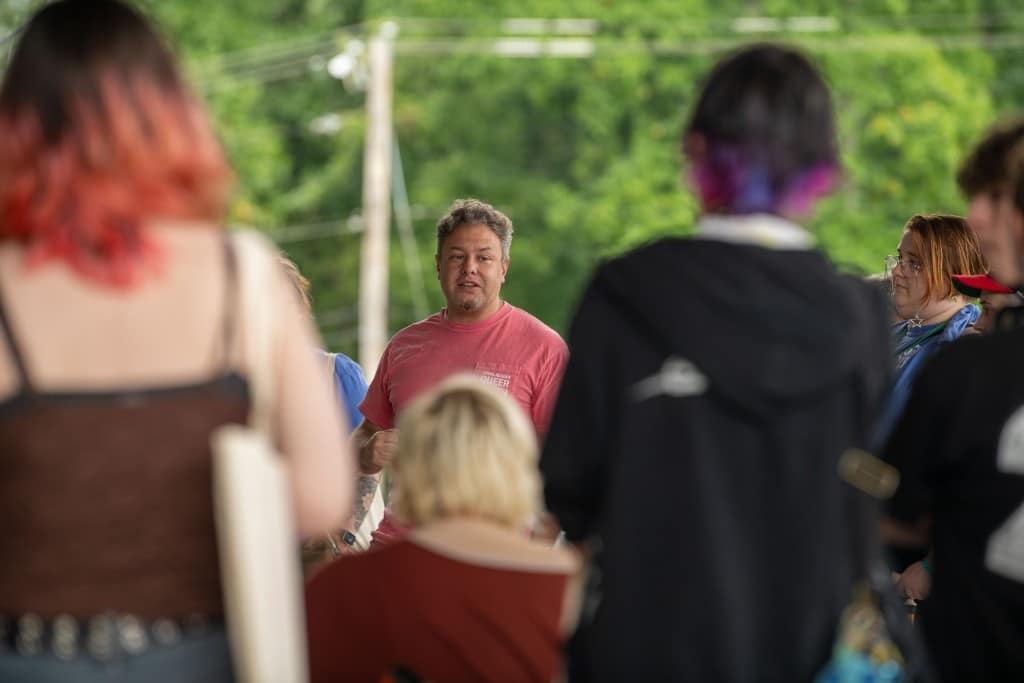
Many LGBTQ+ youth in West Virginia “are living in places where there’s no other kid like them in school,” said Mollie Kennedy, community outreach director for the ACLU of West Virginia and the camp’s director. “The first year we held a physical camp, a kid came up to me at the end, gave me a hug, and told me, ‘I’ve never felt this safe anywhere before.’ What we’re doing is not complicated. We call them by the names they want to be called and by their correct pronouns. We do fun activities. If you put kids in an environment where they’re not worried about getting made fun of, misgendered, bullied, or physically hurt, they just get to be kids.”
The camp has become increasingly important as anti-LGBTQ+ legislation in West Virginia continues to become law, largely targeting the state’s transgender population, including youth. In 2025, the legislature passed a bill that further restricted gender-affirming care for minors. While West Virginia had a near-total ban on gender-affirming care for minors since 2023, this bill removed an exemption that allowed the care for severe cases of gender dysphoria under specific conditions, such as multiple mental health and medical professional opinions. Bills that police the facilities any trans person can use and ban the instruction of sexual identity or orientation in schools while requiring educators to report to parents if a student is using a name or pronouns different from their “biological sex” are also now law.
C.J., 19, who is transgender, first heard about the Youth Summit in high school, but “my family was not accepting, and I couldn’t find a good excuse to get up here,” he said. C.J. spent much of high school concerned he would be outed. “I hadn’t been in many spaces where everybody around me had a similar mindset and wasn’t questioning me or trying to make me justify my existence. It was just people relating based off who they are.” Last year at camp, he also met the person who is now his partner. “Man,” he said, “I wish I had had more spaces like this when I was younger.”
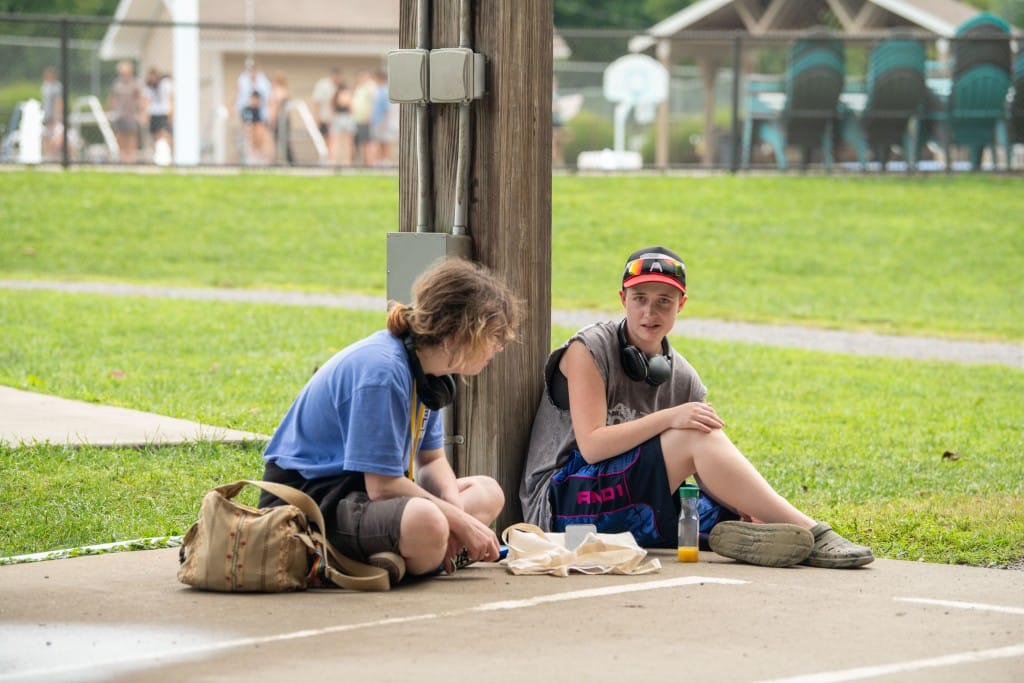
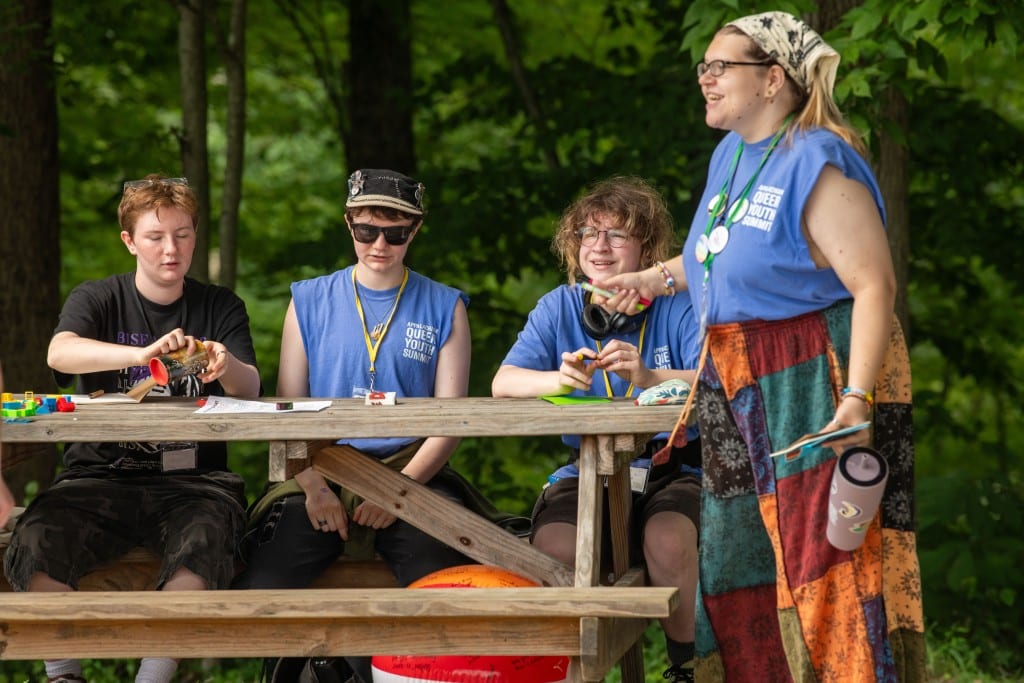
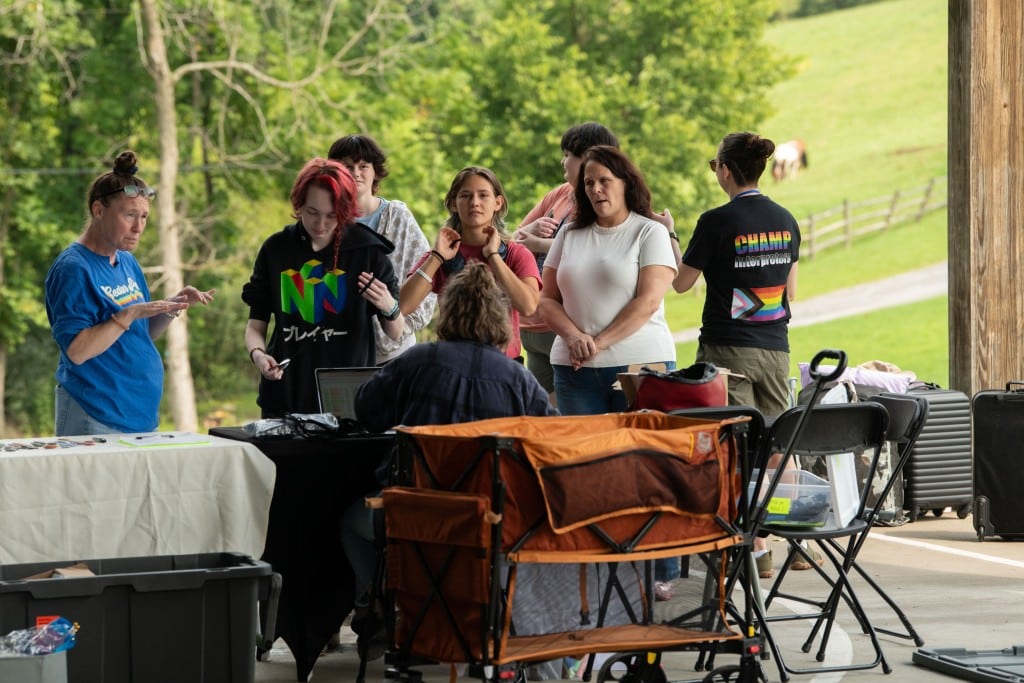
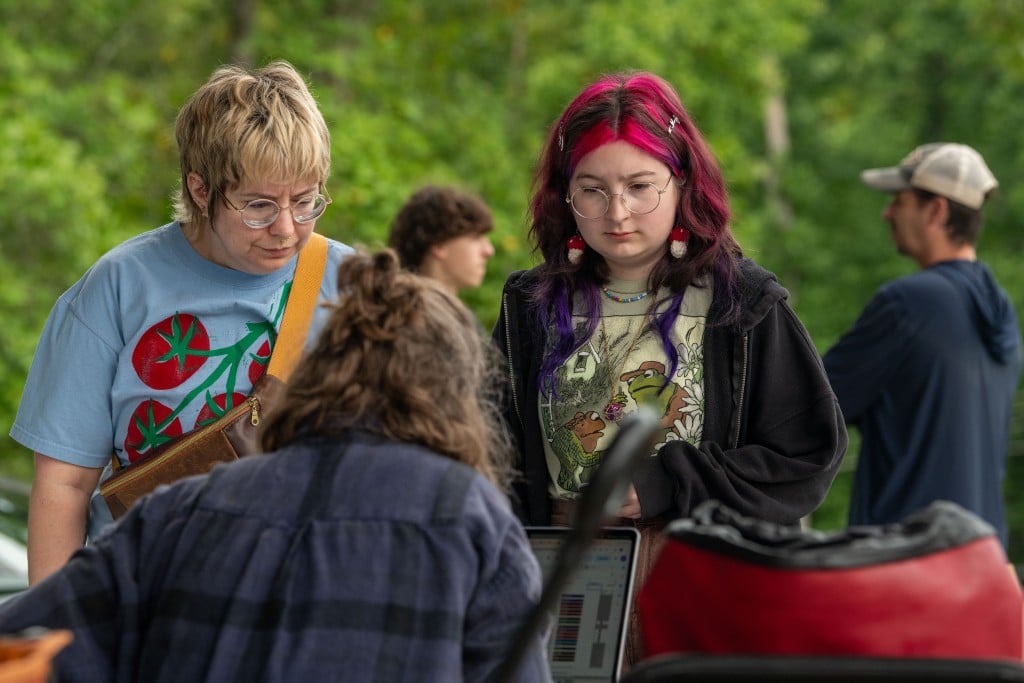
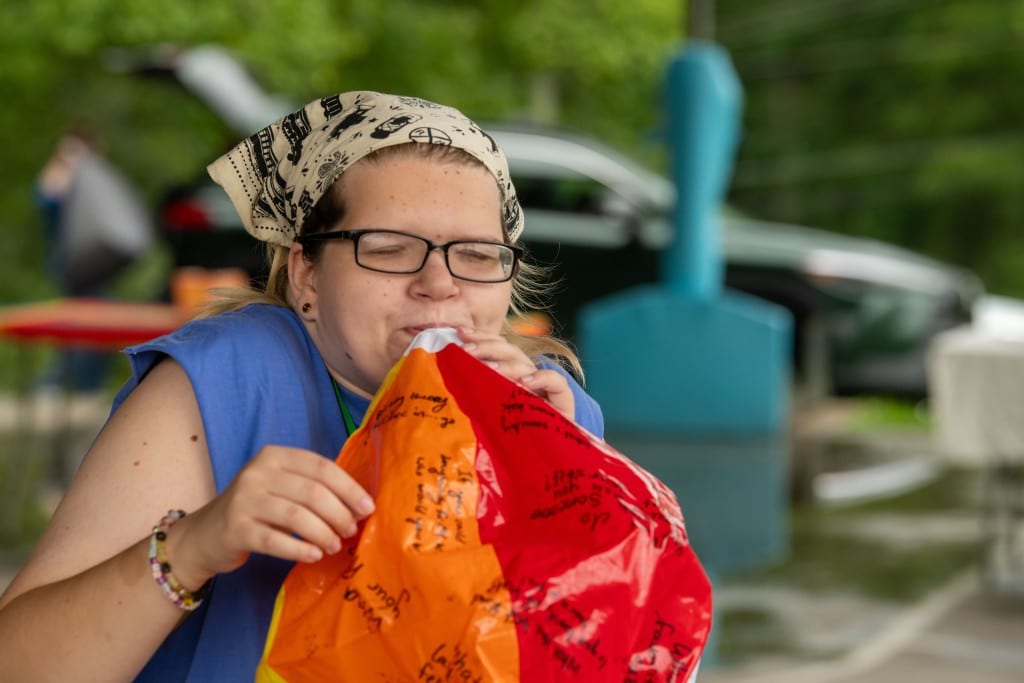
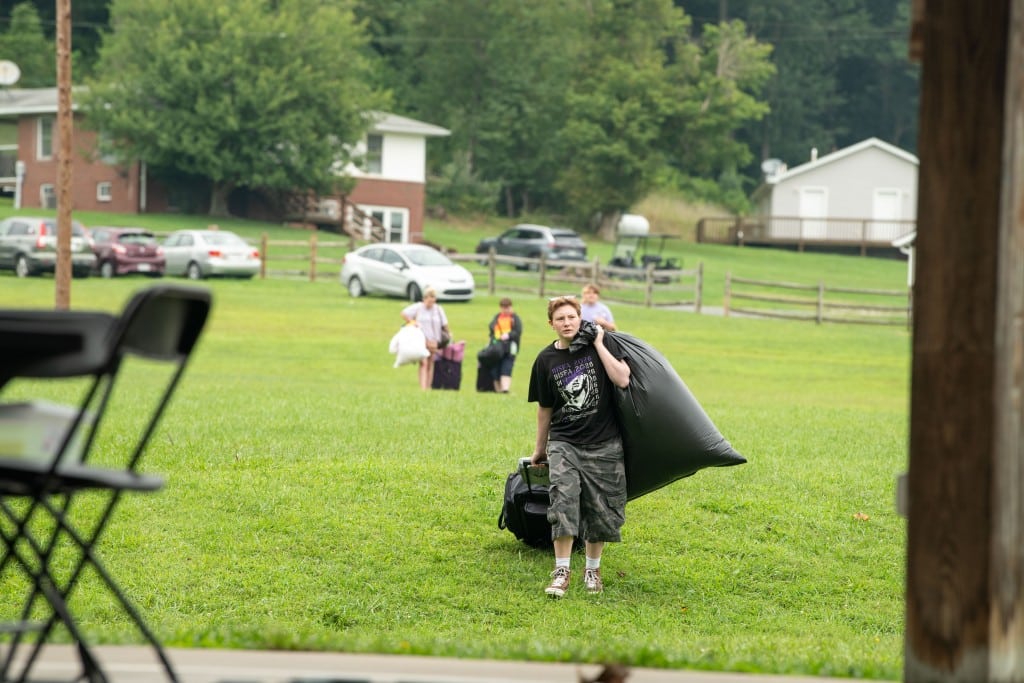
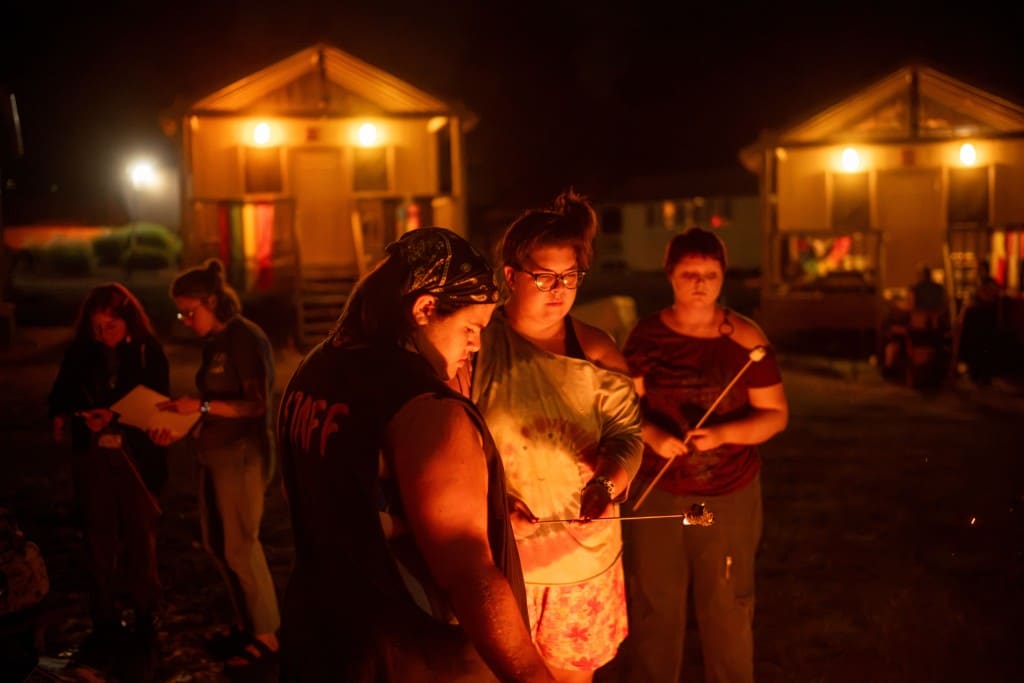
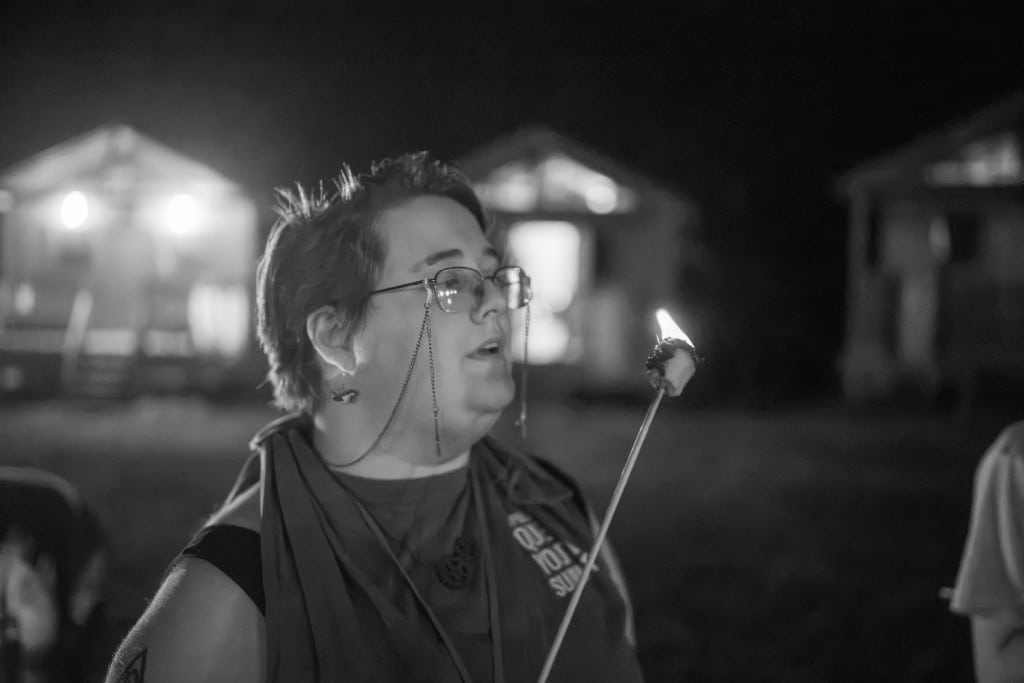
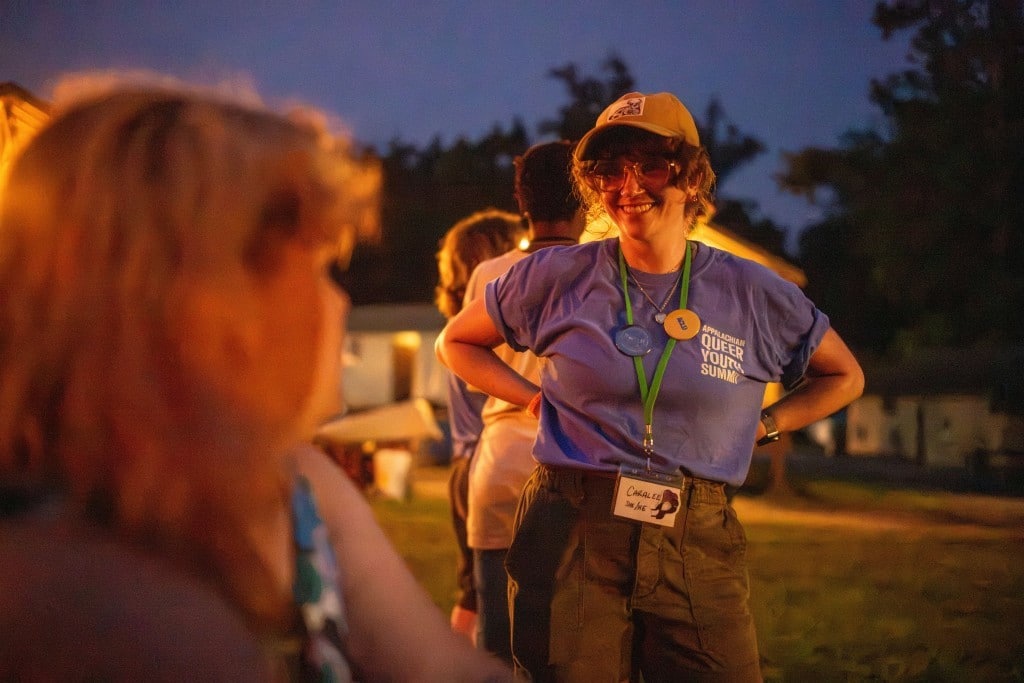
The camp is free to participants, and the ACLU of West Virginia goes as far as to provide gas cards to families for transportation. (Kennedy recalled that once, the organization paid for an Uber to transport a camper from Charleston.) To attend, campers fill out an application with questions ranging from why they want to come to camp to what problem affecting LGBTQ+ people in West Virginia would they like to solve and go through an interview. So far, Kennedy said they have not turned any campers away. This year, 25 campers attended, and some years, that number is as high as 40.
Once campers turn 20, they can return as junior counselors, then as counselors, which contributes to the camp’s community.
Hunter Knight, the camp’s head counselor, realized the impact their experience could have on others after giving a presentation on how they manage their PTSD and panic disorder. One of the campers approached them at the end of the session and “he started crying, and he hugged me, and he was like, Hunter, I’ve never had somebody see me that way. I feel so amazing, I can talk about it to my family and my therapist. I feel like I can overcome my anxiety because you spoke to me. I was like, Oh my gosh, this is real. I can touch these kids’ lives.”
Understanding the multiple aspects of their identities, and being in an environment of acceptance, changed junior counselor Mykah Smith’s relationships with family, friends, and themself.
“Until camp, I felt alone pretty much all the time. In my friend group, I’ve always been the gay one and the Black one. I ran a group about the intersectionality of being queer and Black and I think about that day very fondly. It’s kind of sad now that I’m thinking about it, but it was the first time that people actually listened to me.” Camp also gave Smith their first romance. “It was so cute and I’d never experienced that before because it’s hard finding other queer people [in West Virginia],” they said. “That’s a memory that I hold very near and dear to my heart.”
On the first day of camp, waiting for the zip line, campers chatted excitedly about plans for performances at the drag show, still a few days away. When one of the campers got to the top of the tower, but decided the heights were too much, supportive arms met her on the way down.
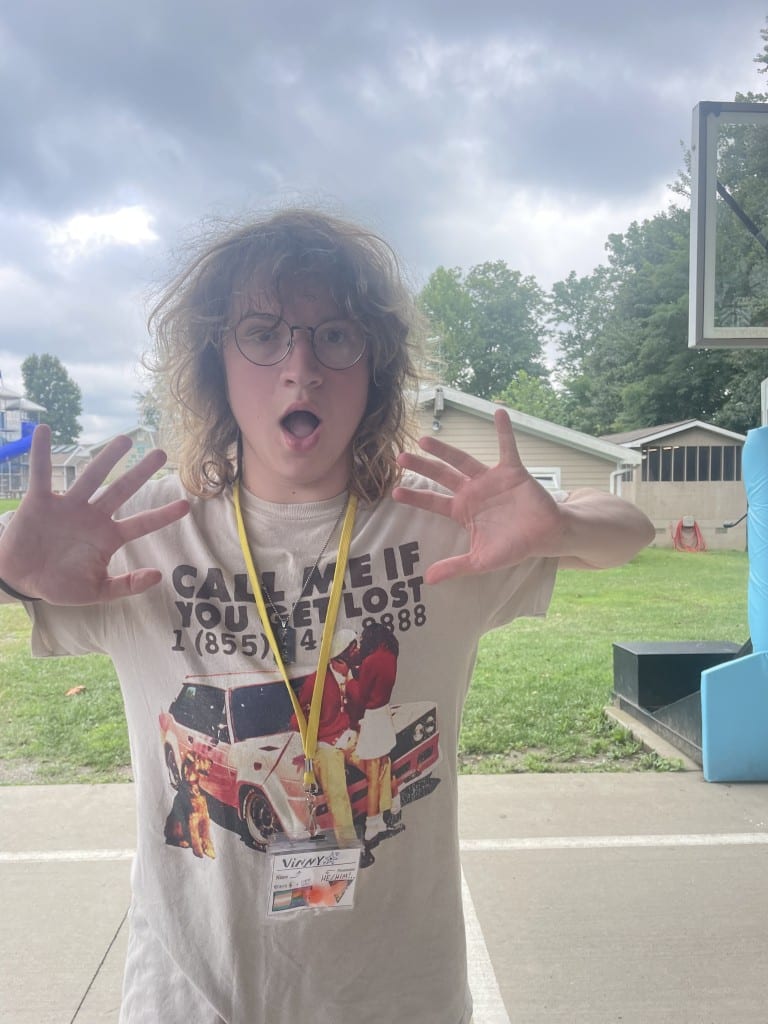
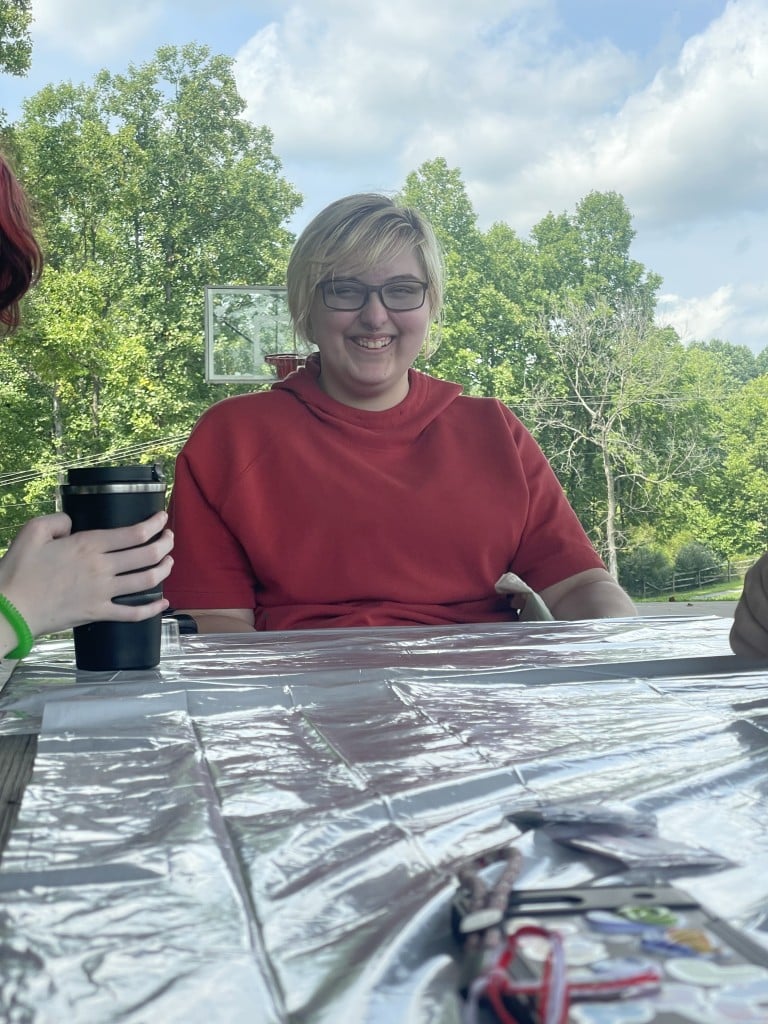
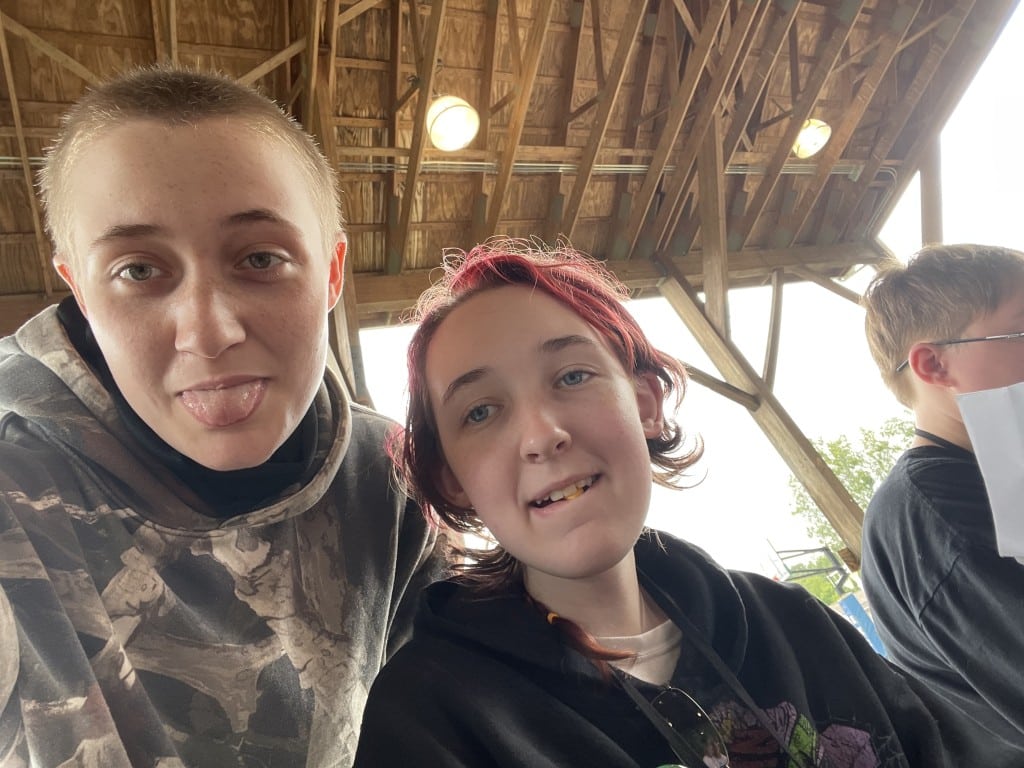
After camp is over, the community remains connected virtually, through social media comments and texts. “We come together and talk about how awful the world is,” Knight said, “but we also have this little patch of hope and happiness. That, in West Virginia, we can come to camp and be ourselves and free and happy for a whole week.”
Another camper stood at the precipice of the log bridge, about to make the jump on the zip line. Their feet reached the edge of the platform, and they began to soar through the trees, shrieking with exhilaration and terror. When they neared the end of the zip line, their eyes softened with relief. One of the campers was waiting to catch them.
If you appreciate BBG's work, please support us with a contribution of whatever you can afford.
Support our stories
Related Articles
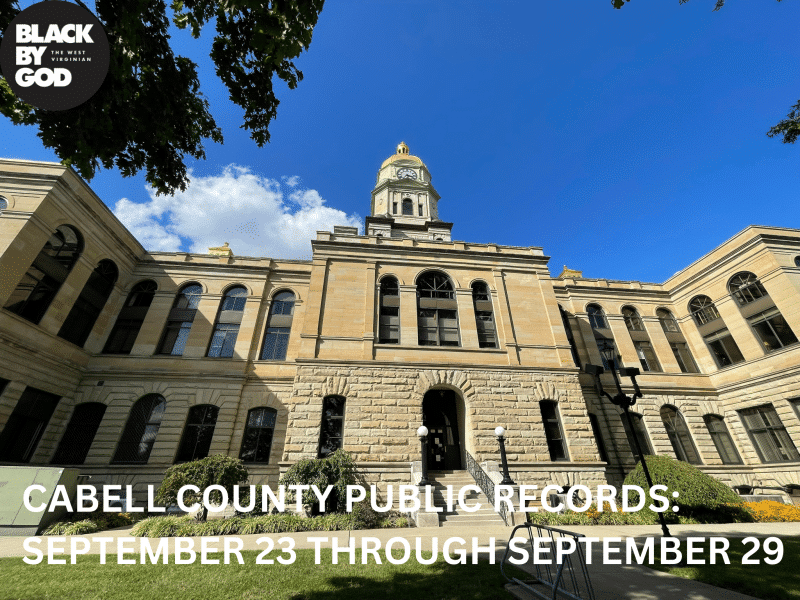
Cabell County Public Records: Sept. 23 through Sept. 29
Official Cabell County Land Transfers and Death Certificates, filed Sept. 23–29, 2026, including property deeds in Huntington, Barboursville, Milton, and Kyle Districts.
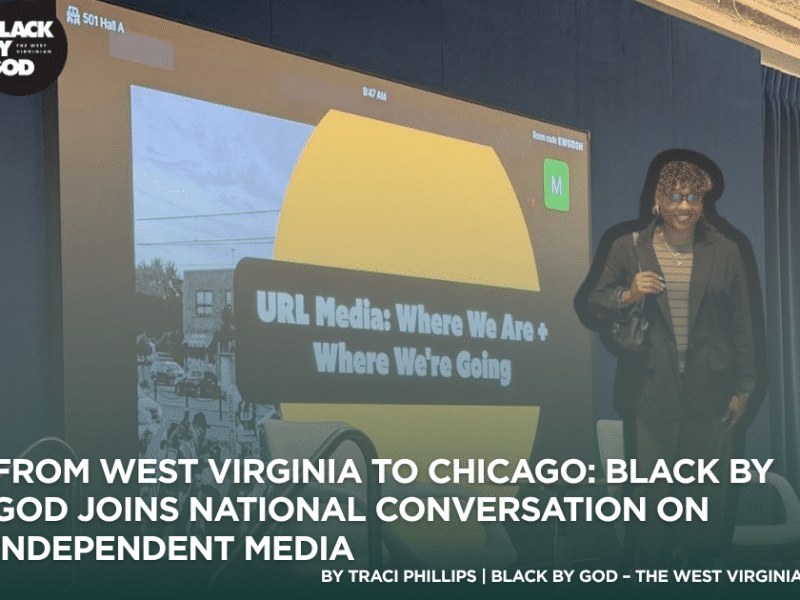
From West Virginia to Chicago: Black By God Joins National Conversation on Independent Media
Black By God joins independent newsrooms at the 2026 URL Media Convening in Chicago to elevate Black West Virginia stories in national media spaces.