WV Senate committee advances bill to reduce fees for small farms
Under SB 226, farmers could sell up to 30 tons of animal feed annually, without paying inspection fees or getting a Commercial Feed Distributor permit — as long as the feed is produced exclusively on-site.
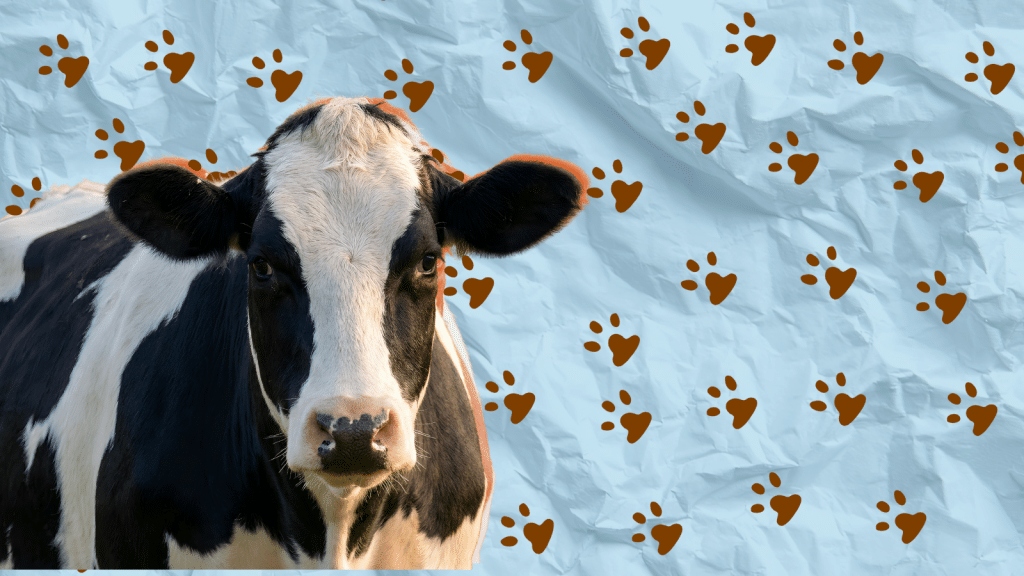
The West Virginia Senate Agriculture Committee has advanced a bill that would reduce fees and permitting requirements for certain small farms that make their own animal feed exclusively on-site. Right now, small farms that make their own animal feed and sell, exchange or barter with it must obtain a permit and pay a $30 registration fee annually. Their feed is also inspected by the West Virginia Department of Agriculture, and farmers pay an inspection fee of $0.35 per ton.
Senate Bill 226 would change state law so farmers that don’t sell or trade more than 30 tons of that feed annually don’t have to obtain a permit or pay inspection fees.
The original version of SB 226 would’ve exempted farms of any size that produced animal feed “exclusively on their own farms”— even large commercial operations — from inspection fees and permitting.
The Senate Agriculture Committee amended the bill to create limits on the amount of feed a farm can produce before it’s required to obtain a Commercial Feed Distributor permit. It also added language requiring that farms still register with the department’s commissioner, follow existing labeling requirements, and avoid manufacturing their feed with minerals, drugs, pellets or any other products not produced on their farm.
We’ll bring the best from BBG right to your inbox. You can easily unsubscribe at any time.
Sign Up for our Newsletters!
So far, public input on the bill has been limited, largely because there has been little media coverage of SB 226. Major agricultural lobbying groups have not publicly taken a position on the bill. However, discussions at the Capitol suggest many West Virginia farmers support clearer, simpler rules that reduce paperwork and costs they see as unnecessary.
Lawmakers said the bill is similar to legislation passed in 2025, but includes new language meant to clear up confusion. The goal is to better define the rules for farms that make feed only for themselves and for those that sell small amounts to nearby farms.
According to testimony in committee, many farmers who make their own feed are not currently registered because they’re unsure whether the law applies to them. This confusion is especially common among small and mid-sized farms that share or sell leftover feed to neighbors.
Lawmakers stressed that commercial feed production would still be regulated if SB 226 passes, but clearer rules are needed so farmers don’t accidentally break the law.
“They are still subject to inspection, and it does not make inspection less likely,” said Sen. Craig Hart, R-Mingo, in an email response. “It allows farmers to mix and/or grind grain they grew on their own farms and sell it directly to the consumer. It is designed to help small farms and community agriculture.”
West Virginia is home to more than 22,000 farms, and roughly 98 percent of those are small farms, according to the most recent data from the National Agricultural Statistics Service. Only 37 of West Virginia’s farms are Black-owned.
Now that SB 226 has passed the Senate Agriculture Committee, it will next be reviewed by the Senate Finance Committee, before it can be considered by the full Senate.
If you appreciate BBG's work, please support us with a contribution of whatever you can afford.
Support our stories
Author

Related Articles
The Lowdown with Brown: School Pride and Family Ties Shape BBG Sports Picks of the Week
The Lowdown with Brown celebrates standout players and the community connections behind the numbers
Varian Cunningham: Carrying WVSU’s Homecoming Traditions Into the Next Generation
More than just a single football game, Homecoming is the sound of the step show, the energy of the tailgate, and the familiar faces returning to Institute year-after-year.
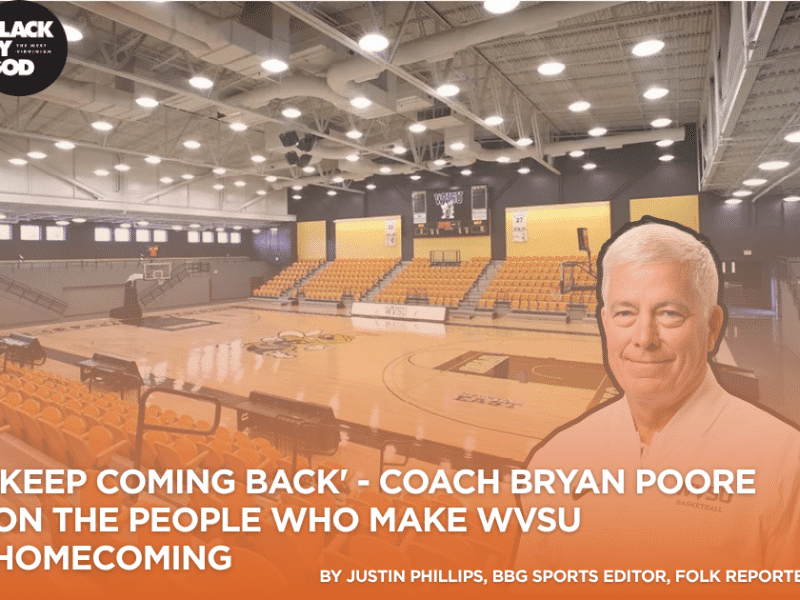
‘Keep Coming Back’ – Coach Bryan Poore on the People Who Make WVSU Homecoming
The longtime West Virginia State University basketball coach reflects on early-arriving motor homes, the step show, former players, Earl Lloyd and the relationships that keep Yellow Jackets coming home.