How Black Zack’s McDowell County Roots led him to Coal Roads and Content Creation
By Amanda Barber
DeJuan Young – better known to thousands of viewers as “Black Zack” – does not just tell stories online about West Virginia. As a McDowell County native and former coal hauler, he has lived those stories, mile after mile, curve after curve, driving through the same hills that shaped him.
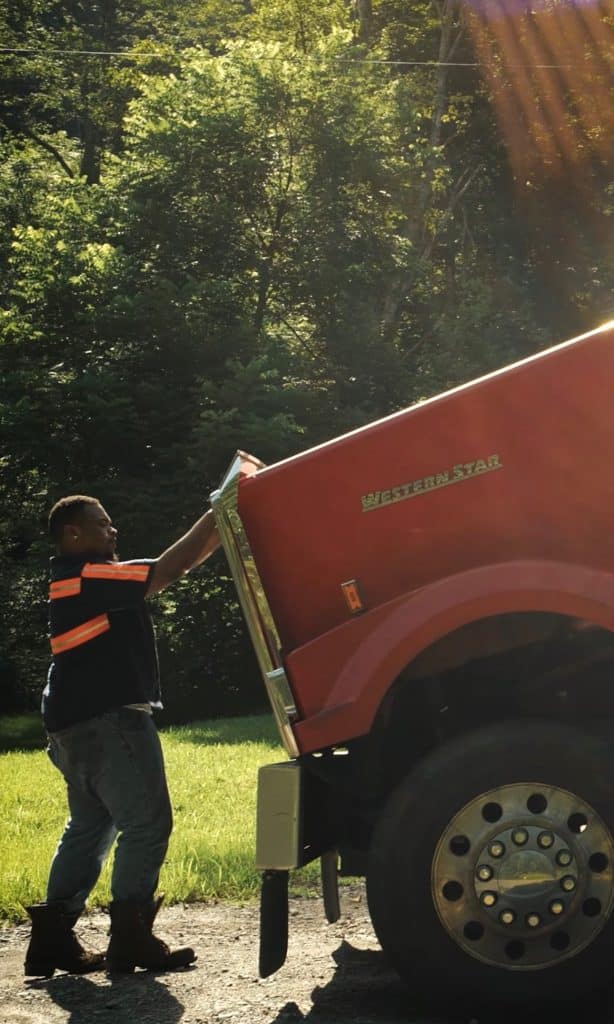
Whether he is behind the wheel of a truck or speaking directly to his audience online, Black Zack’s voice carries the grit, humor, and pride of southern West Virginia.
Growing Up Between Gary and Princeton
We’ll bring the best from BBG right to your inbox. You can easily unsubscribe at any time.
Sign Up for our Newsletters!
Black Zack’s story begins in Gary, West Virginia. Life shifted a bit when Gary Elementary School closed around 2004–2005. At the time, his mother worked in Welch and decided to relocate the family to Princeton in neighboring Mercer County, rather than enroll him in another local school.
Those years in Princeton – fifth through eighth grade – were formative, even if a bit turbulent. By Black Zack’s own admission, he was “being a lil’ bad kid,” spending time in an alternative school during seventh and eighth grade.
Eventually, he returned to McDowell County to live with his grandmother, Doris Young, in Wilcoe. The move gave him a reset. He enrolled at Mount View High School and focused on getting back on track.
But life, as it often does, pulled him in different directions. A high school relationship brought him back to Princeton, where he completed his education through a unique path – participating in a vocational program at the Mercer County Technical Education Center. There, he earned both his diploma from Princeton High School and a certification in automotive technology.
From Cars to Coal
Black Zack’s early career revolved around automotive work. He spent time helping at his father’s garage, managing a detailing shop, working at Advance Auto Parts, and even building drag racing cars in Catlettsburg, Kentucky. At one point, he owned a 1991 Chevy Caprice he hoped to transform into something special. Cars weren’t just a job – they were a passion.
But life circumstances shifted Black Zack’s priorities. After the birth of his son, reality set in. Automotive work was not providing the stability he needed. So he made a decision that would define the next chapter of his life.
Selling a car engine he had planned to use for a drag build, he used the $500 to enroll in a mining license class. That single move opened the door to the industrial world, a field deeply rooted in his family history. His grandfather had worked as a foreman for U.S. Steel, and growing up in McDowell County, coal was always part of the landscape.
“I am from Gary, and I’ve always had a love for coal trucks too,” he recalls thinking to himself.
After obtaining his mining certification, Black Zack got his start hauling coal off-road with the help of a local contact who gave him a chance behind the wheel. From there, he worked his way up, earning his Class B commercial driver’s license (CDL). He spent some time outside West Virginia working other trucking jobs before returning to get his Class A CDL, which qualified him to operate a commercial vehicle with a trailer attached.
Life on those Coal Roads
Operating in the rugged terrain of southern West Virginia is no small feat. While most interstate trucks are capped at a gross weight of 80,000 pounds, coal trucks on the region’s narrow two-lane roads can reach up to 126,000 pounds. That extra weight demands skill, speed, and constant awareness.
“You’ve got to be a man when you’re hauling that,” Black Zack says. “You’ve got to know how to grab gears, and you’ve got to grab ‘em extremely fast because stuff gets steeper pretty quick.”
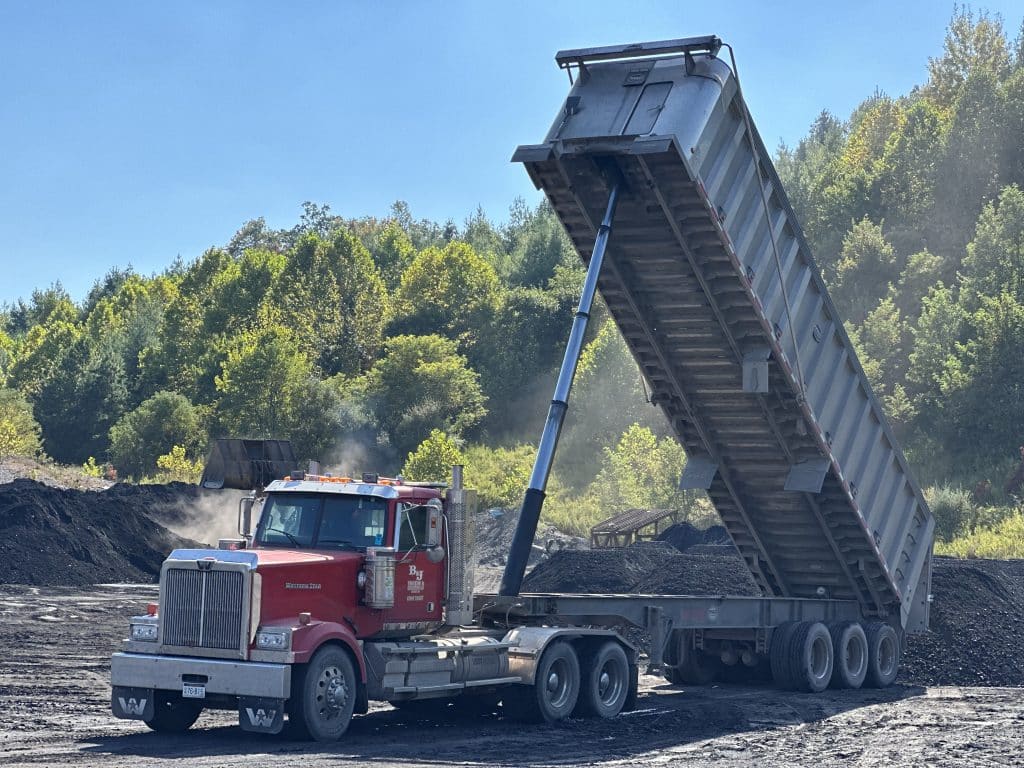
His routes took him across McDowell, Mercer, Raleigh, and Wyoming counties, weaving through places like Lashmeet, Bud, Herndon, Mullens, Tams, Itmann, Bishop, Maben, Berwind, and Sophia. These weren’t just job destinations – they became familiar ground, part of a rhythm he grew to love.
But like many in the industry, Black Zack started to face instability. By late October, declining wages forced him to step away from coal hauling – a decision he describes as heartbreaking.
“I miss the coal industry something awful,” he admits.
Finding His Niche Online
What started as a simple experiment turned into something much larger. After buying a GoPro as “just something to fiddle with,” Black Zack mounted it and recorded himself on the road. He uploaded the footage online with no set expectations, just a love for what he did and the vision to share it with others.
“I was like, ‘Well, hell, I’m gonna haul a whole lotta coal with it and see what happens,’” Black Zack reflects. “So I put it up on YouTube, and I didn’t do no editing or nothing. I just put it up, and it had 40,000 something views in a heartbeat.”
Encouraged, Black Zack kept posting. Over time, he taught himself editing, built a viewership, and carved out a niche documenting West Virginia’s coal industry and life on the road.
“I was like, ‘Well, I’ll give it a go and see what the next one will do, and I’ll see what the next one will do,’ and I just kept hauling coal,” he says.
His subscriber count grew steadily, and eventually, he met YouTube’s monetization requirements. While the income was small – around $100 a month – it was proof that people were watching, learning, and connecting with his story.
The Content: Road Wisdom & Real Personality
Black Zack uses the handle @blackzackofficial on both YouTube, where he has nearly 6,000 subscribers, and TikTok, where he has more than 3,900 followers.

On YouTube, Black Zack focuses on long-form trucking content and livestreams. Viewers often tune in for practical advice: how to get a CDL, what to expect on the road for the first time, and basic truck stop etiquette. He emphasizes respect and awareness in the trucking community, offering simple but important guidance, like not lingering at fuel pumps while other drivers are waiting.
“As soon as you hang that handle up, you immediately get in your ride and pull it up so everybody else behind you can start doing their business,” he explains.
Black Zack’s approach on TikTok is more relaxed and personality-driven. Short clips, music-backed montages, and a healthy dose of humor define his presence there.
“Being myself and lookin’ good,” he says with a laugh.

Black Zack’s accent, often pointed out by viewers, has become part of his charm.
“Everybody swears up and down they hear banjo strings strumming when I talk, and I didn’t think I was country like that, but I ain’t mad about it,” he jokes, embracing his roots rather than shying away from them.
Representing McDowell County
When asked what he enjoys about creating West Virginia-related content, Black Zack says it’s the easiest answer he can give. At the heart of everything Black Zack does is a deep love for McDowell County. Born in Welch Community Hospital, he calls the region his true stomping grounds, and he is determined to change how people see it.
At one point, McDowell County miners produced the most coal in the nation, and Welch was known as the “Heart of the Nation’s Coal Bin.”
“McDowell County was it,” Black Zack says. “We was the business, like we was putting the industrial industry on the map before I was born. This was really it, man, and there is so much heritage and roots here.”
Through Black Zack’s own videos, as well as through collaborations with creators like Mining #Shorts and Creepalachia, he has helped shine a spotlight on the area. His recent documentary project with Mining #Shorts, “Hauling Coal in West Virginia — The Messy Life of Black Zack,” surpassed hundreds of thousands of views, far exceeding his expectations.
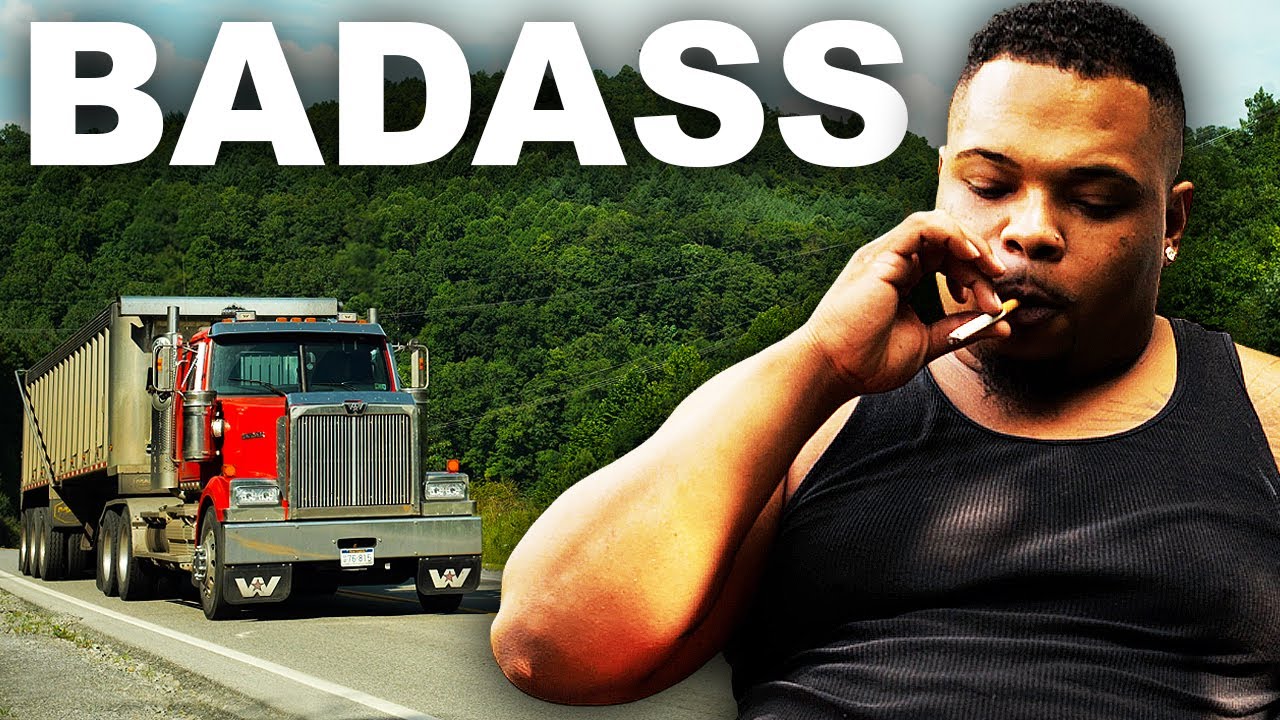
While working on the documentary, he told the director, “I want this to be big … I want to put McDowell County on the map, because it feels like everyone’s forgotten about us.”
At first, the director was not sure how the documentary would perform. Black Zack said they almost didn’t film the documentary at all, but in the end, they decided to go for it and give it their best shot. That decision paid off – the video has racked up about 895,000 views and even inspired musical artist 10MM (10 Millimeter) to write a song about it called “Coal Runner.”
“If it don’t hit a million views before this year’s over, I’ll be surprised,” Black Zack says about the documentary.
More than anything, Black Zack wants people to understand that the region is not forgotten, not by those who call it home.
“I just want to remind people of what’s still here, like it’s still people with good morals, good hearts down here, you know what I mean? This is still the place to be,” he says.
Looking Ahead
Today, Black Zack is stepping into a new phase of his career, moving into tanker and hazmat hauling. It’s a different challenge – one that requires precision and control, especially when dealing with liquid loads that shift and move.
“You’ve got to be ‘Johnny Too Smooth,’” he says.
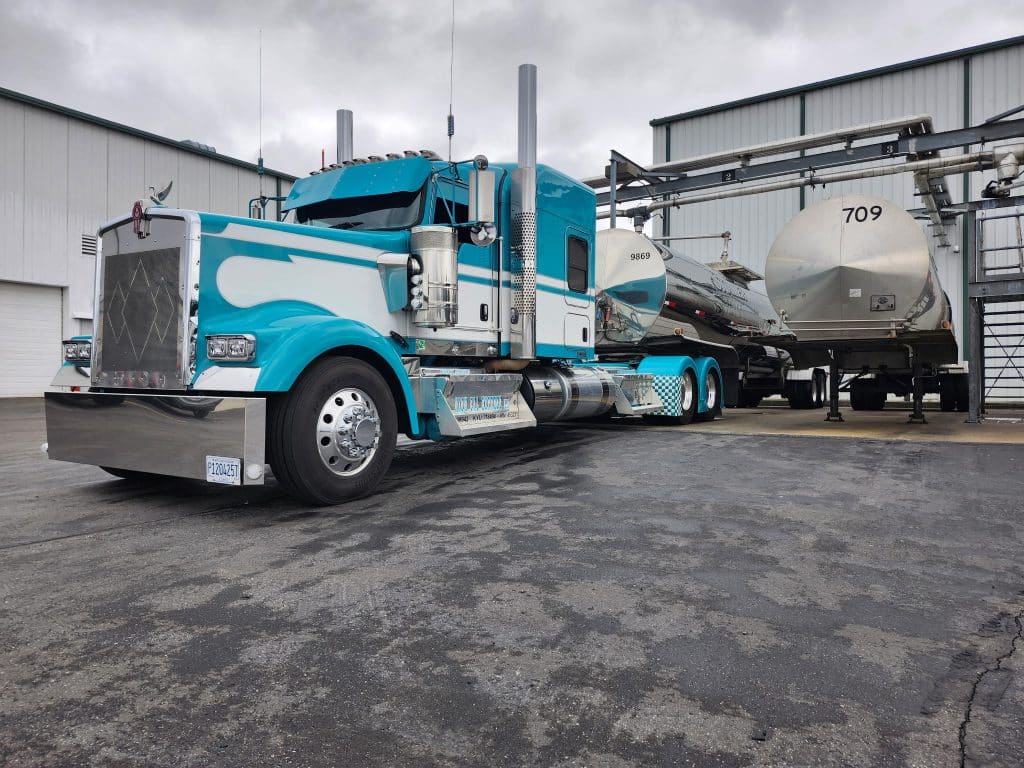
Even as he adapts to new opportunities, one thing remains clear: coal hauling and the roads of southern West Virginia will always be part of who he is. And whether he’s behind the wheel or behind the camera, Black Zack is not just telling his story. He is telling the story of a place, a people, and a way of life that refuses to be forgotten.
If you appreciate BBG's work, please support us with a contribution of whatever you can afford.
Support our stories
Related Articles
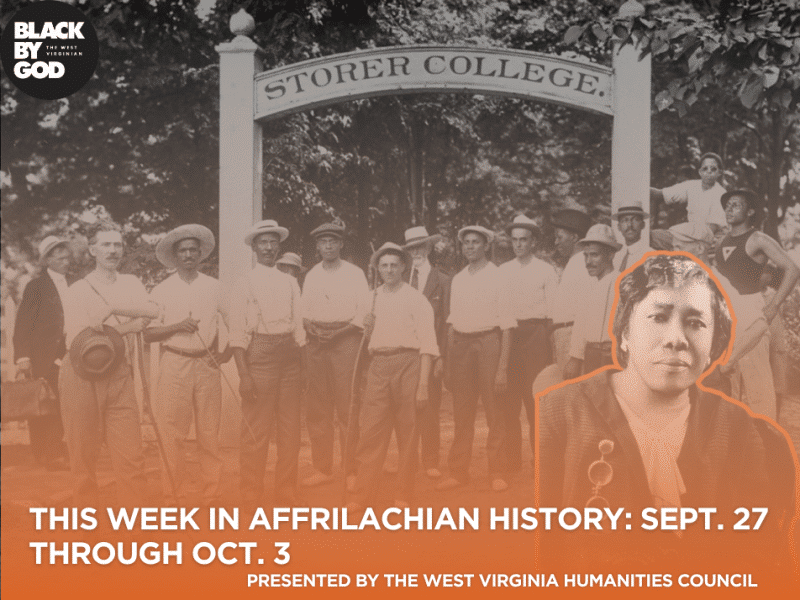
This week in Affrilachian history: Sept. 27 through Oct. 3
Discover key milestones in Affrilachian history: educator Fannie Cobb Carter’s birth and the founding of integrated Storer College in Harpers Ferry.
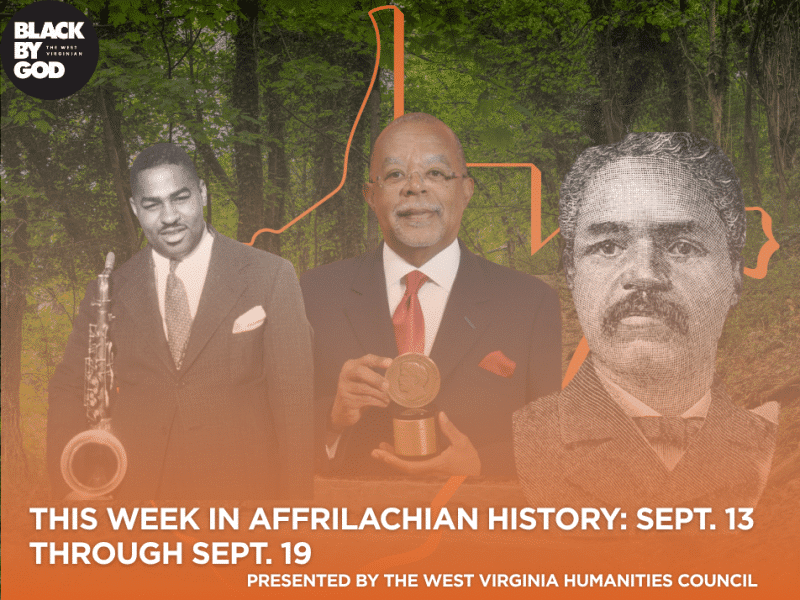
This week in Affrilachian history: Sept. 13 through Sept. 19
Discover key mid-September milestones in Affrilachian history: pioneer lawyer J. R. Clifford, jazz legend Chu Berry, and scholar Henry Louis Gates Jr.
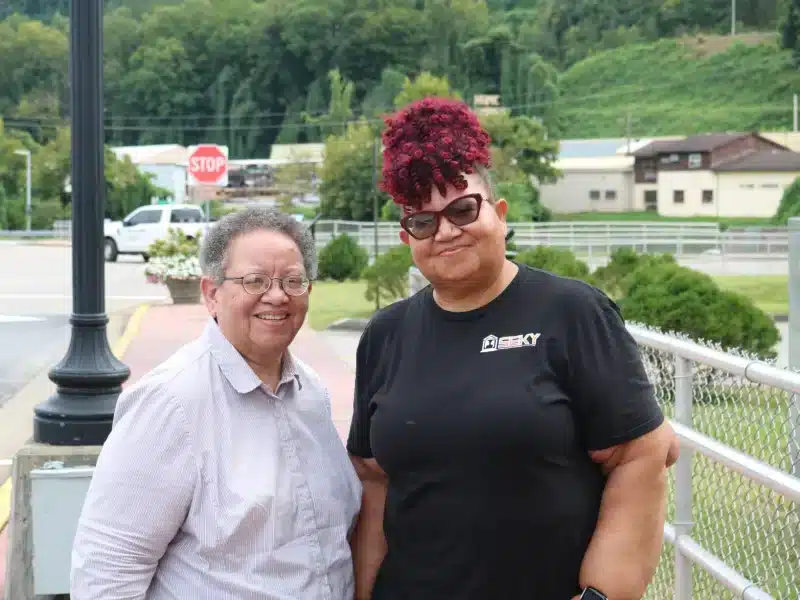
Eastern KY artists celebrate America’s 250, Black history with ‘pursuit of liberty’ quilt
The Southeast Kentucky African American Museum unveils its ‘Pursuit of Liberty’ community quilt project in Hazard, honoring Black history and Appalachian roots.