The Third Reconstruction and the Integration Generation: Why We Must Move Fast

Crystal Good delivered this keynote address at the 16th Annual Ahern Awards and eighth Hall of Legacy Inductions ceremony on November 15 in Johnson City, Tennessee.
We are living in America’s Third Reconstruction. And we’re running out of time.
Historians typically speak of two Reconstructions in American history—two attempts to build Black sovereignty in this nation. But if we’re paying attention, we can see a third one unfolding right now. The question is whether we’ll move fast enough to make it last.
Scholar Peniel Joseph notes in NPQ’s series “Toward a Third Reconstruction,” co-produced with Dēmos,marks the emergence of this Third Reconstruction through key moments: Barack Obama’s 2008 election, Black Lives Matter’s rise in 2013, and the 2020 racial reckoning following George Floyd’s murder. For a time, it seemed a new era of racial justice might take hold, with millions hitting the streets to demand institutions that could unleash the potential of multiracial democracy. But Joseph warns that the backlash has already begun—from the January 6th assault on the Capitol to attacks on DEI, critical race theory, and the 1619 Project. The question now is whether we can build fast enough to make this Reconstruction last.
The First Reconstruction followed the Civil War and lasted about 12 years before it was crushed by violence and political betrayal. During that brief window, Black Americans elected senators, founded HBCUs, created public education systems in Southern states, and secured the 13th, 14th, and 15th Amendments. We bought land, built businesses, accumulated wealth. Right here in Central Appalachia, Black communities established themselves throughout West Virginia and East Tennessee, building lives and futures in these mountains.
The Second Reconstruction came through the civil rights movement, lasting only 14 years from Brown v. Board of Education in 1954 to Dr. King’s assassination in 1968. We gave America landmark legislation—the Civil Rights Act, the Voting Rights Act. We integrated schools, lunch counters, buses, workplaces. In these mountains, Black miners organized for fair wages and safe conditions. Activists like Memphis Tennessee Garrison—whose formerly enslaved parents gave her a name that should be celebrated across this region—spent nearly a century building Black power in Appalachia as a teacher, NAACP vice president, and community mediator.
But here’s the paradox of integration: while it gave us access, it cost us our own economic institutions.
We are the Integration Generation—the first generation fully integrated into American society. Yet in many ways, we find ourselves more isolated than before, separated from each other rather than by explicit law. We gained seats at tables we didn’t build while the institutions we created began to crumble.
Think about what we lost. Before integration, Black dollars circulated within Black communities seven times before leaving. We had our own banks, insurance companies, hotels, restaurants, theaters. We had thriving business districts on streets with names like “Black Wall Street” and “Sweet Auburn.” We had our own newspapers in every major city, our own professional networks, our own economic ecosystem.
Integration promised us a place in the American dream. And it delivered—partially. We got access to better schools, better jobs, better neighborhoods. But we paid a price few anticipated. As we moved into white institutions, our own institutions withered. As we shopped at white-owned stores, our businesses closed. As mainstream media slowly, grudgingly began to cover our communities, our newspapers lost subscribers and advertisers.
We became consumers in an economy we don’t control, employees in companies we don’t own, voices in media outlets that don’t prioritize our stories. The Integration Generation gained individual opportunity but lost collective power.
This is the contradiction we must reckon with in this Third Reconstruction. We cannot go backward—nor should we want to. Integration was right and necessary. But we must go forward differently, rebuilding what we lost while maintaining what we gained.
This is Sankofa work—the Akan principle of reaching back to fetch what we need to move forward. We must retrieve the wisdom of collective economic power, community-controlled institutions, and self-determined narratives that sustained our ancestors through the first two Reconstructions. But we cannot do this work in isolation. The urgency of this moment demands we build community now, not as an aspiration but as immediate survival strategy.
History’s lesson is clear: Reconstruction doesn’t last long. The First lasted 12 years. The Second lasted 14. We may have only years to build what we need. The work must happen now.
This Third Reconstruction requires deliberate institutional building, and it requires us to build together. For 120 years, the Black press served as the backbone of the First and Second Reconstructions. When mainstream media ignored our achievements, erased our humanity, and refused to cover lynchings or celebrate our victories, the Black press told the truth. It was our voice when we had no other. But it was also our connective tissue—the thing that bound scattered communities into a coherent movement.
The difference now? Technology offers us tools previous generations couldn’t imagine. But it also brings new challenges. Amid a news desert crisis and book bans, the Black press matters more than ever. The partnership announced earlier this year between the National Baptist Convention and the National Newspaper Publishers Association signals the kind of institutional alliance this moment demands. We know what it means to lose a church or a Black newspaper. With them go the stories, networks, and institutions that carry us through generations of struggle and survival.
Building community is not a long-term goal—it’s an urgent necessity. Every subscription to a Black newspaper, every advertisement placed in Black media, every story shared is an act of resistance against erasure. It builds infrastructure for liberation. It recirculates our dollars within our community. It creates jobs we control, platforms we own, narratives we shape. Most importantly, it reconnects us to each other.
The work happening across Black media today mirrors what our people did in the First Reconstruction and what civil rights leaders did in the Second: building institutions, telling our stories, creating infrastructure for true freedom.
The Third Reconstruction is ours to build. But we must move fast. And we must build with the wisdom the Integration Generation has earned: access matters, but so does ownership. Inclusion matters, but so does independence. Integration was necessary, but institutional power is essential. And none of it means anything if we don’t build it together, in community, right now.
If you appreciate BBG's work, please support us with a contribution of whatever you can afford.
Support our stories
Author

Related Articles
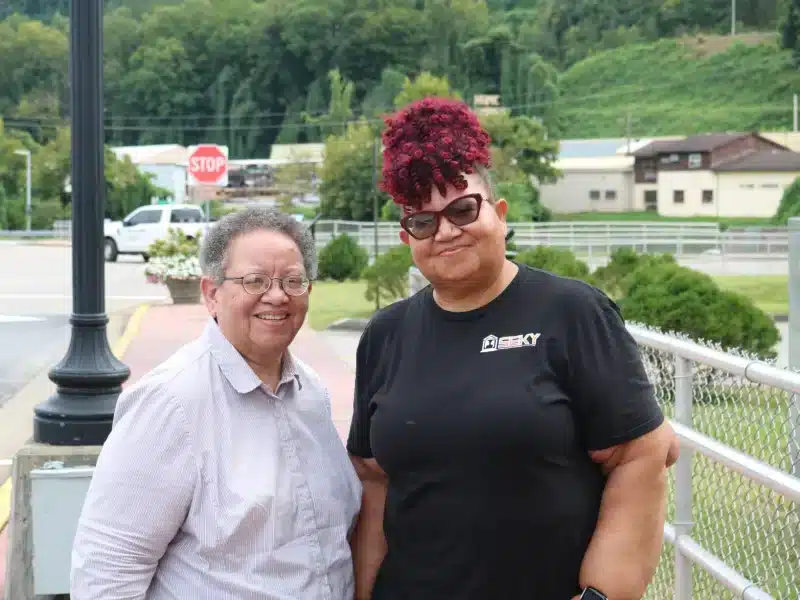
Eastern KY artists celebrate America’s 250, Black history with ‘pursuit of liberty’ quilt
The Southeast Kentucky African American Museum unveils its ‘Pursuit of Liberty’ community quilt project in Hazard, honoring Black history and Appalachian roots.
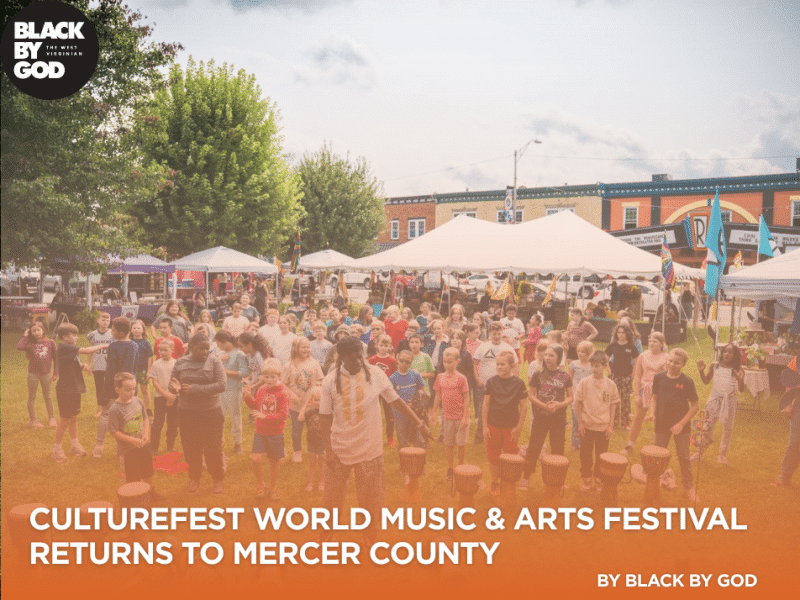
Culturefest World Music & Arts Festival returns to Mercer County
Culturefest returns to Princeton, WV Sept. 8–13 featuring global artists, school workshops, and 4 days of free live music, art, and food in the Grassroots District.
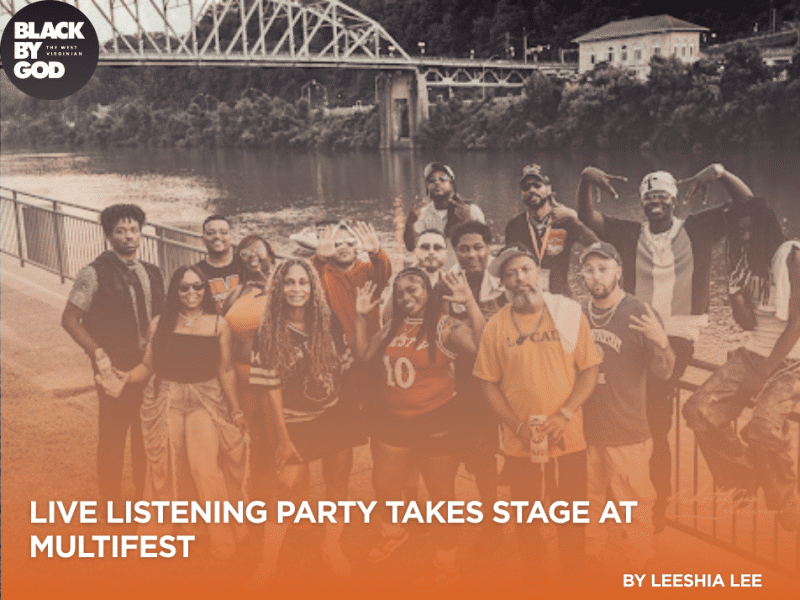
Live Listening Party takes stage at Multifest
Mountain State hip-hop artists took center stage at Charleston’s 36th annual Multifest, bringing unity, local pride, and raw talent to Haddad Riverfront Park.