Scott Colom and Blanche K. Bruce’s surprising ties to Appalachia
West Virginia is a part of the story
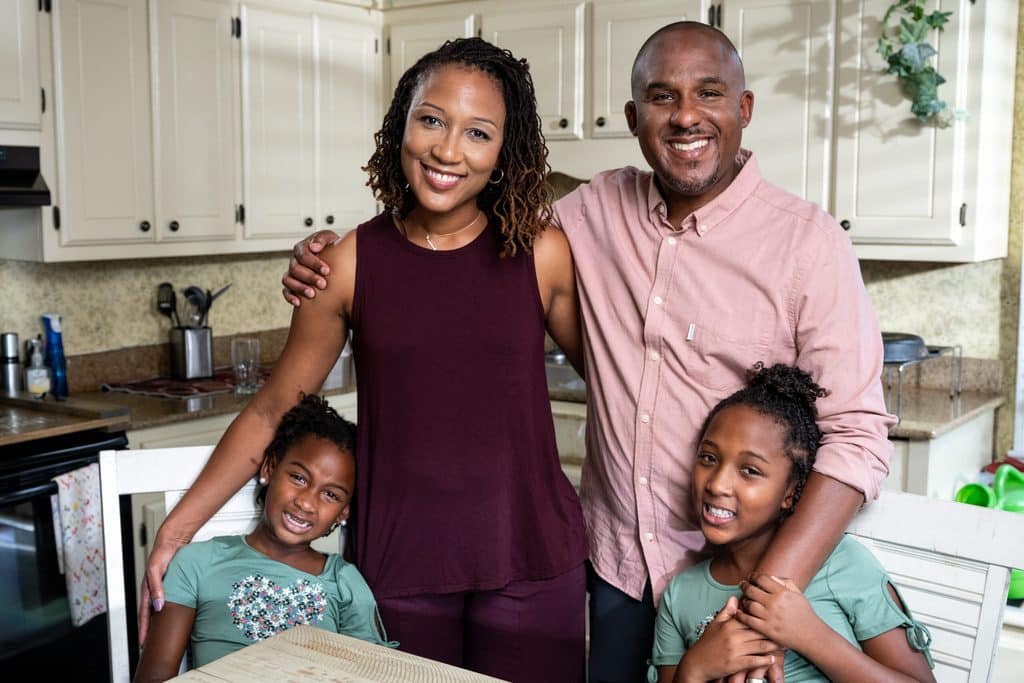
Throughout his campaign, United States Senator-elect Scott Colom proclaimed his pride in being a seventh-generation Mississippian. Those seven generations are on his paternal side. Colom and his father, lawyer Wilbur O. Colom, were both born in Lowndes County, Mississippi to a lineage that spans to Tippah County, Mississippi. His wife Nadia Colom is from Clay County, Mississippi. Clay, Lowndes and Tippah counties are three of the state’s 24 counties (out of a total of 82) that are designated Appalachia by the Appalachia Regional Commission (ARC).
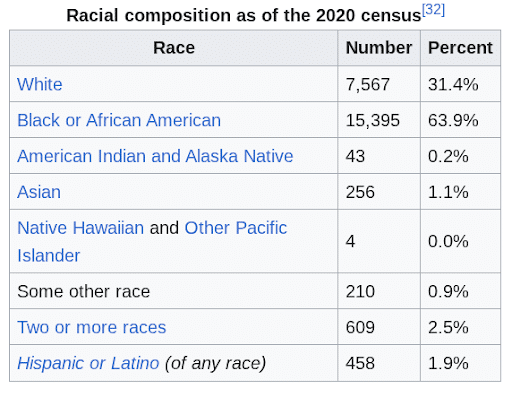
Columbus, Colom’s hometown, is a predominantly Black or African American city, and county seat of Lowndes County. The mayor is Stephen Jones, who is Black and Democrat.
For those not in the know, Appalachia comprises 423 counties across 13 states, and West Virginia is the only state that is entirely in the region. The focus on Appalachia is generally limited to Central and parts of Southern Appalachia that are more commonly associated with the coal mines. In short, when we think of Appalachia, we rarely think of Mississippi.
Scott Colom will be representing a portion of the Appalachia region of Mississippi. So he is not only solidly Mississippian, he is solidly Appalachian married to an Appalachian woman.
We’ll bring the best from BBG right to your inbox. You can easily unsubscribe at any time.
Sign Up for our Newsletters!
[One of Colom’s heroes from Mississippi is the late, great Fannie Lou (née Townsend) Hamer, who was also born in the region. Hamer was born in Montgomery County though she spent the better part of her life in Sunflower County.]
On January 3, 2027, Scott Colom will be sworn in as a senator from Mississippi and the third Black senator in the state’s history. The thru line between him and Blanche K. Bruce, the last Black senator from the state, is warped by time and white supremacy. Yet it is what bonds the two men who represent major shifts in social and political environments in both the country and in Mississippi.
It’s not the only bond. Appalachia is written in the shadows, serving as an interesting tie between them albeit an indirect connection. In order to tell this story, we have to consider Bruce’s personal life, beginning with his wife.
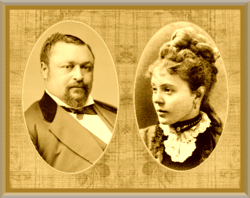
Retrieved from family tree
Blanche Kelso Bruce’s Appalachian story is less about him and more about his wife, and his son, Roscoe Conkling Bruce.
In 1878, three years into his term as senator, Bruce married a woman from Cleveland, Ohio. Josephine Beall Willson was the first Black teacher hired by the city’s school system. Born into one of the wealthiest and most influential Black families in the city, she was presented as the perfect wife for the senator. A little over a year after their marriage, Roscoe Conkling Bruce was born.
After Bruce’s death in 1898, Josephine took a position as principal at Tuskegee Institute in Macon County, Alabama. Macon County is in the Appalachian region of Alabama. Until 1902, she trained educators. That’s also the same year her son Roscoe graduated from Harvard, and joined the Institute as an administrator and teacher. Booker T. Washington hired him to transition the Institute from an academic institution to an industrial-focused school. In 1906, he left Tuskegee with Washington’s assistance, and took an administrative position with the Washington, DC school system.
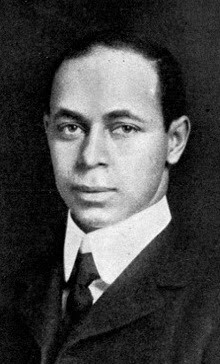
As noted by the University of Maryland in an abstract from 1992’s Roscoe Conkling Bruce and the District of Columbia’s Schools, 1906-1921, Bruce resigned from his position at the Tuskegee Institute in July of 1921, after nude photographs taken of Black students for an ethnological study created significant controversy. While the photographs were not taken by Bruce himself, they were taken by a man whom he had hired.
Herman M. Benevolent Moens, an obscure Dutch professor who had been introduced to the local, middle class Black community, had taken the photographs. The discovery of Moens deeds caused controversy and a lack of confidence in Roscoe’s abilities to lead, moving him to resign.
After leaving DC, Roscoe took a position organizing a Black school district in Kimball, West Virginia, taking his mother Josephine with him and his family. Four years after Josephine’s death in 1923, Roscoe left West Virginia and relocated to Harlem in New York in 1927, where he lived the rest of his life. He and Josephine are buried in a family plot in Woodlawn Cemetery in Washington, D.C.scott co
Scott Colom’s Appalachian story is one of flourishing in the culture, while Josephine and Roscoe Bruce’s story is of seeking refuge in Appalachia, then moving on.
The connection is like night and day.
But then again, so are the politicians Colom and Bruce.
If you appreciate BBG's work, please support us with a contribution of whatever you can afford.
Support our stories
Related Articles

People Moving Mountains: Lenae Johnson, from the battlefields of Kuwait to a seat on the Jefferson County Commission
After two careers which includes more than 30 years in the military, Lenae Johnson unseats Republican incumbent in county election