Storer College: The Essential History of WV’s First HBCU
At the time of its opening in 1867, Storer was the only college open to Black students in West Virginia, and would remain that way for the next 24 years
By Barbara Rasmussen, as it appears in e-WV: The West Virginia Encyclopedia Online
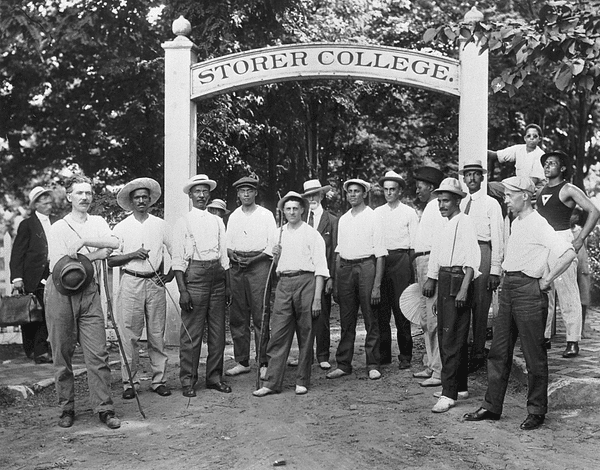
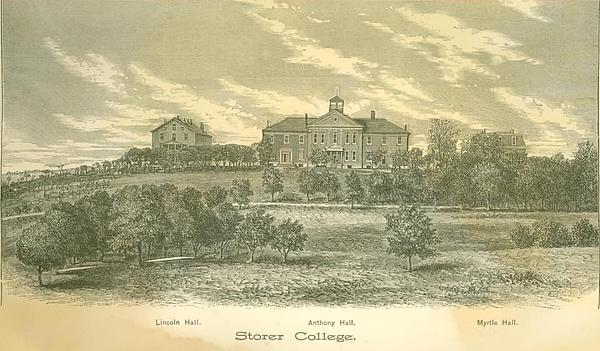
Storer College, a product of the Reconstruction Era following the Civil War, was established in 1867 in Harpers Ferry by the Freewill Baptist Church to educate freed slaves in the Shenandoah Valley. The college was supported by the U.S. Bureau of Refugees, Freedmen, and Abandoned Lands and endowed by John Storer of Sanford, Maine.
Storer College was integrated and coeducational from the start. Until the establishment of West Virginia State College in 1891, it was the only college open to African Americans in West Virginia. Frederick Douglass served on the board of trustees of Storer College and spoke on campus in 1881.
We’ll bring the best from BBG right to your inbox. You can easily unsubscribe at any time.
Sign Up for our Newsletters!
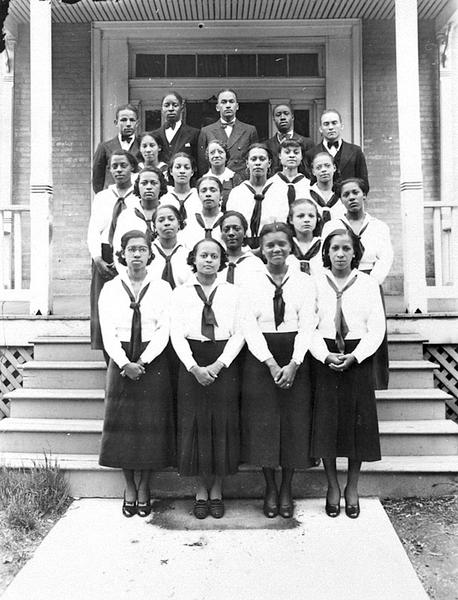
In all, more than 7,000 students from many states and countries attended the private college over the course of its history. Storer’s curriculum advanced with its students. At first, students of all ages learned the rudiments of religion, reading, and ciphering. Students later studied industrial training, domestic arts, religion, and education. Storer maintained rigorous academic standards. Its graduates helped to expand educational opportunities for Black children in West Virginia. Others went on to careers in medicine, law, the ministry, pharmacy, and other fields. Storer was accredited as a baccalaureate institution in 1946.
The Reverend Nathan Brackett served as president until 1897. Brackett, who continued as treasurer, died in 1910. Ernest Osgood served as president until 1899, when he was succeeded by Henry T. McDonald. Early civil rights activities took place at Storer College, including the 1906 meeting of the Niagara Movement, which brought W.E.B DuBois to the campus. The Niagara Movement was a predecessor to the National Association for the Advancement of Colored People.
In 1911, the Freewill Baptists merged into the American Baptist Convention. The governance of Storer gravitated to a private board of directors only nominally affiliated with the Baptist Church. In the 1920s, DuBois and the NAACP objected to plans for Storer College to cooperate with Confederate memorial organizations in memorializing the free Black bystander, Heyward Shepherd, who died in John Brown’s 1859 raid on Harpers Ferry. President McDonald, initially opposed to the Shepherd monument, took part in its dedication in 1931, as did the Storer College Singers. Presidents Brackett, Osgood, and McDonald were all white. Under their leadership, Storer did not hold a lasting place in the civil rights struggles of the 20th century. Increasing pressure to install a Black administration led to the forced retirement of McDonald in 1944. African Americans Richard I. McKinney and L. E. Terrell succeeded him.
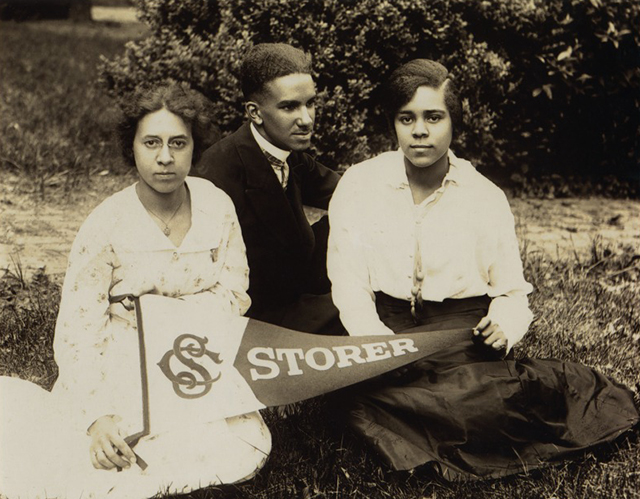
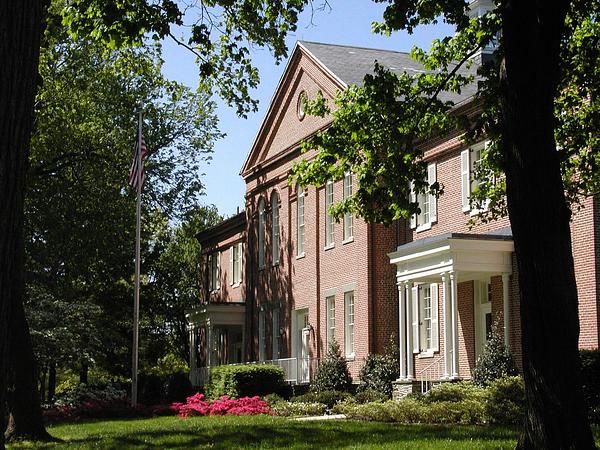
Storer College survived until 1955, when declining enrollment, financial stress, court-ordered desegregation, and racial anxieties combined to close it. Several attempts to reopen Storer failed. Alderson-Broaddus College in Philippi acquired its endowment. Storer’s library and records were shared between Shepherd College and Virginia Union University in Richmond. The school’s archives are housed at West Virginia University and with the National Park Service in Harpers Ferry, which owns the buildings. Storer College was added to the National Register of Historic Places in 2001.
Read the National Register nomination.
ABOUT THE AUTHOR: Barbara Rasmussen earned an M.S. and Ph.D. from WVU. Formerly a journalist, she is retired from the history department at West Virginia University. She is a former president of the Morgantown Historic Landmarks Commission, and now consults on historic preservation projects. She is the author of several articles and two books.
e-WV: The West Virginia Encyclopedia Online is a project of the West Virginia Humanities Council.
If you appreciate BBG's work, please support us with a contribution of whatever you can afford.
Support our stories
Related Articles
Jefferson County Public Records: Nov. 1 through Nov. 15
Thirteen marriage licenses reported, as well as seven deaths
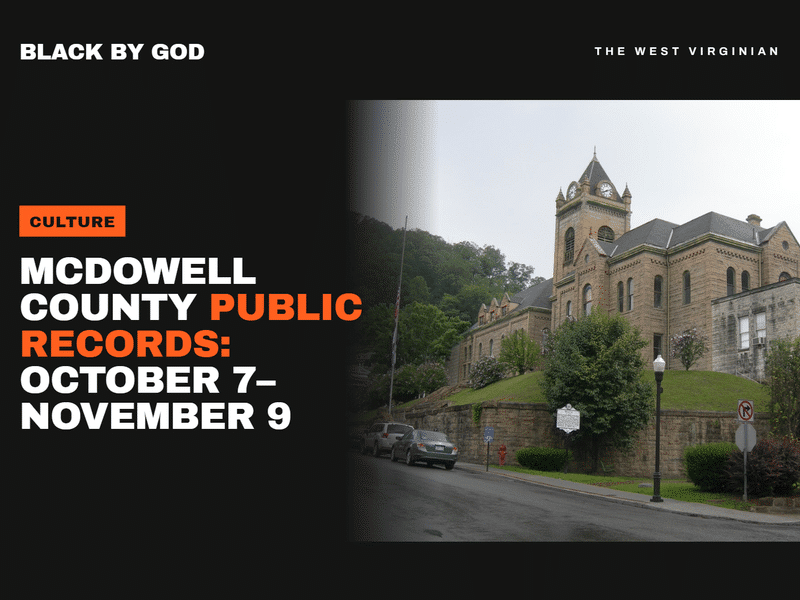
McDowell County Public Records: October 7 through November 9
Official McDowell County public records filed Oct. 7 – Nov. 9, 2026, including municipal land transfers, marriage licenses, death certificates, and coal heritage metrics.