
Mollett family fights to keep Edwight mine land cemetery alive

Rakes and flowers in their hands, memories of loved ones on their minds, Doretha Mollett’s family never made it past the company gate.
For the second time in four years, Mollett’s family could not reach the small cemetery where several of their family members who lived on the former coal mine land were buried. Tucked away in the underbrush and nestled on a small uphill slope, the gravesite looks similar to many Black cemeteries found on coal mine land throughout Appalachia.
The Mollett family has visited the cemetery every Memorial Day weekend for decades.
A representative of Sundial Mining Company later told Mollett they were unaware the family was coming that day. No one was at the gate to lead them onto the property, and Mollett was unable to reach their contact with the company. However, Sundial required extensive documentation from the family, which included background checks and recording all the makes, models, and license plate numbers of their cars.
Inexplicably, the same event occurred four years earlier, when the family was left hanging at the gate again. In 2022 and 2023 they returned and gained access to the site, no issue.
But Mollett was devastated again in 2024. The work in advance to their family reunion was wasted once more.
Now living in East Orange, New Jersey, Mollett, 72, makes the annual 10-hour drive to Southern West Virginia. She has multiple sclerosis, which makes travel difficult – not to mention day-to-day pain.
Mollett and her brother Cleo prepare months in advance for their annual Memorial Day weekend. Calls are made back and forth to family members in multiple states. Hotels, flights and rental cars are booked. Emails, calls, and Facebook posts go back and forth right up until the weekend.
What’s occurred over the last few years was not the case for the decades prior.
“Truthfully we haven’t had any problems until recently, gaining access,” said Mollett. “Our family has been decorating at that cemetery since about 1935.”
Mollett said her heart ached for her family who had traveled all this way. She also thought of the loved ones who’d been laid to rest and wouldn’t be getting a visit from family this year – again.
“I was in tears both times it happened,” Mollett said.
Mollett said 2021 was also “the biggest gathering of family members” in her lifetime. They came from New Jersey, Delaware, Maryland, Florida, South Carolina, and North Carolina to decorate the Edwight gravesite that Memorial Day weekend. This included many family members Mollett does not see regularly and often can’t make the annual trip.
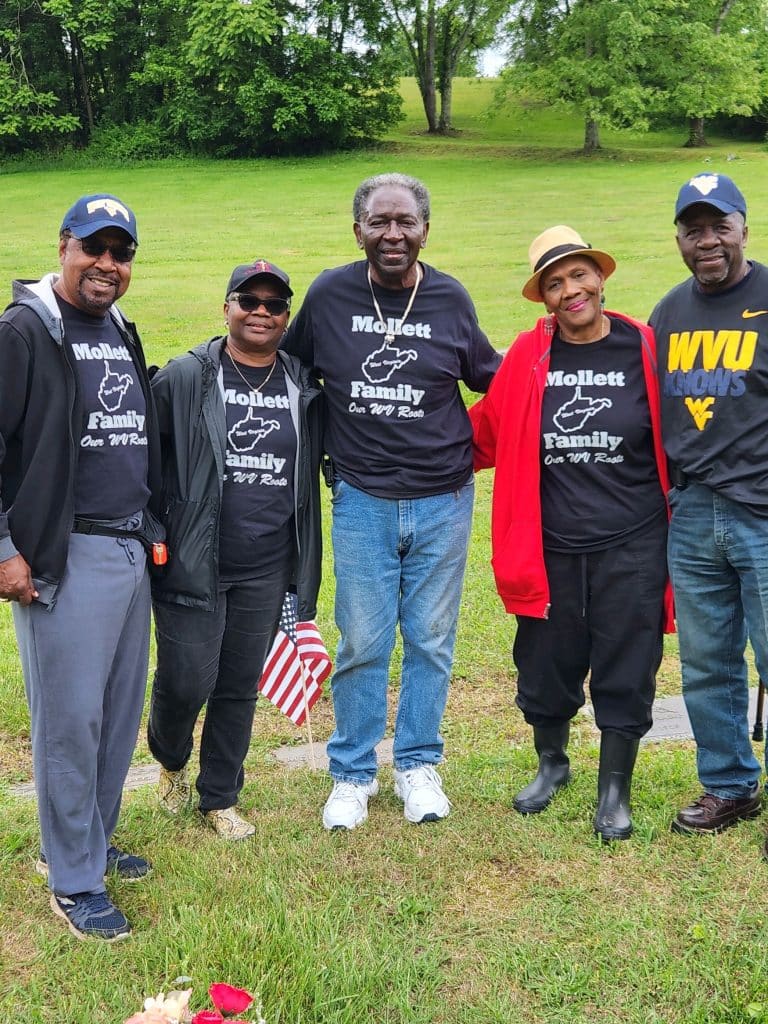
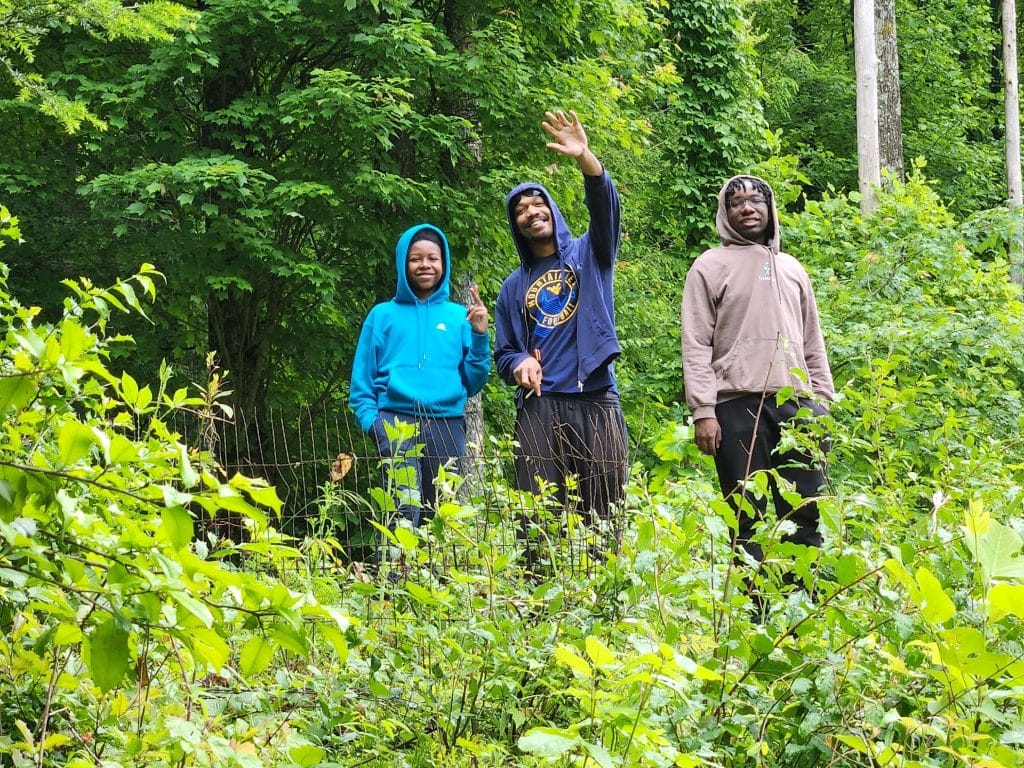
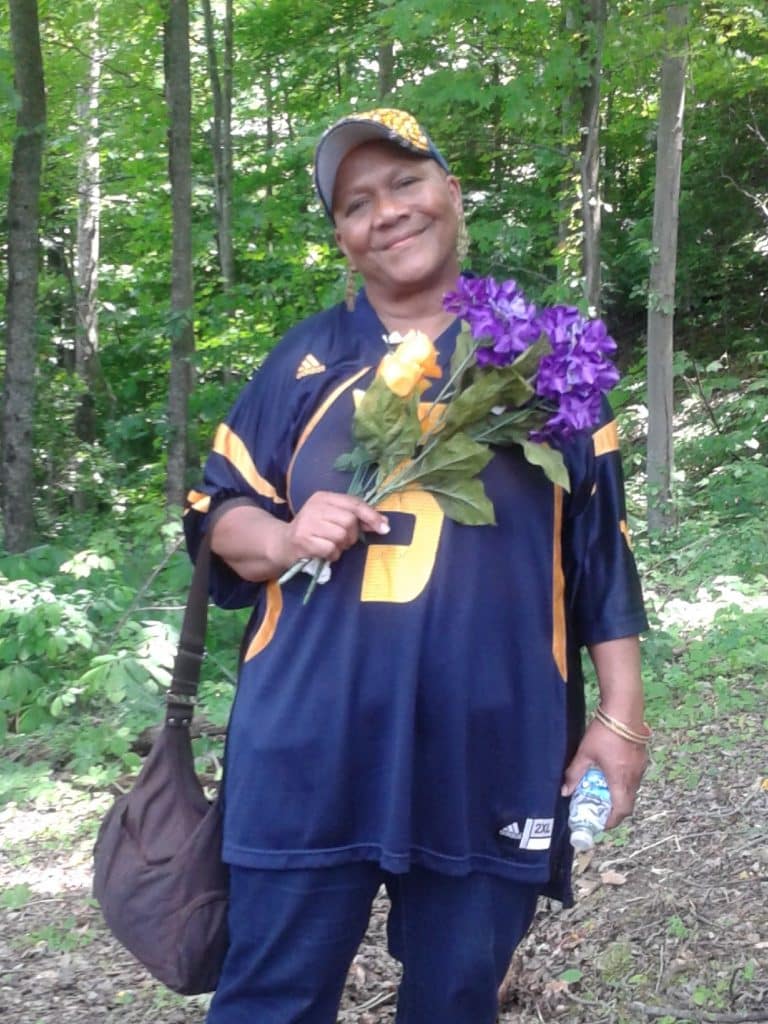
“They were really looking forward,” she said.
Outgoing Gov. Jim Justice wrote to Mollett in November apologizing for the repeated incidents. A company rep “apologized profusely” to Mollett, she said, and claimed this would never happen again. The company did not respond to requests for comment.
Edwight is one of three stops the Mollett family makes while in West Virginia. They visit and clean two other gravesites – one near Madison and another near Logan. The family has had no issues gaining access to the Boone and Logan County sites.
But the Edwight coal camp was where Doretha Mollett was born. She was reborn right about the time the mine closed in 1959, and their family moved to Logan County. The small cemetery remained behind.
“My grandmother has a baby up there she miscarried, a brother, a husband. We have various other relatives and friends [buried in Edwight],” Mollett said.
Environmental attorney Kevin Thompson has faced issues like this before. Based in Charleston, Thompson has experience fighting energy companies over land access across Southern West Virginia. State law is quite clear on this issue, he said. If a family wants to visit a gravesite on a company’s land – even if it’s abandoned – companies are required to make this happen.
“They’ve got to do whatever it takes to get people to the graves of their loved ones,” Thompson said. “There’s no defense and there’s no excuse for this kind of behavior.”
Even in cases where companies block access to certain parts of the property, or the gravesite is miles from the nearest road, the responsibility is still on the companies to make it accessible.
“They’ve got to transport the people to the cemetery,” said Thompson. “If they’ve got to take 15 trips, they’ve got to take 15 trips.
Access to mine land cemeteries has long been a problem. It’s compounded by the fact Black coal families typically lived “way up the holler” on mine land, Thompson said, as coal companies kept Black families separated from white families. They also couldn’t bury their dead relatives in white cemeteries, which led to these off-the-beaten-path cemeteries.
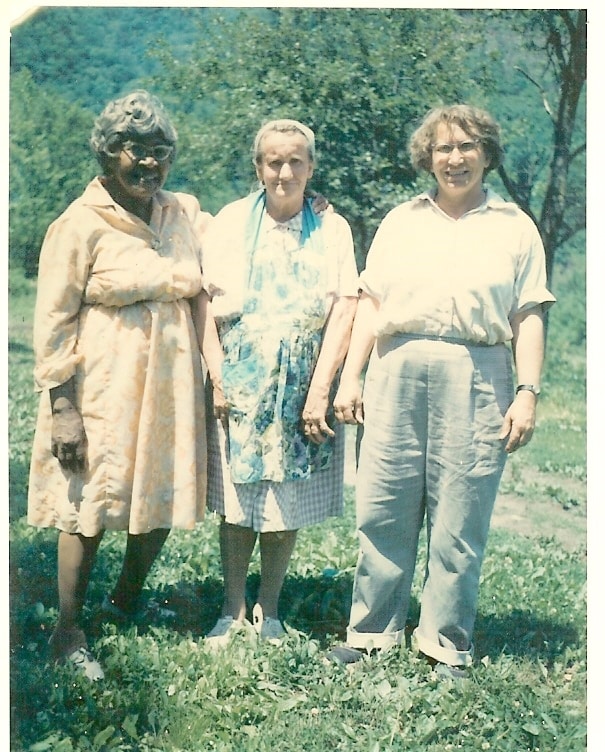
“The coal companies didn’t treat anybody well, but they especially mistreated the Black families,” Thompson said.
Thompson referenced a 2006 lawsuit against multiple energy companies filed by families in Logan County after crews bulldozed over headstones at a Black gravesite to clear the way for pipeline construction.
James Olbert, of Holden, helped organize a family reunion over Memorial Day weekend 2004. They would visit and repair the cemetery where several family members, including his father Daniel, were laid to rest. The reunion was so big they rented a bus to reach the site. They arrived to find it completely desecrated.
“They could barely even recognize the land after the bulldozers had been on it,” Thompson said.
The lawsuit even claimed that a nearby resident saw the bulldozing taking place and flagged down a worker to stop it. The crew member allegedly used racial slurs to describe the people buried there and continued to rip up the ground.
It wasn’t until late 2012 that a Logan County jury ruled the company pay $900,000 in damages to the families, and ordered the companies restore the cemetery. But in 2014, the West Virginia Supreme Court overturned the jury’s ruling on a technicality – that the families did not go through the proper channels to seek restitution The case was eventually settled outside of court in lieu of going to another trial.
To this day, the site of the original cemetery and the people buried there are not precisely known, nor is the total number of people buried on the land.
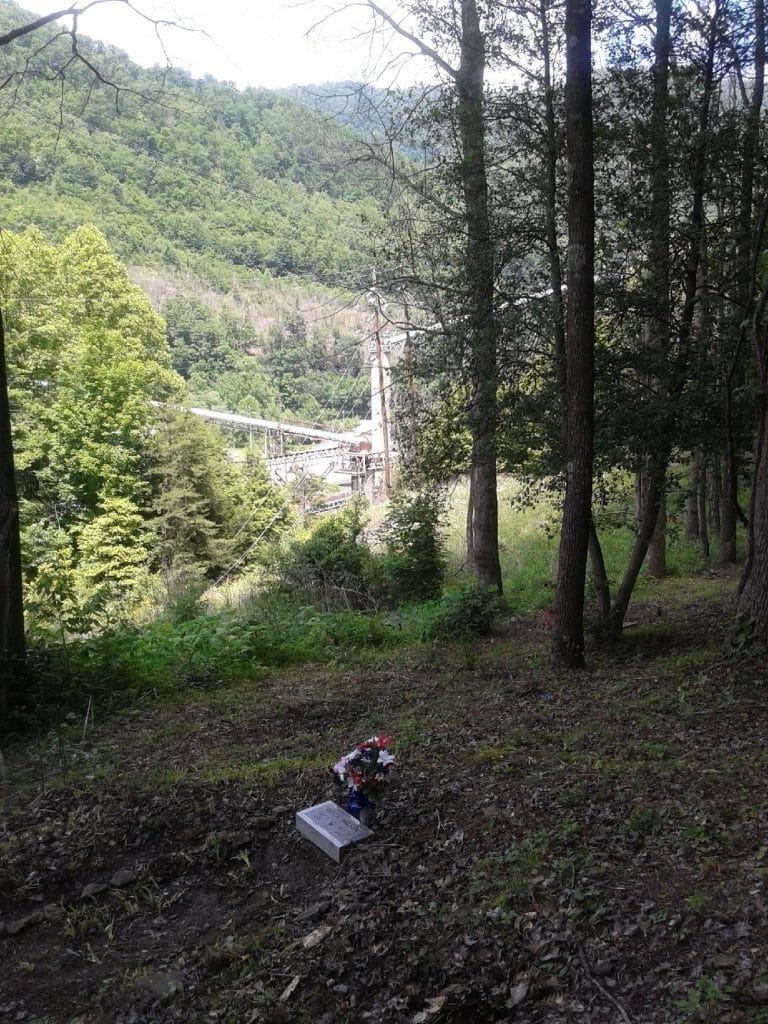
The Logan County case is one of many reasons families like the Mollett’s put so much time and effort into preserving their family’s headstones. Keeping the tradition going for the next century is crucial, which is why they always bring their young children along with them, Mollett said.
“It’s important because a lot of Negro cemeteries have been desecrated and have been lost in essence,” Mollett said. “We don’t want that to happen to ours.”
In nearby Beckley, government officials permanently reshaped a number of local Black historical cemeteries by building neighborhoods and roads right on top of gravesites. Children would sometimes trip over headstones while playing out in their yards, according to stories from a recent Real WV article.
Mollett looks to pass the torch to the next generation as she and her four siblings – Cleo Vernell Mollett, Sr., David Lee Mollett, Tanners Lee Mollett, and Christina Mollett – age into their 70s.
“As [my grandmother] got older, we promised that as long as we were living, we would continue,” Mollett said.
In 1996, folklorist Mary Hufford and photographer Terry Eiler documented stories and took photographs of the Mollett Family at the cemetery in Edwight, which are now part of the Coal River Folklife Collection housed at the American Folklife Center at the Library of Congress, West Virginia State Folklorist Jennie Williams wrote in a Goldenseal column in 2022.
These disappointing moments however have not dulled Mollett’s love for her home state. She recalled fond childhood memories of jumping trains with friends, hanging out near creeks and running free through her remote, rural homeland.
“Country roads … That’s always home,” Mollett said.
Plans are being made to return this Memorial Day, regardless of what happened this past year. Mollett said there are no more excuses to go around.
“I know they are not used to dealing with the public, but at the same time we have a right,” she said. “It costs them nothing.”
If you appreciate BBG's work, please support us with a contribution of whatever you can afford.
Support our stories
Related Articles

How a West Virginia Kid Got to Fist-Bump LeBron James on His Birthday at a Lakers Game
A 9-year-old from West Virginia traveled to Orlando, Florida, for his birthday and got the surprise of a lifetime when he fist-bumped LeBron James during a Los Angeles Lakers game.