Why I protested Education Secretary Linda McMahon’s visit to West Virginia
Parent Sarah Harris responds to Education Secretary Linda McMahon’s Barboursville visit, calling for federal support for West Virginia public schools.
A Parent’s Call for Federal Action to Protect Our Schools and Our Families
Op-ed submitted by Sarah Harris.
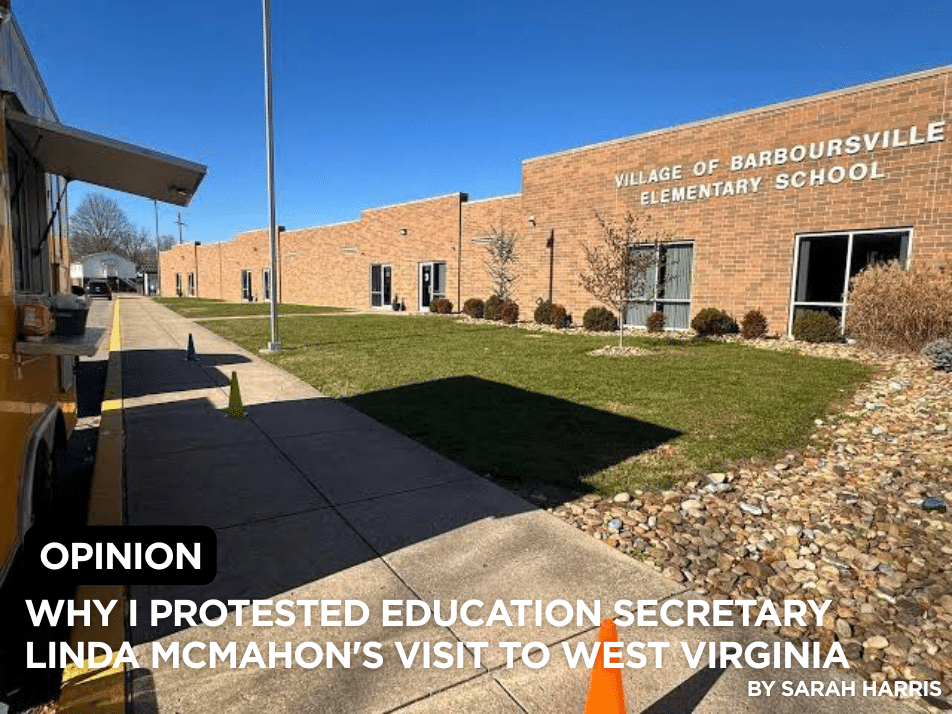
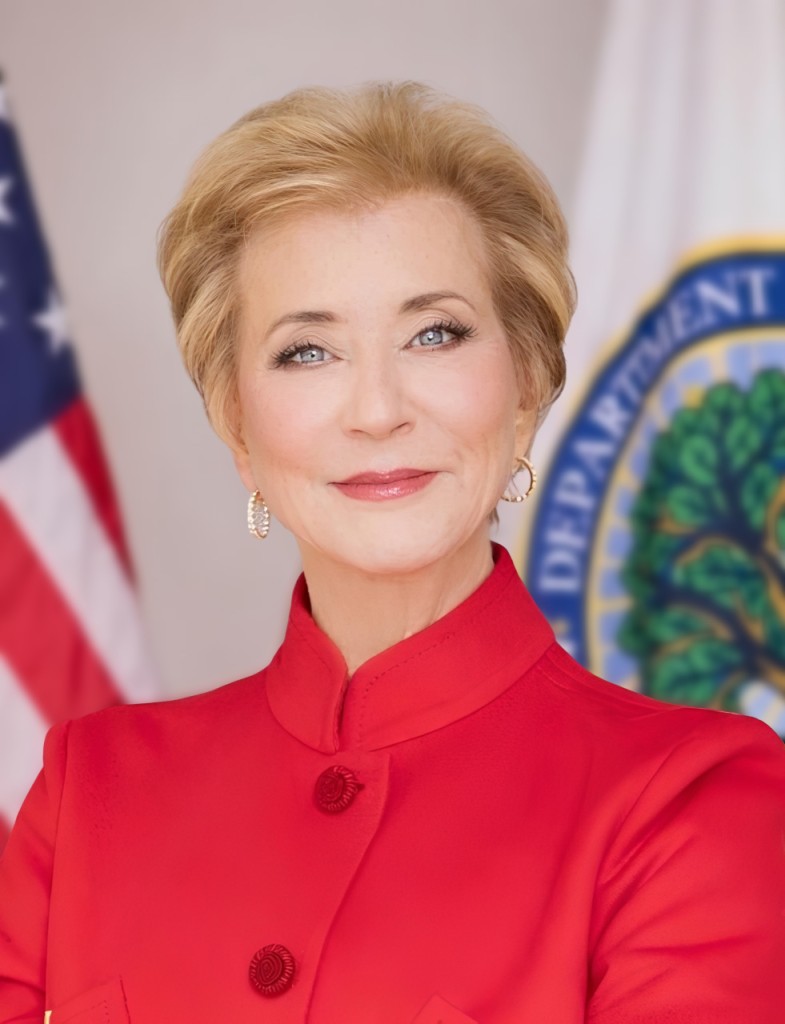
Last Thursday, I stood outside the Village of Barboursville Elementary School holding a sign that said Linda McMahon is Dismantling Public Education Brick by Brick. Education Secretary Linda McMahon was inside, touring West Virginia to promote what she calls “returning education to the states.” I was there to tell her: West Virginia needs the federal government to strengthen our schools, not abandon them.
In a normal year, a visit from the Secretary of Education would be exciting. It would mean the federal government is paying attention to our schools, that our concerns matter at the national level. But this isn’t a normal visit.
Secretary McMahon has spent the last couple of years working hard to eliminate the Department of Education and dismantle federal support for public schools. She talks about “returning education to the states” like it’s empowering. But what she’s actually proposing: cutting $7.3 billion nationally from K-12 education and dismantling federal protections for vulnerable students. This should distress every family in West Virginia.
The disconnect is stark. McMahon spouts language about empowerment and local control. But the actual proposals? They would devastate our schools and our families.
I’m a parent of 3 school aged children. I work as a part time freelancer to maintain flexibility for my family. Like most West Virginia families I know, we’re stretched thin. Gas prices keep climbing. Electricity bills are outrageous. Groceries cost more every time I go to the store. Everything is harder, more expensive, more precarious.
Then I learned what Secretary McMahon is proposing, and I realized: things are about to get harder still.
Federal dollars can pay for the after-school program that lets working moms work. They fund special education services that my children need. They can help cover school meals. When those dollars disappear, the burden falls on families like mine, people already struggling to afford basics.
Right now, West Virginia carries a $180 million annual gap in special education funding because the federal government funded only 11 percent of what it promised under the Individuals with Disabilities in Education Act (IDEA) (40 percent). If McMahon’s plan succeeds, that gap goes up even more. Proposed budget cuts would cost Cabell County $3 million alone; eliminating after-school programs, cutting teacher positions, destroying services for students with disabilities.
For families already stretched thin, these cuts aren’t inconvenient policy disagreements. They’re survival.
But here’s what stands out: in an age where everything feels partisan, this isn’t. West Virginia’s own Rep. Carol Miller co-sponsored the IDEA Full Funding Act. Republican-led state legislatures in Nebraska and Idaho, have called on Congress to fully fund IDEA. Conservatives and liberals agree on this: the federal government made a promise to students with disabilities, and it needs to keep it.
Secretary McMahon talks a good game. “Returning education to the states.” “Empowering communities.” It sounds reasonable. When pressed by West Virginia reporters, McMahon claimed to be increasing IDEA funding this year, but her increase is only 2 percent of what full funding of IDEA would give us. She toured a career and technical school for a photo op, but has eliminated grants for career and technical schools. Her policies tell the clear story: eliminate the Department of Education, cut billions from public schools, redirect funds to private school voucher schemes that drain resources from public education.
Every student in West Virginia deserves a strong public school. Every child, whether they have a disability, live in a rural community, come from a low-income family, or speak English as a second language, deserves a teacher who isn’t overwhelmed and resources that actually exist. Secretary McMahon has consistently chosen the opposite. She’s advocated for dismantling the systems that protect these students.
The secretary’s visit should have been an opportunity for partnership. Instead, it’s a reminder of what we stand to lose if we don’t fight back.
Sarah Harris is a Putnam County parent and longtime advocate for disability rights and special education. After spending six years outside the public school system before returning, she brings lived experience navigating both sides of the education system. As a parent of children with disabilities, she has seen firsthand how IDEA protections can be the difference between a student simply being enrolled in school and having meaningful access to an education.
If you appreciate BBG's work, please support us with a contribution of whatever you can afford.
Support our stories
Related Articles
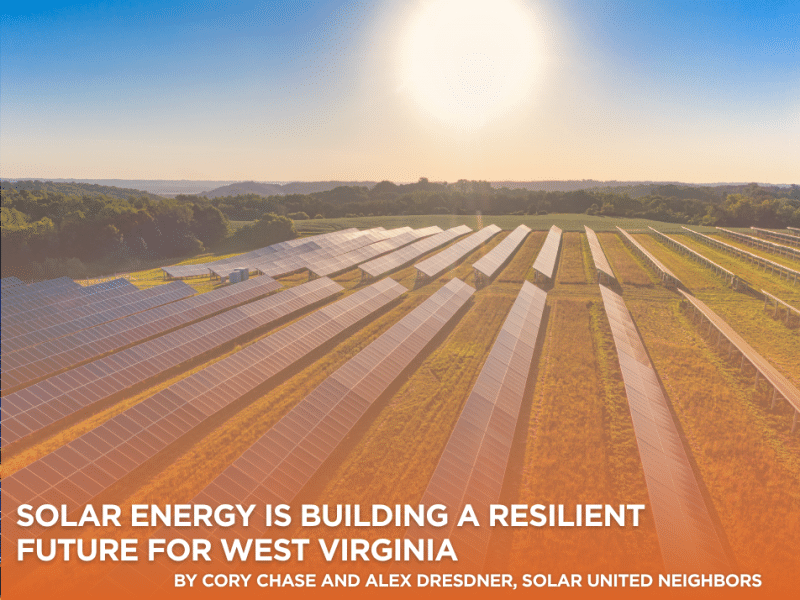
Solar energy is building a resilient future for West Virginia
For nearly two centuries, working-class people have built West Virginia’s economy as a coal-producing powerhouse. So why do we pay for some of the most unaffordable electricity in the country?
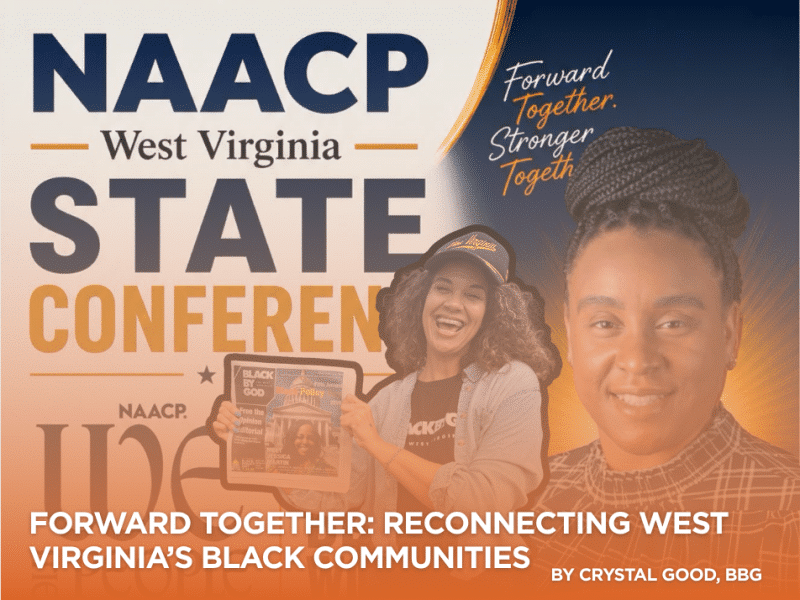
Forward Together: Reconnecting West Virginia’s Black Communities
Crystal Good reflects on Dr. Terri A. Berkley’s NAACP keynote, addressing organizational sustainability, media accessibility, and digital engagement.