
How a Wheeling nonprofit is tackling West Virginia’s Diabetes epidemic
FARMacy is building a network of farmers and agricultural producers throughout West Virginia to provide fresh produce to those who need it most.
Black By God is reporting on how Black farmers in West Virginia are rebuilding agricultural systems despite barriers to land, policy, and capital—highlighting what’s working, who’s leading, and how communities are adapting. Read part one of our series HERE.
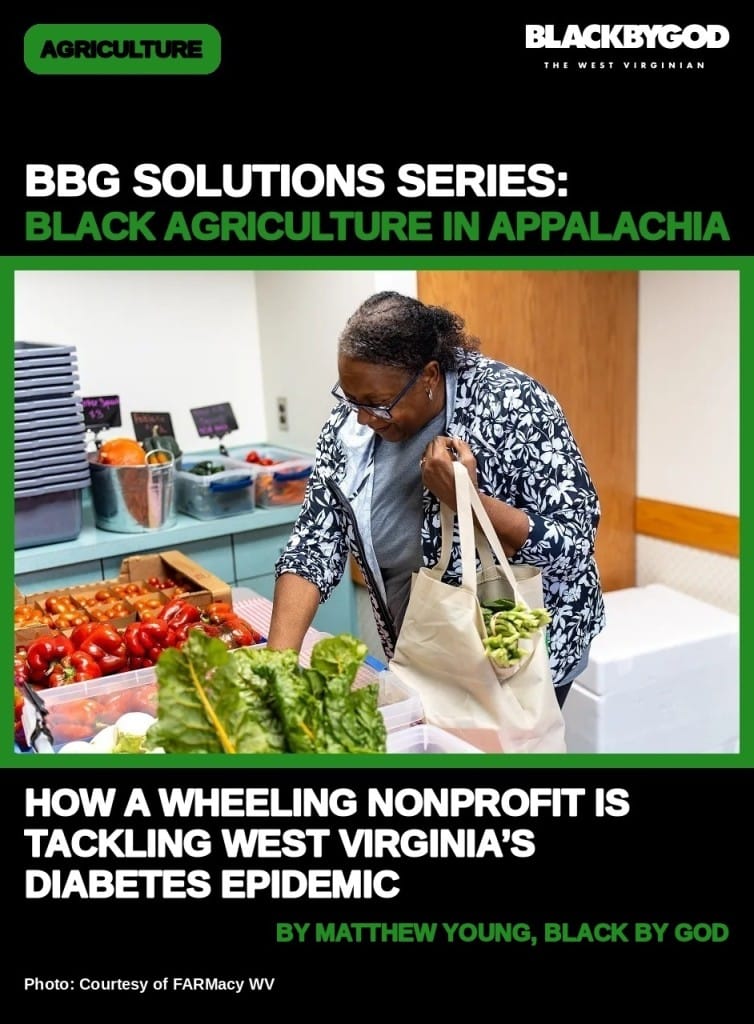
“West Virginia is sick and we’re poor, and the tired script in the exam room isn’t working.”
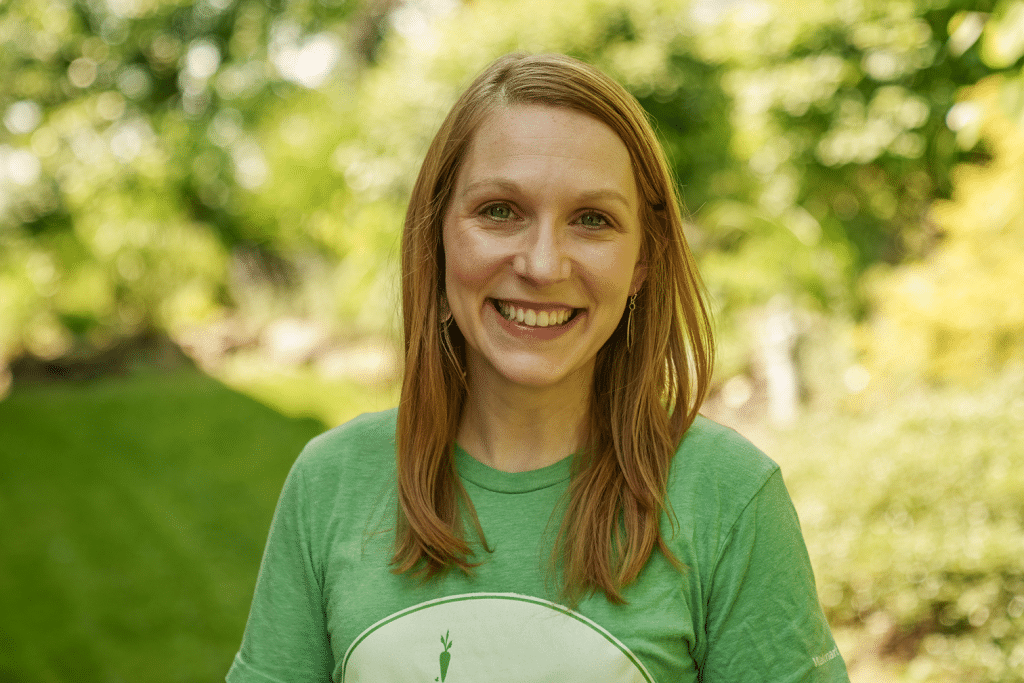
That’s what Amanda Cummins told BBG last week, while discussing the benefits of the FARMacy WV program. Based in Wheeling, West Virginia, Cummins – along with co-founder Dr. Carol Antonelli-Greco – established FARMacy to help improve access to healthy and nutritious locally grown food, as well as nutrition education.
“It’s so sad when someone says, ‘Yeah, my grandpa had the sugar, and he lost all his toes,’” Cummins noted. “Diabetes doesn’t normally end in amputation. You do not have to lose your toes because you have a diagnosis of diabetes.”
We’ll bring the best from BBG right to your inbox. You can easily unsubscribe at any time.
Sign Up for our Newsletters!
“You do not have to lose your toes because you have a diagnosis of diabetes.”
– Amanda Cummins, PA-C
Though FARMacy has been in operation for more than a decade, the concept of healthy diet as a preventative medical measure has gained significant traction in recent years, especially with last summer’s passage of the One Big Beautiful Bill (OBBB). An initiative of President Donald Trump, the OBBB is fundamentally changing the way healthcare is administered and paid for in the United States.
West Virginia: the land of milk, honey, and diabetes
Since the mid-1990s, West Virginia, and the greater Appalachian region, has colloquially been referred to as “ground zero” for the opioid epidemic. And while “ground zero” may be an appropriate descriptor, this medically pigeonholed perception of West Virginia’s current health climate often overlooks the Mountain State’s other health concerns, such as maintaining one of the highest rates of adult diabetes in the nation.
Despite the State’s Board of FARMacy reporting a nearly 63% decline in the number of opioid prescriptions written since 2014, public health data shows that the vast majority of West Virginia’s adults are still consuming some form of prescription medication. According to prescription-discounter GoodRX, Atorvastatin is among the most commonly filled prescriptions in the Mountain State. Atorvastatin – typically referred to by the brand name Lipitor – is a member of the “statin” family of prescription drugs, and prescribed for the management of high cholesterol and the prevention of heart disease. This makes sense, as the Centers for Disease Control (CDC) reports that heart disease remains the leading cause of death in West Virginia.
Heart disease is particularly prevalent among West Virginia’s Black population. According to the State’s Department of Health, cardiovascular disease is present in approximately 14.5% of the State’s white population, while cardiovascular disease among Blacks in West Virginia reaches upwards of 45%.
Although proven medically beneficial in the fight against heart disease, for certain users, statins carry with them the risk of elevated blood sugar and increased insulin resistance, which could lead to new-onset diabetes. Not surprisingly, diabetes ranks just below heart disease as the biggest killer of West Virginians.
Ground zero for the Diabetes epidemic
The CDC reports that more than 40 million Americans are currently living with diabetes, whether they know it or not. This accounts for approximately 12% of the nation’s population. However, only about 30 million have been diagnosed, leaving some 10 million people unaware of their condition. This is particularly dangerous for older adults, as untreated diabetes can lead to neuropathy, eye and kidney damage, and reduced blood flow in the feet and legs. It can also result in the hardening of arteries, which significantly increases the risk of a heart attack or stroke.
According to the American Diabetes Association, nearly 250,000 West Virginians – or roughly 15% of the state’s population – have been diagnosed with diabetes, resulting in one of the highest rates in the country. Among the state’s Black population, nearly 17% have been diagnosed as diabetic. It is further believed that hundreds-of-thousands more Mountaineers are living with prediabetes, making them more likely to develop type 2 diabetes in the future. When these statistics are taken together with the more than 41% of West Virginians struggling with obesity, the outlook is alarming. Even more frightening is the disparity in health coverage between Black and White West Virginians. The uninsured rate among Whites is just over 8%, while the uninsured rate among Blacks in West Virginia is as high as 16%, doubling that of White residents.
Rural Health Transformation Program
Created last July as part of President Donald Trump’s One Big, Beautiful Bill (OBBB), the Rural Health Transformation Program (RHT) guarantees each state in the nation a minimum of $100 million per year for five years to be used toward improving rural health outcomes, with an annual-opportunity for states to apply for additional funding. West Virginia submitted such an application, and was awarded an additional $99.5 million, bringing the state’s total to just under $200 million.
Over the past several months, Gov. Patrick Morrisey has made numerous RHT funding announcements pertaining to healthy living organizations and medical providers throughout the state. Among those announcements were $3.4 million to WVU Health for staffing, $2 million to the WVU Eye Institute to establish a statewide teleophthalmology network, $500,000 to the Potomac Highlands Guild for mental health and addiction recovery services, and $1.5 million to Ascension Recovery Services for the creation of a “return-to-work” program.
Thus far absent from the list of funding recipients is the Council of the Southern Mountains, a McDowell County-based community outreach organization which operates a food bank in the town of Welch. However, according to Director Heather Mullins, the Council of the Southern Mountains has applied to the state for RHT funding, just like everyone else. Currently, their food pantry stocks primarily dry and canned foods to prevent spoilage, although the organization is open to partnering with an agricultural outfit for the sourcing of fresh produce.
“Some people come in and you’ll find out their whole life story by the time they walk out the door,” Mullins said. “Some it’s just, ‘I need this,’ and they take it and go. But we don’t have too many people who share their medical history.”
Aside from slow funding selections and disbursement, criticism has been heavy regarding the RHT program, as many West Virginians fear that even with the state’s additional $99.5 million, the RHT funding will not be insufficient to offset the estimated billions of dollars in lost medical coverage for thousands of residents.
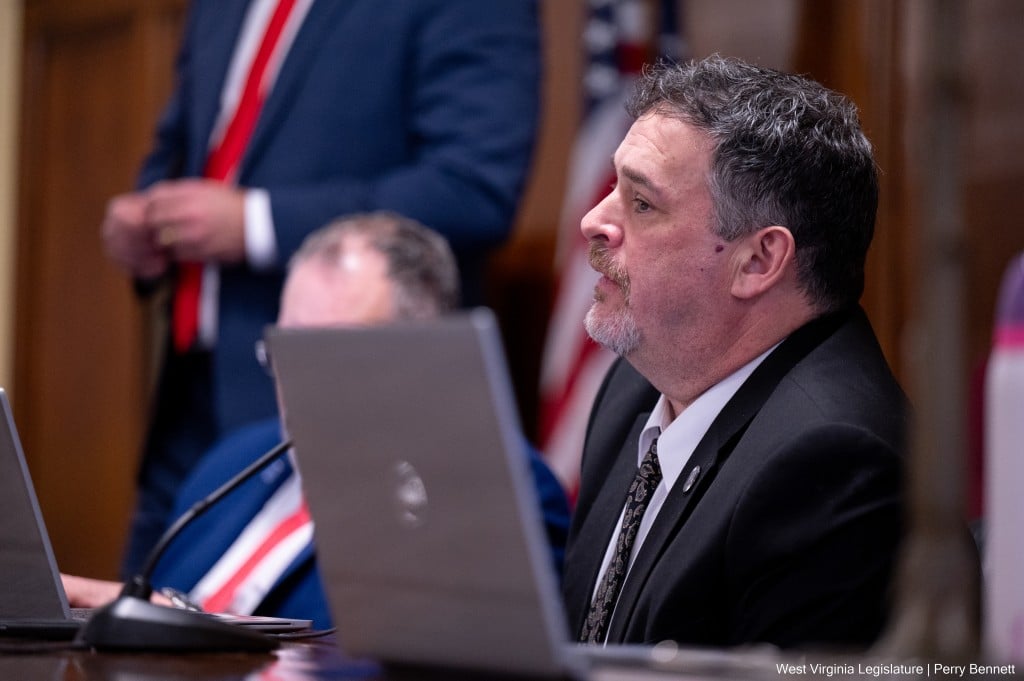
“This money was put in the federal spending bill because of a concern about all of these cuts to Medicaid,” Said Del. Mike Pushkin, chair of the West Virginia Democratic Party, as well as minority-chair of the House Committee on Health and Human Resources. Pushkin further noted concerns over rising premiums which will undoubtedly “cause people to no longer be covered” by insurance. “This will also be a hit to rural hospitals in states like West Virginia.”
Despite the current and forthcoming financial challenges, the Council of the Southern Mountains perseveres. Among other services offered by the Council of the Southern Mountains, the group had previously operated a fitness center. However, that facility was lost during the flooding in Feb., 2025.
“We had the fitness center to help combat some of these health issues, like diabetes and high blood pressure,” Mullins noted. “We’re now starting to work with the Town of Kimball. They just acquired the Kimball Elementary School [building], so we’re working with them to get a fitness center up there.”
“This money was put in the federal spending bill because of a concern about sll of these cuts to Medicaid.”
– Del. Mike Pushkin, D-Kanawha.
However, the $200 million West Virginia has received is far from a windfall. According to Families USA, a partner of the West Virginia Center on Budget and Policy, the OBBB, “Makes the largest cut to Medicaid in history, gutting a whopping $859 billion from Medicaid and the low-income families, workers, veterans and people with disabilities who rely on it for their care, including over 500,000 children and adults in West Virginia.”
Additionally, Families USA reports that a minimum of 69,000 West Virginians will lose their access to health coverage under the One Big, Beautiful Bill, increasing the state’s uninsured-rate by some 70%. And while data has not been gathered specific to the loss of coverage for Black West Virginians, due to the existing coverage rates, it can be safely assumed that Black West Virginians will once again be disproportionately impacted.
Combined with funding cuts made through the OBBB to other social programs such as SNAP (Supplemental Nutrition Assistance Program), these losses in health coverage are expected to severely impact the state’s hospitals and healthcare-providers, resulting in losses that some estimates show to be as high as $1 billion annually.
State officials, as reported by the Mountain State Spotlight, have performed their own study regarding the OBBB’s impact on the Mountain State, however said officials have declined to release that study publicly.
Food is Medicine
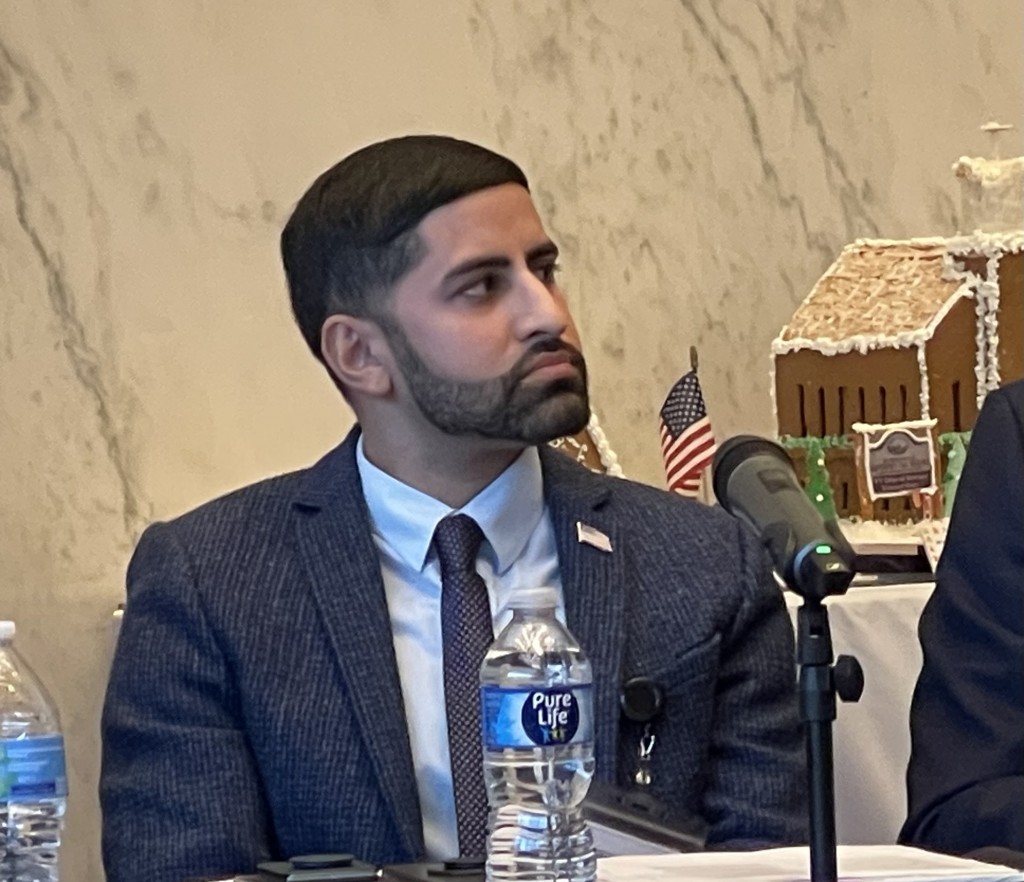
Although filling a $1 billion hole with $199.5 million would seem to be an impossible endeavor, State Health Secretary Arvin Singh appears undeterred. While speaking at the WV Press Association’s Legislative Look-ahead in January, Singh told attendees that the state’s supplemental application to the RHT focused on diabetes and obesity.
“We wrote (the supplemental application) and held ourselves accountable to reducing diabetes prevalence to get out of that bottom quartile,” Singh said. “So we’re holding ourselves to that.”
Although he provided no timeframe for reaching the bottom quartile, Singh further explained that the state’s RHT funds will be the bedrock of West Virginia’s “transformative foundation.” A key component of this transformative foundation is the concept of “food is medicine,” a program which Singh says will be used for “preventing adverse health outcomes through nutrition, exercise, and lifestyle changes.”
Similar in concept to medical nutrition therapy that one would participate in through the guidance of a registered dietician nutritionist, as explained on eatright.org, food is medicine programs “provide the appropriate food choices directly to the individual.”
“This includes medically tailored meals, medically tailored groceries, and produce prescription programs,” the explanation adds. “The combination of access to these foods, alongside nutrition education, makes these programs unique.”
Despite the clear benefits of food is medicine programs, however, limited income and the state’s well-above-average poverty rate creates an obvious barrier. At Walmart, a single-size serving of Maruchan Ramen Noodle Soup costs $0.48, but eight-ounces of fresh tilapia fish at Kroger cost $5.49. For someone who is poor and hungry, freshness and sodium content often become less of a priority than staying alive.
“In West Virginia, we have a Food is Medicine coalition. It works closely with the WVU Extension and the SNAP-Ed program, which hasn’t received funding this year.”
– Rich Sutphin, Executive Director of the WV Rural Health Association
“In West Virginia, we have a Food is Medicine Coalition,” Rich Sutphin, executive director of the West Virginia Rural Health Association, told the Charleston Gazette-Mail in February. “It works closely with the WVU Extension and the SNAP-Ed program, which hasn’t received funding this year. One of the things that it’s doing is creating opportunities for young kids to grow their own vegetables.”
In addition to SNAP-Ed and the WVU Extension, the Food is Medicine Coalition partners with WVU Medicine, the West Virginia Department of Health, and the Mountaineer Food Bank, to name a few.
“The way insurers are looking at food is medicine, they’re offering incentives for people to engage with Medicaid to offer food boxes (home-delivered healthy or medically-tailored meals) and those types of things, to get fresh and healthy foods into the hands of the people who need them,” Sutphin further noted. “I think there are a lot of innovative ways that people are engaging the food is medicine movement.”
The mission is alive in West Virginia institutions
At the West Virginia School of Osteopathic Medicine (WVSOM), Linda Garrow, MS, PhD, CCMS, teaches a master-level Medical Nutrition Therapy course, which highlights the nutritional management of diabetes.
Read “Back to The County: What T&T Organic Farms, a Black owned and operated farm is showing us about land access in McDowell County, West Virginia, HERE.
“Also, three of my labs focus on anti-inflammatory diets that are heavily plant-based,” Garrow told BBG. “Lab 2 focuses on the Mediterranean diet, lab 3 focuses on the DASH diet, and lab 4 focuses on the plant-based diet.”
According to the National Institute of Health, the DASH diet is “a flexible, balanced eating plan designed to lower blood pressure and improve overall heart health.” The Mediterranean diet, as explained by the Cleveland Clinic, “emphasizes plant-based foods and healthy fats.”
“Note that the former two diets are also plant-based but still include meat and dairy,” Garrow said. “Wereas in the plant-based diet, I focus on protein-compliments and vegan meals. All these diets are beneficial to individuals with prediabetes or diabetes; they are low in fat and high in fiber, focusing on fruits, vegetables, whole grains, and, if consumed, low-fat or fat-free dairy, and lean meats and seafood.”
“With every diet I teach, the underlying threads in addition to the dietary guidelines for each of the diets, are the importance of regular exercise and making small changes that you can be comfortable with,” Garrow added. “Baby steps to make consistent progress toward the final goals for lifestyle changes.”
FARMacy and the Food is Medicine mission
While it would seem that state and federal officials have only recently gotten on board the food is medicine train, FARMacy has been championing the concept since 2016. What began as a collaborative partnership between Cummins and Antonelli-Greco, Grow Ohio Valley, and a local Wheeling-area clinic, has grown throughout West Virginia, with locations in doctor’s offices, hospitals, and clinics. However, much the same as the Council of the Southern Mountains, no RHT dollars have been allocated for their usage.
“We are a produce-prescription program,” Mullins said. “In the whole ‘food is medicine landscape,’ produce prescriptions are an alternative to conventional medicine. We don’t take away the necessary pharmaceuticals patients take for their diabetes or their heart disease, or other chronic health burdens Because we know that there is an overlap between nutrition and health – especially when poverty and nutrition are so part of our health Burden here in West Virginia – we know that when we can equip folks to be able to eat better, their health improves.”
As stated on their website, “FARMacy WV connects healthcare and agriculture to improve community health. By providing access to fresh, nutritious food – and the knowledge to use it – our program helps prevent and manage chronic diseases like diabetes and hypertension here in our home state.”
FARMacy uses a “four pillar” strategy for approaching transformative community health:
- Local food sourcing: Connecting with local farmers to provide fresh, nutritious produce directly to participants
- Nutrition education: Empowering individuals with knowledge to make healthier food choices
- Healthcare integration: Collaborating with medical professionals to address chronic disease through nutrition and lifestyle
- Access to affordable, fresh produce: With many West Virginians facing food insecurity, improving access to affordable, fresh produce helps close the gap between healthy-choices and real world availability
The FARMacy program has been standardized to last 15 weeks to mirror West Virginia’s annual growing season, however this timeframe can be fluid depending on agricultural production. Once the program year concludes, participants have the option of re-enrolling for participation the following year. WVU Extension Family Nutrition Program instructors providing cooking-skills and nutrition classes for the first six-weeks. Instructors also provide weekly recipes, as well as on-site food demonstrations for participants.
“Our target population remains those with prediabetes and type 2 diabetes, but most have comorbidities of obesity, hypertension, heart disease, etc.,” FARMacy’s website further states. “All participants receive one week supply of fresh produce via a written prescription by their provider which they exchange for the produce on a weekly basis.”
The “prescription” is a voucher good for $25 worth of locally grown produce that participating patients may select themselves.
“In many instances, the produce is hyper-locally grown, from the clinic that they receive their healthcare at,” Mullins added. “The physician writes the prescription, and the patient comes to what literally looks like a farmers market, and they collect $25 in produce every week. It’s in tandem with real-time, adult-centered education, which is a lot of nutrition education, chronic disease \education, and how to cook the produce.”
“The physician writes the prescription, and the patient comes to what literally looks like a farmers market, and they collect $25 in produce every week.”
– Amanda Cummins, PA-C, and co-founder of FARMacy WV
At the conclusion of the 15-week program, FARMacy reports seeing a 0.9% reduction in HgA1c (a measurement of blood sugar over a two-to-three month period), and an eight-point total cholesterol reduction among participants.
“They [patients] totally understand that they should probably eat better,” Cummins said. “But they get breakfast at the soup kitchen and it’s doughnuts every day. They’re getting Meals on Wheels and it’s pasta and bread for lunch every day. But as clinicians, we’re implying that the patient has way more control or choice than they actually have when they’re limited by financial or geographical constraints. Usually the patients will choose survival, and the tired script in the exam room is not working anymore.”
At the conclusion of the 15 week program, Cummins noted, through the education provided, returning patients typically maintain between a 0.4% and 1.0% reduction in HgA1c levels.
“The red blood cells hold the memory of how high the blood sugar has been on average,” Cummins said. “We measure that. That’s how we diagnose and manage diabetes. The hemoglobin A1c is that marker.”
Although FARMacy does not track outcomes by any particular demographic – nor can they release patient information due to HIPPA regulations – Cummins noted that more than 1,000 West Virginians on average participate in the program every year. And with several additional locations planned to be open in the near future, Cummins expects that number to increase measureably in 2027.
More information and how to participate
Those wishing to participate in FARMacy’s Food Is Medicine program may begin the process by contacting one of the organization’s 20 currently operating West Virginia locations. This applies to both potential patients, as well as local farmers and agricultural providers.
Currently, there are no Black farmers or agricultural producers working with FARMacy WV. To get involved, either as produce supplier or patient, FARMacy has locations in Charleston, Buckhannon, Keyser, Madison, Moorefield, and Oak Hill among others. A Huntington location will also be opening in the near future.
Current FARMacy WV locations:
- Baker – 17978 WV-55, 304-897-5915
- Belington – 70 North Summer Street, 304-823-2800
- Buckhannon – 1 Amalia Dr.
- Camden on Gauley – 10003 Webster Road
- Charleston – 4605 MacCorkle Ave. SW
- Clay – 122 Center Street, Suite 1
- Keyser – Potomac Valley Hospital, 100 Pin Oak Lane
- Madison – Madison-Boone Memorial, 701 Madison Avenue
- Marlinton – 821 3rd. Avenue
- Moorefield – Lee St. 8 #127, 304-257-2451
- Oak Hill – New River Health, 497 Mall Road
- Petersburg – 111 S. Grove Street, 304-538-2331
- Philippi – 344 S. Main Street
- Romney 1 – 329 Sunrise Boulevard, 304-822-4932
- Romney 2 – 22347 Northwestern Turnpike, 304-822-3838
- Rowlesburg – 67 Chessie Lane
- Spencer – 200 Hospital Drive
- Steubenville 1 – 4000 Johnson Road
- Steubenville 2 – 423 South Street
- Union – Monroe Health Center, 200 Health Center Drive
FARMacy- is 100% grant funded. There is no cost to participating patients, and farmers and agricultural providers are paid for their produce. For more information, or to start a food is medicine program in your community, visit farmacywv.com.
Read more of Black By God’s coverage of West Virginia agriculture here:
Building Black Food Power Together: A New Agribusiness Co-op Academy Comes to West Virginia
From the communities we live in to the systems that shape our daily lives, the stories we tell hit close to home. Across West Virginia, Black communities are navigating challenges—and building solutions in real time.
Follow along as we highlight the issues, the people taking action, and how their work is impacting communities across the state.
If you appreciate BBG's work, please support us with a contribution of whatever you can afford.
Support our stories
Related Articles

Ten Questions with Jeremile Alexander: Building East Wheeling From the Inside Out
This article is the first installment of the EBSHF Meet Our Strategic Partners series. It was originally published on the EBSHF website.
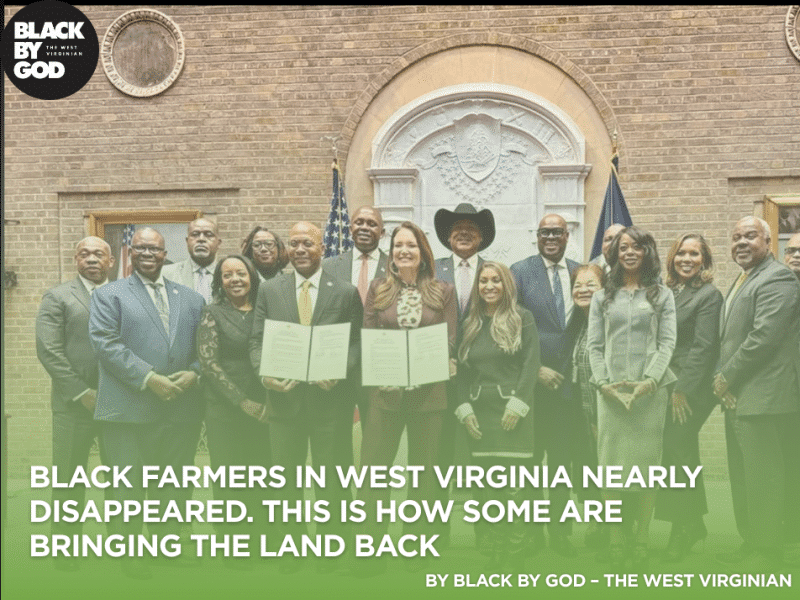
Black Farmers in West Virginia Nearly Disappeared. This Is How Some Are Bringing the Land Back
From 504 Black-owned farms a century ago to just 31 today: Black By God examines how Black West Virginians are reclaiming farmland, legacy, and food systems.