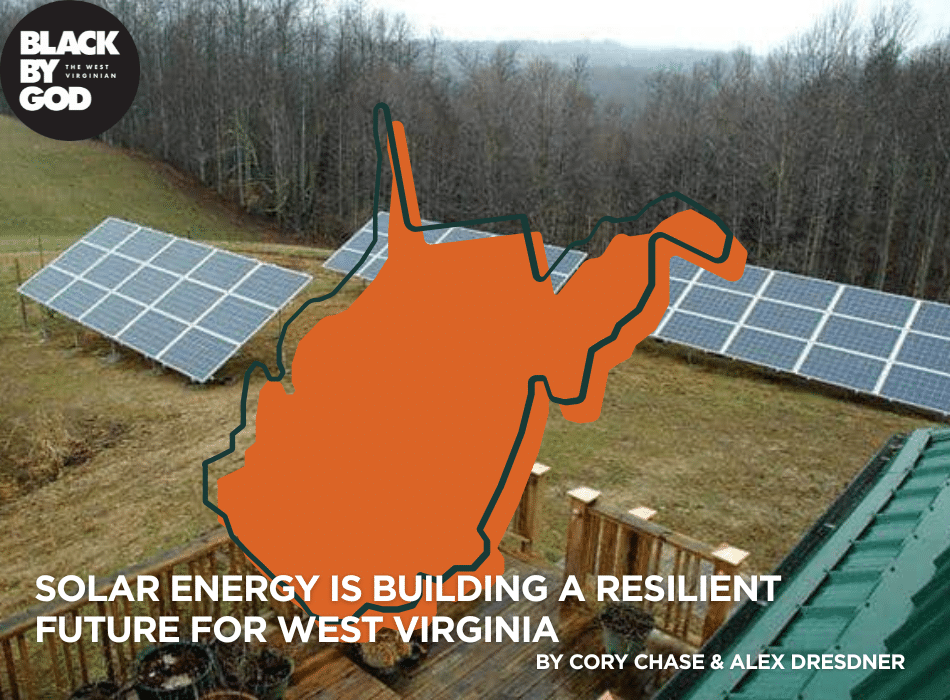
Solar energy is building a resilient future for West Virginia
West Virginians face the 2nd highest energy burden in the U.S. Learn how rooftop solar, co-ops, and the Ratepayer Bill of Rights offer energy independence.
By Cory Chase and Alex Dresdner
For nearly two centuries, working-class people have built West Virginia’s economy as a coal-producing powerhouse. So why do we pay for some of the most unaffordable electricity in the country, and why have frequent blackouts become the norm?
For most West Virginians, opening the monthly power bill is a source of dread. Electric bills have increased by 53% in the past 10 years, much faster than neighboring states.
That’s why some West Virginians have turned to harnessing our most abundant energy source: the sun! All energy comes from the sun; solar panels just get it quicker. By installing solar panels and battery storage, solar energy is helping communities across the state build resilience to price hikes and reclaim independence from their utility companies.
The energy affordability crisis in West Virginia
For decades, monopoly utilities have extracted the maximum amount from ratepayers while working people struggle to pay for basic needs. West Virginia currently has the second highest energy burden in the country — 31% of West Virginians struggle to pay their bills, compared to the 20% national average. Amidst stagnant wages, energy bills are burning a bigger and bigger hole in our budgets.
Even worse: the price gouging of West Virginians has no end in sight, thanks to the growth of data centers that require massive amounts of electricity. Funded by large tech companies and incentivized by lax regulations in Charleston, the extra costs of generating and transmitting energy for these data centers is soaring through the roof. And you — the consumer — are footing the bill for it.
Price hikes are hitting Black West Virginians particularly hard. Nationwide — and West Virginia is no exception — Black households have lower average incomes, meaning that energy costs eat up a larger portion of household budgets. In addition, decades of housing discrimination have pushed many Black families to live in older homes that have poor insulation and older appliances. On scorching summer days or freezing winter nights, families in energy-inefficient homes are paying a premium on their electric bill for basic comfort and safety.
Higher energy prices have real consequences. For a working family or retired elder, it might mean the difference between paying for food, medicine, and transportation. It also takes away money that could be used for energy-efficiency upgrades, deepening the problem over time.
Building resiliency to price hikes with solar energy
Amidst sky-high energy costs, some West Virginians have taken matters into their own hands. Rooftop solar is a smart alternative that lasts for decades and helps build resilience against future price increases.
With solar panels, you generate clean energy right from your roof, or a ground-mount panel in your yard, and it’s instantly ready to power your home. Over the years, many rooftop solar owners pay close-to-nothing on their electric bills, and slowly earn back the cost of the panels in accumulated savings. Panels can last approximately 25 years at high efficiency, so once you recoup the cost of the panels, you’re getting energy for free. That also means that when electricity prices go up, solar owners save even more money. It’s a win for energy independence, resilience, and your pocket book.
Going solar is an investment. It can cost thousands of dollars upfront (unless you get a leased system), and unfortunately, solar scams are common. Solar United Neighbors (SUN), a national non-profit, organizes solar co-ops to help homeowners learn about solar, choose a trustworthy installer, and afford the initial investment. Recently, they concluded the Eastern Panhandle Solar Co-op, which included the opportunity to add battery storage and an EV charger to a residential solar system. SUN also runs the national Solar Help Desk, a free resource to get expert advice on all things solar.
“We’re so glad we made the decision to go solar,” said Al Tomson of Davis, WV. “The solar co-op process helped us understand how it works and what kind of deal we were getting. Now we love opening up our utility bill every month to see how little we pay.”
More rooftop solar can lower electricity prices for everyone, not just for solar owners. Because solar is produced close to where it’s used, it reduces the need for expensive transmission lines or fossil-fuel power plants to handle high demand. Compared to coal, solar energy is less expensive and less sensitive to price fluctuations. That helps keep prices stable and predictable from year to year.
Expanding access to solar energy across West Virginia
Skyrocketing energy prices aren’t inevitable. They are the result of decisions made by our elected officials to prioritize fossil fuels and concentrate our energy system in the hands of a few powerful monopolies. And without smart solar policies from Charleston, the cost saving benefits of rooftop solar will continue to be out of reach for the majority of West Virginians.
To take a stand for a better energy system, sign on to the Ratepayer Bill of Rights by the nonprofit West Virginians for Energy Freedom. To learn more or volunteer with Solar United Neighbors, contact Cory Chase at WVTeam@solarunitedneighbors.org.
If you appreciate BBG's work, please support us with a contribution of whatever you can afford.
Support our stories
Related Articles

Soul Food Scholar Adrian Miller to Join Simpson Memorial’s 160th Anniversary Celebration
The award-winning author will visit Charleston to celebrate the stories preserved through Black churches, kitchens and communities.
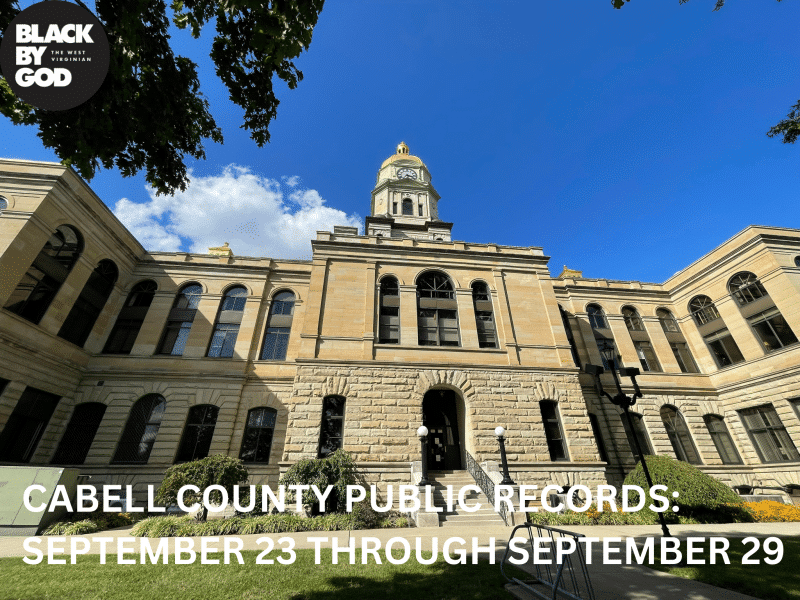
Cabell County Public Records: Sept. 23 through Sept. 29
Official Cabell County Land Transfers and Death Certificates, filed Sept. 23–29, 2026, including property deeds in Huntington, Barboursville, Milton, and Kyle Districts.
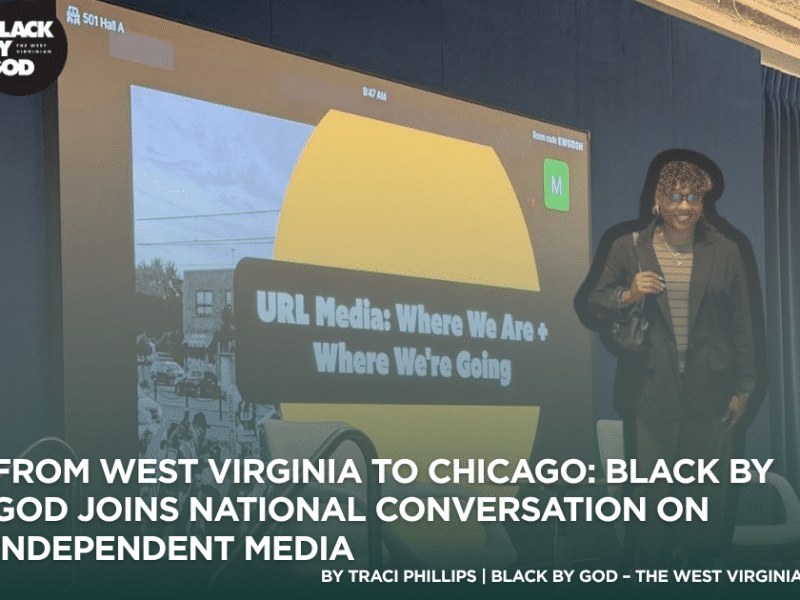
From West Virginia to Chicago: Black By God Joins National Conversation on Independent Media
Black By God joins independent newsrooms at the 2026 URL Media Convening in Chicago to elevate Black West Virginia stories in national media spaces.