Op-Ed: Reflections from Afar — A Call to West Virginia Media for Deeper Investigation
By Samuel Pierre Moss
As a West Virginian now living in Buffalo, New York, my heart remains tethered to the Mountain State. From this distance, I’ve been reflecting on the cultural and political challenges shaping West Virginia—issues that demand deeper investigation and thoughtful storytelling.
At the forefront is Jim Justice’s corruption—his exploitation of miners, questionable financial dealings, and disregard for Black voices. While these stories have appeared in fragments, we need a comprehensive investigation tying these threads together. How have Justice’s actions eroded trust and fairness in the state, and how can the media unpack this fully?
Another area worth exploring is the nuanced overlap between Black Democrats and moderate Republicans in West Virginia. Many Black West Virginians, grounded in faith and tradition, share socially conservative values. Can West Virginia media dig into how moderate and far-right Republicans are unified not by overt racial divisions, but by fear of cultural change? Could reframing these differences as cultural identity issues, rather than purely racial, bridge some of these divides?
This fear, I believe, is less about Black culture—which is deeply intertwined with white Appalachian traditions—and more about foreign cultural shifts that challenge traditional American norms. Immigration is often the flashpoint for these anxieties. How do these fears manifest in West Virginia, and do they reflect deeper concerns about identity and preservation rather than race?
These dynamics are not unique to West Virginia. In Buffalo, tensions have surfaced with the influx of Middle Eastern, Indian, and Asian communities, where cultural practices like polygamy and large families clash with long-established social norms. Economic displacement is another issue, with Black residents pushed out of neighborhoods by rising rents set by new immigrant landlords.
In Florida, my wife’s family has seen workplace tensions at Amazon fulfillment centers, where Black workers feel sidelined by Hispanic managers favoring their own communities. These are complex realities that go beyond simple narratives of race, requiring careful investigation and nuanced reporting.
West Virginia needs its media to tackle these stories with depth, courage, and empathy. Black By God (BBG) is uniquely positioned to lead this effort, shining a light on issues affecting Black and underserved communities. BBG has been an invaluable resource, but like many grassroots organizations, it operates with limited capacity. This is why the growth of their Folk Reporters Program is so exciting—it’s a chance to expand coverage, amplify local voices, and tell the stories that need to be told.
I offer these prompts to BBG readers and contributors, and to West Virginia’s media at large:
- How does Jim Justice’s corruption impact different communities, and what stories remain untold?
- What are the cultural and political overlaps between Black Democrats and moderate Republicans?
- How are immigration and cultural shifts reshaping West Virginia’s social landscape?
- What forms of economic displacement are affecting Black communities in the state?
These stories matter. They need to be investigated and shared. I’m available to discuss these ideas further. Let’s keep pushing for the journalism that West Virginia deserves.
By Samuel Pierre Moss Husband – Father- Inventor – Physics Enthusiast. Read more about him on Fusion and Gravity.
If you appreciate BBG's work, please support us with a contribution of whatever you can afford.
Support our stories
Related Articles
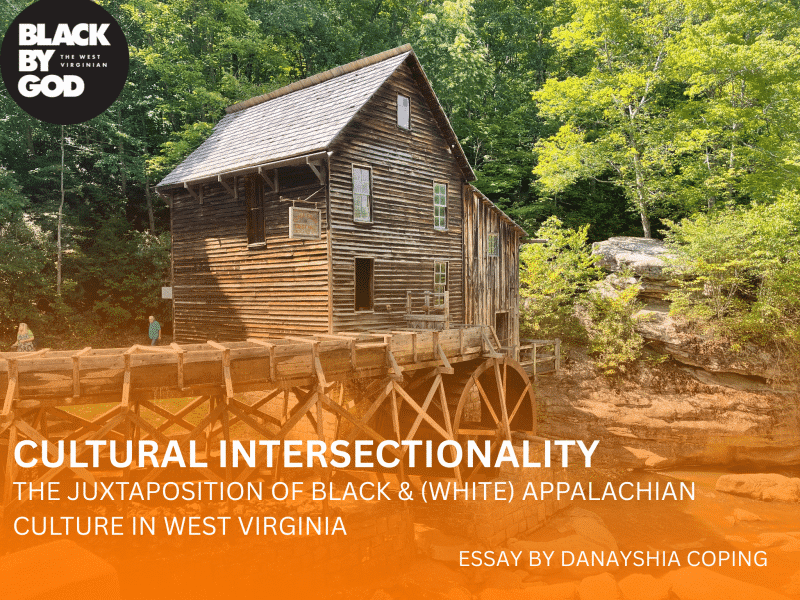
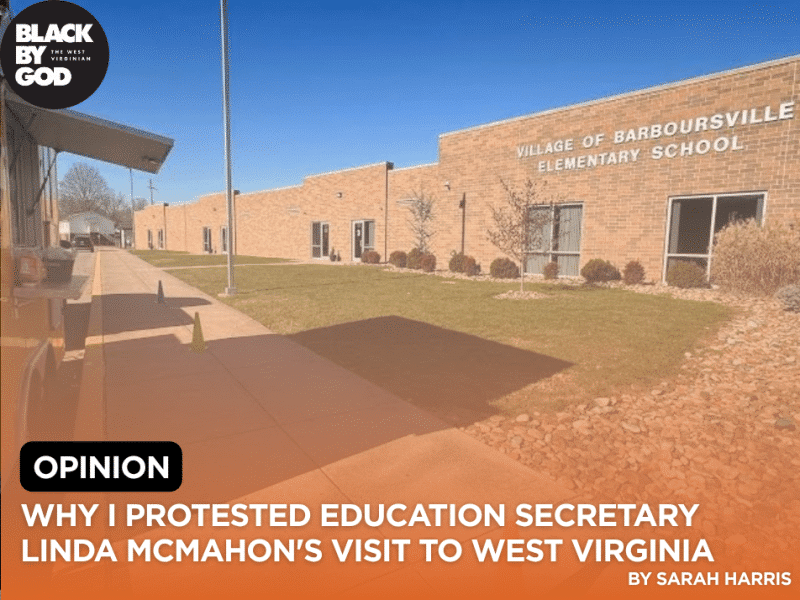
Why I protested Education Secretary Linda McMahon’s visit to West Virginia
Parent Sarah Harris responds to Education Secretary Linda McMahon’s Barboursville visit, calling for federal support for West Virginia public schools.
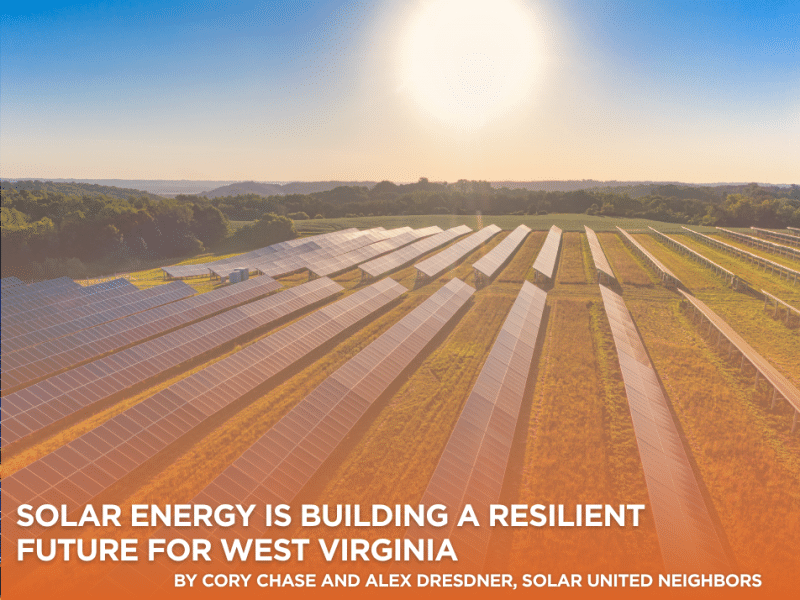
Solar energy is building a resilient future for West Virginia
For nearly two centuries, working-class people have built West Virginia’s economy as a coal-producing powerhouse. So why do we pay for some of the most unaffordable electricity in the country?